آکادمی رابعی اخبار ، مقالات ،آثار و برنامه های مهندس حمید رابعی
نوشته های مشابه



The Geometric Reinterpretation of the Divine Name “Allah”: From Calligraphy to Architecture
Abstract
The Divine Name “Allah” has always occupied a distinguished position in the history of Islamic art. Within the visual tradition of the Islamic world, calligraphy, geometric patterns, and vegetal ornamentation have constituted the three principal domains of non-figural decoration, while inscriptions—particularly in architecture—have served as one of the most fundamental vehicles for both meaning and aesthetic expression.
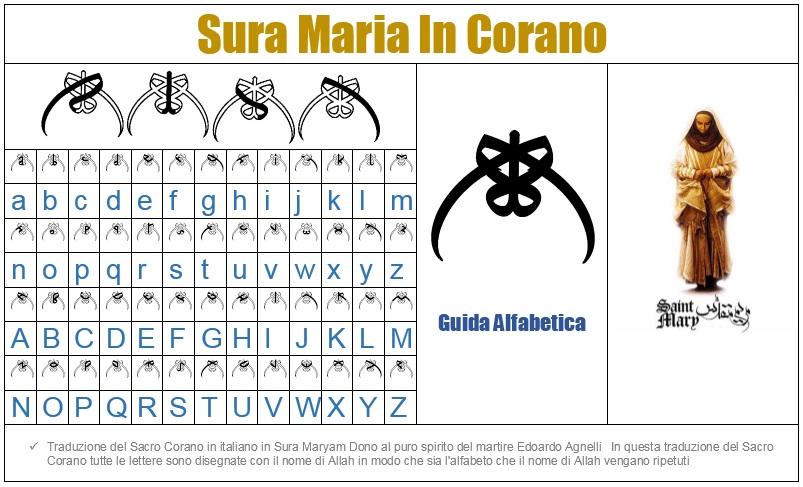
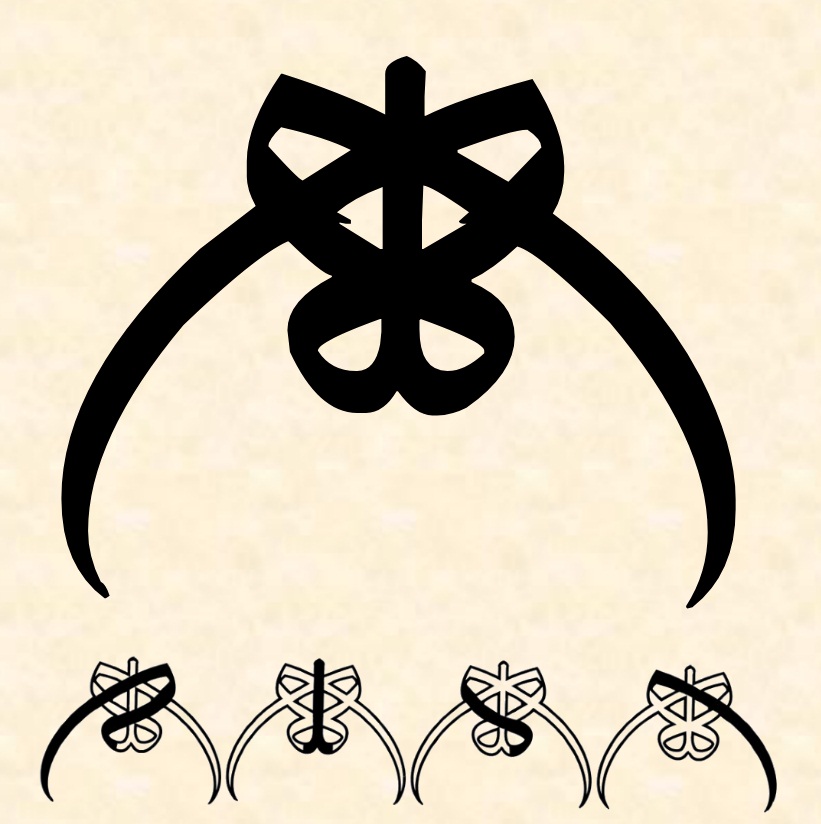
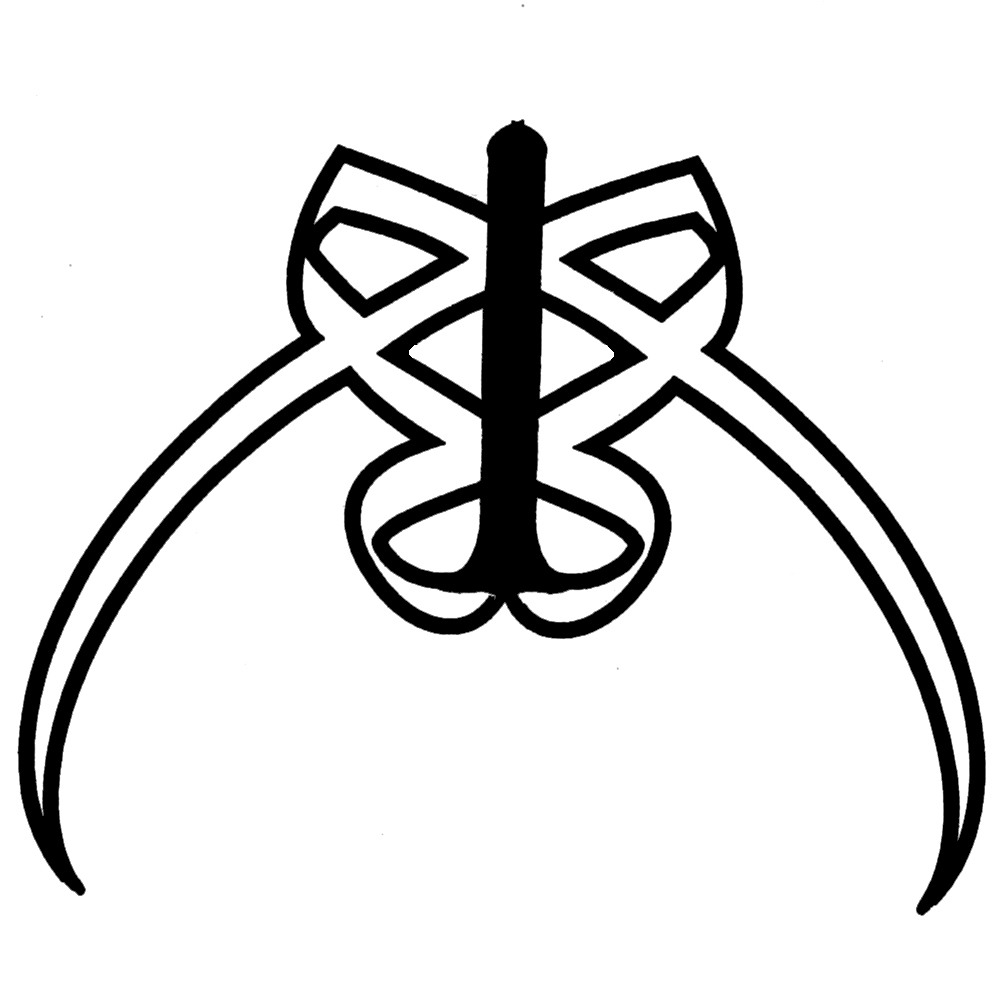
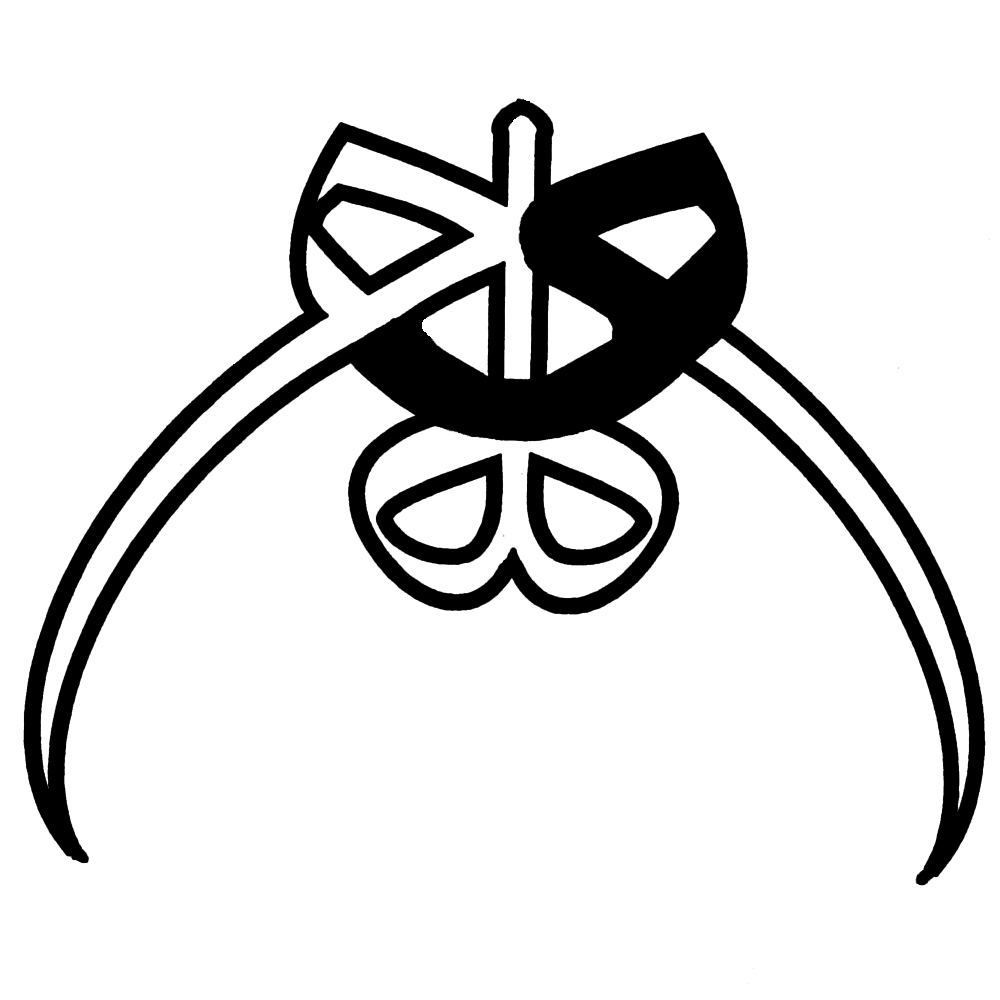
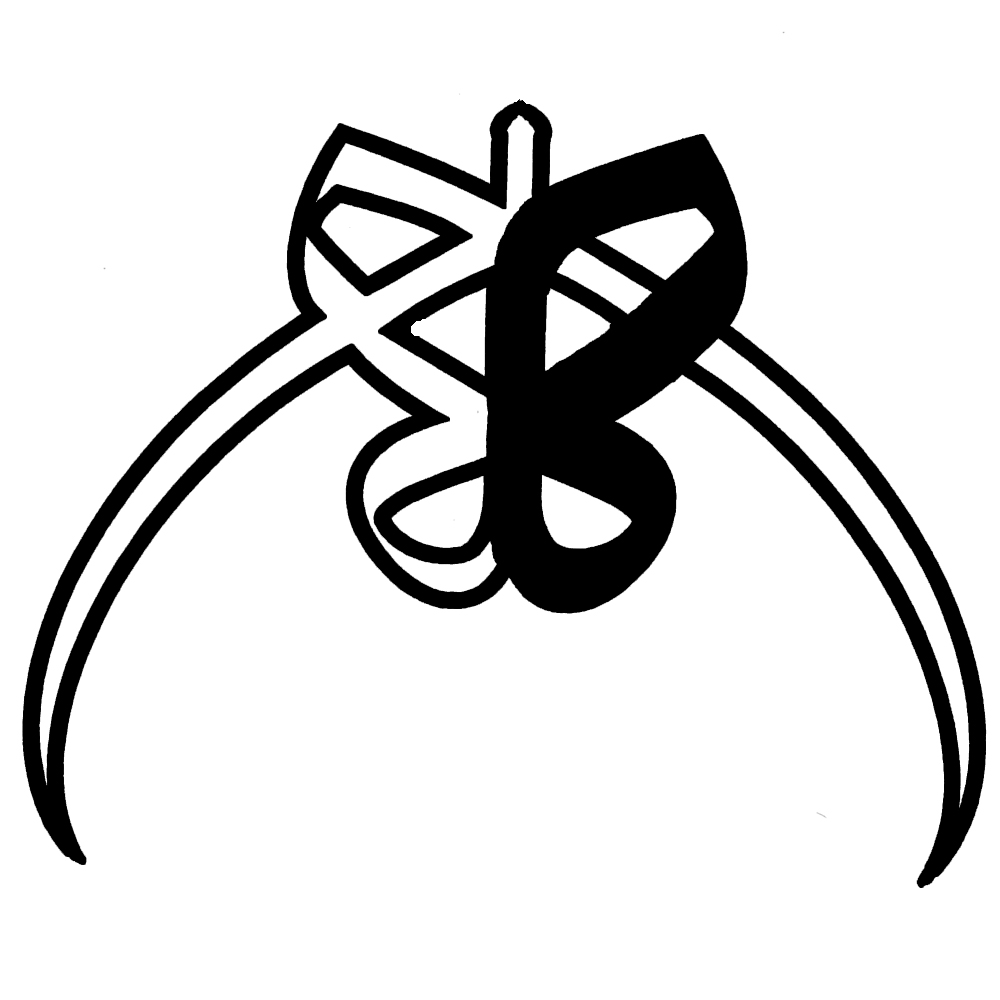
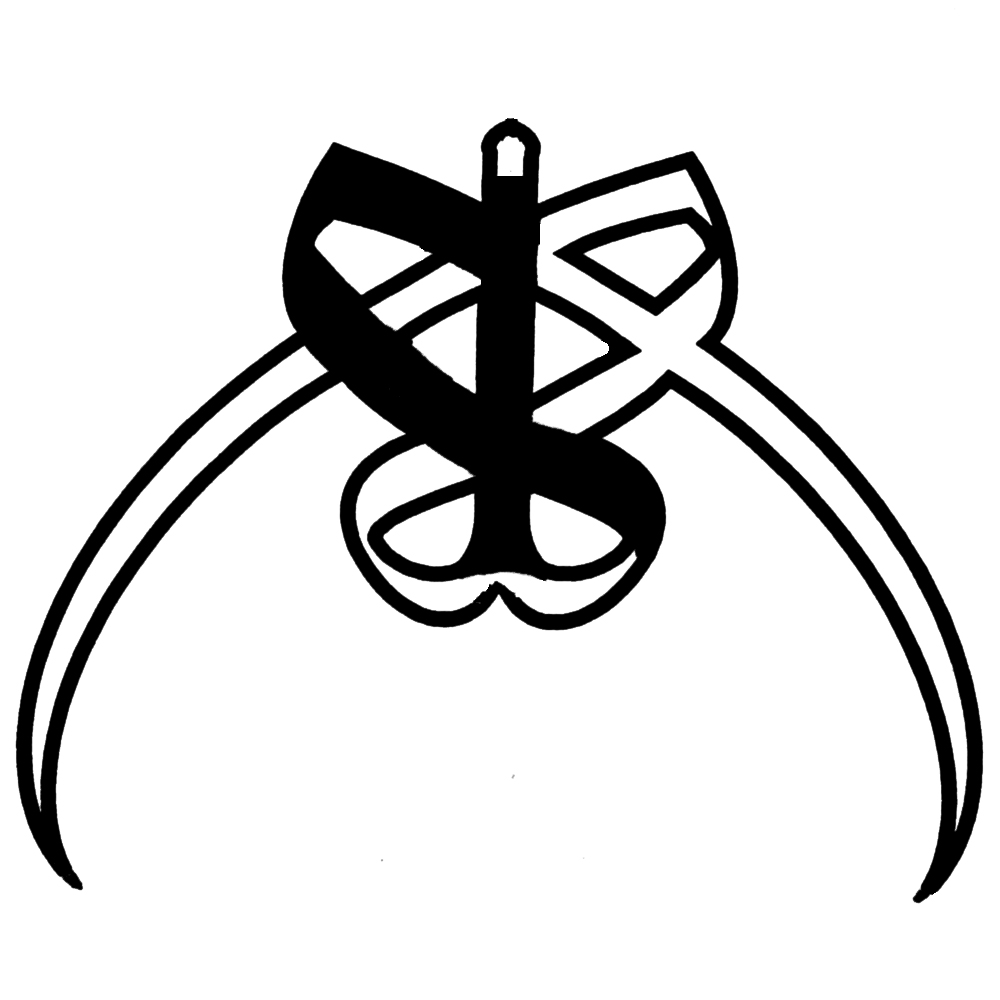
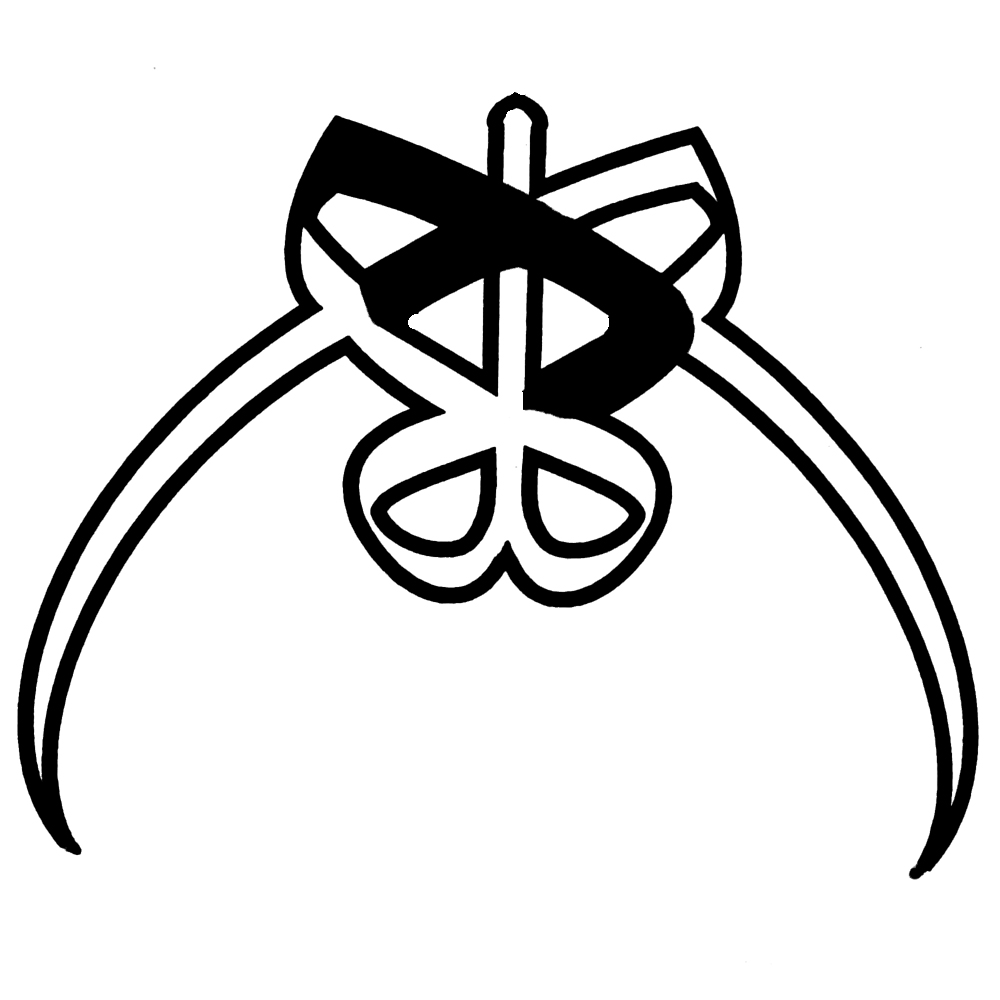
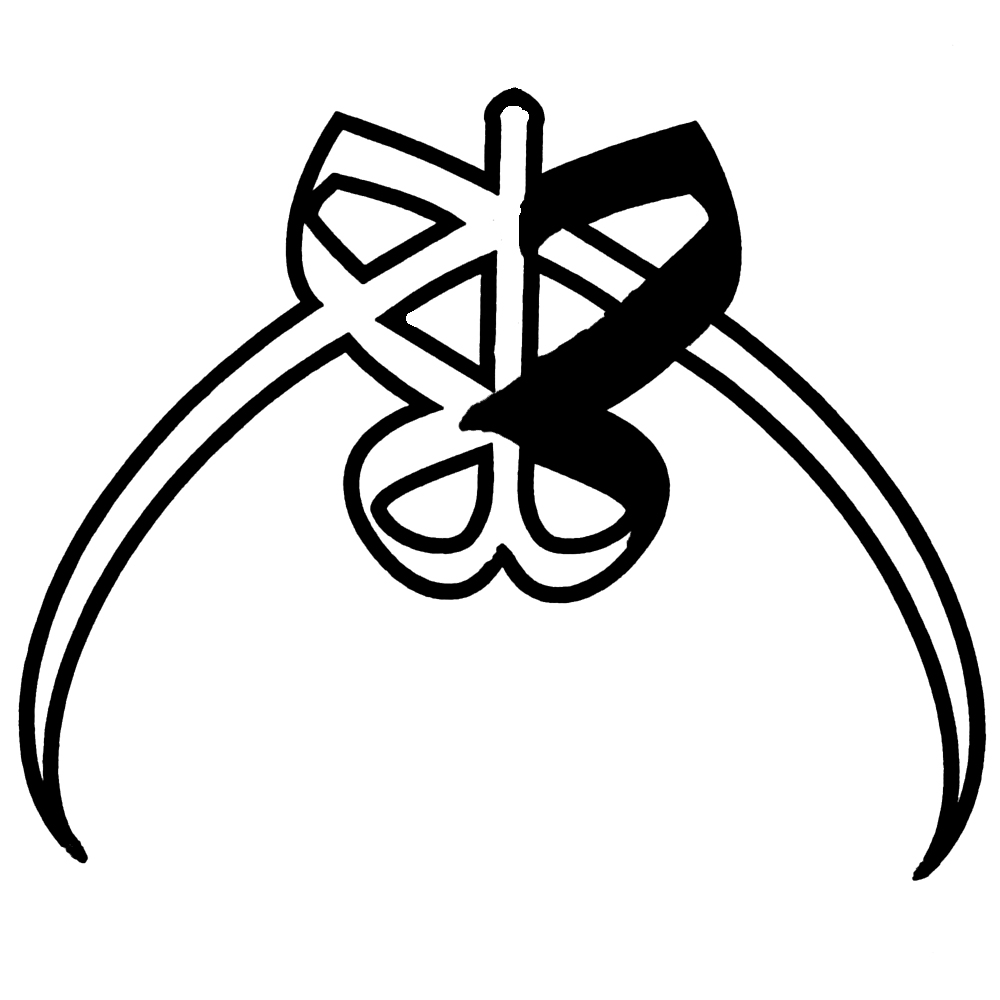
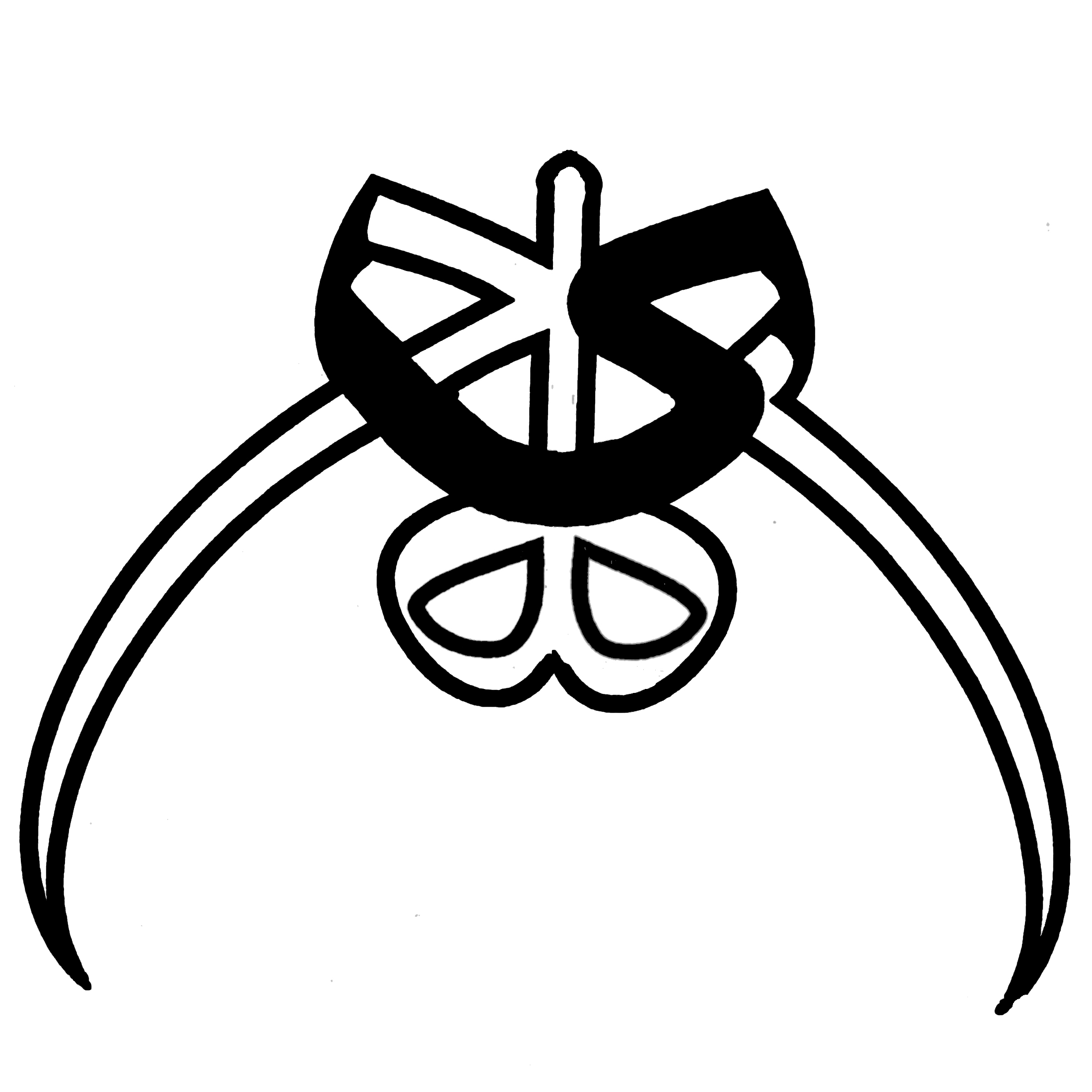
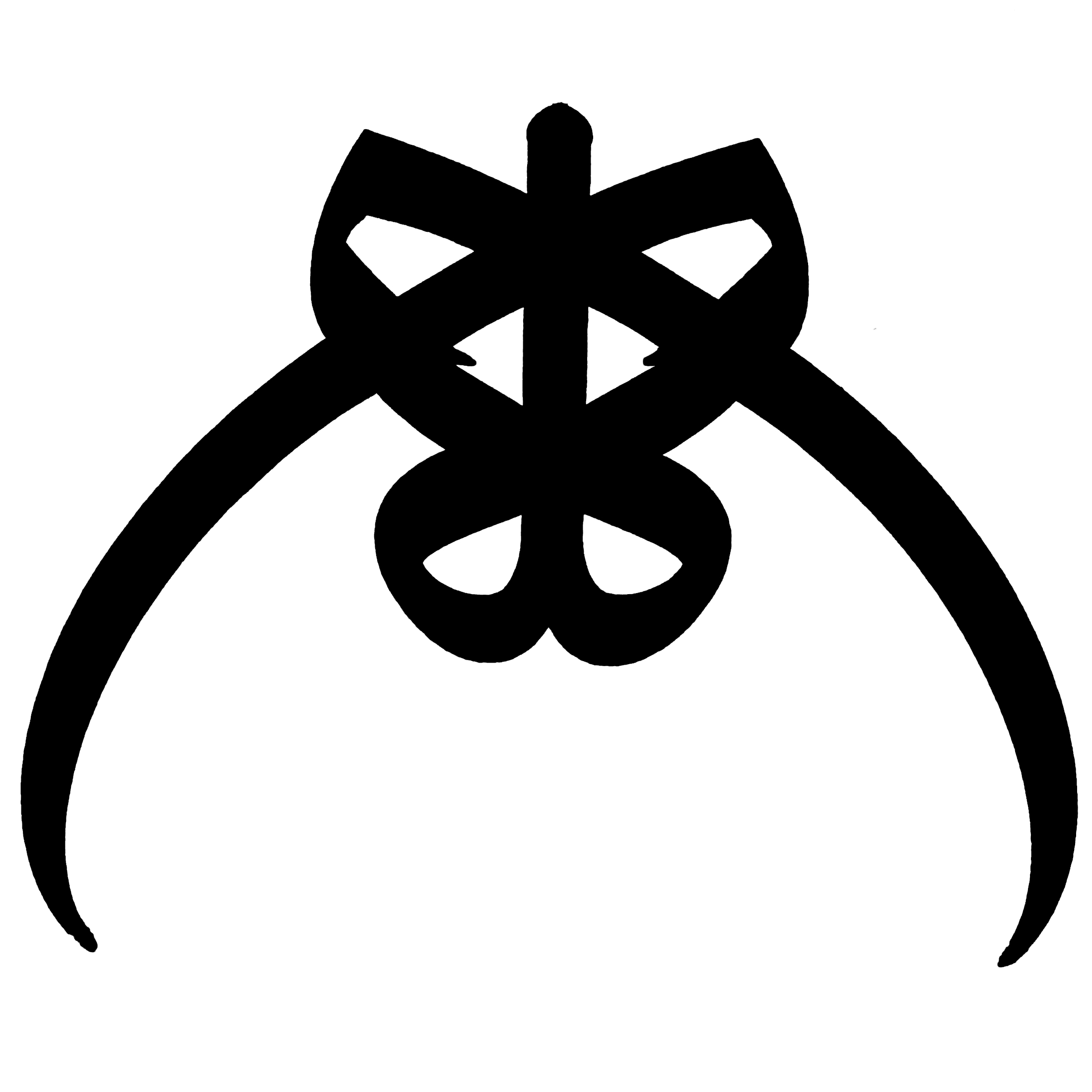
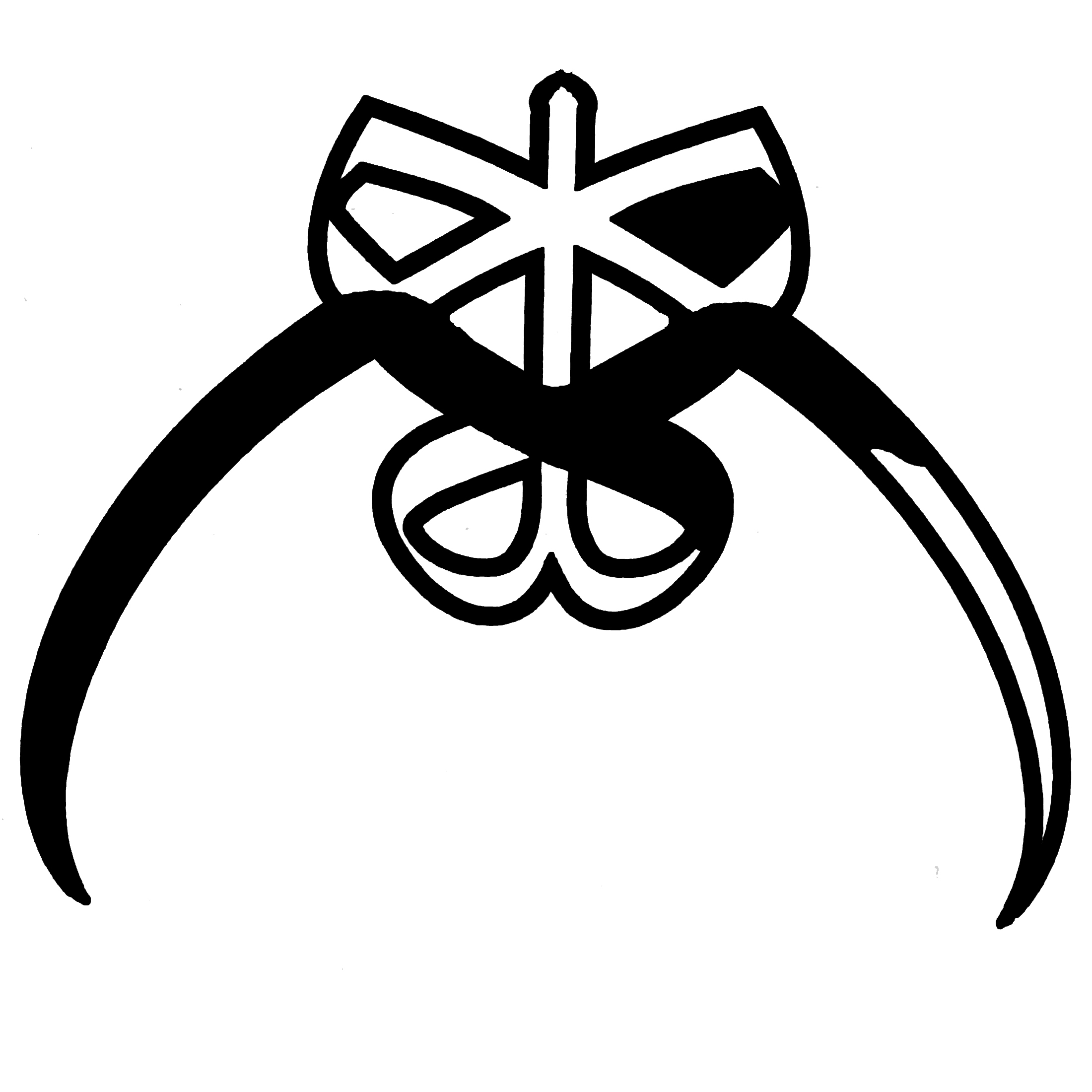
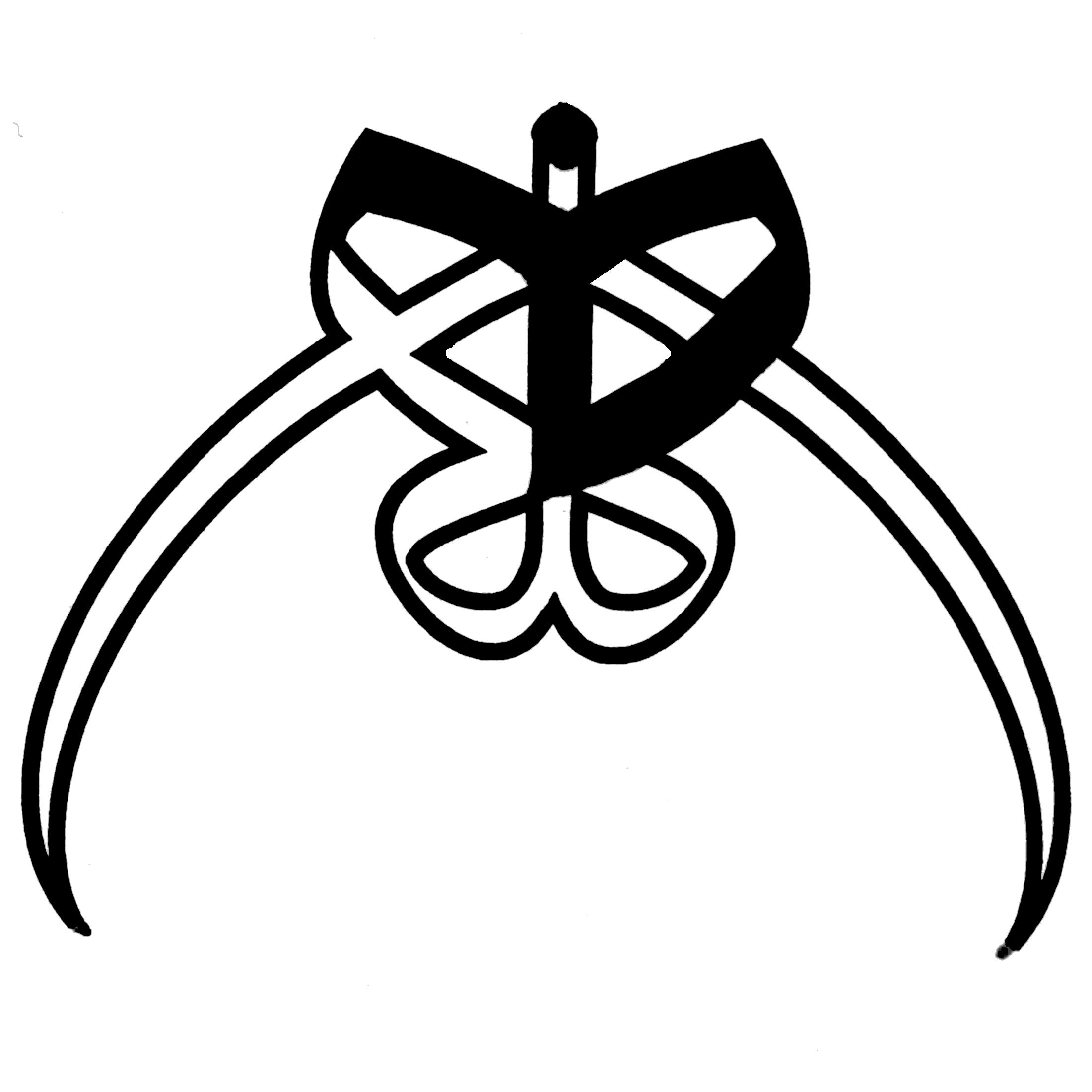
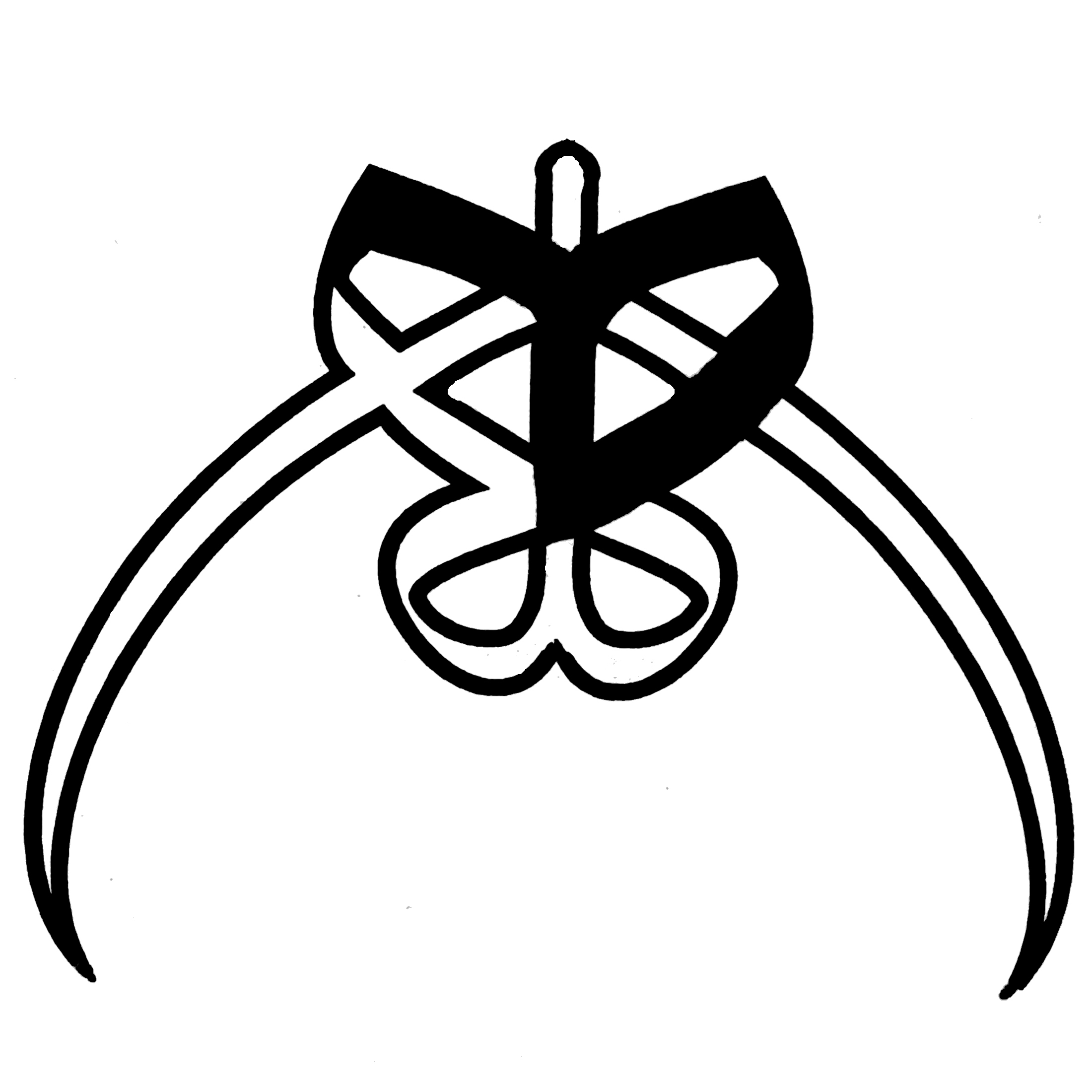
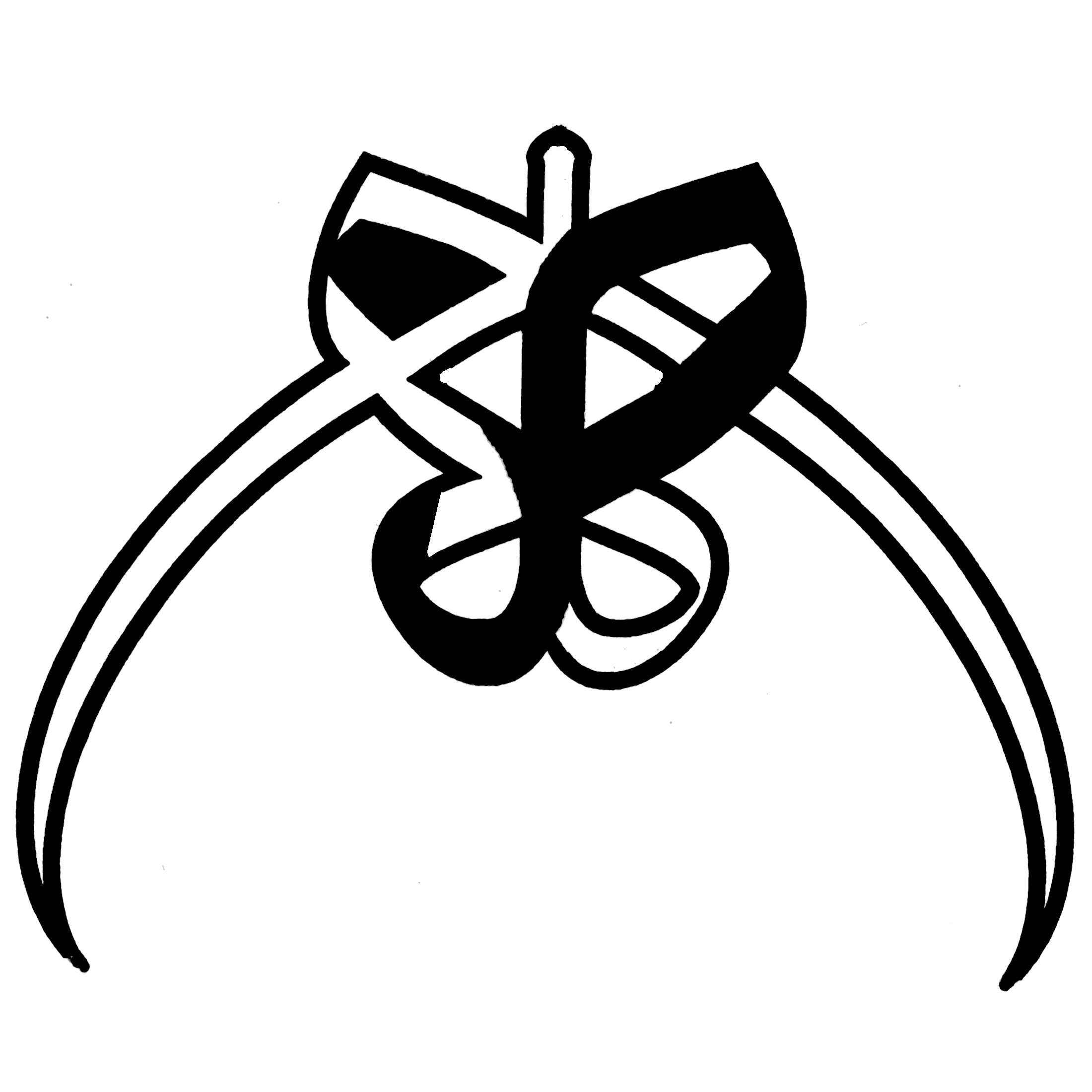
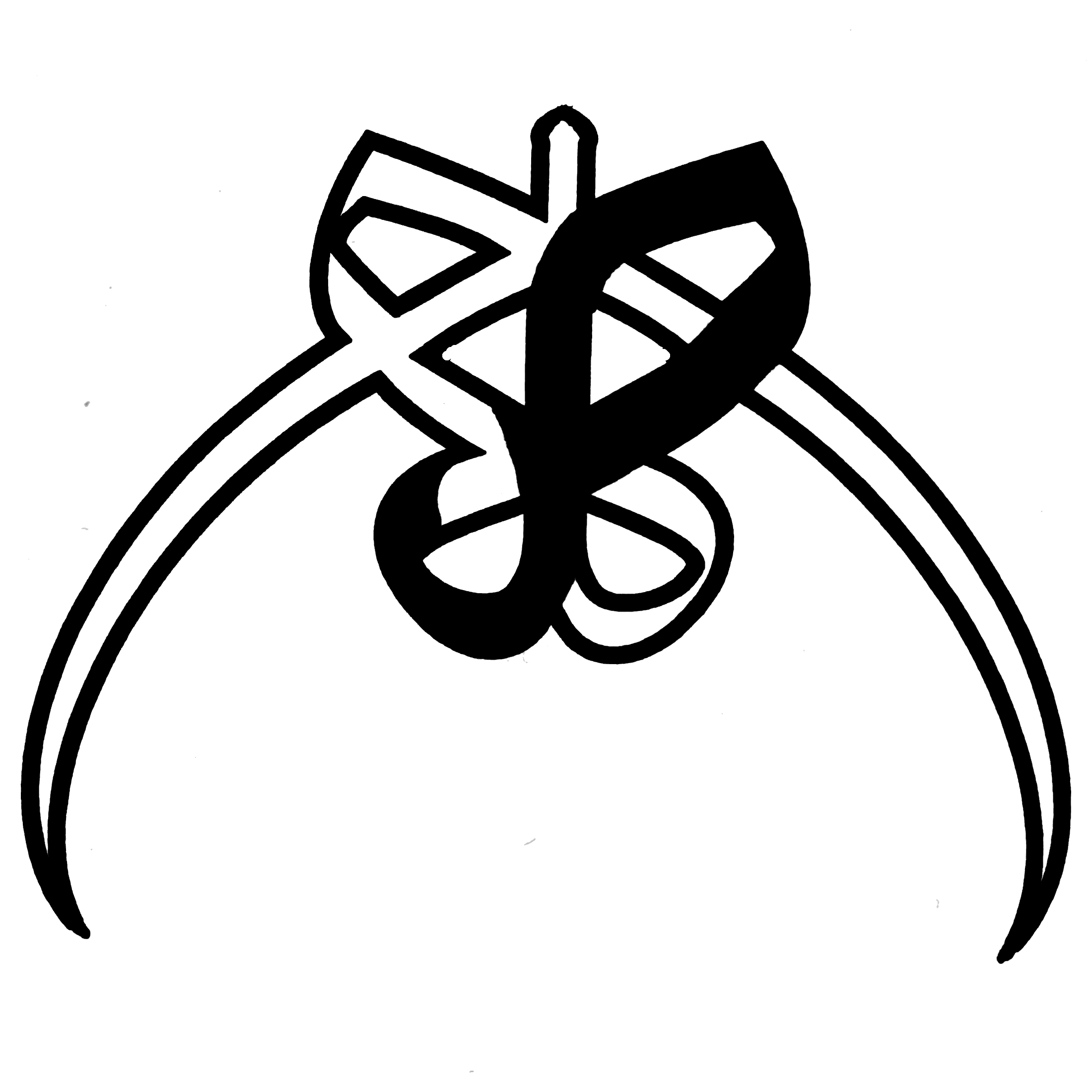
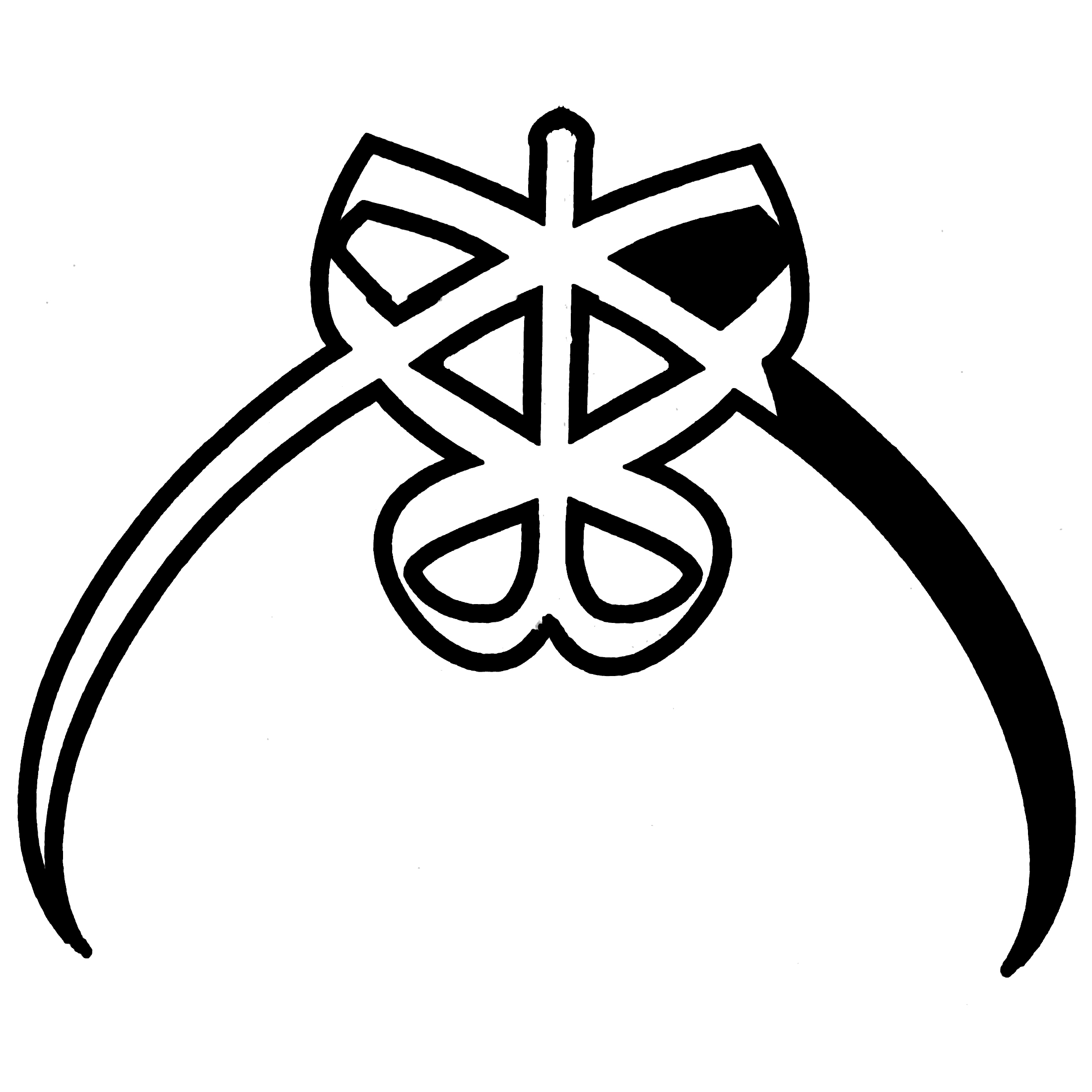
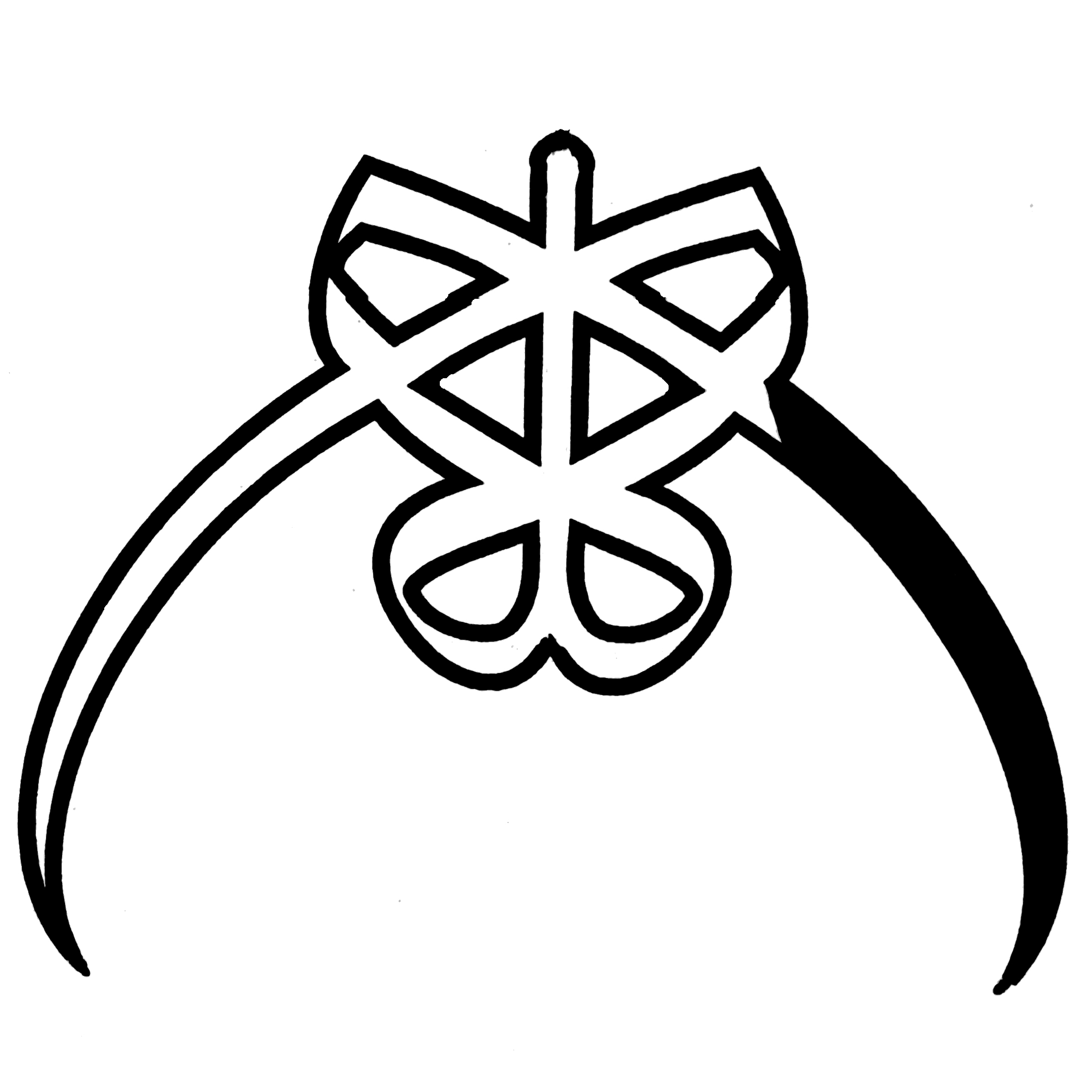
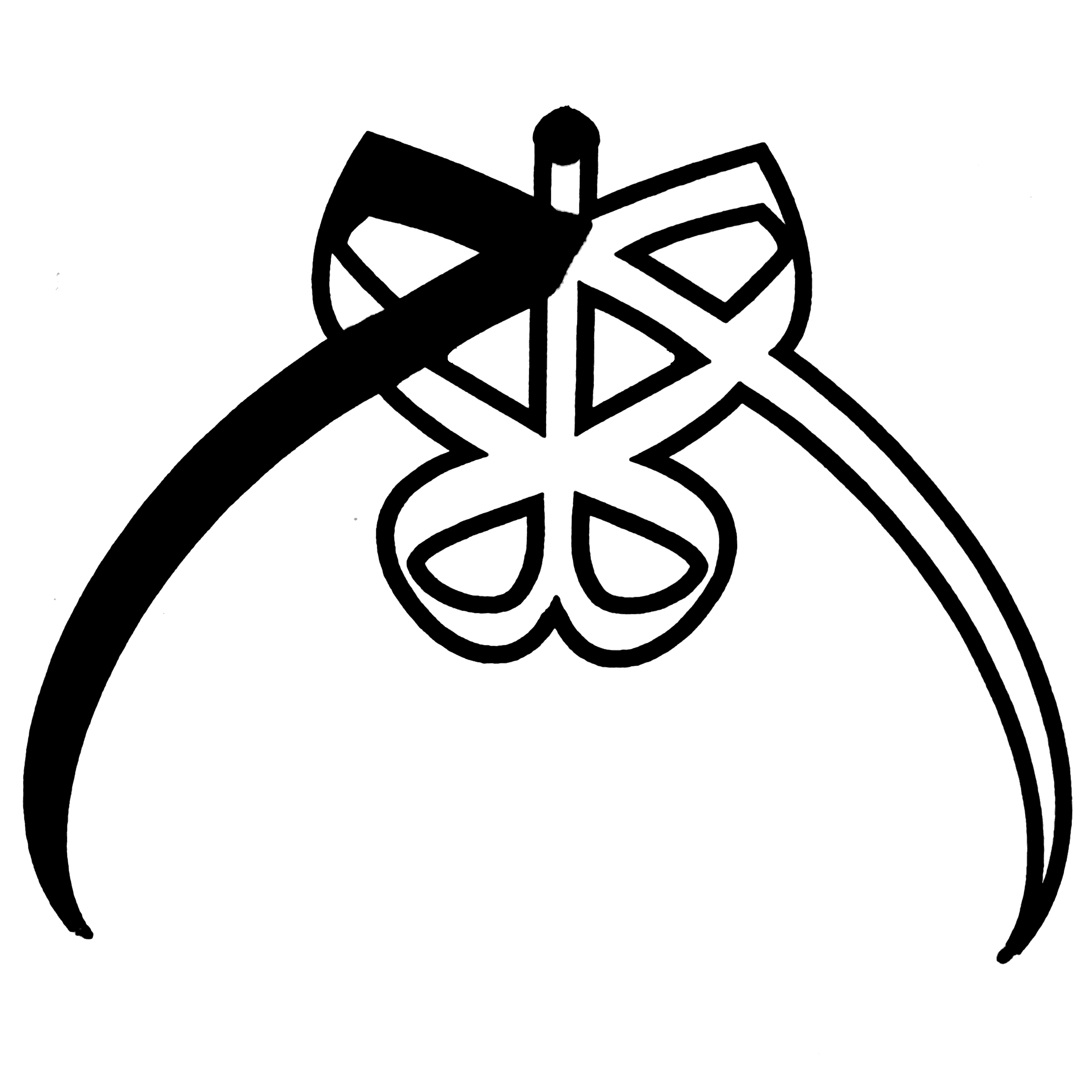
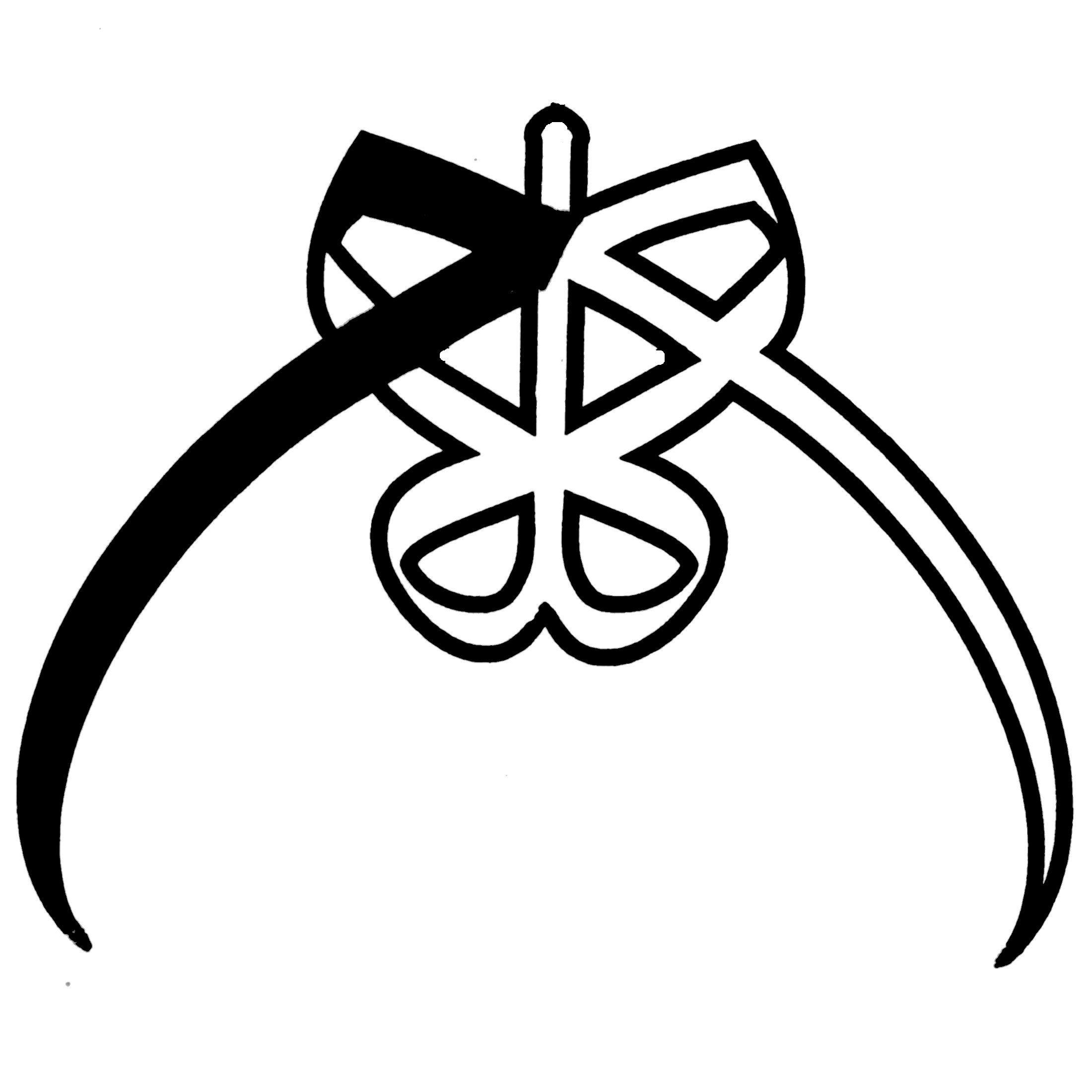
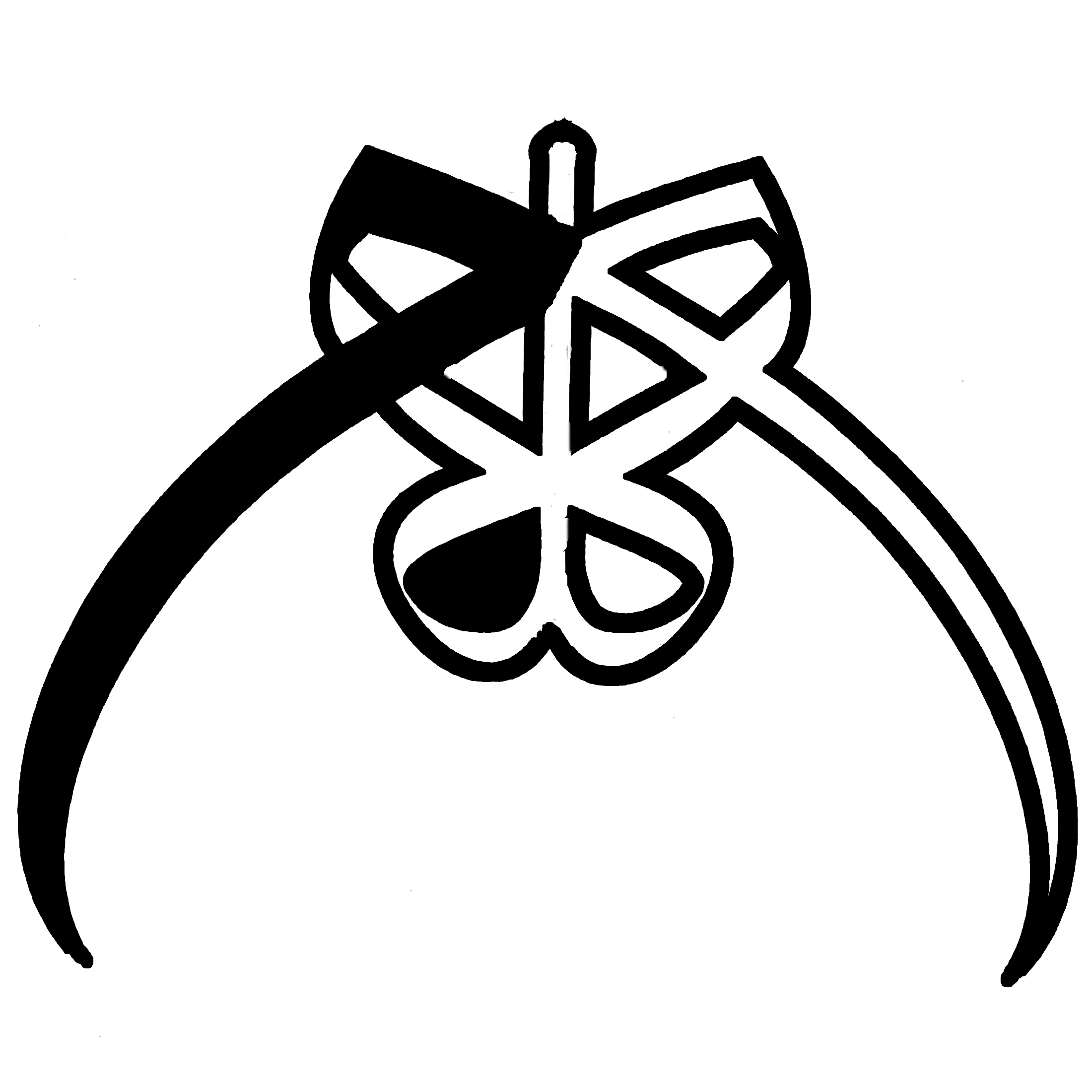
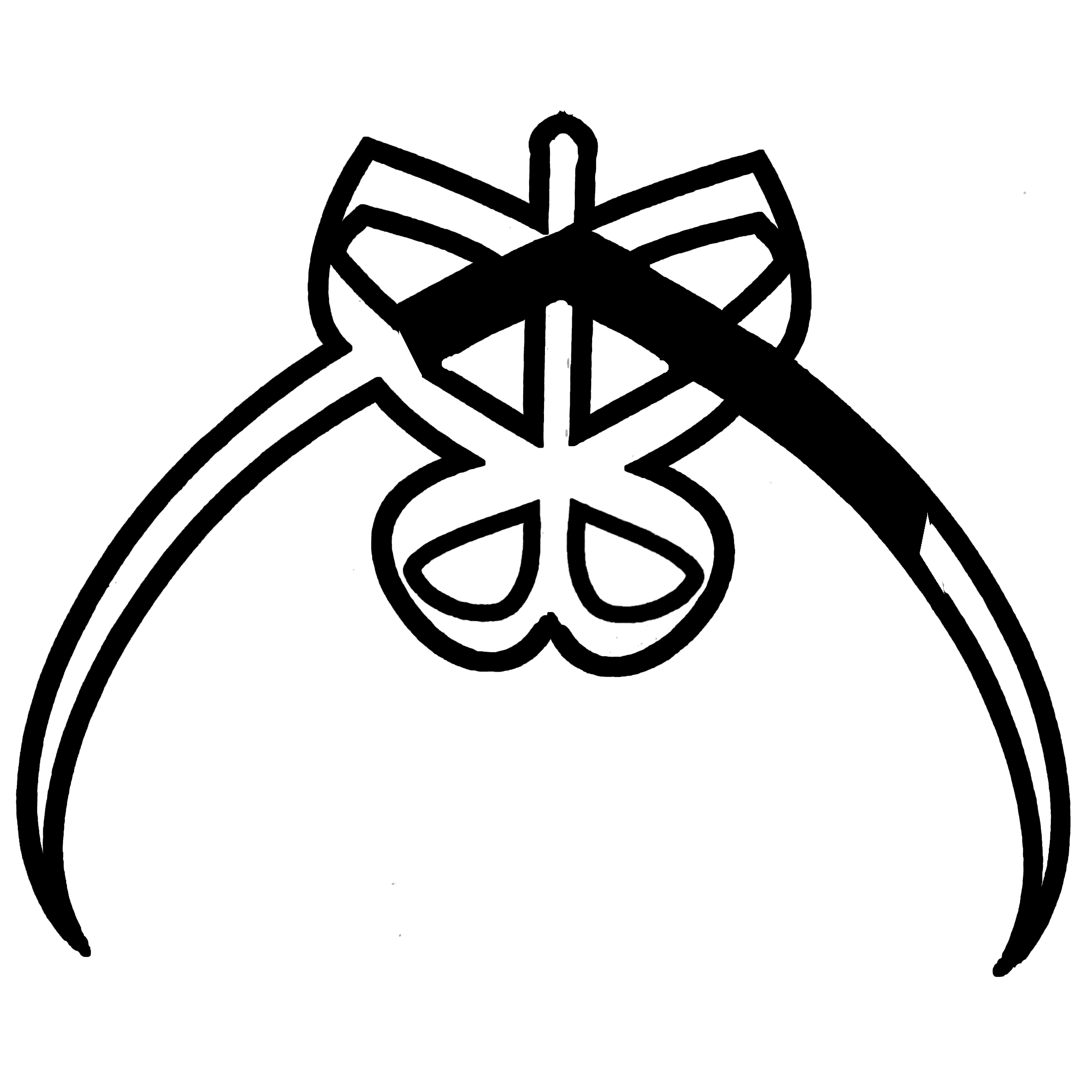
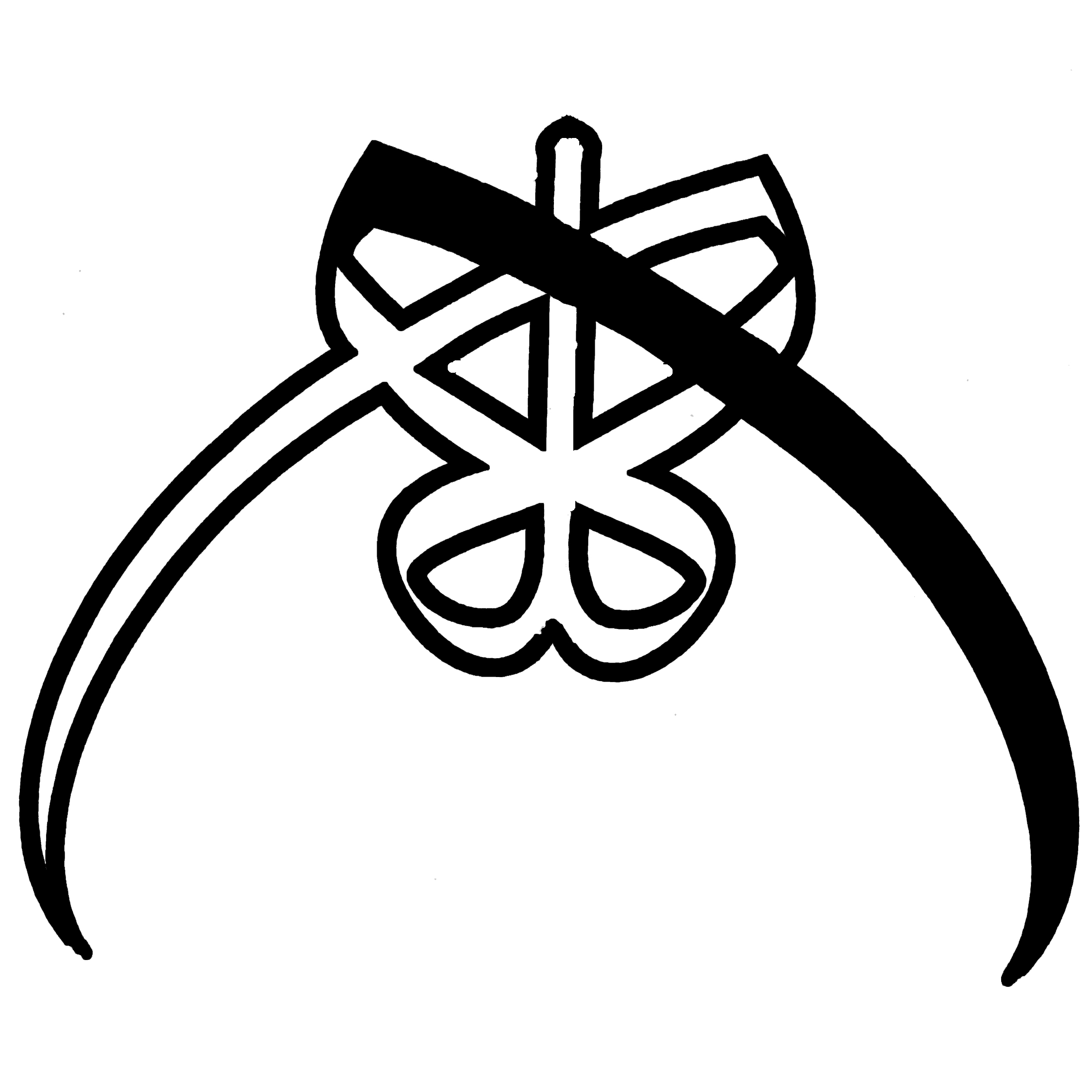
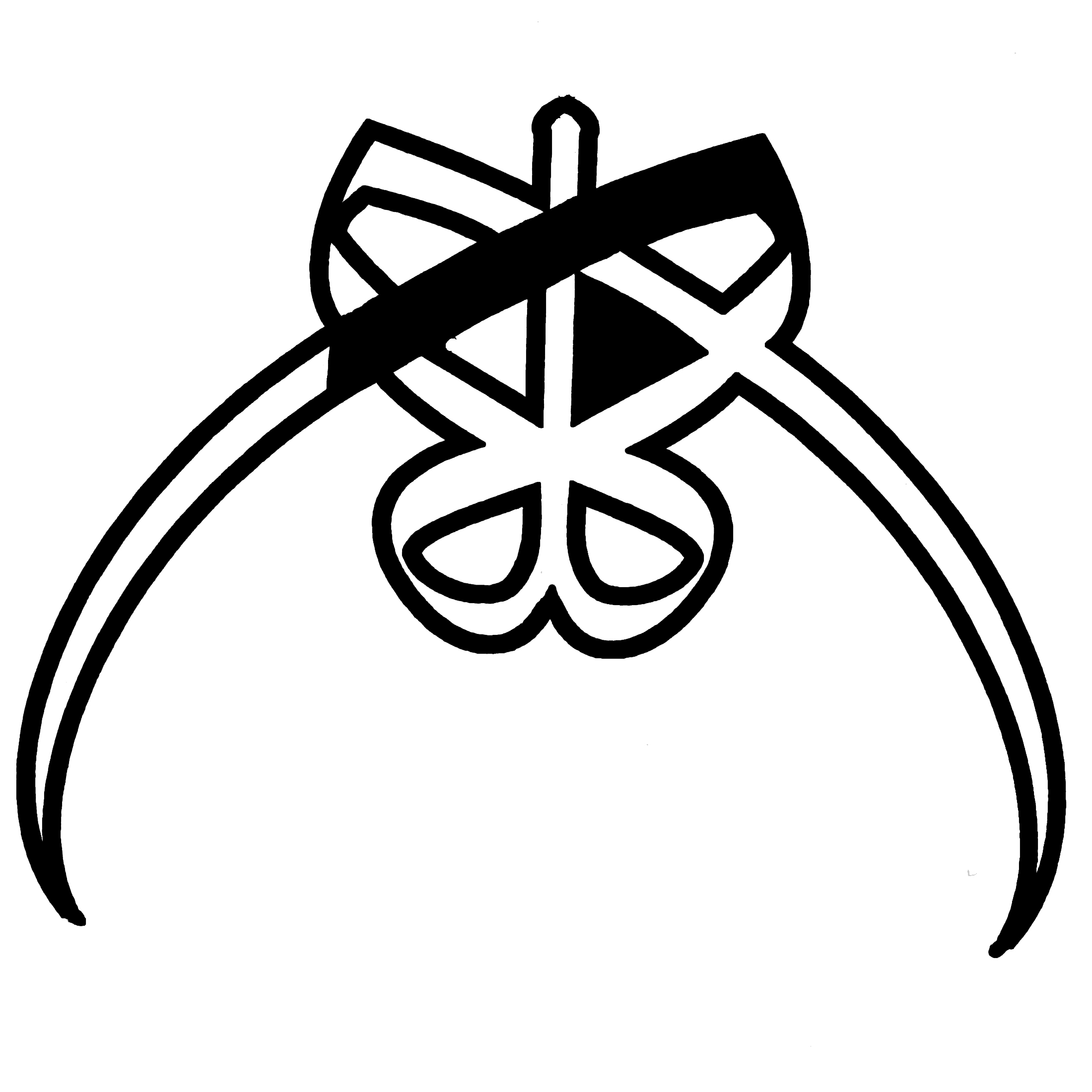
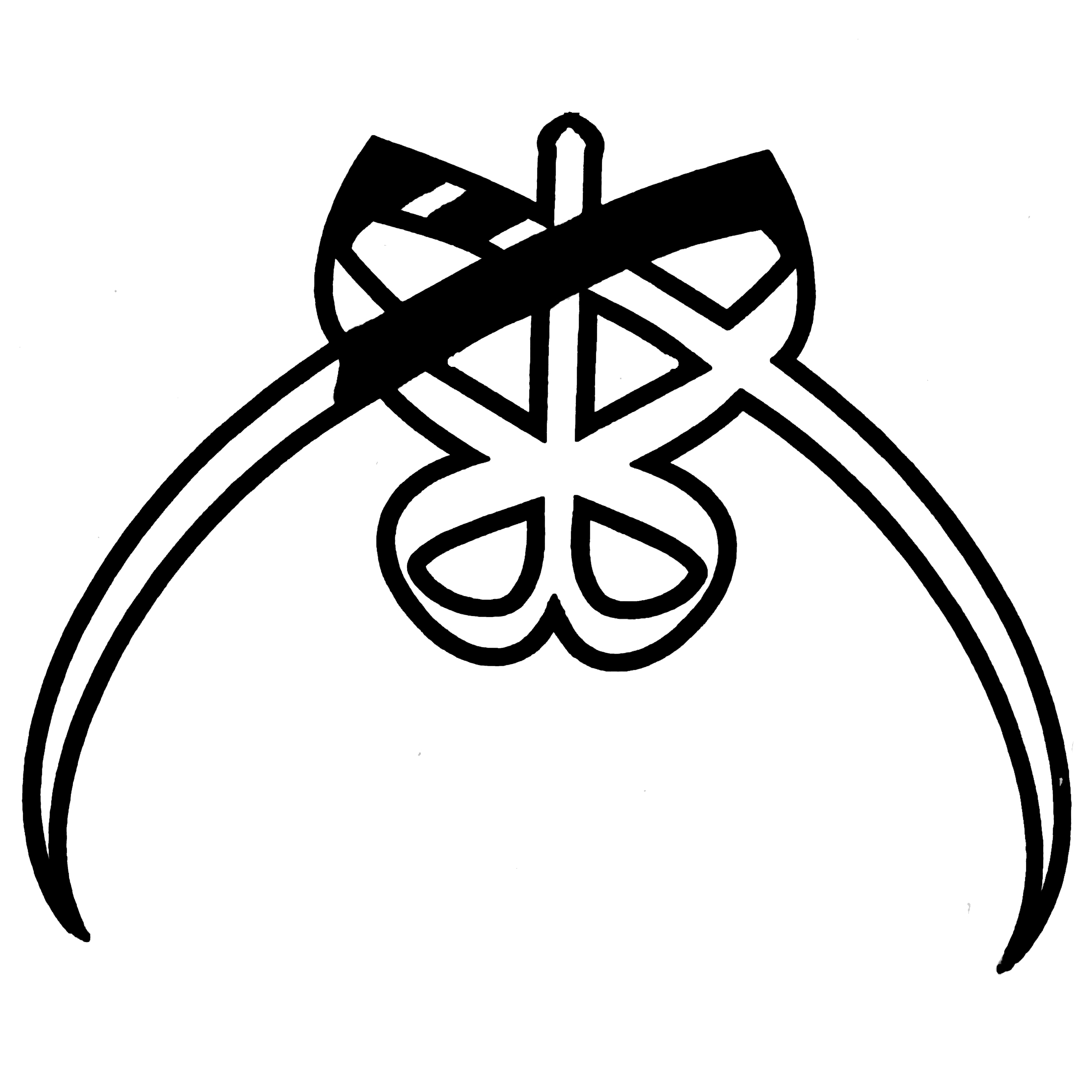
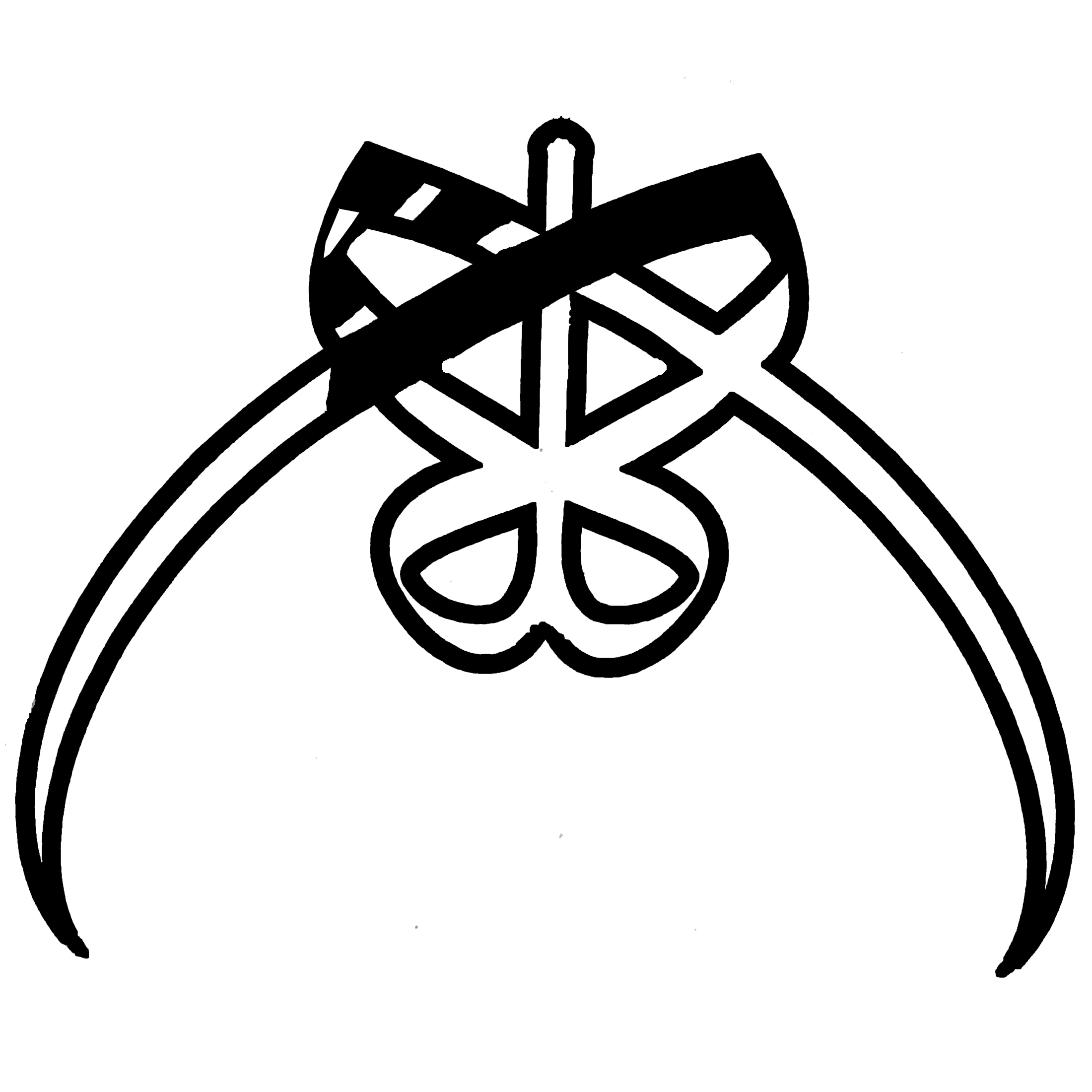
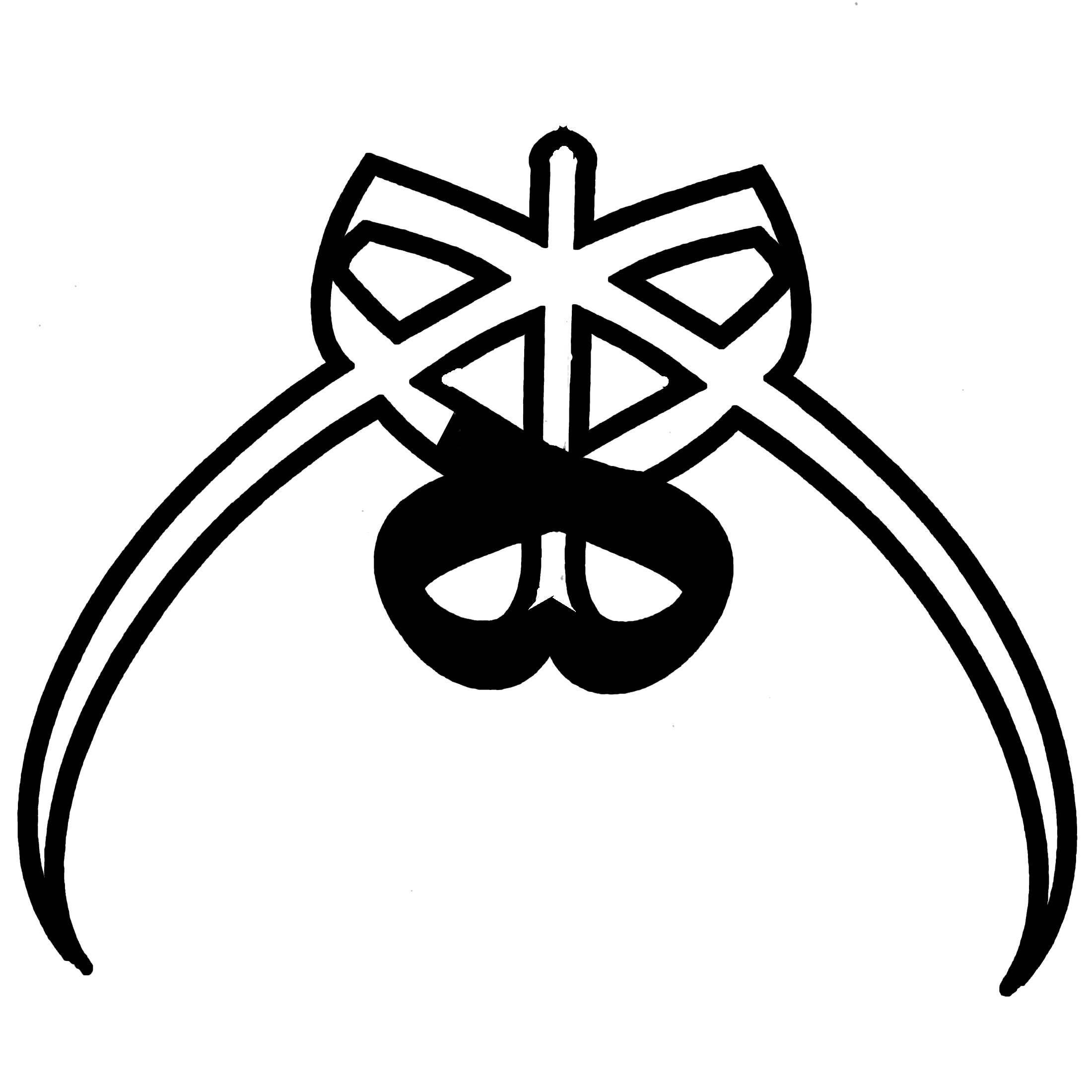
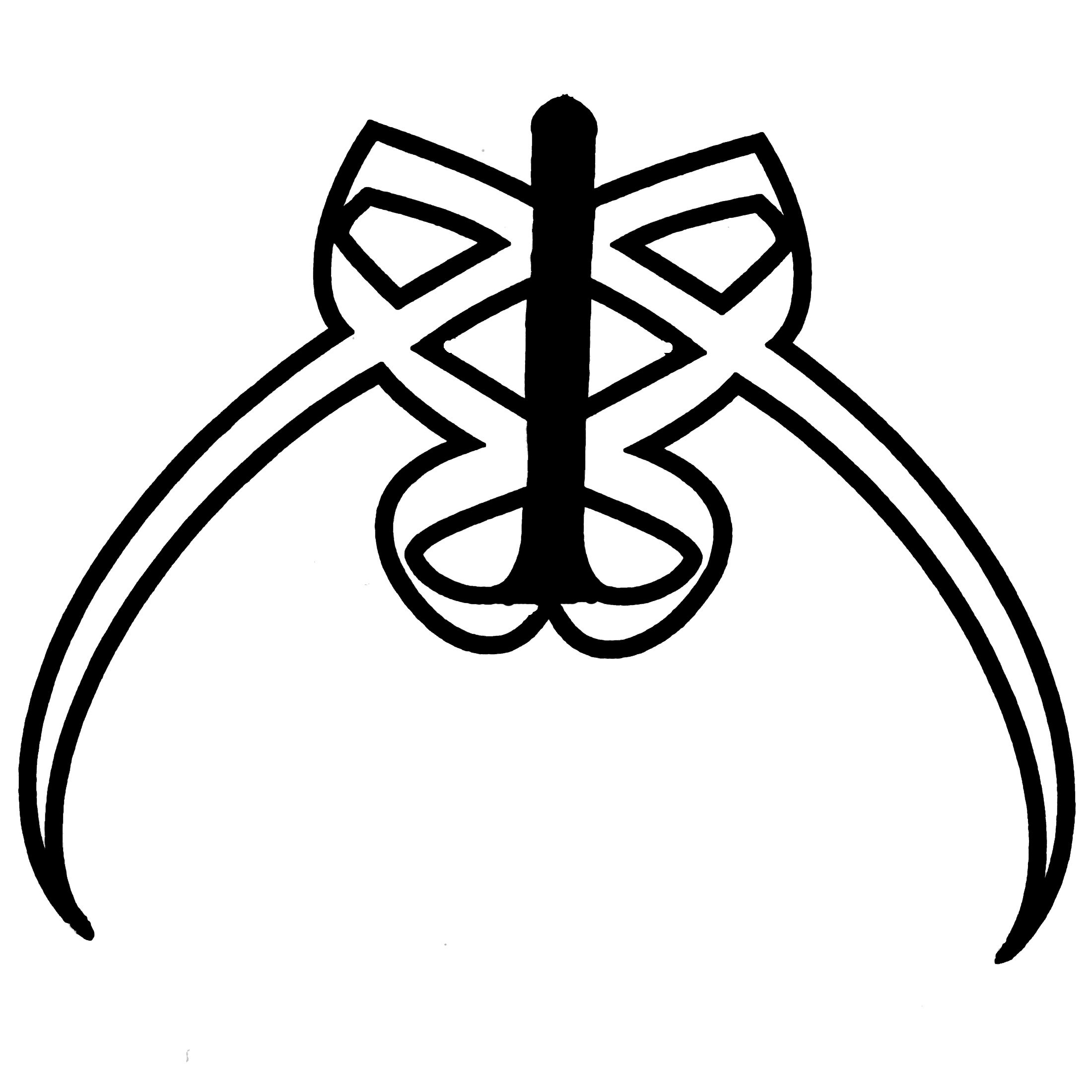
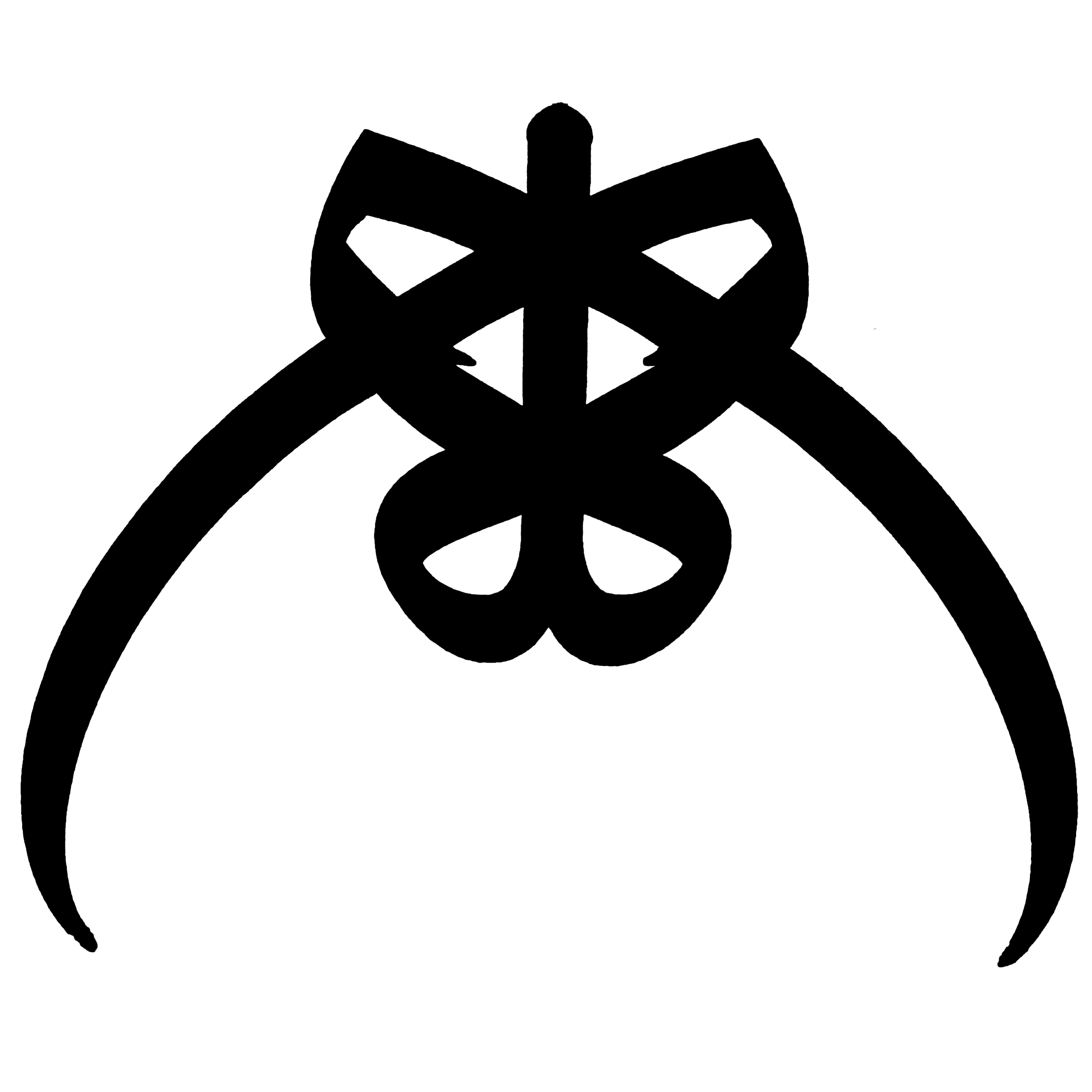
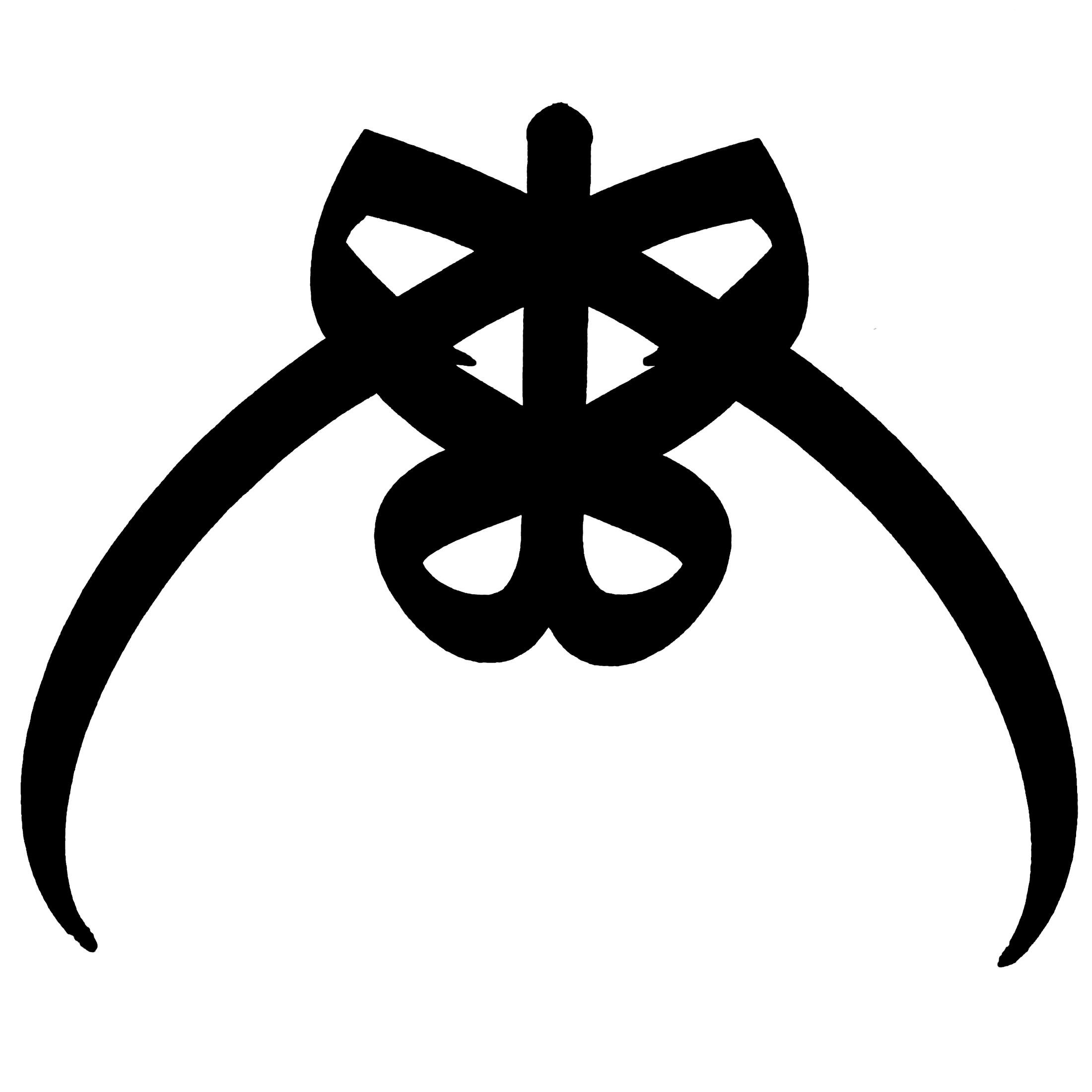
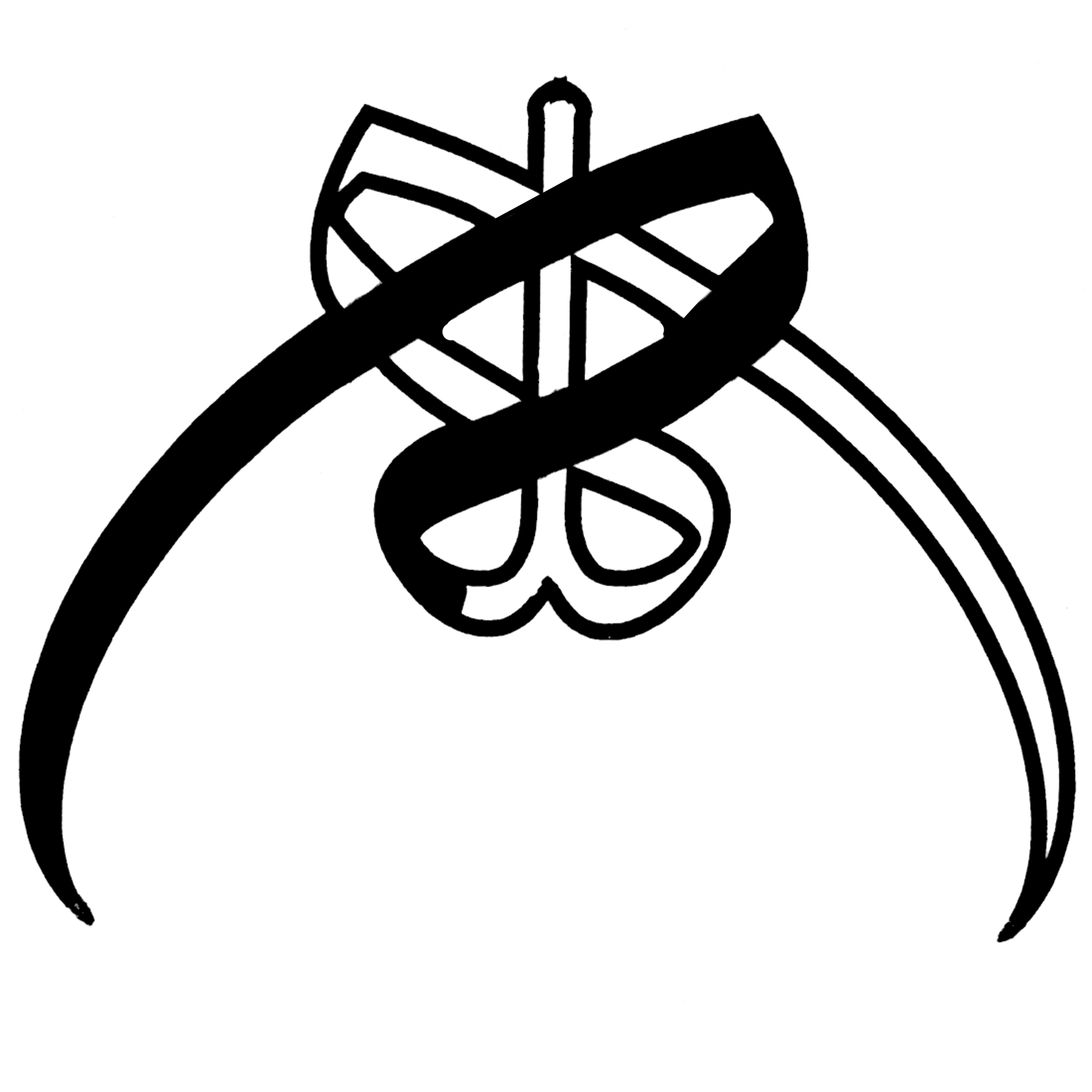
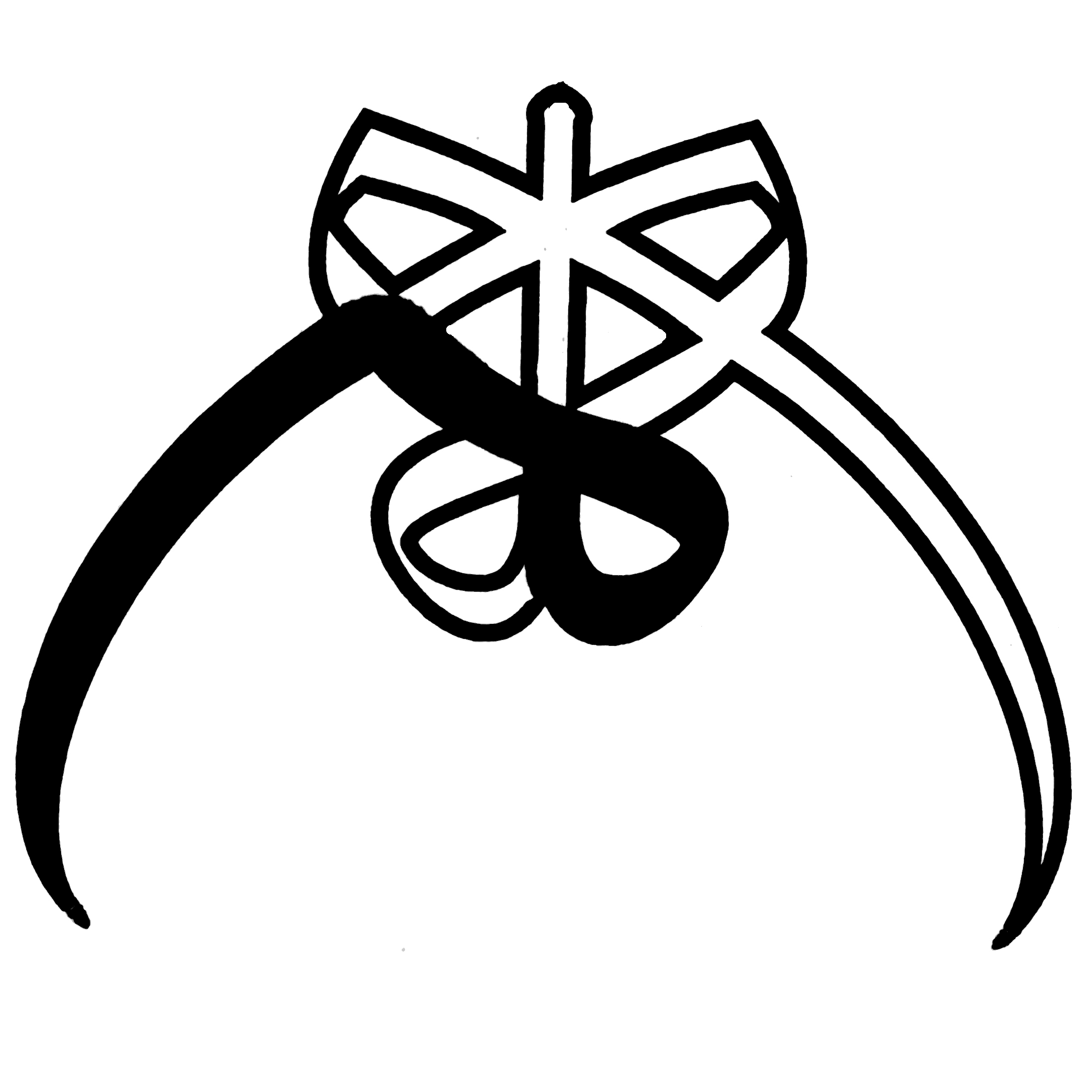
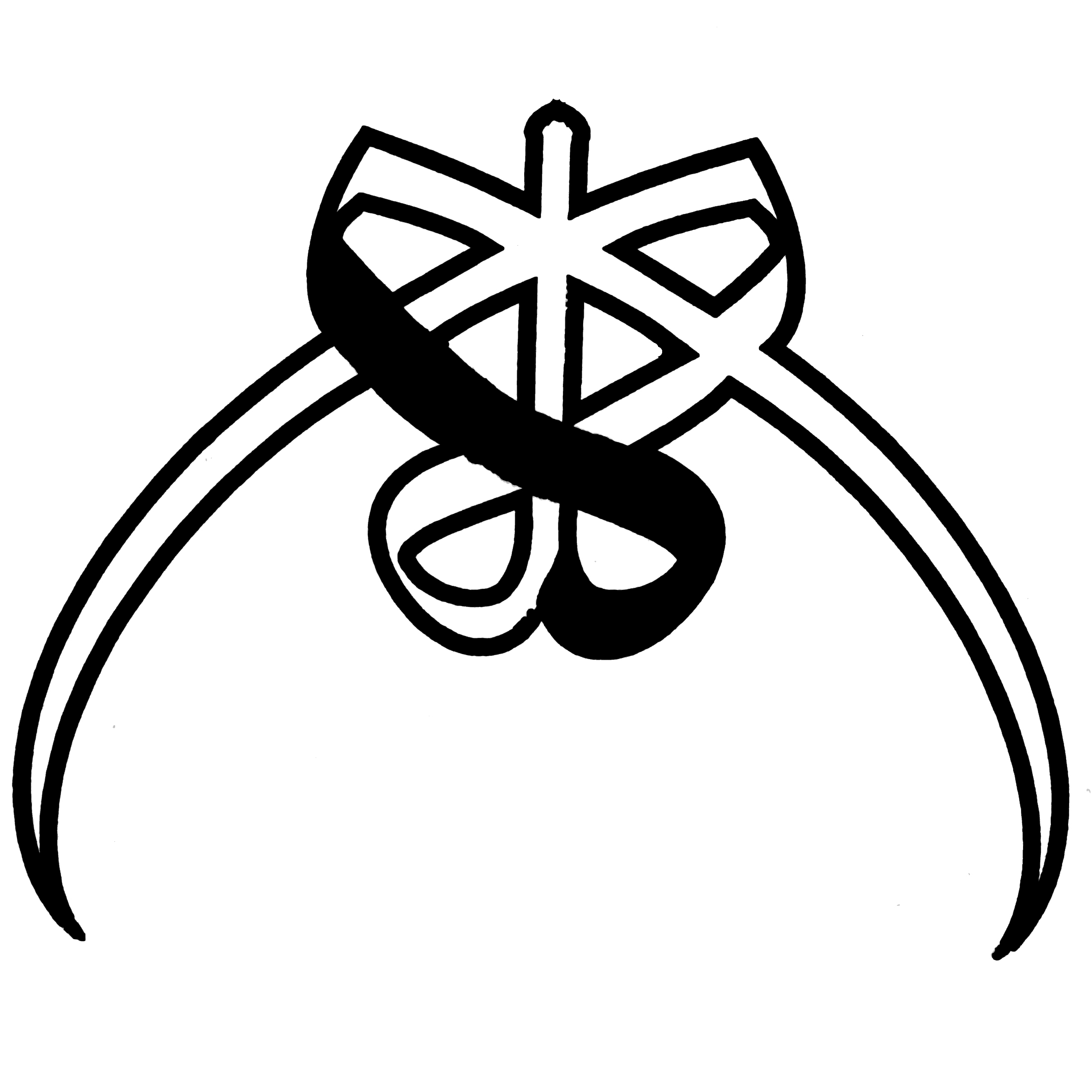
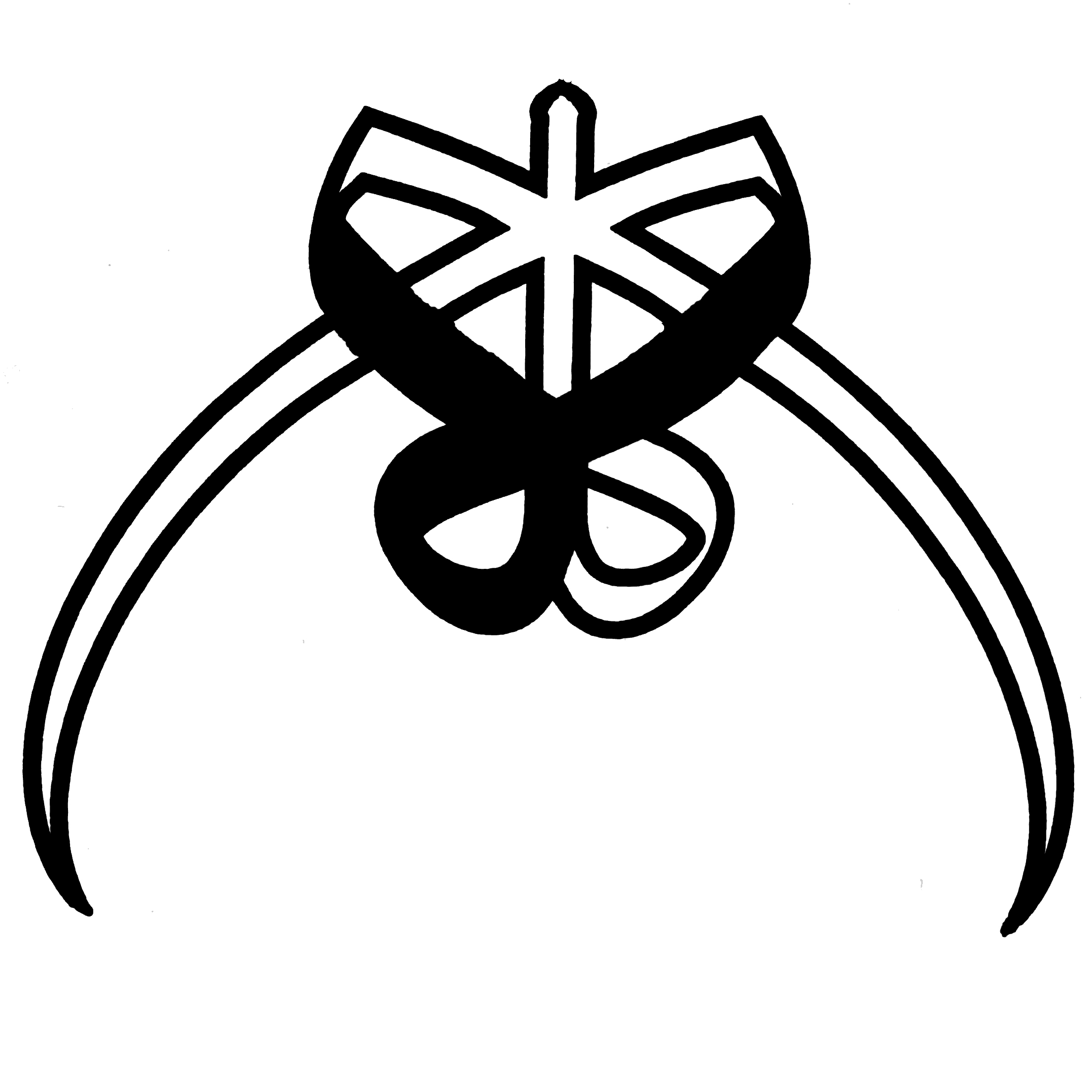
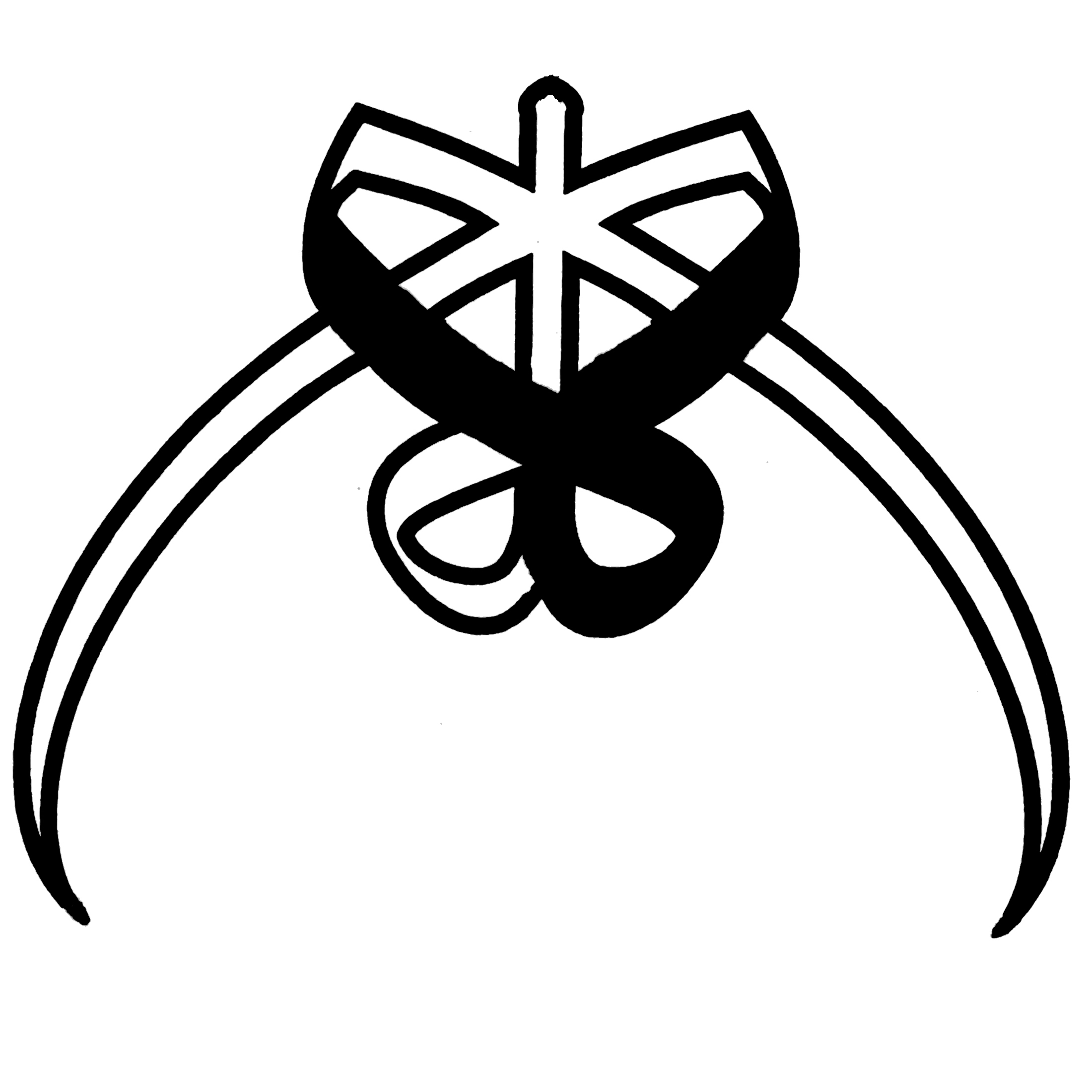
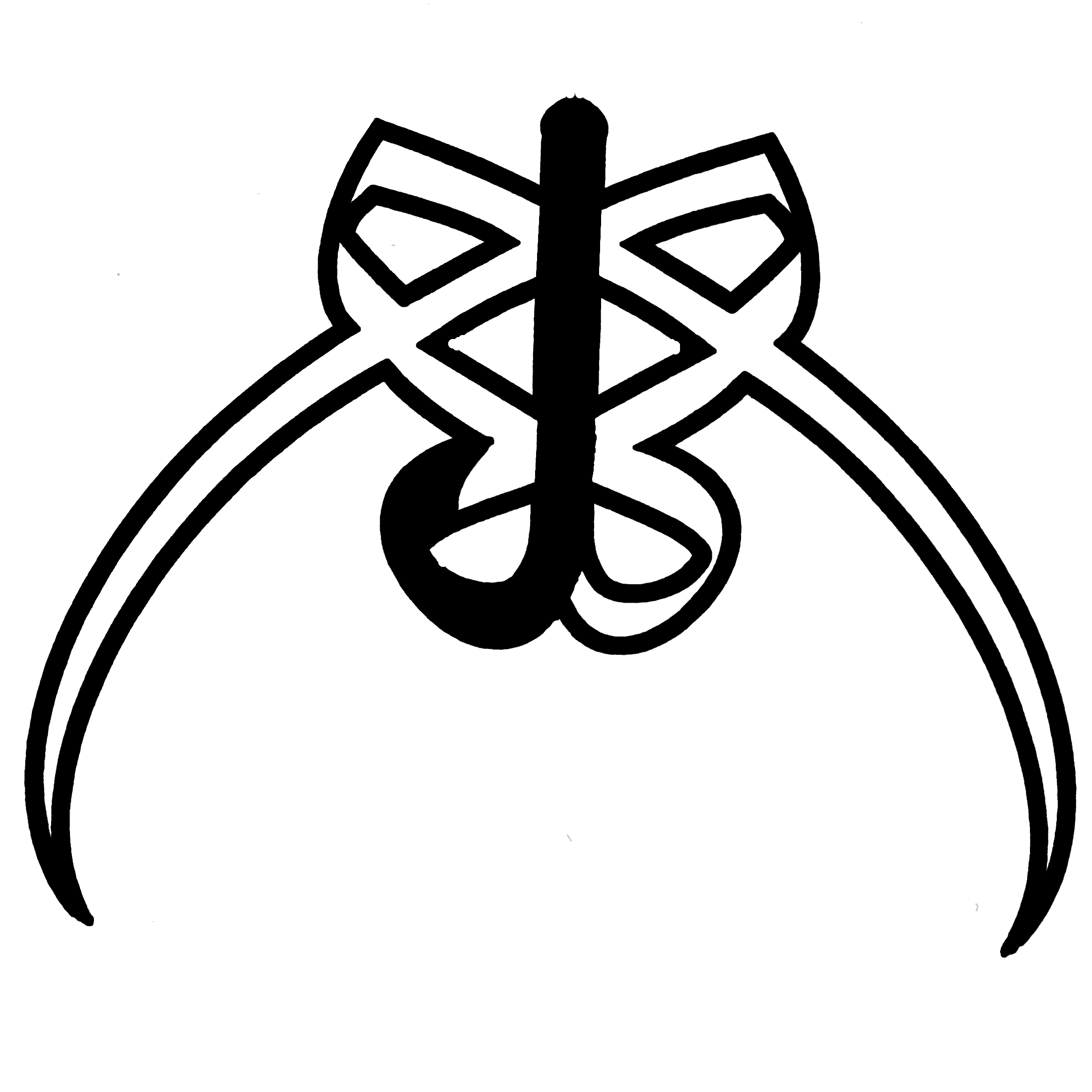
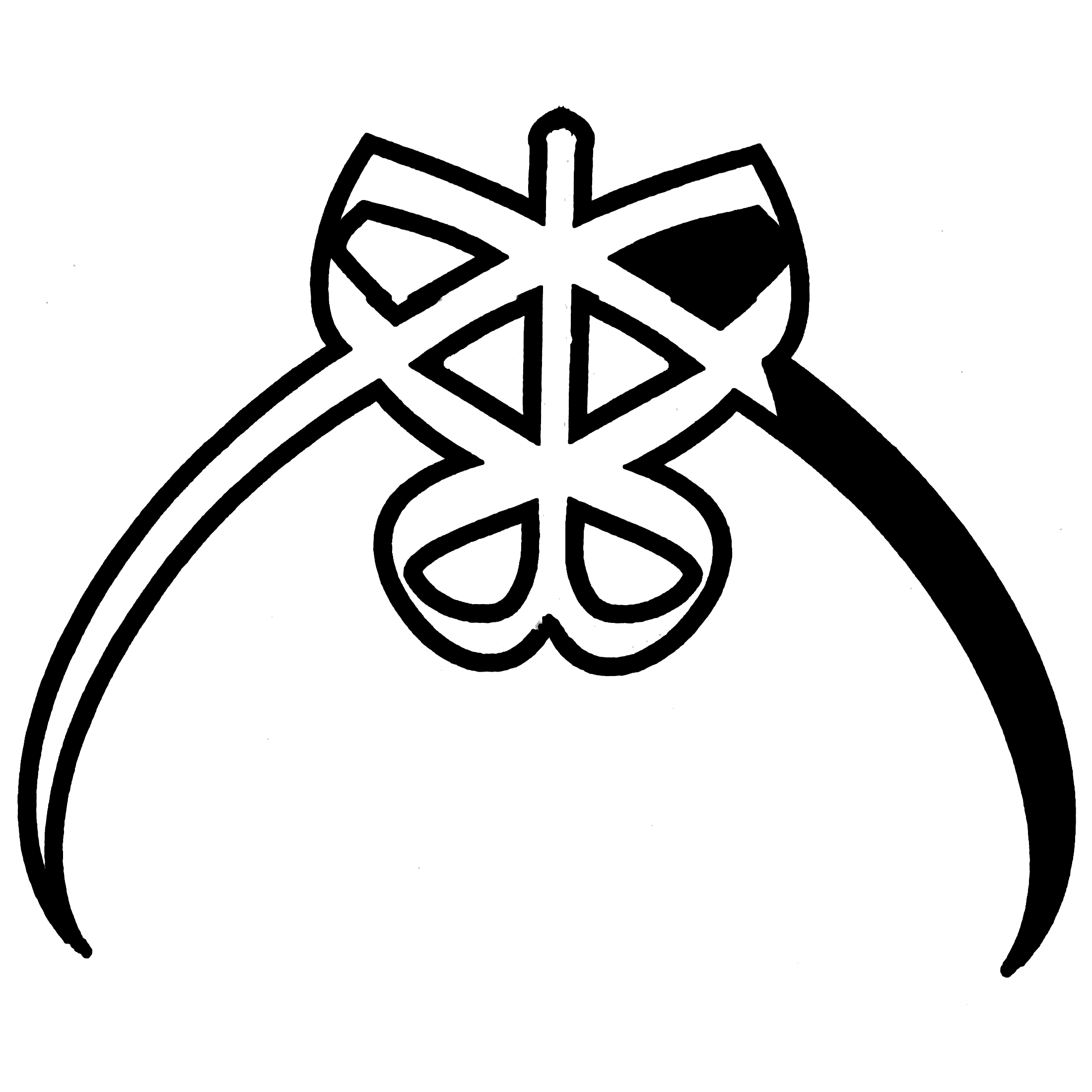
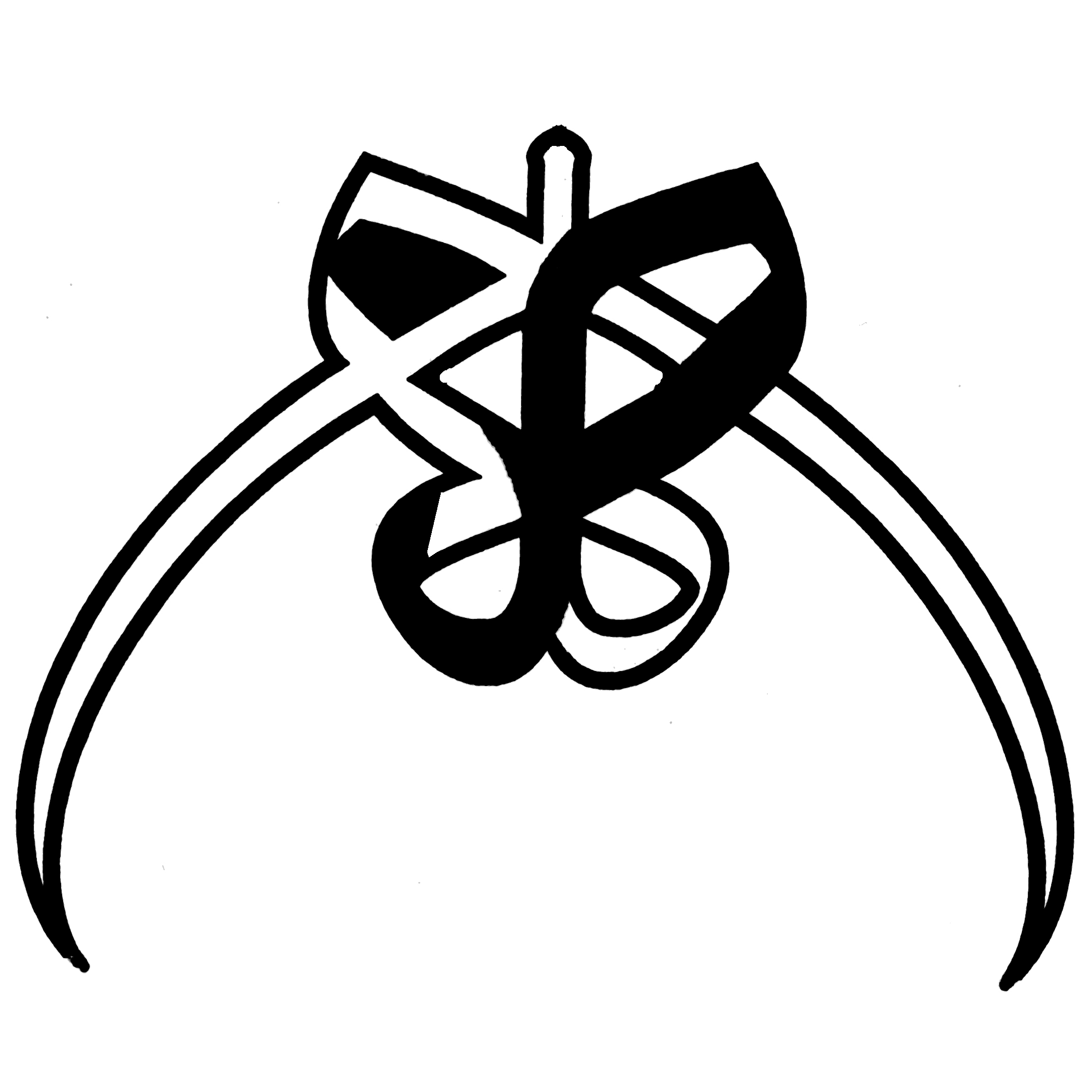
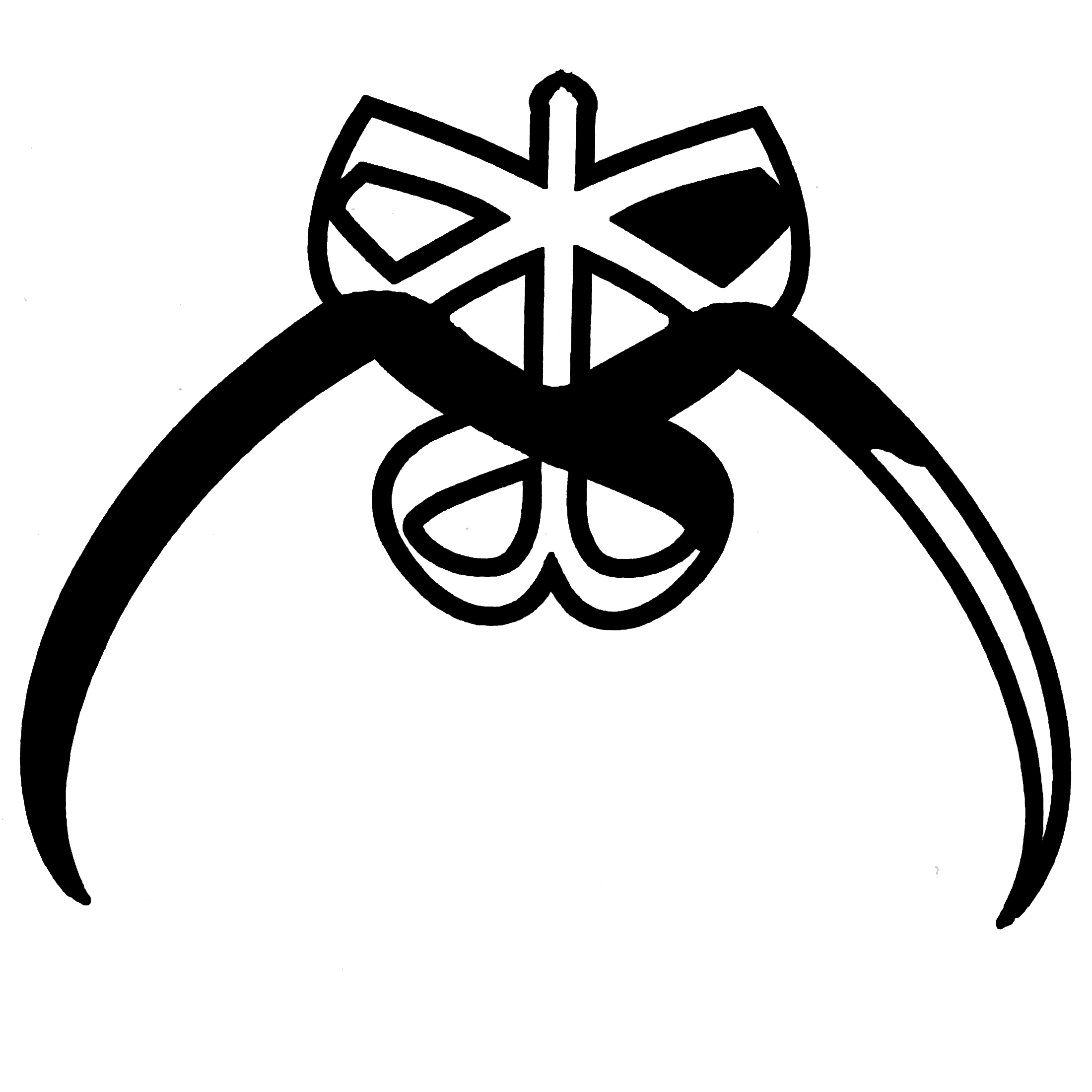
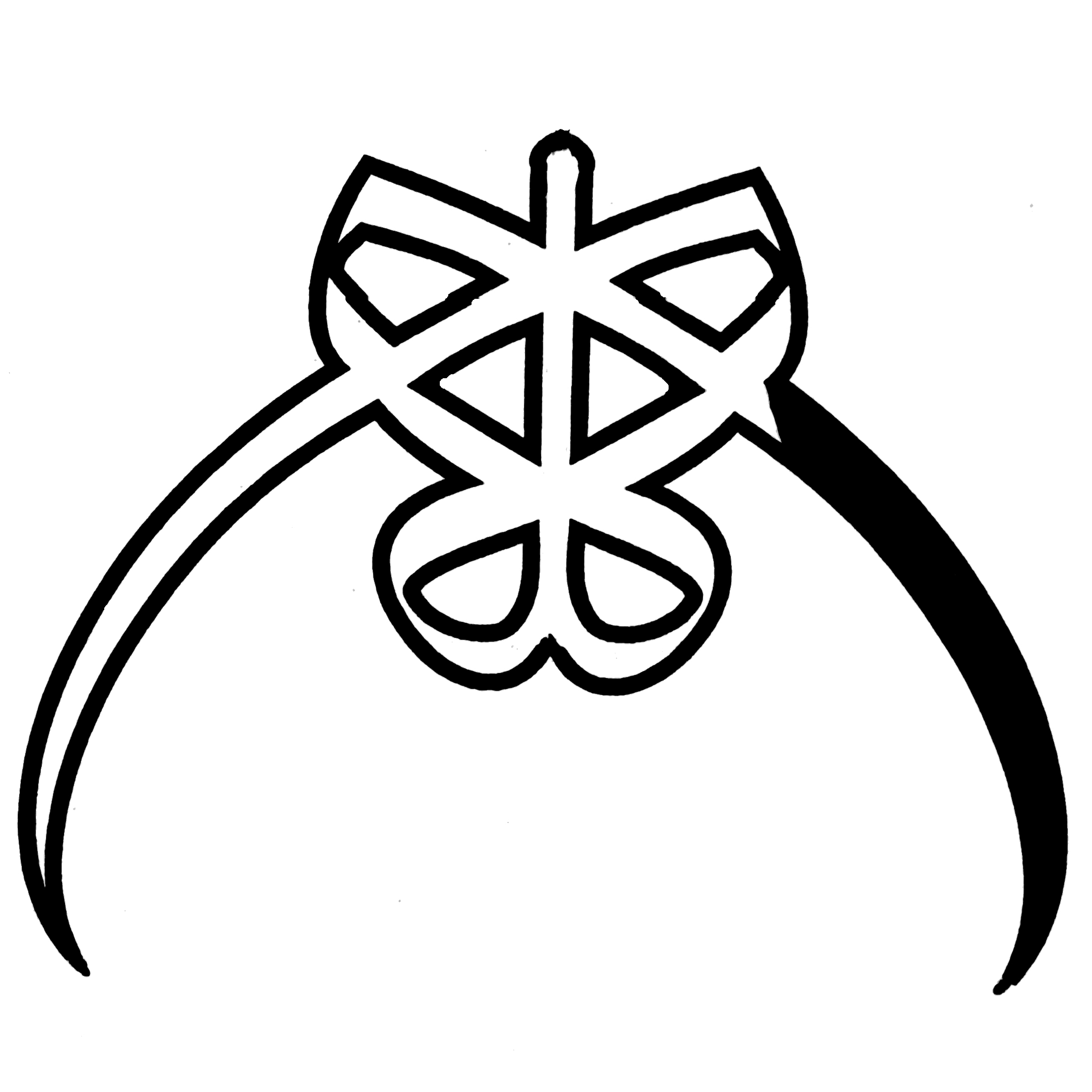
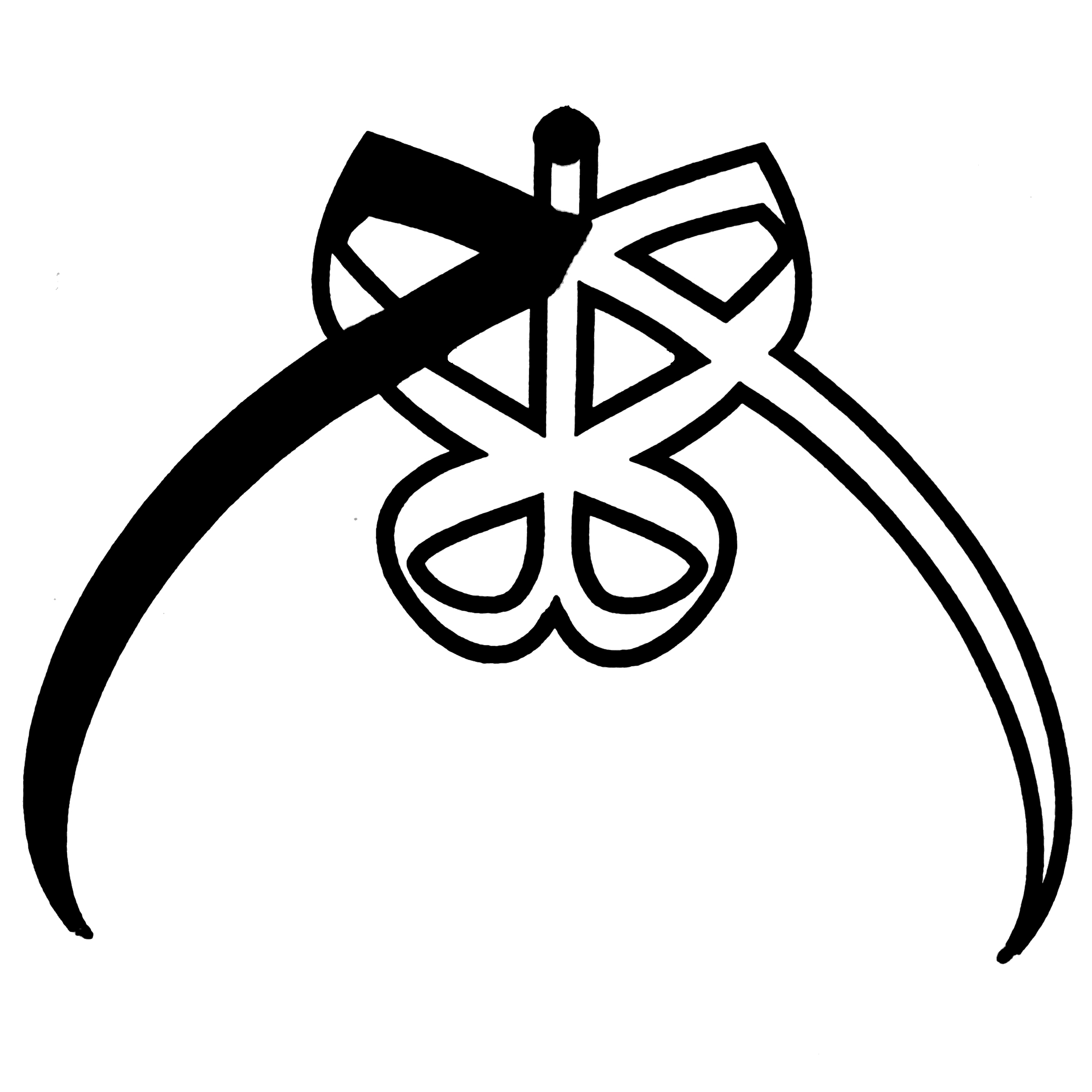
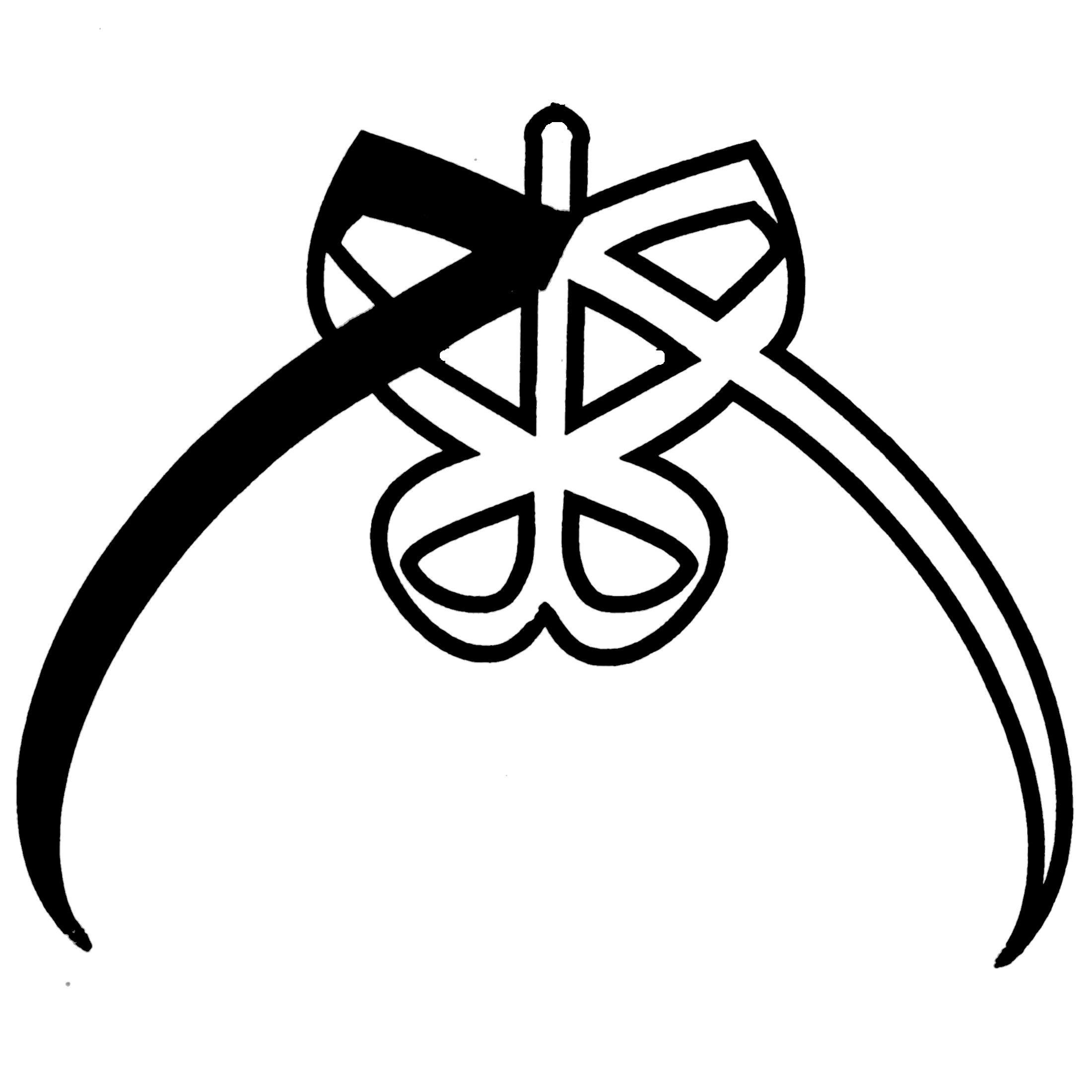
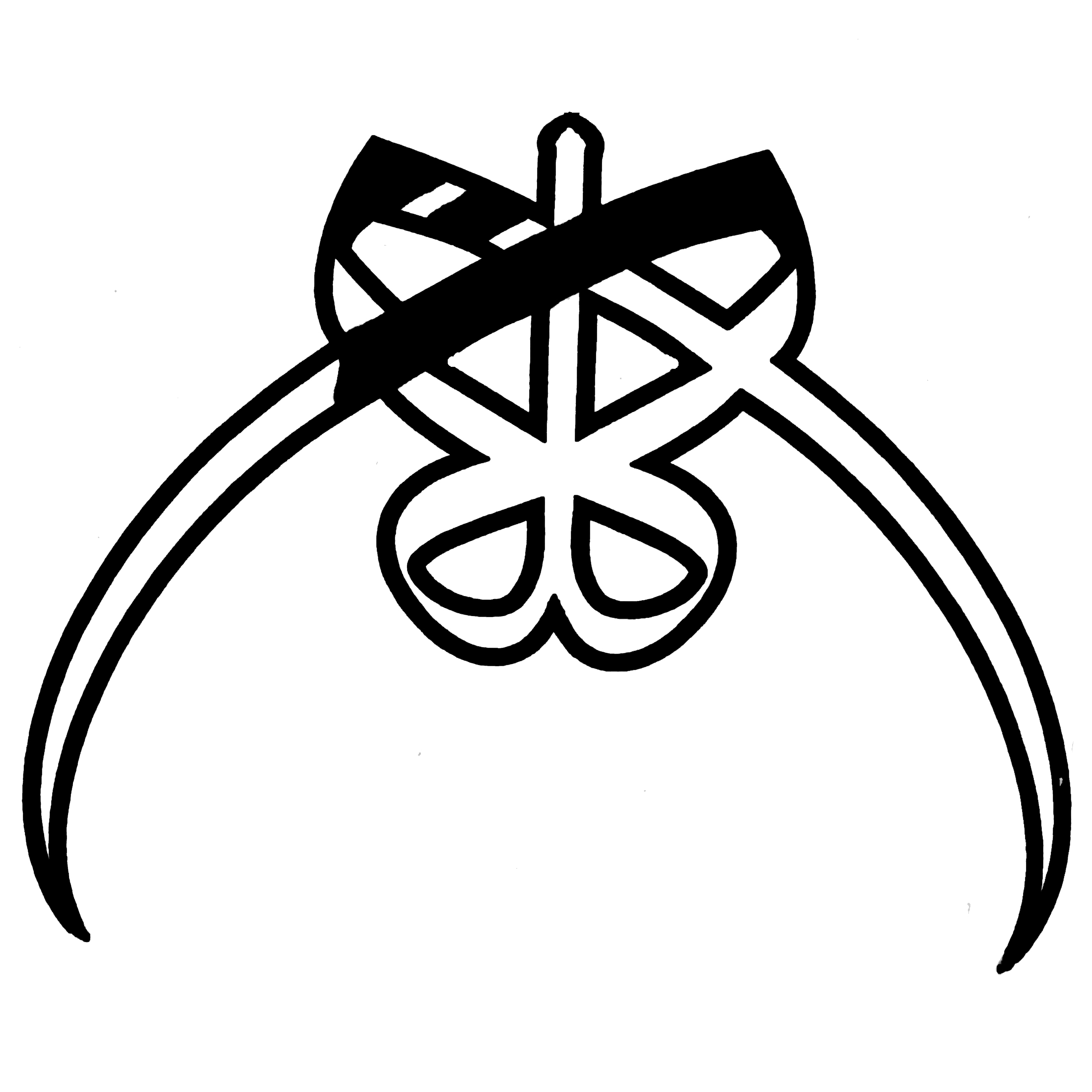
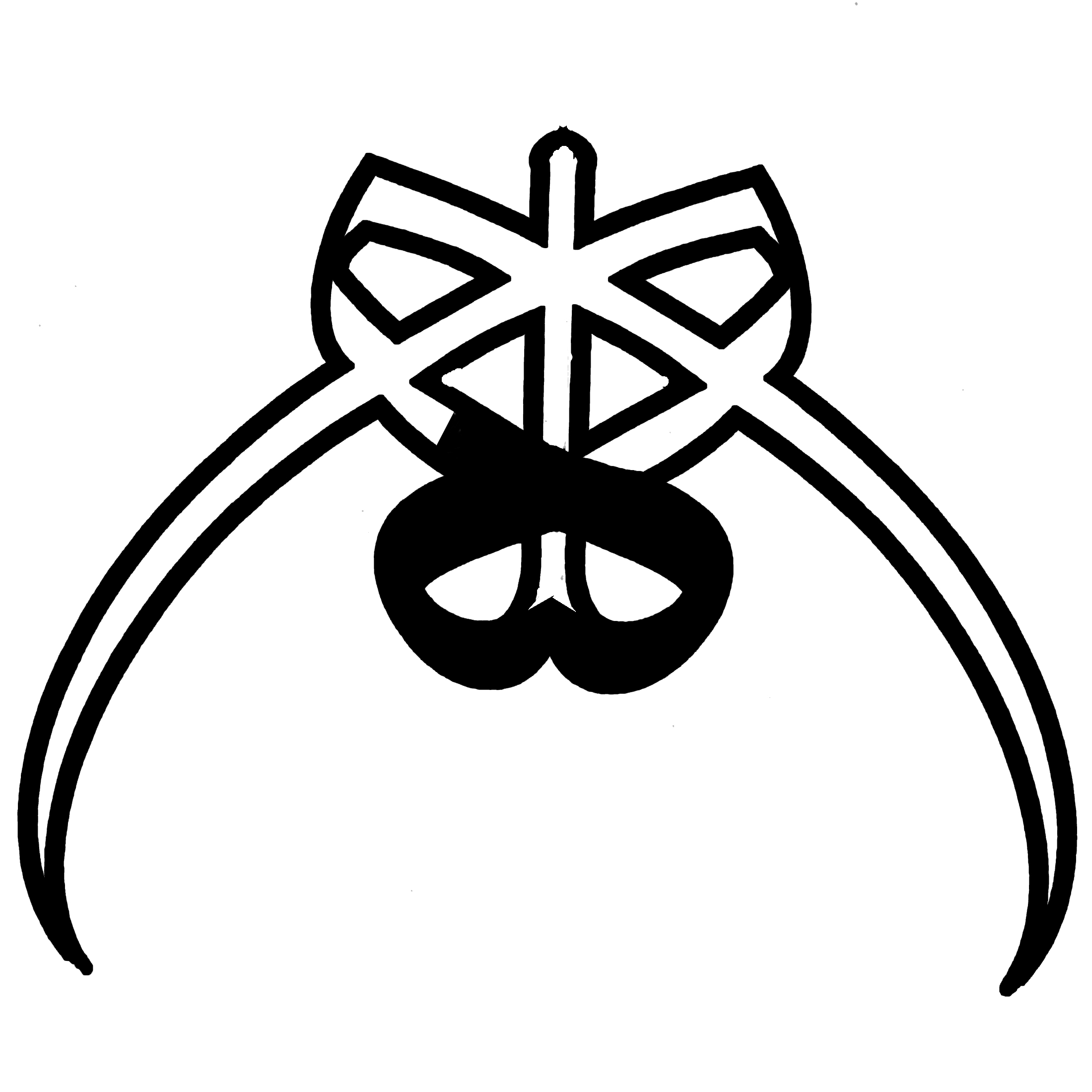
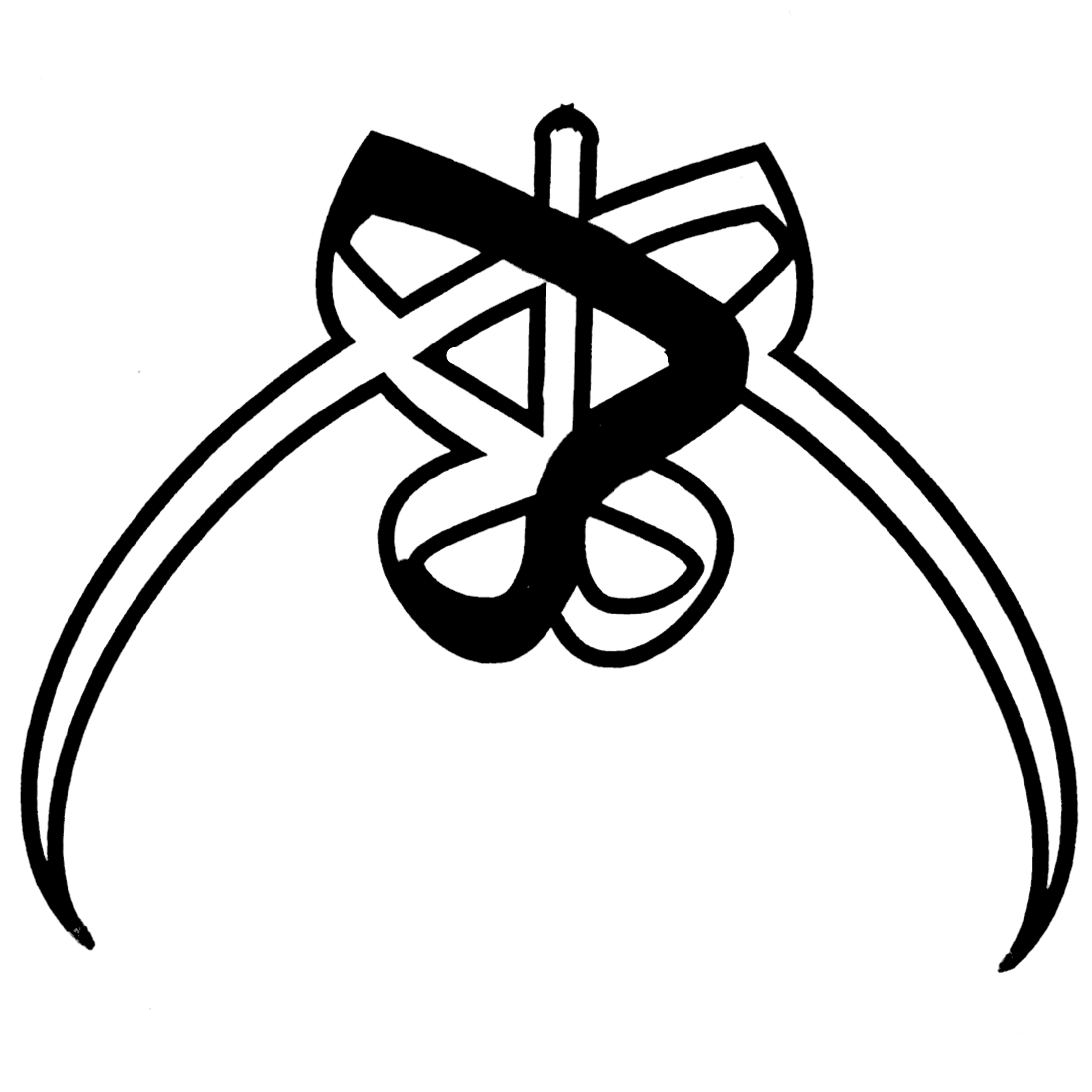
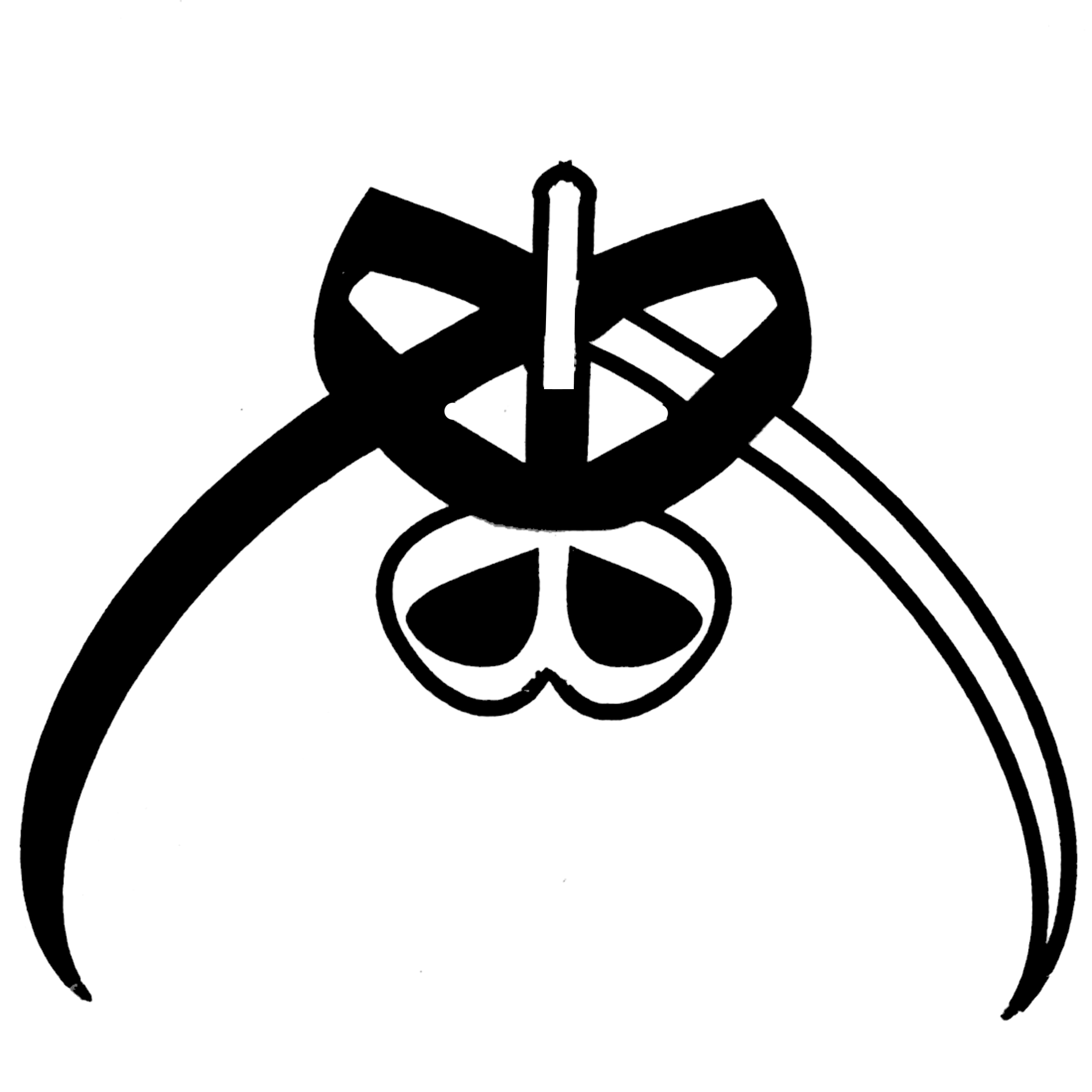
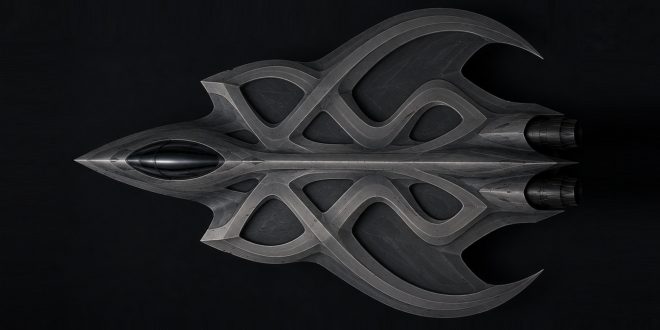
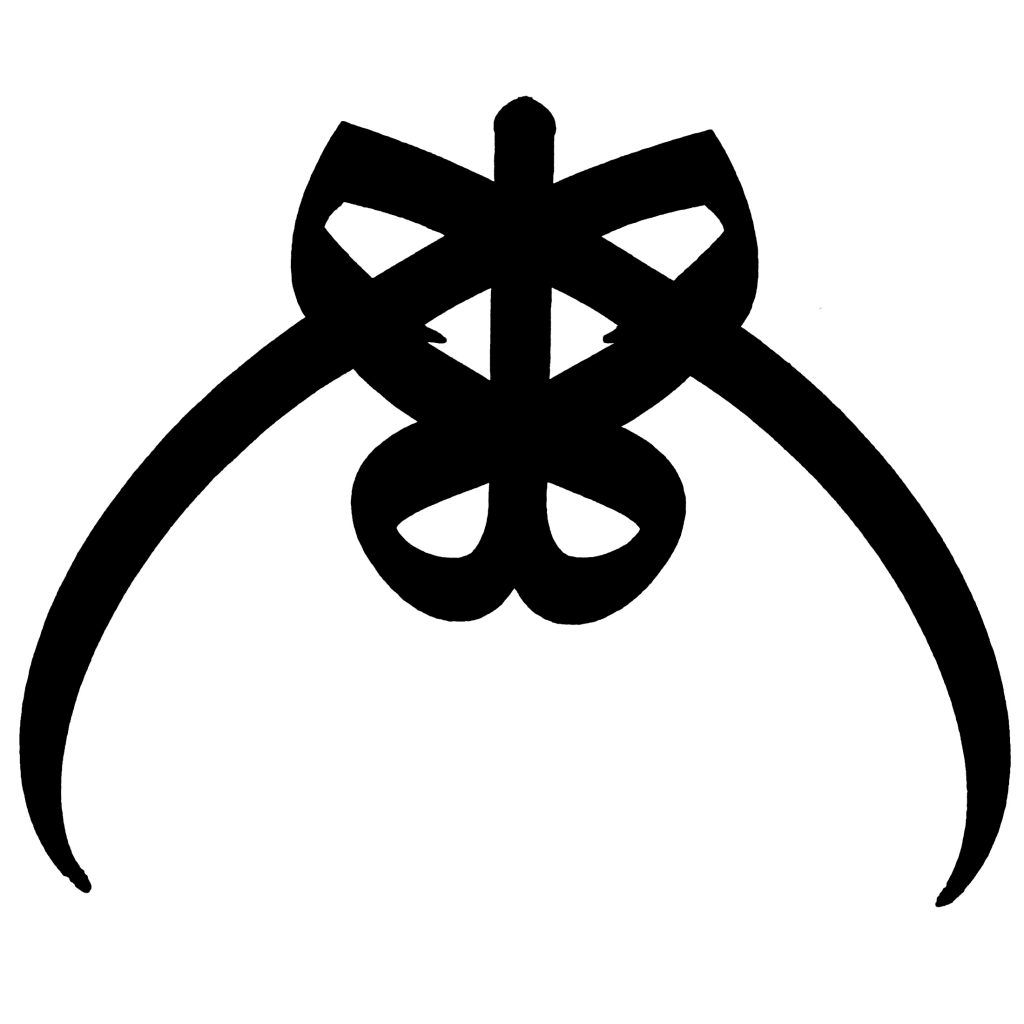
This paper introduces and analyzes an emblem derived from a geometric reinterpretation of the Divine Name “Allah.” In this design, the four constituent letters of the word are not treated as separate elements; rather, they are organized into a unified, continuous, and symmetrical system. The resulting structure preserves calligraphic legibility while simultaneously possessing the capacity to function as a formal language for graphic design, ornamental pattern-making, and even architectural design.
The aim of this study is to demonstrate how a calligraphic composition can transcend the level of a graphic mark and evolve into a generative geometry—a geometry in which meaning, form, and structure merge into a single system capable of expanding into diverse visual and spatial domains.
Introduction
In the tradition of Islamic calligraphy, letters are more than mere instruments of communication. Each letter possesses its own visual character, internal rhythm, and symbolic potential. Consequently, Muslim artists throughout history have sought to establish a harmonious relationship between meaning, form, and geometry.
Within Islamic art, geometry functions not merely as a decorative language but as an organizational framework for the production of visual order. Its influence can be observed throughout architecture, epigraphy, and ornamental surface design.
The present work is not intended simply as a new rendering of the Divine Name. Rather, it seeks to reinterpret the four letters—Alif, Lam, Lam, and Ha—within a unified and symmetrical structure, producing a composition that simultaneously operates as a word, a symbol, and an autonomous geometric system.
The project attempts to move beyond the conventional boundaries of calligraphy, transforming the Divine Name from a written word into a formal language capable of operating at multiple scales, from graphic identity and ornamental design to architecture and urban space.
In this approach, the objective is not the creation of a logo in the conventional sense, but the extraction of a foundational geometry whose components derive entirely from the internal structure of the Divine Name while retaining the capacity to expand into broader artistic and architectural applications.
Overall Structure of the Emblem
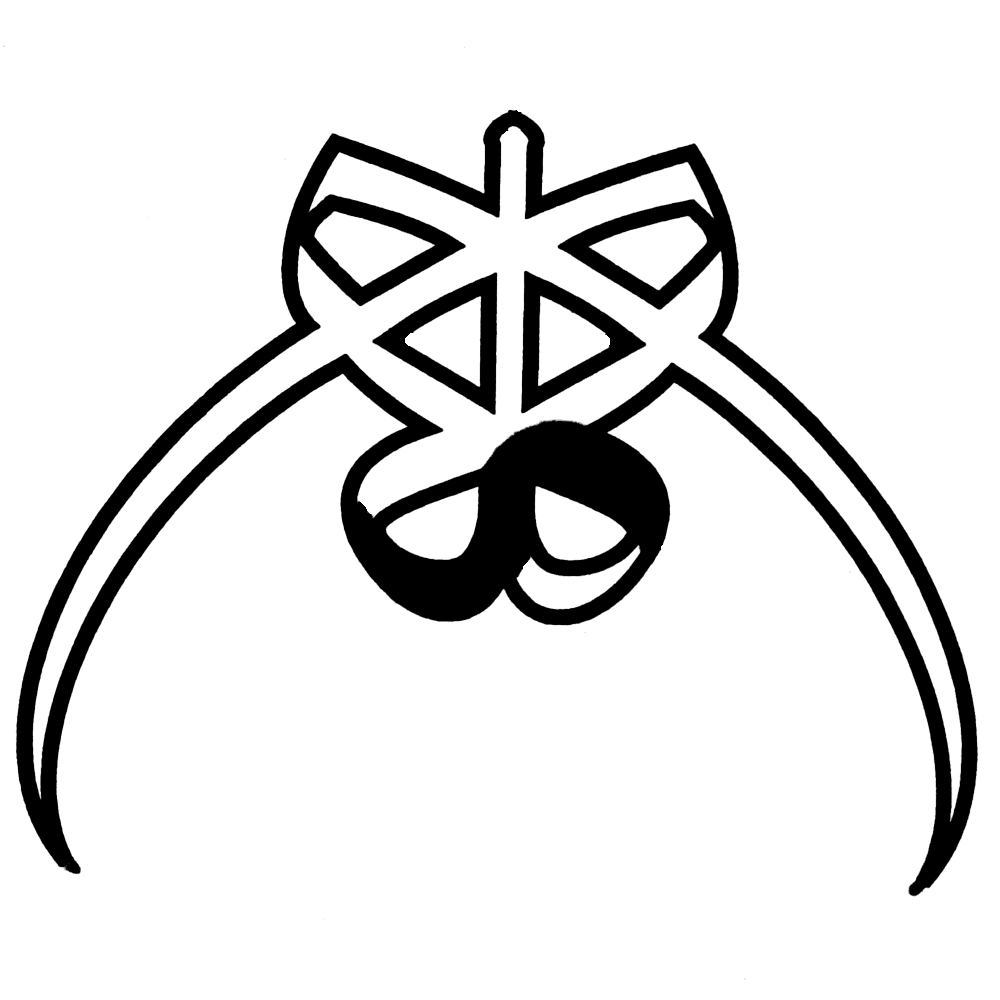
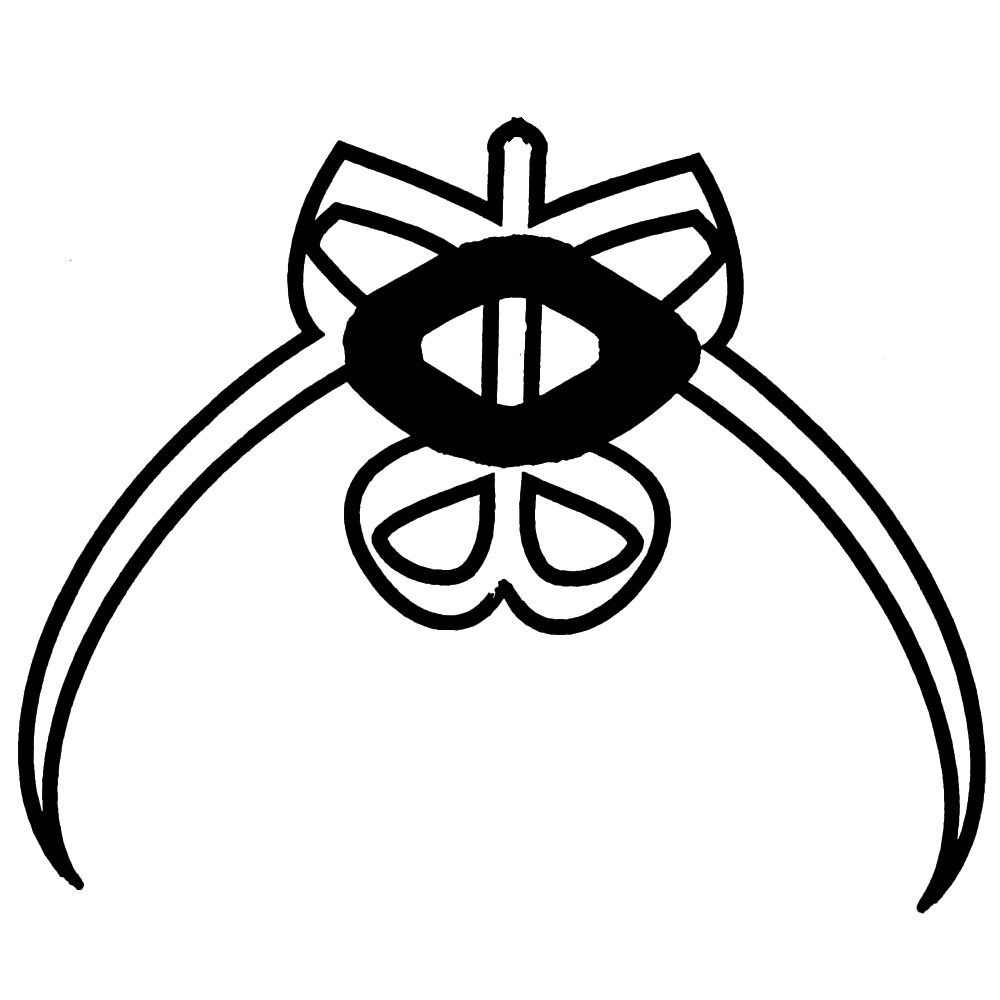
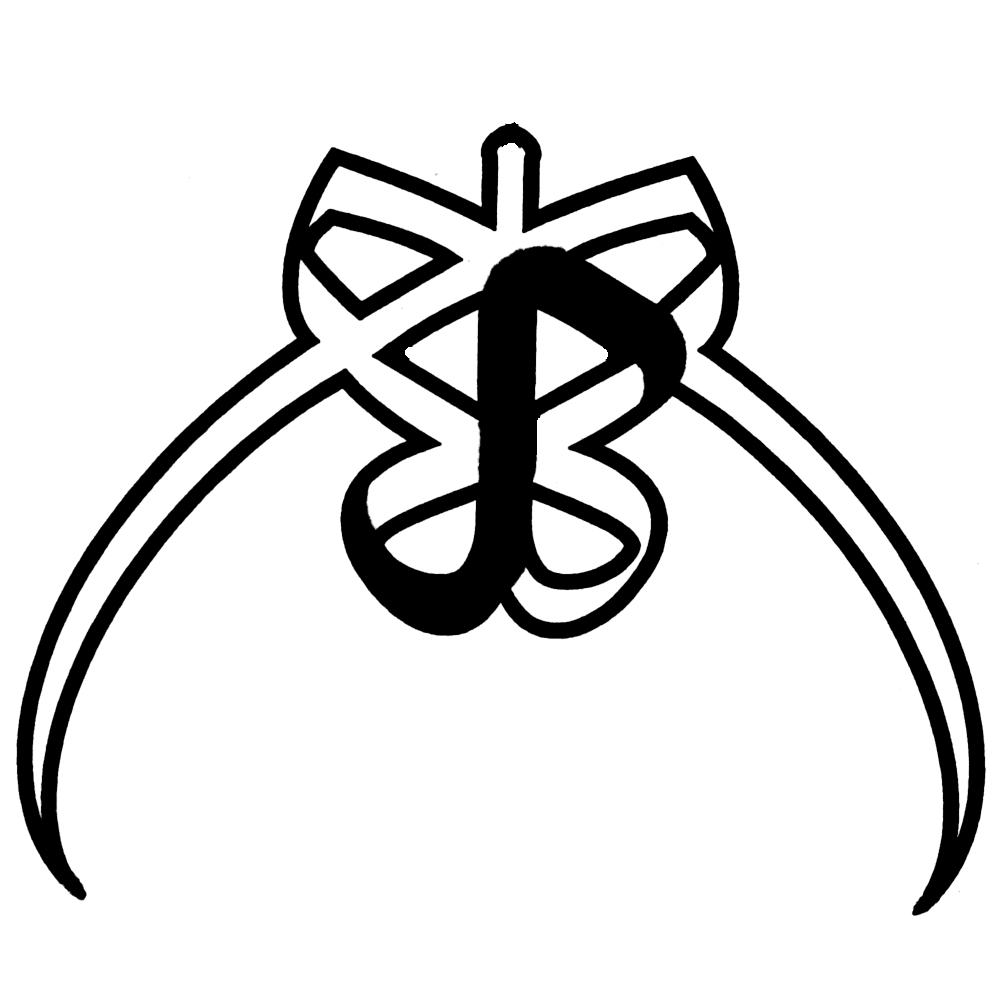
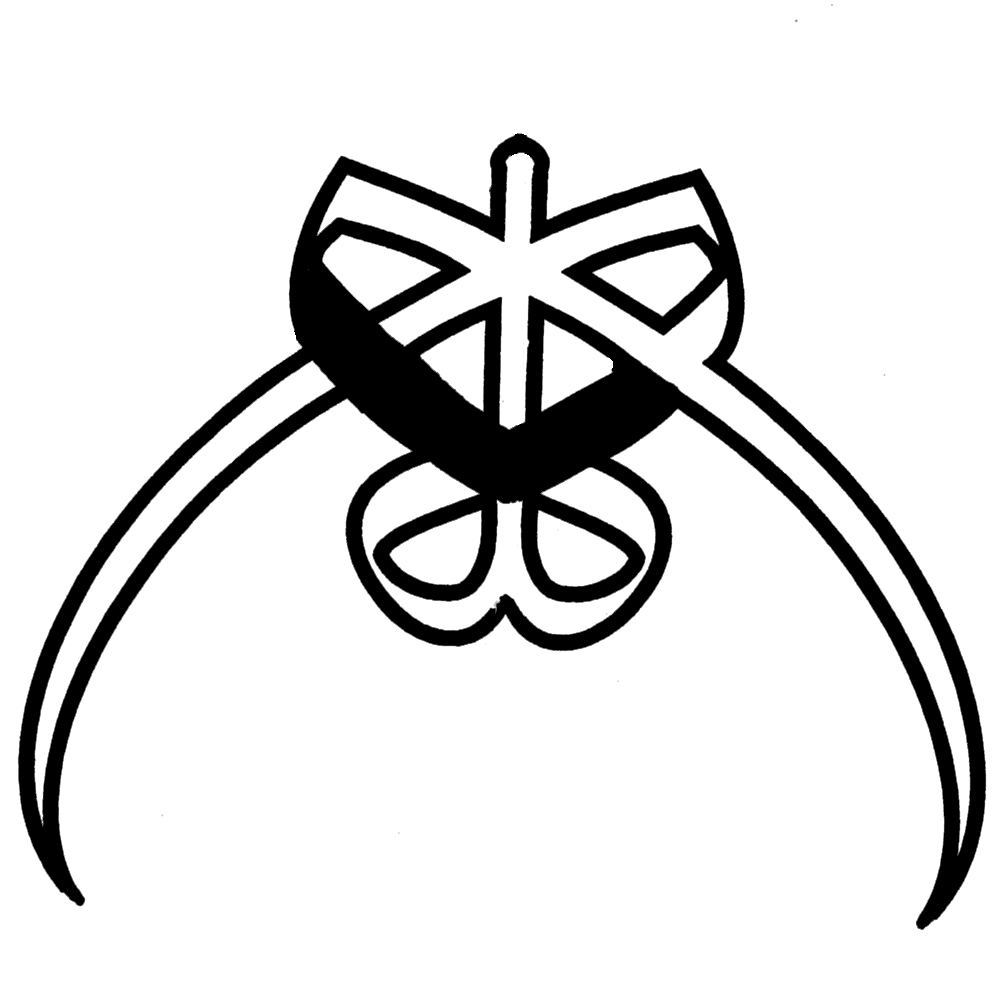
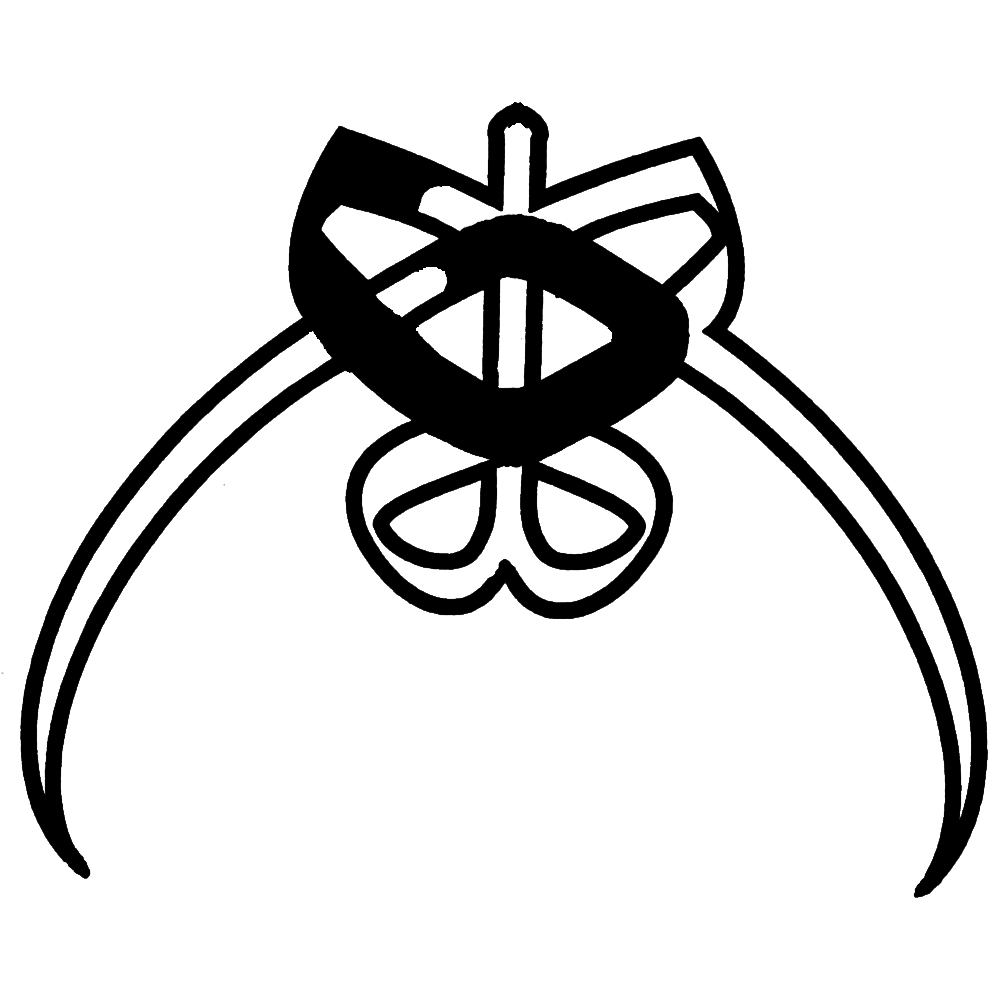
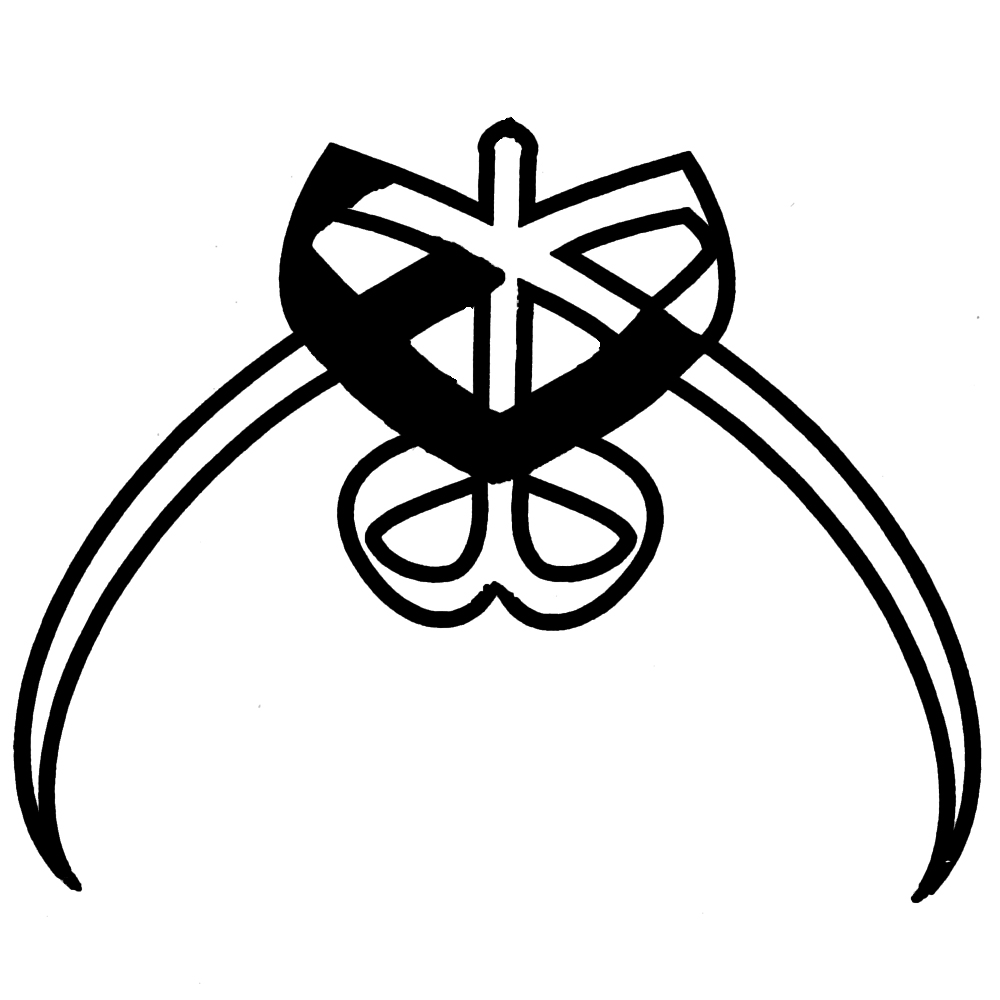
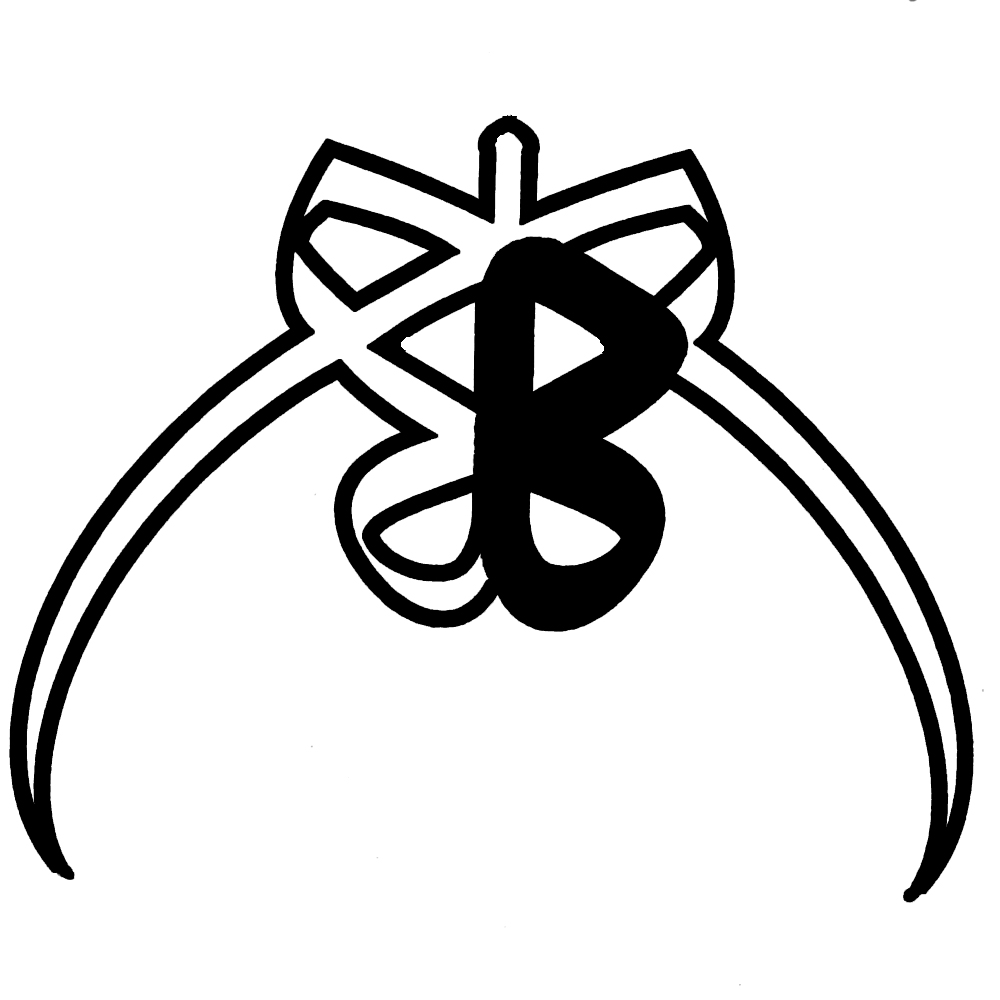
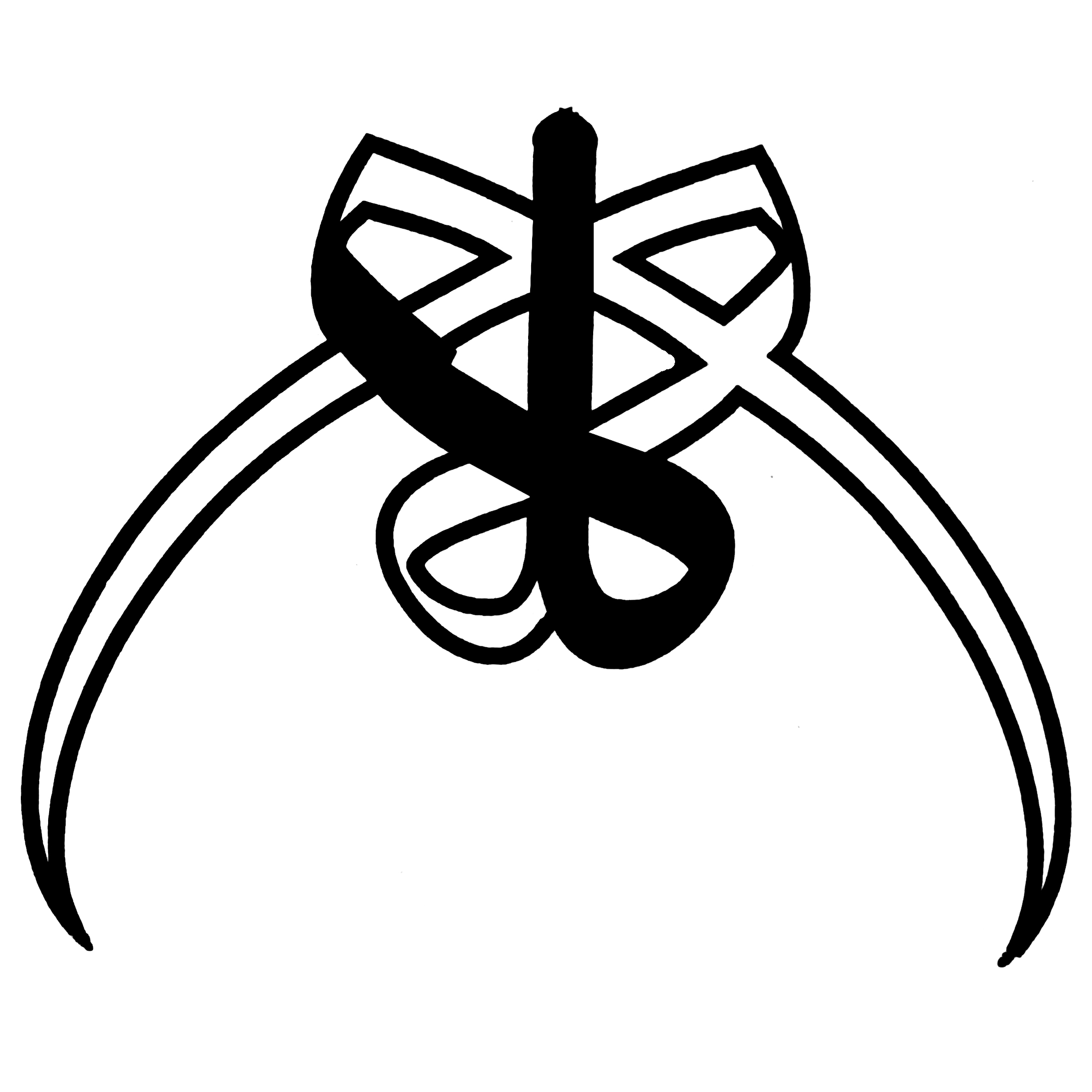
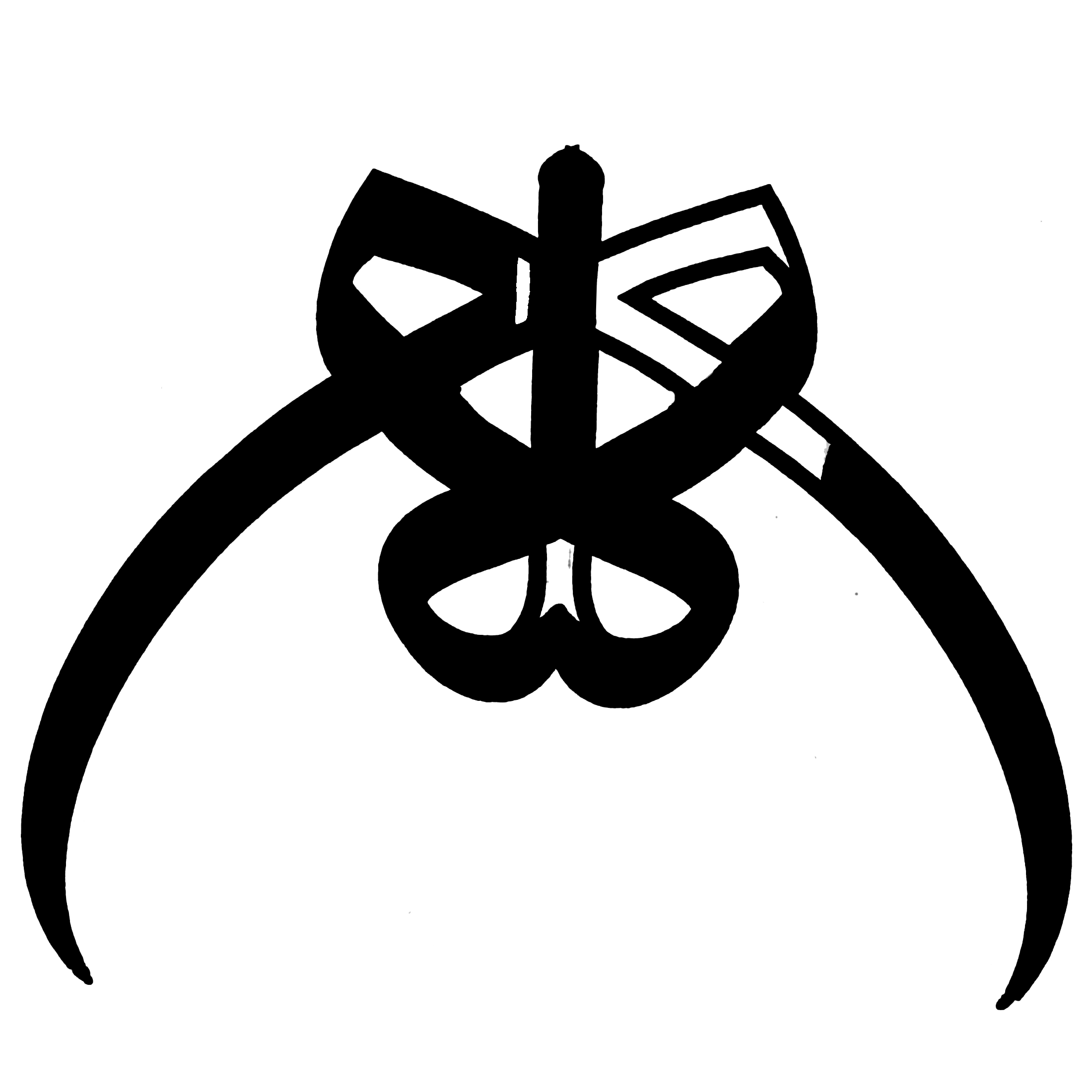
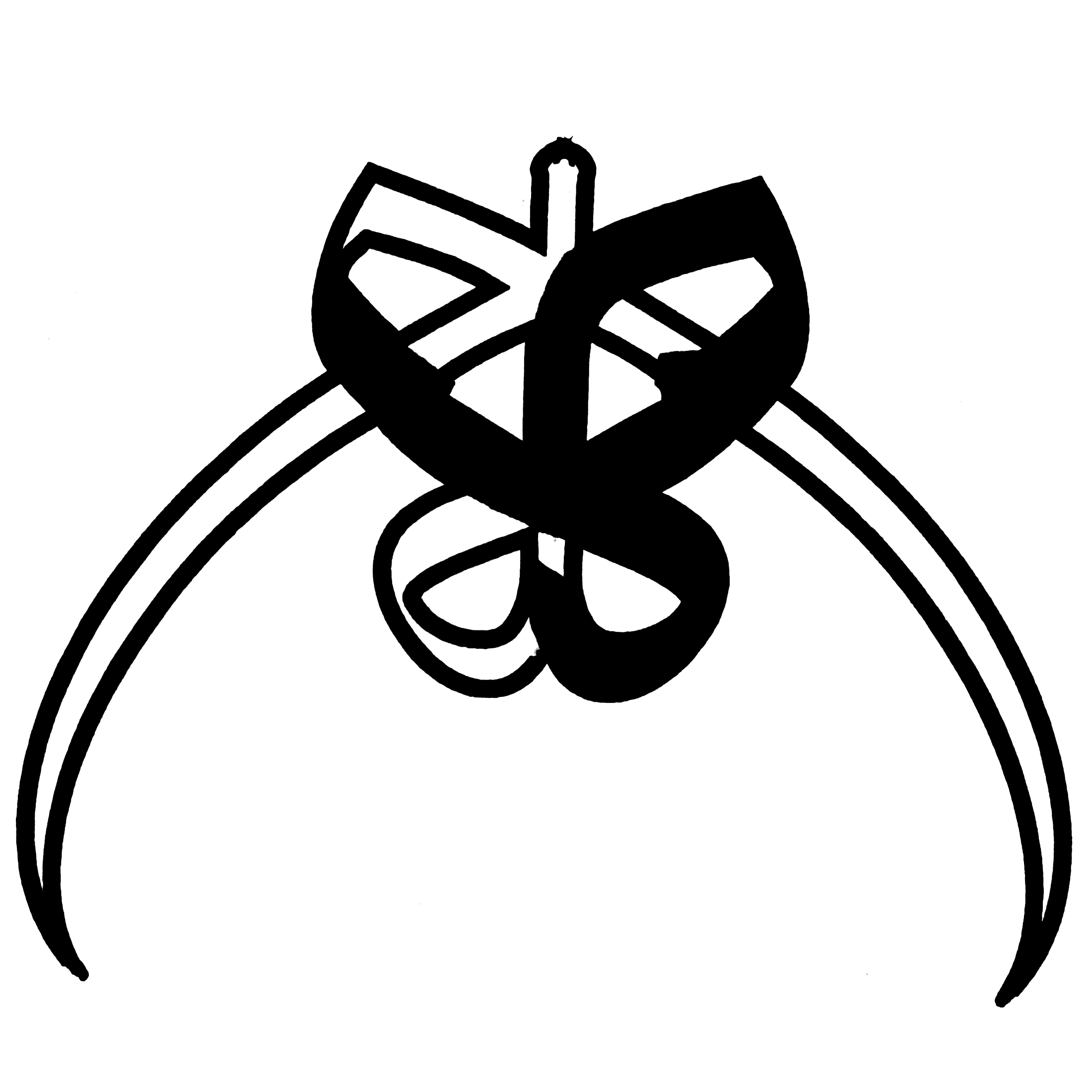
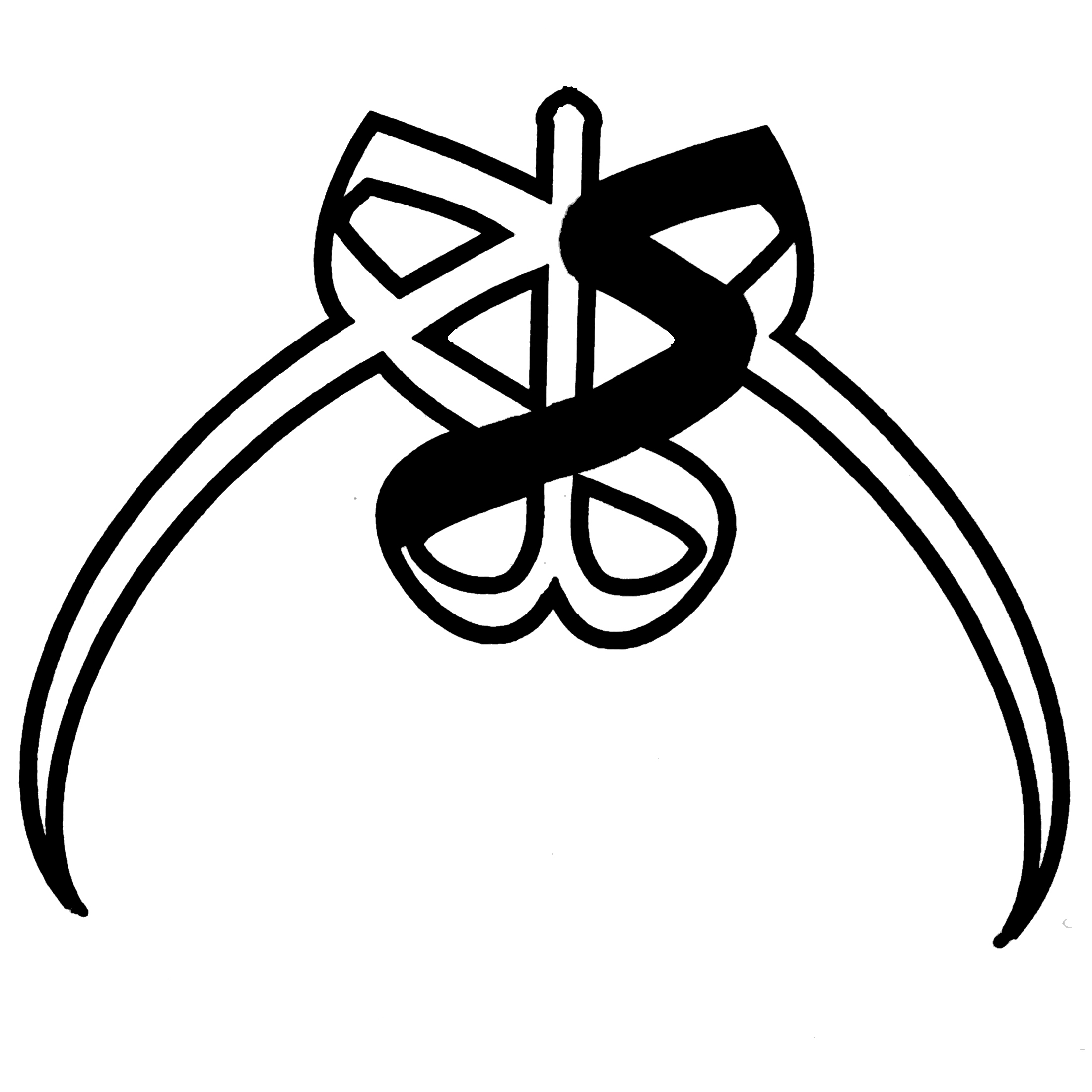
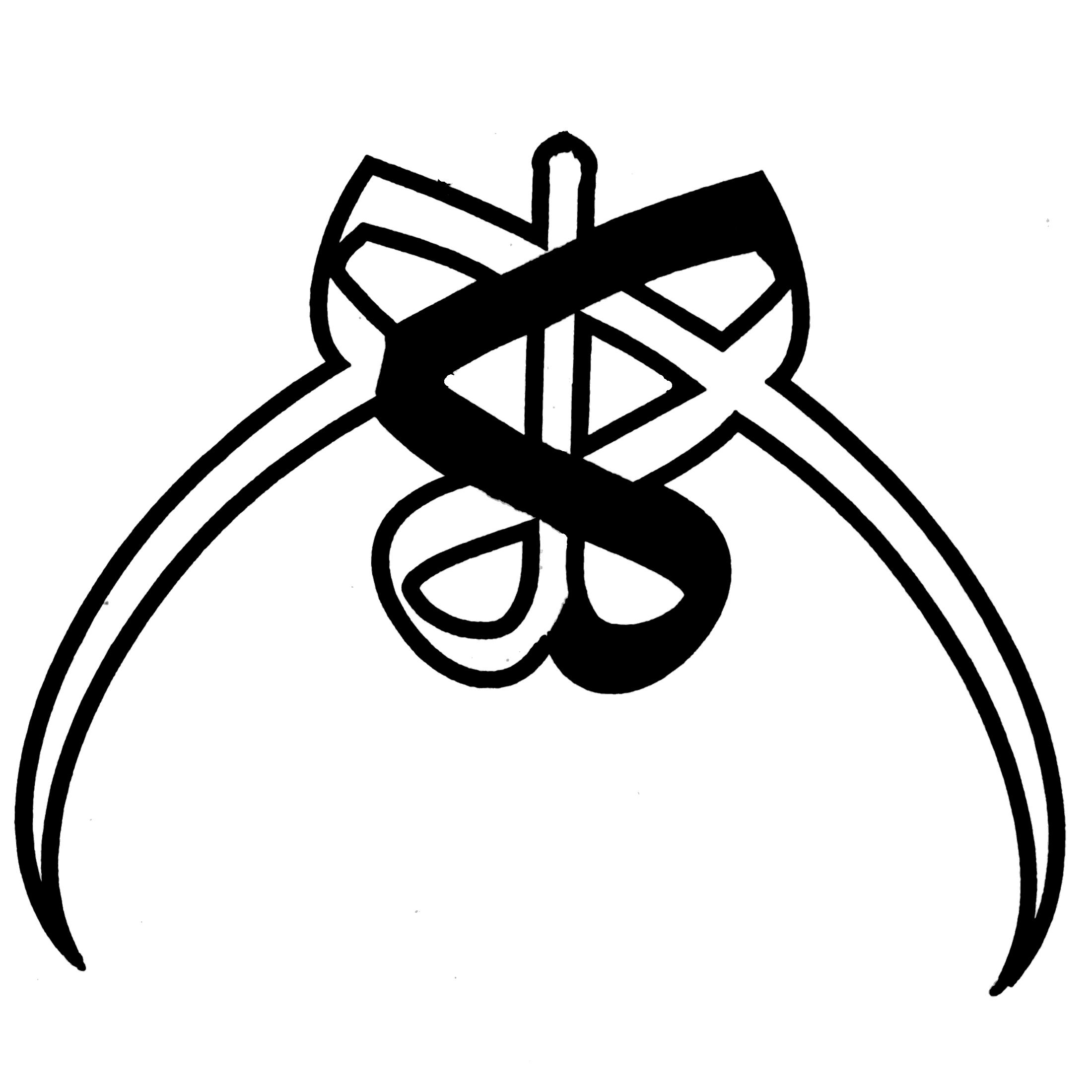
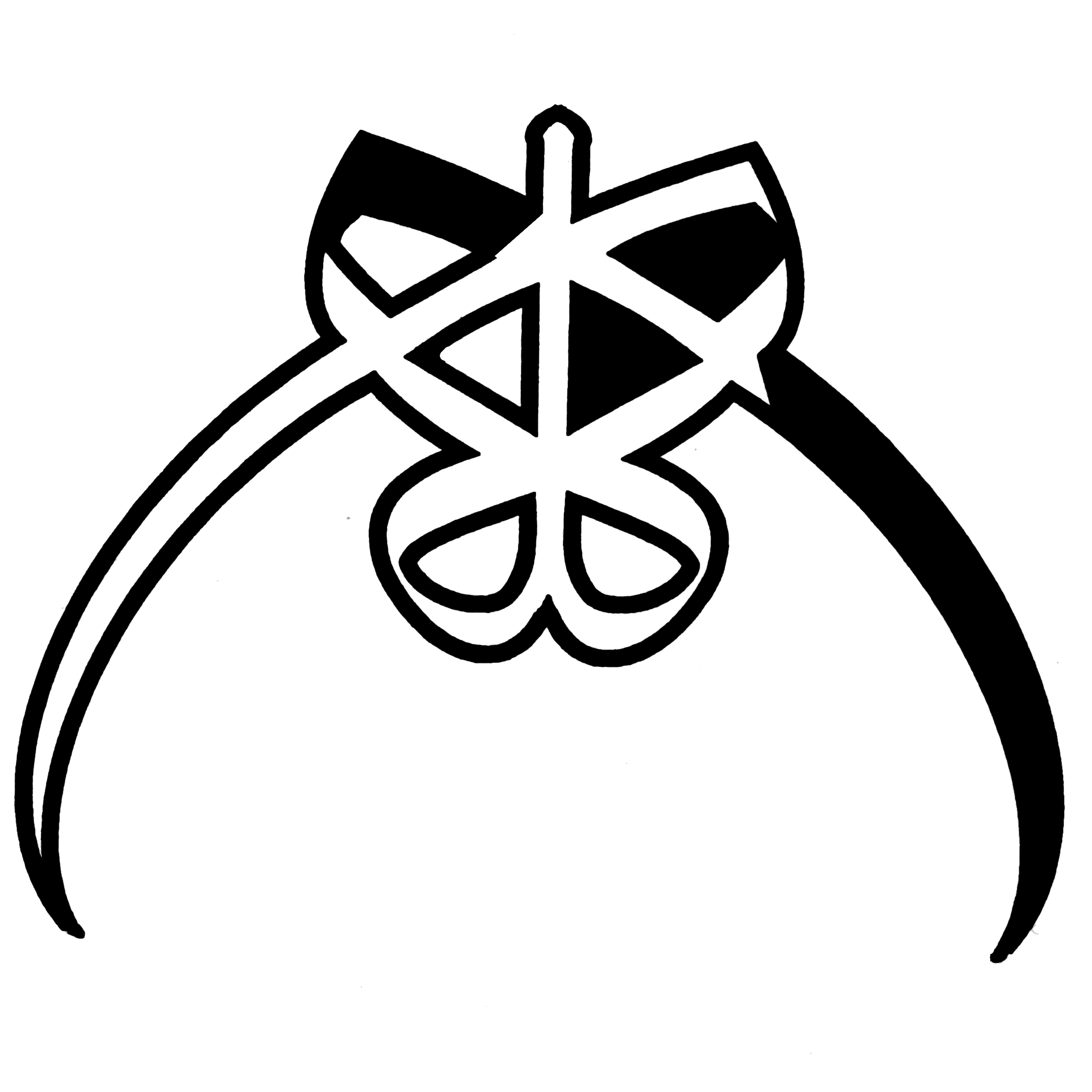
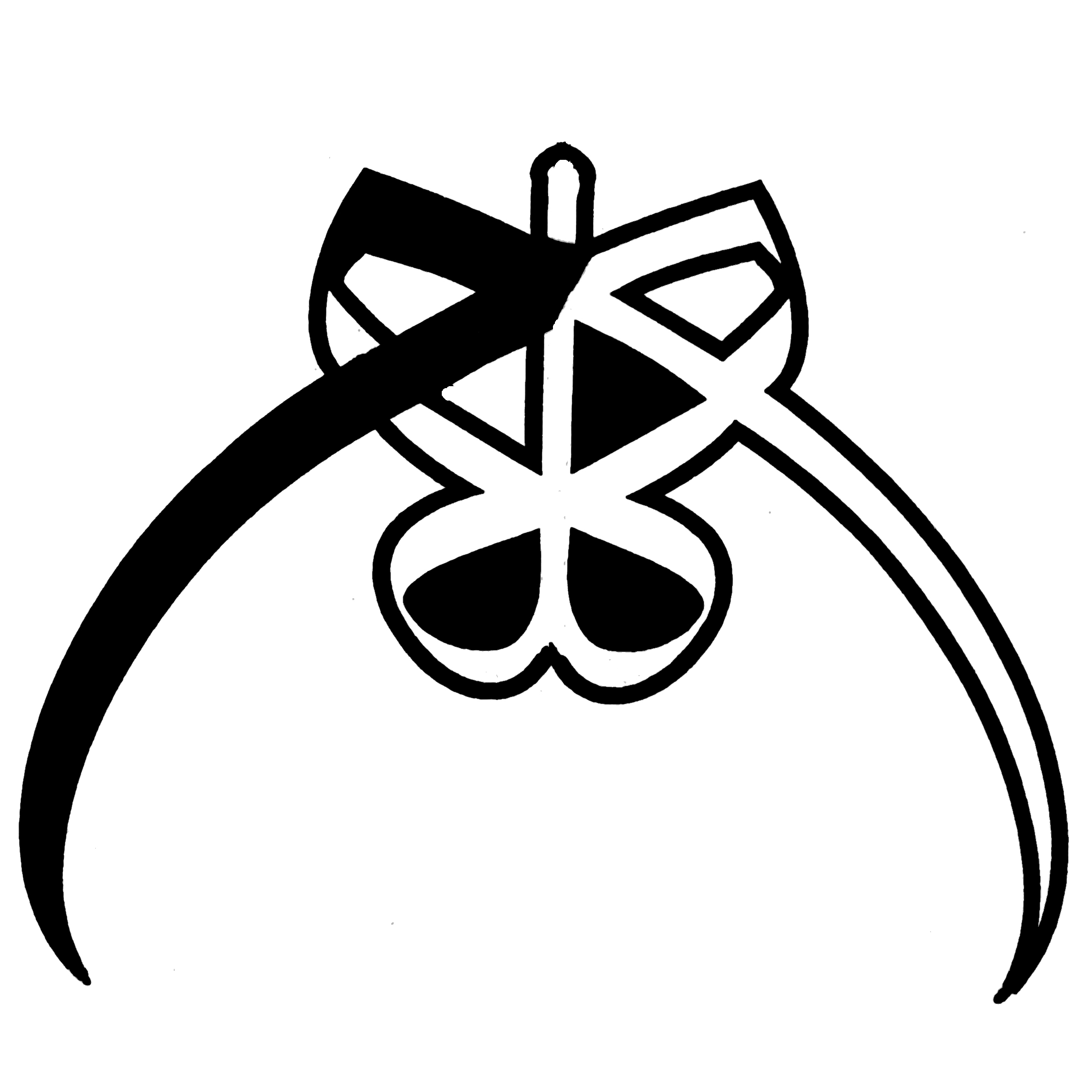
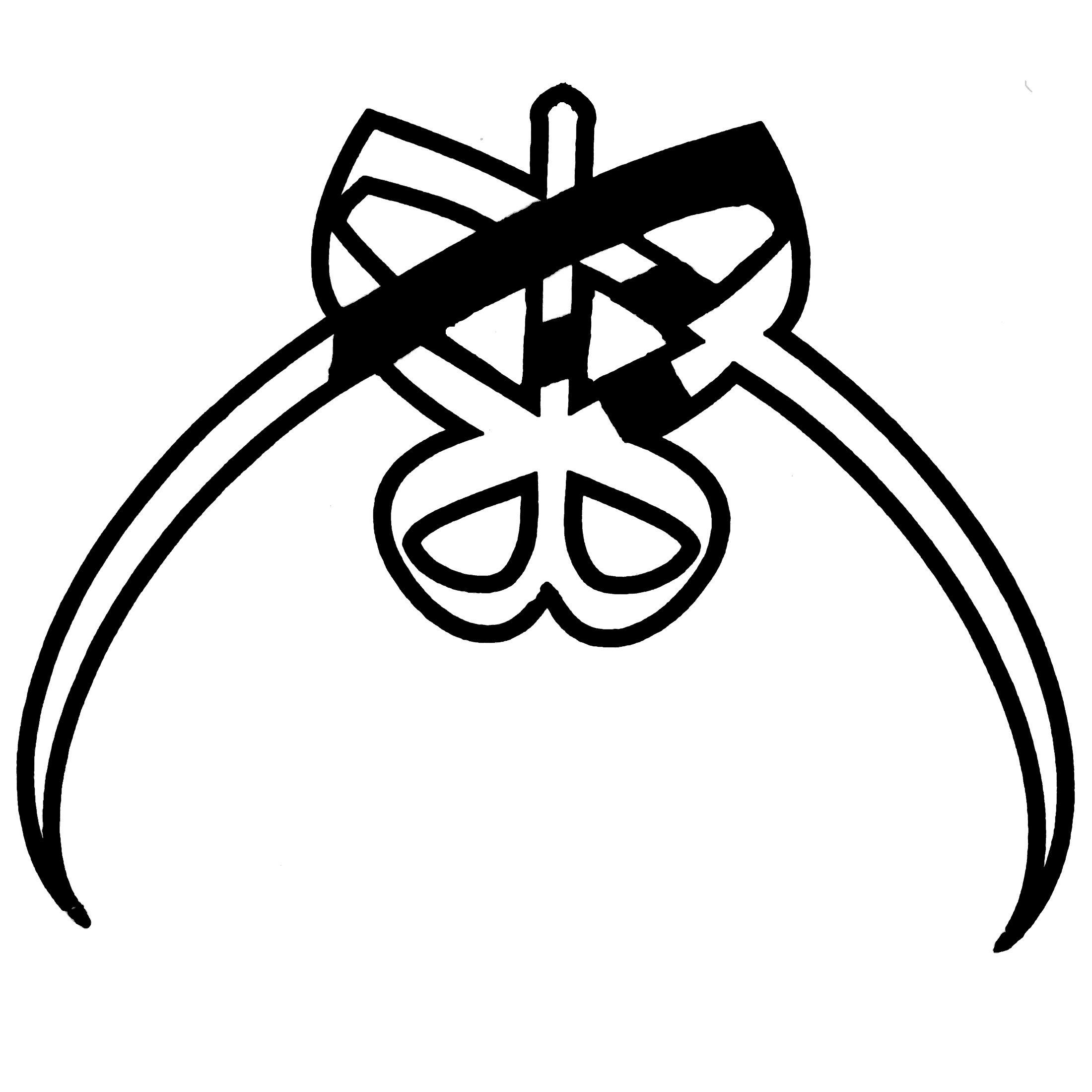
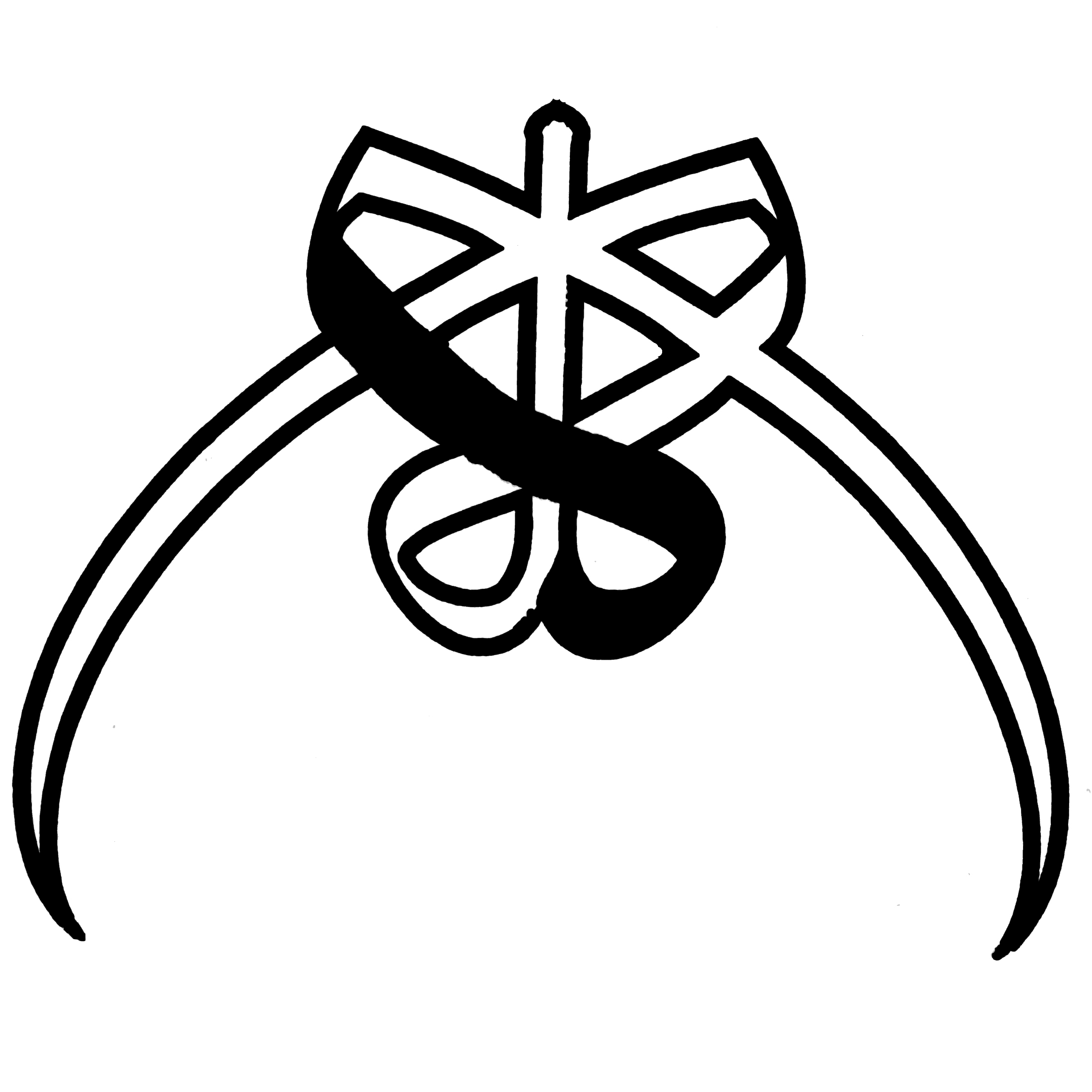
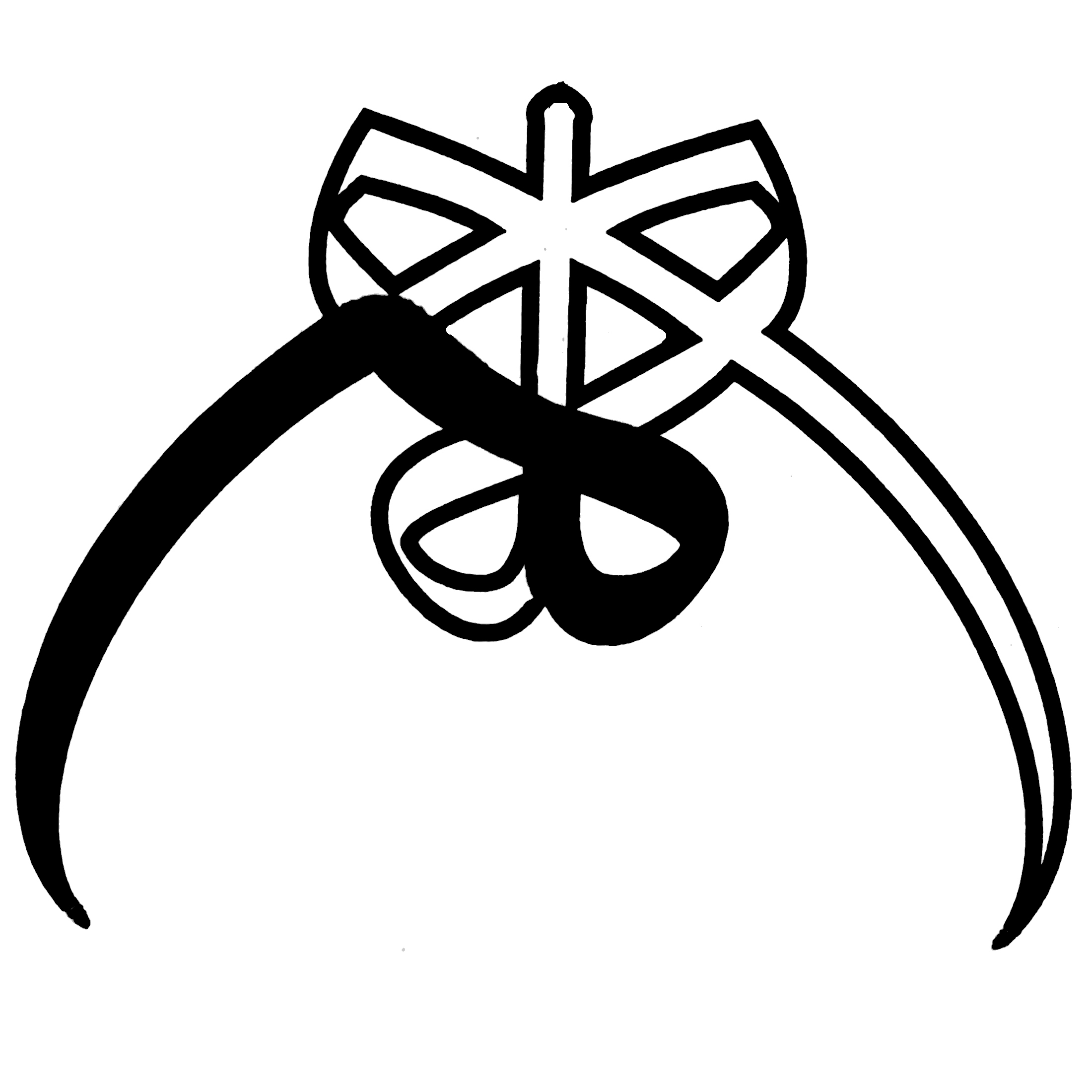
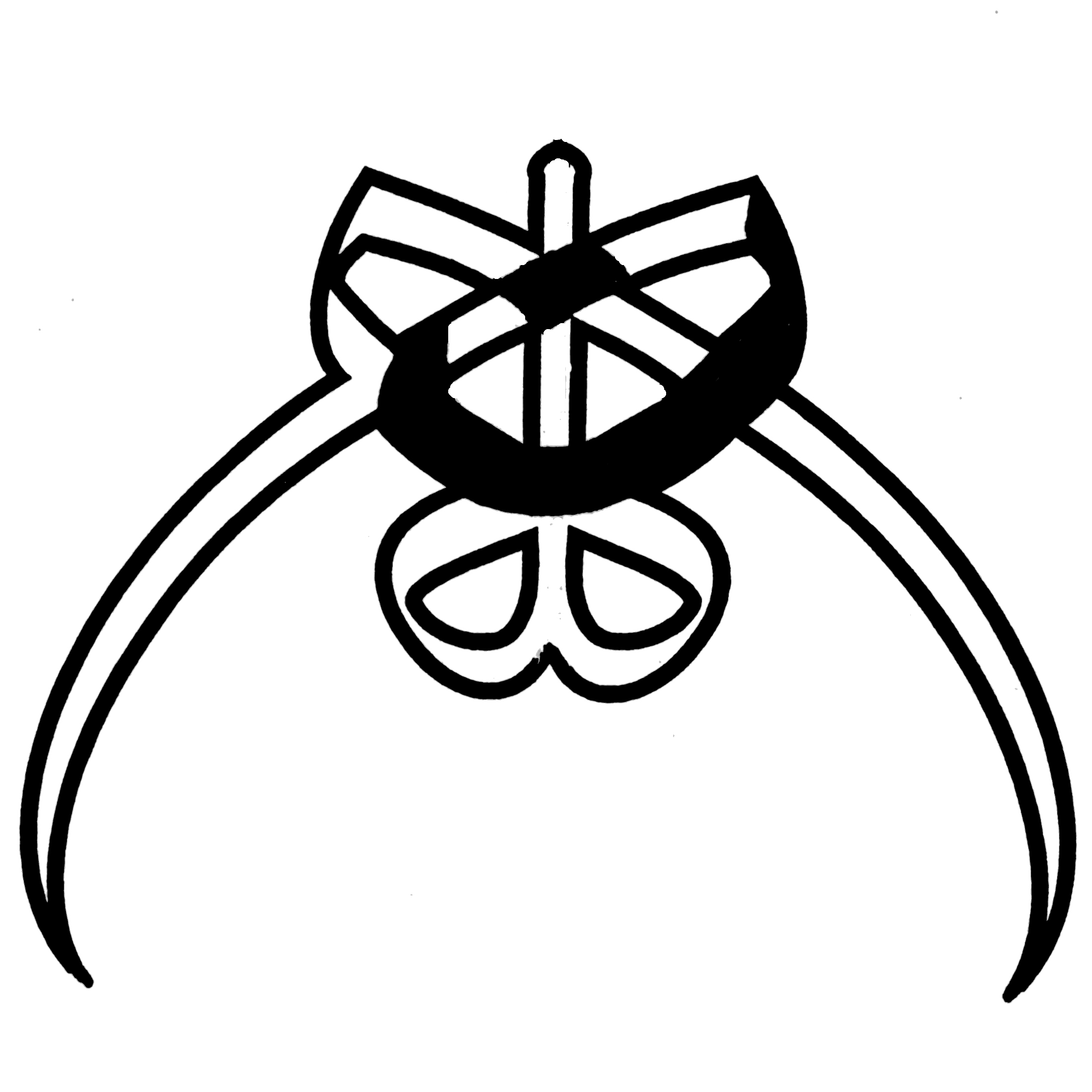
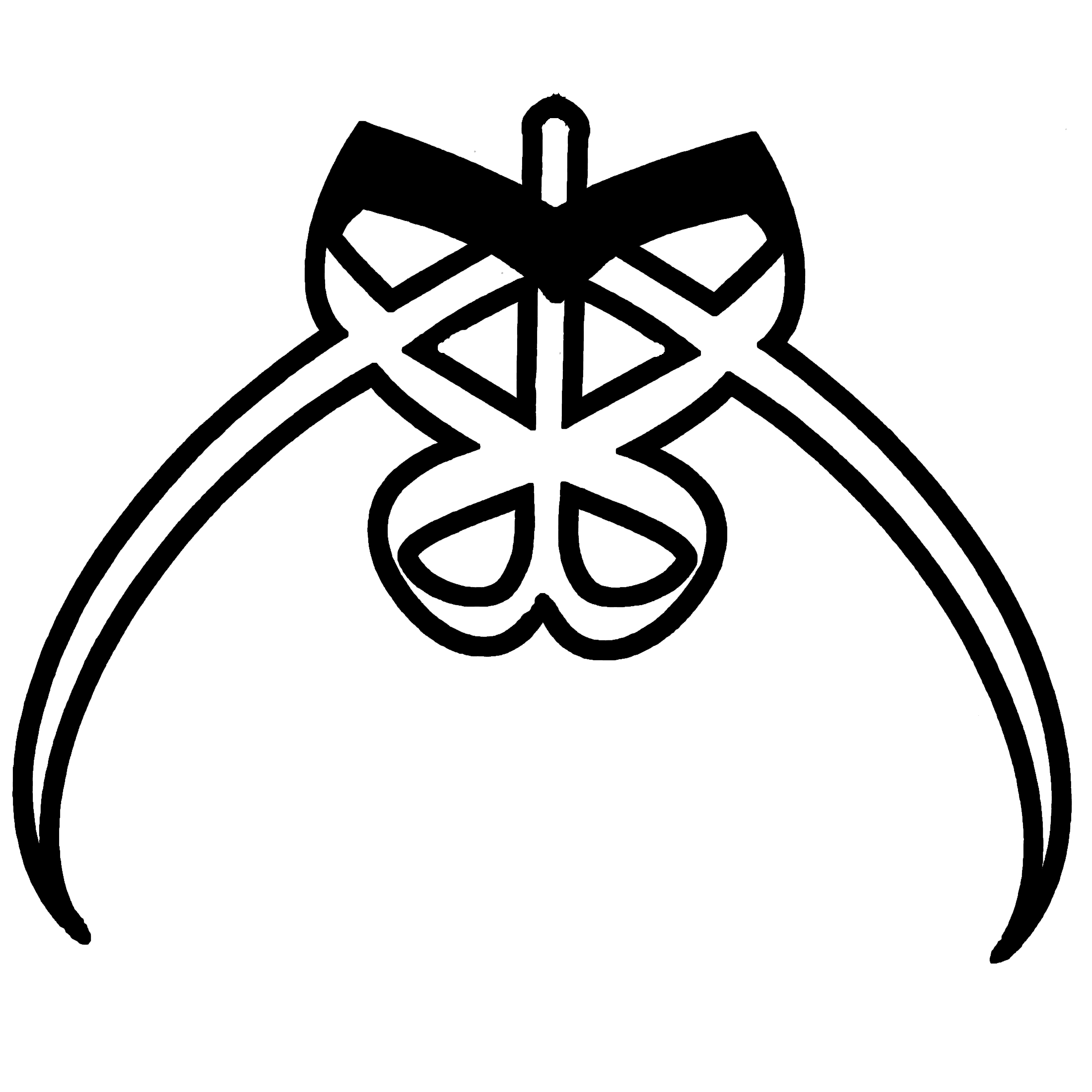
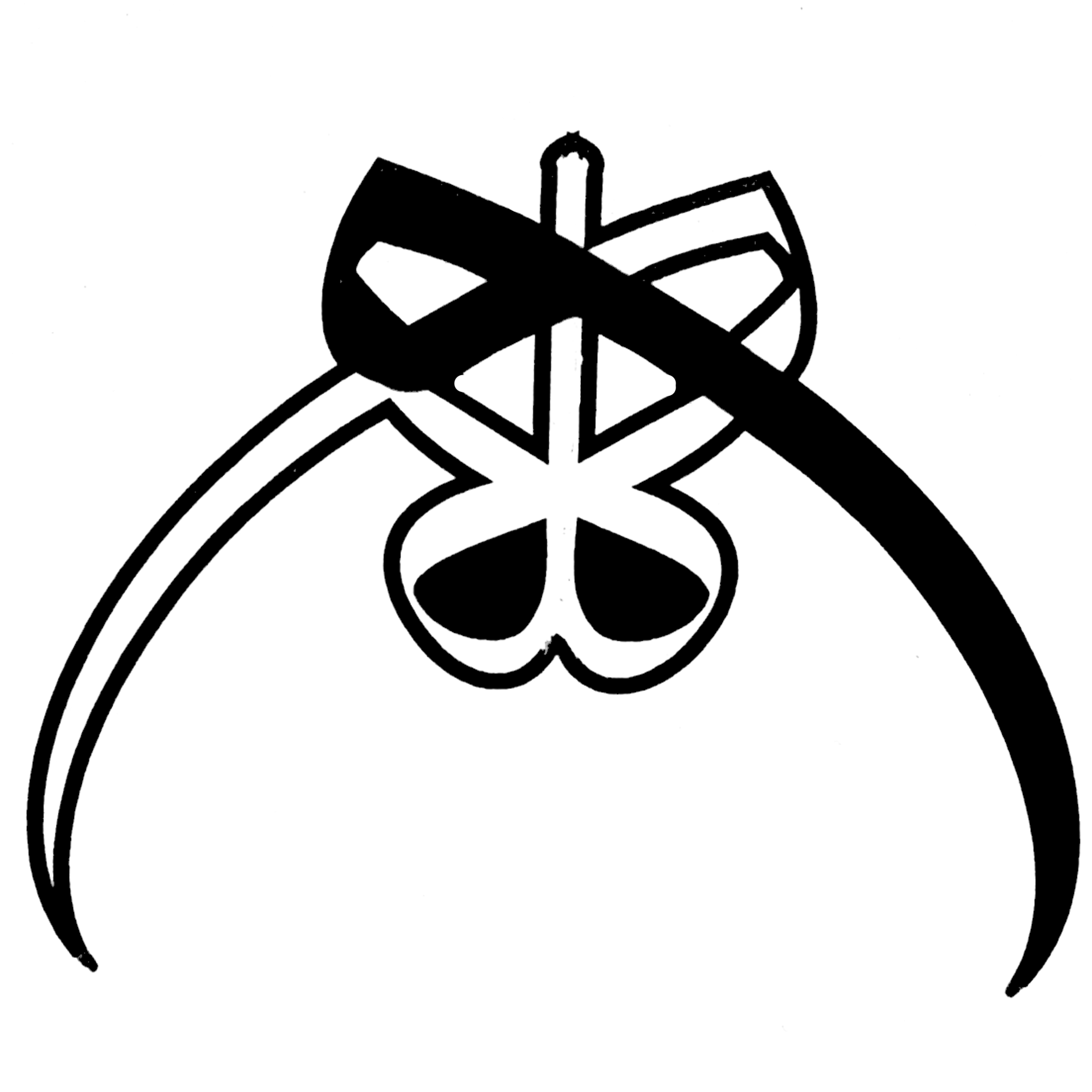
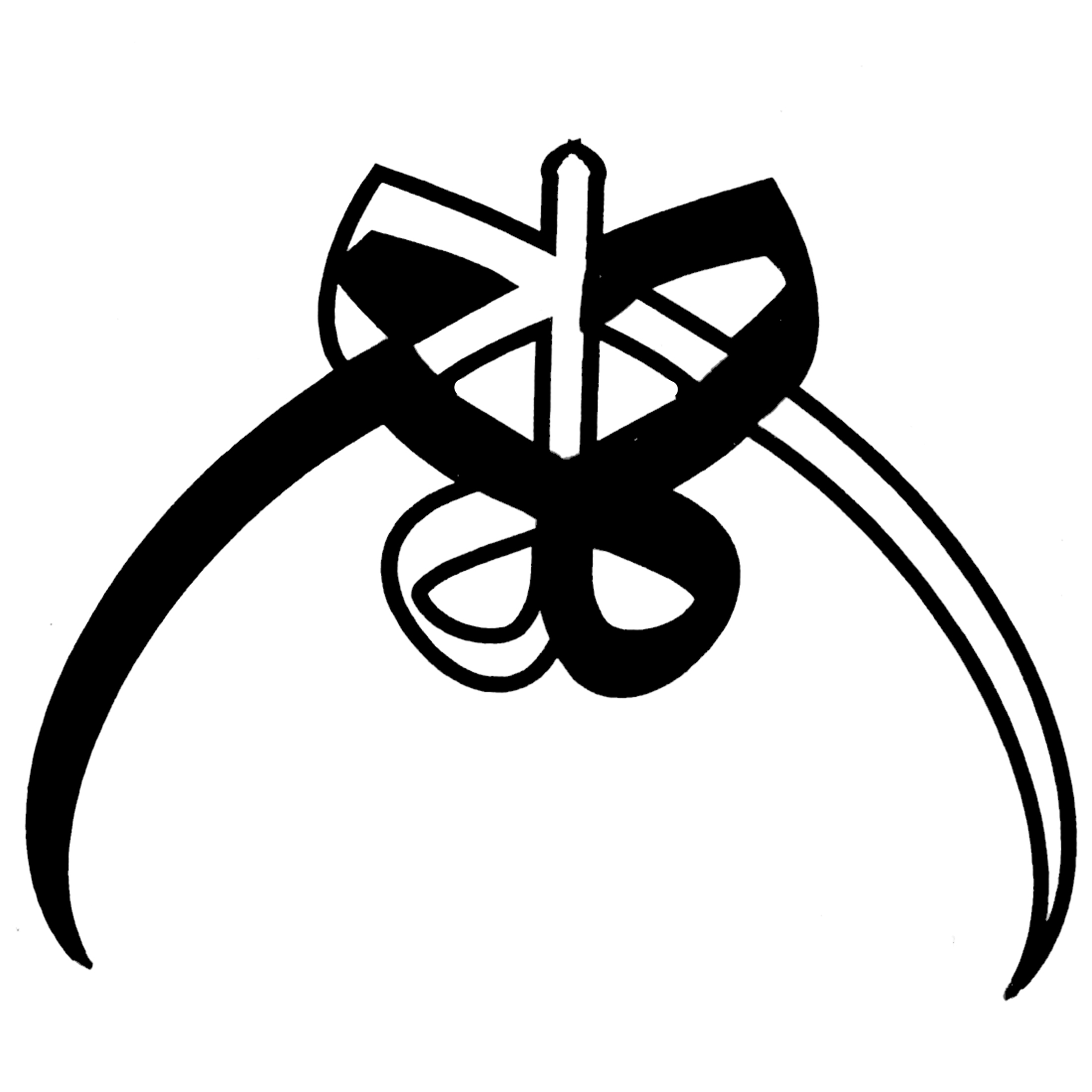
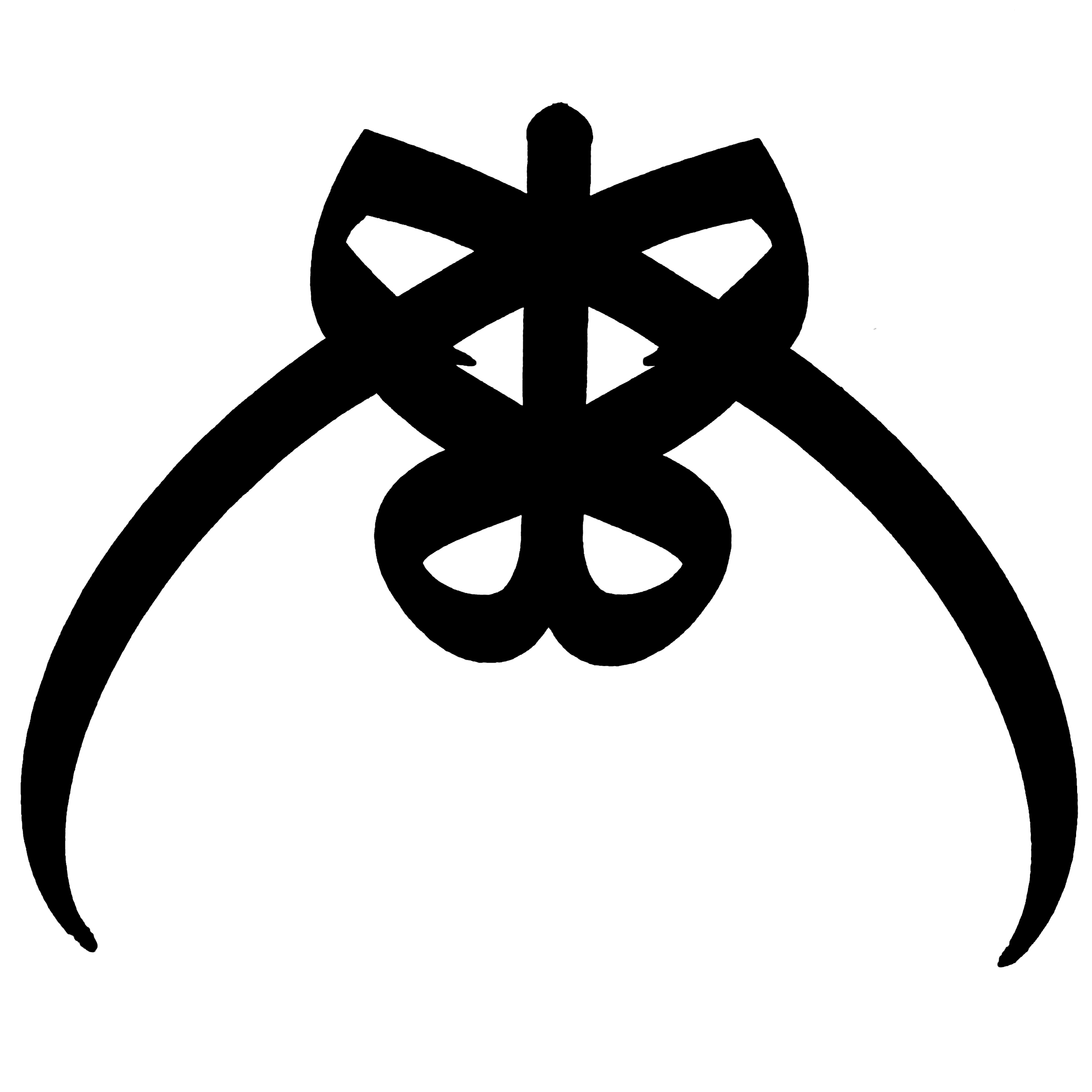
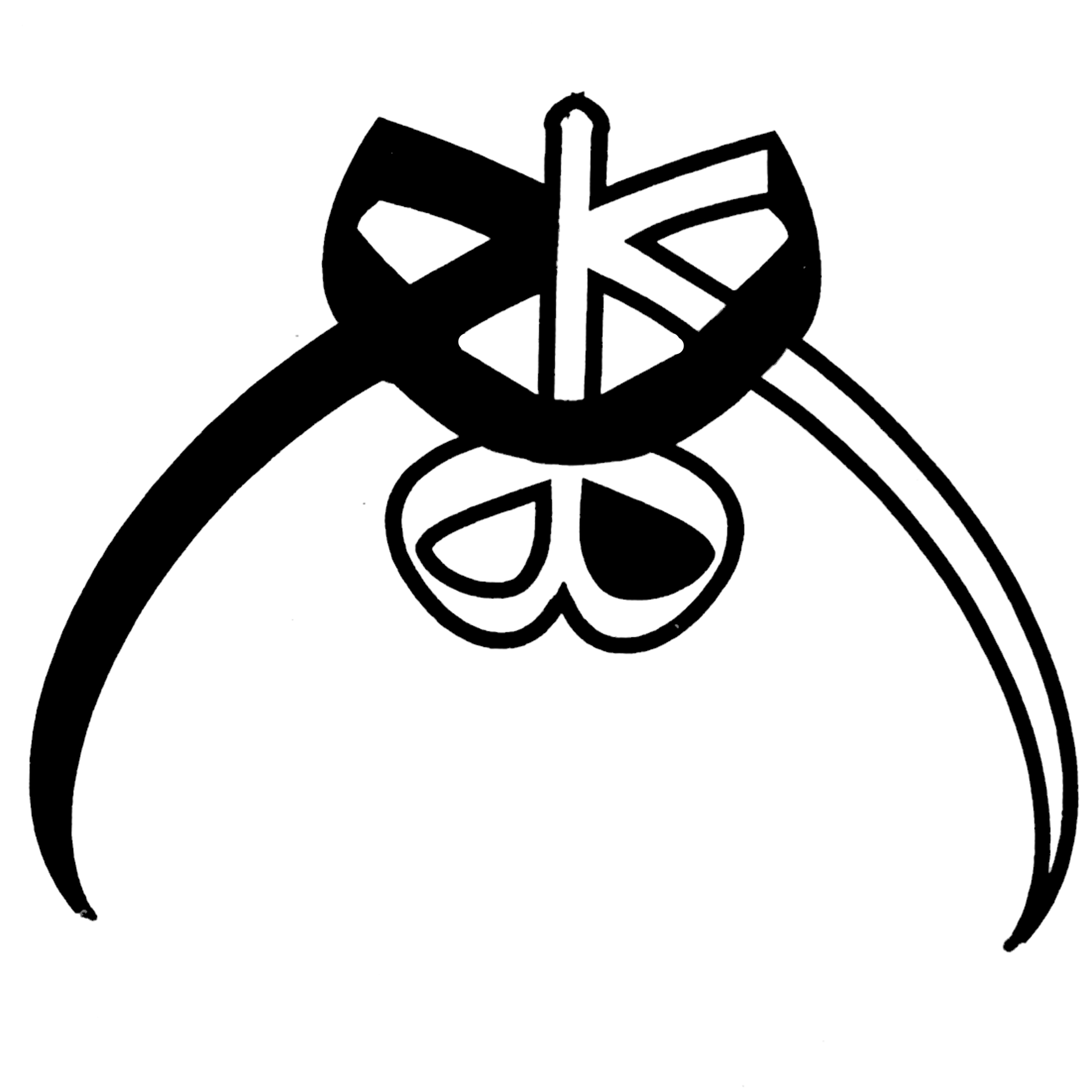
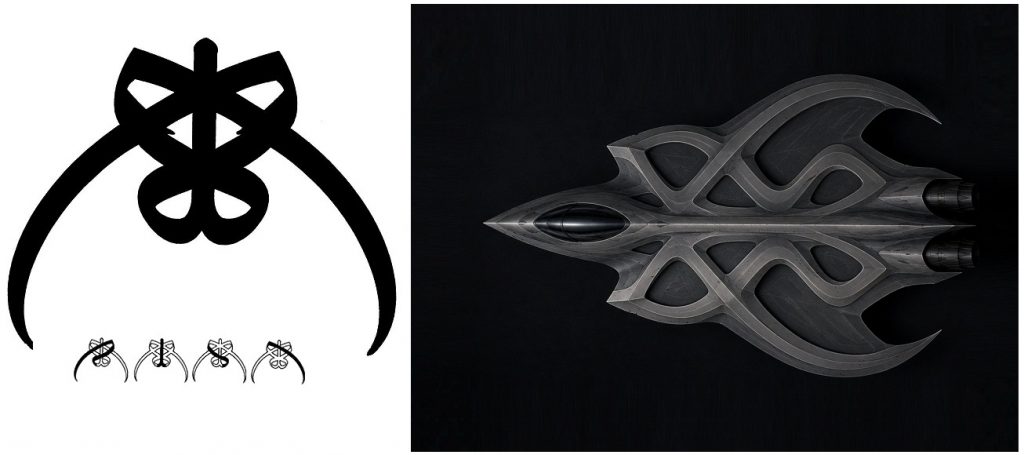
At first glance, the emblem appears as a symmetrical form organized around a central vertical axis. The viewer initially encounters a unified geometric composition, yet closer examination reveals that every component originates from the four letters of the Divine Name.
The letters are not merely placed adjacent to one another; they are interwoven. As a result, the composition resembles a geometric and calligraphic knot more than a conventional inscription, concealing the Divine Name within its internal structure.
The symmetry present in the emblem is not the product of mechanical mirroring but rather the result of a deliberate reconfiguration and reinterpretation of the letters within a coherent geometric framework. Every element therefore carries both visual and semantic significance.
A distinctive feature of the design is that all four letters remain fully present within a continuous structure without disrupting the original sequence of the word.
While many calligraphic compositions achieve symbolic or symmetrical effects through omission, repetition, or alteration of letters, this design retains all four letters—Alif, Lam, Lam, and Ha—in their entirety while simultaneously transforming them into a unified and symmetrical form.
The emblem can therefore be understood not merely as an image of the Divine Name, but as its geometric embodiment.
The Process of Form Discovery
The significance of this work lies not only in its final appearance but also in the process through which it emerged.
The resulting geometry is neither accidental nor solely the product of aesthetic preference. Rather, it is the outcome of an exploratory investigation into numerous possibilities for the interaction and interweaving of the letters of the Divine Name.
Each letter was initially studied as an independent structure, after which multiple modes of combination were tested. The final configuration was selected from among numerous alternatives because it achieved the greatest balance between visual harmony, legibility, and geometric coherence.
From this perspective, the work represents not merely a design exercise but a process of geometric discovery embedded within the structure of the Divine Name itself.
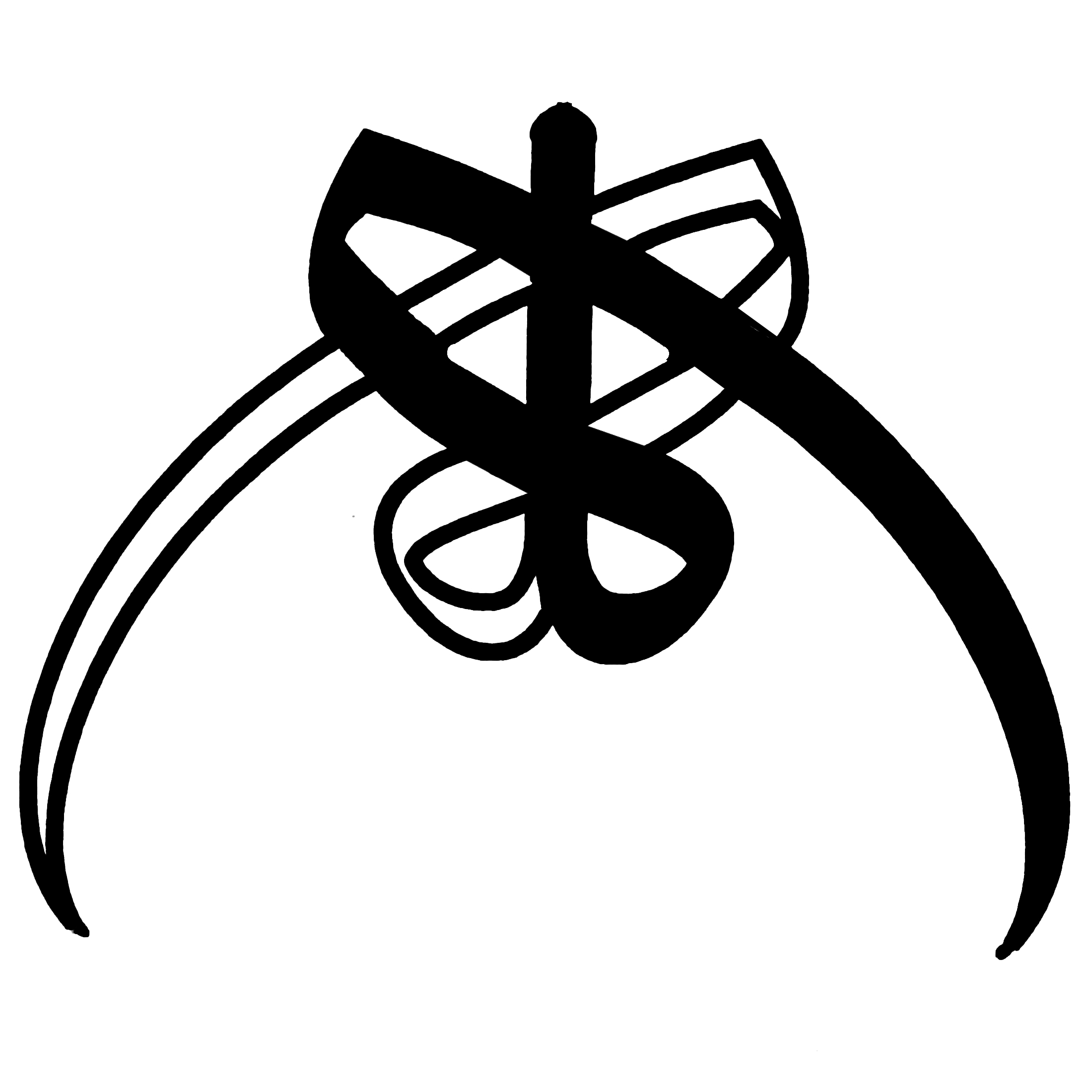
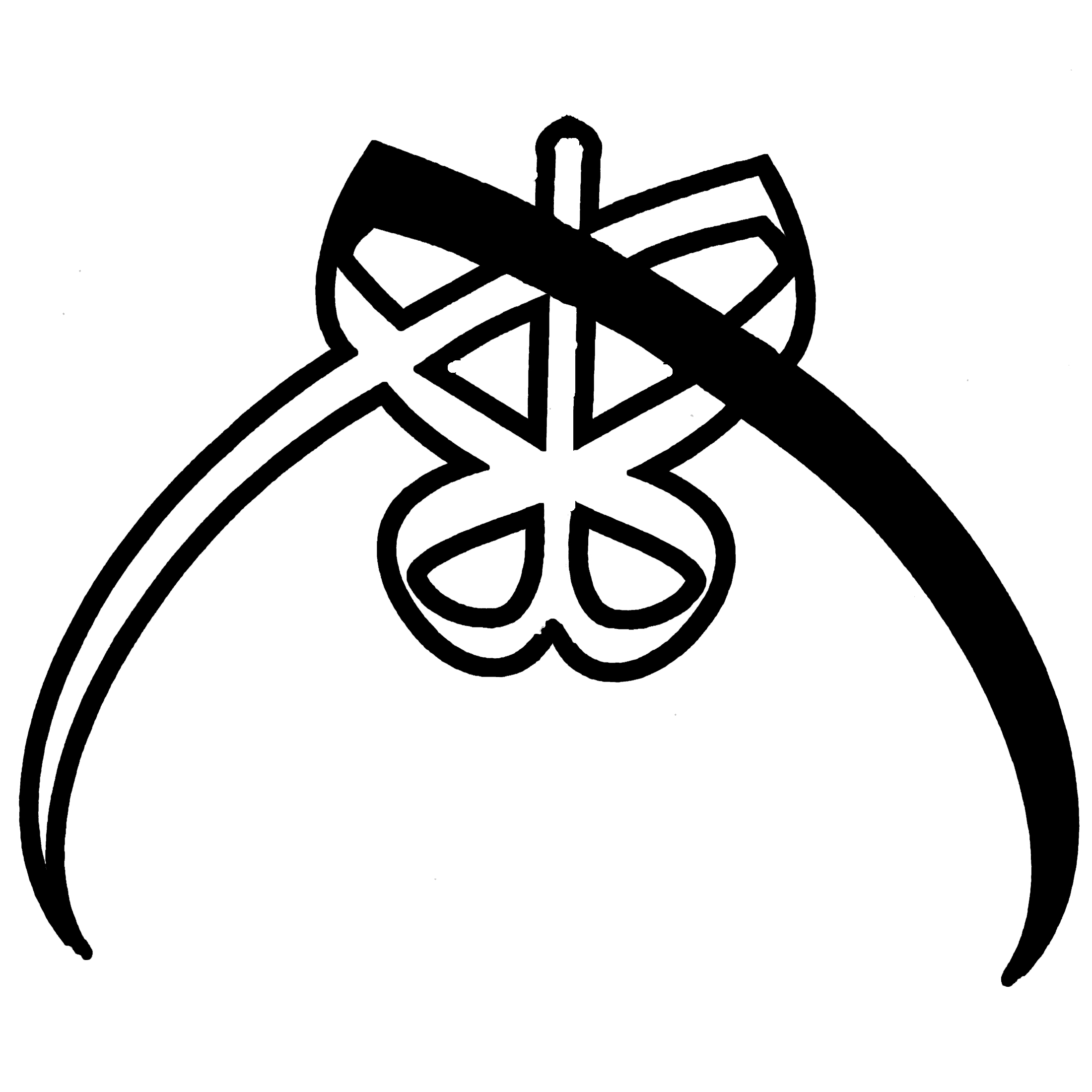
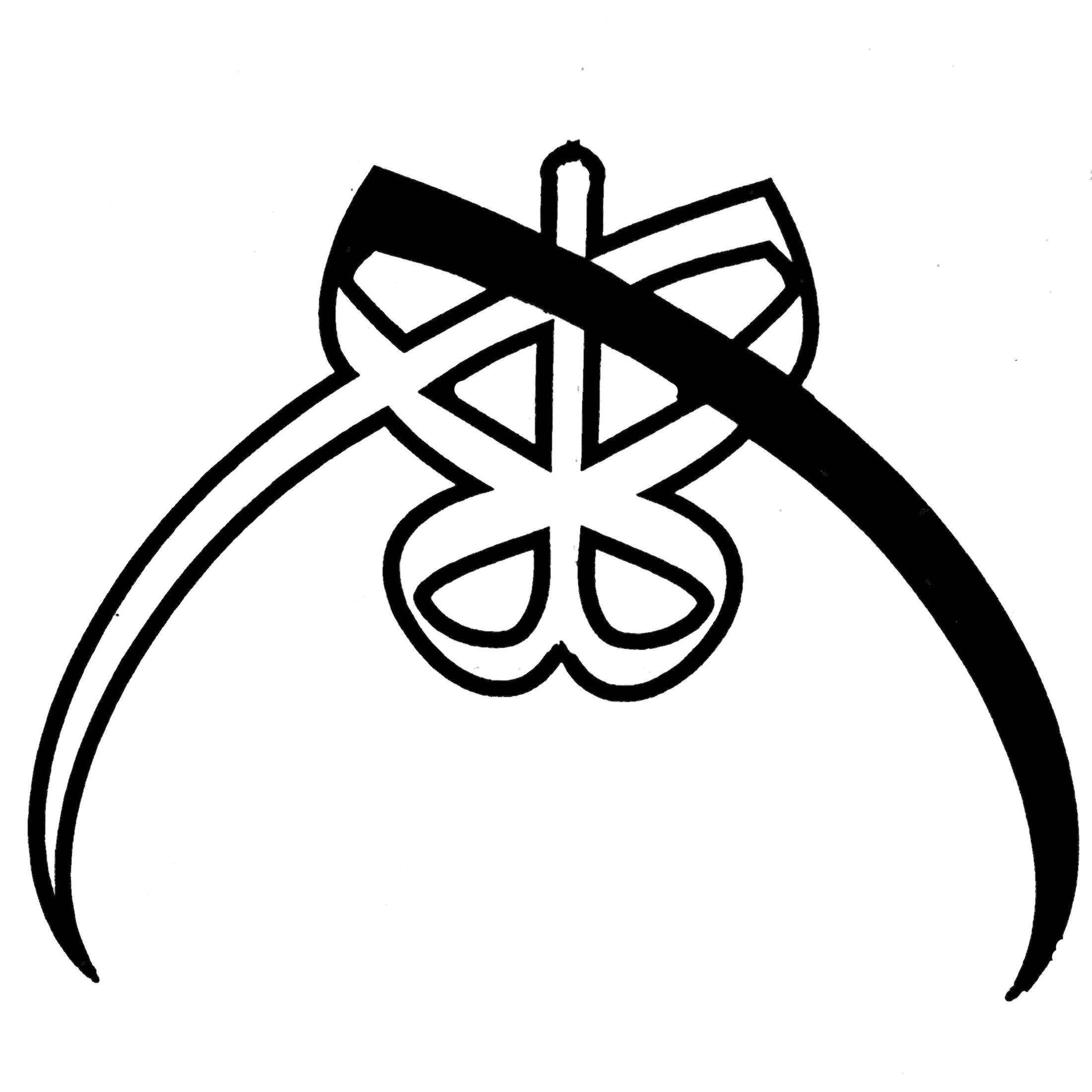
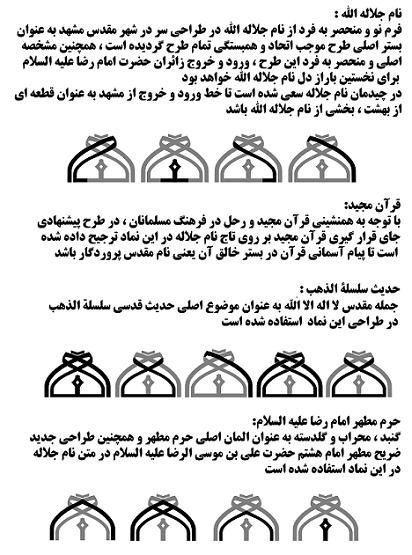
Alif: Verticality and Extension
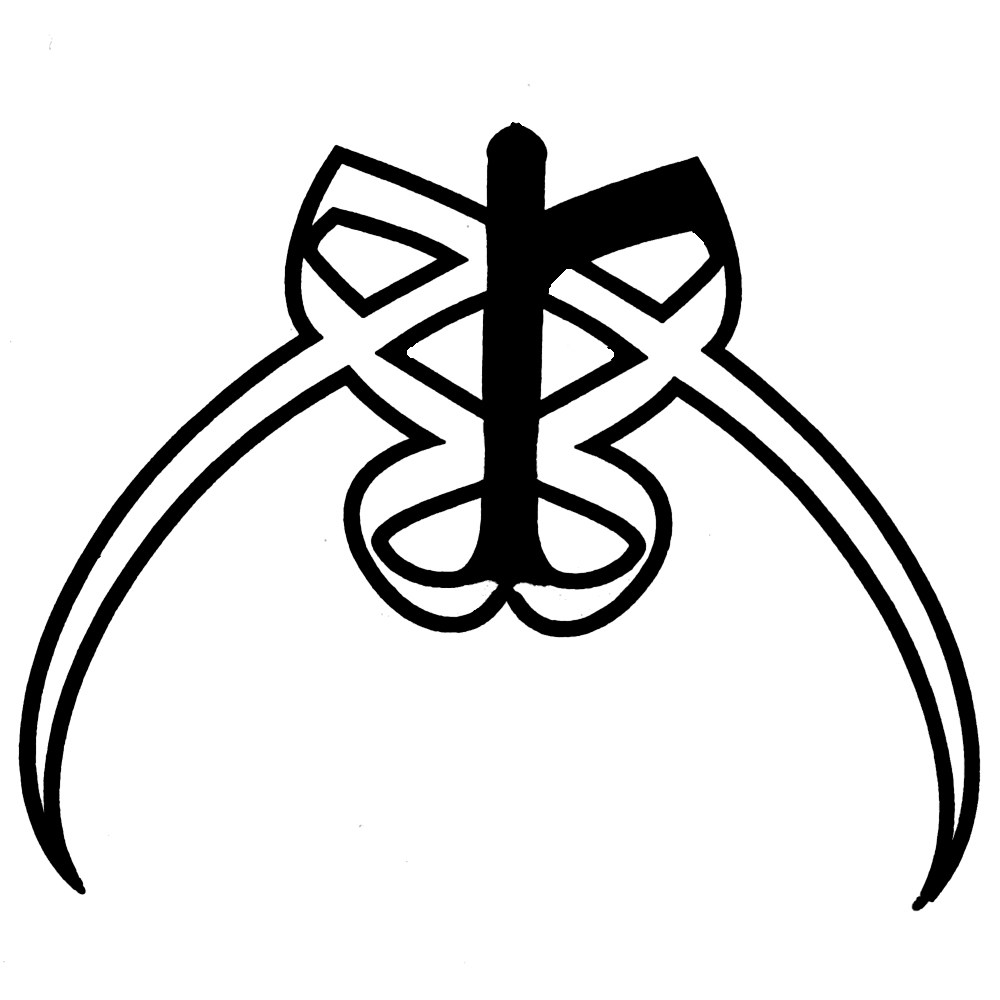
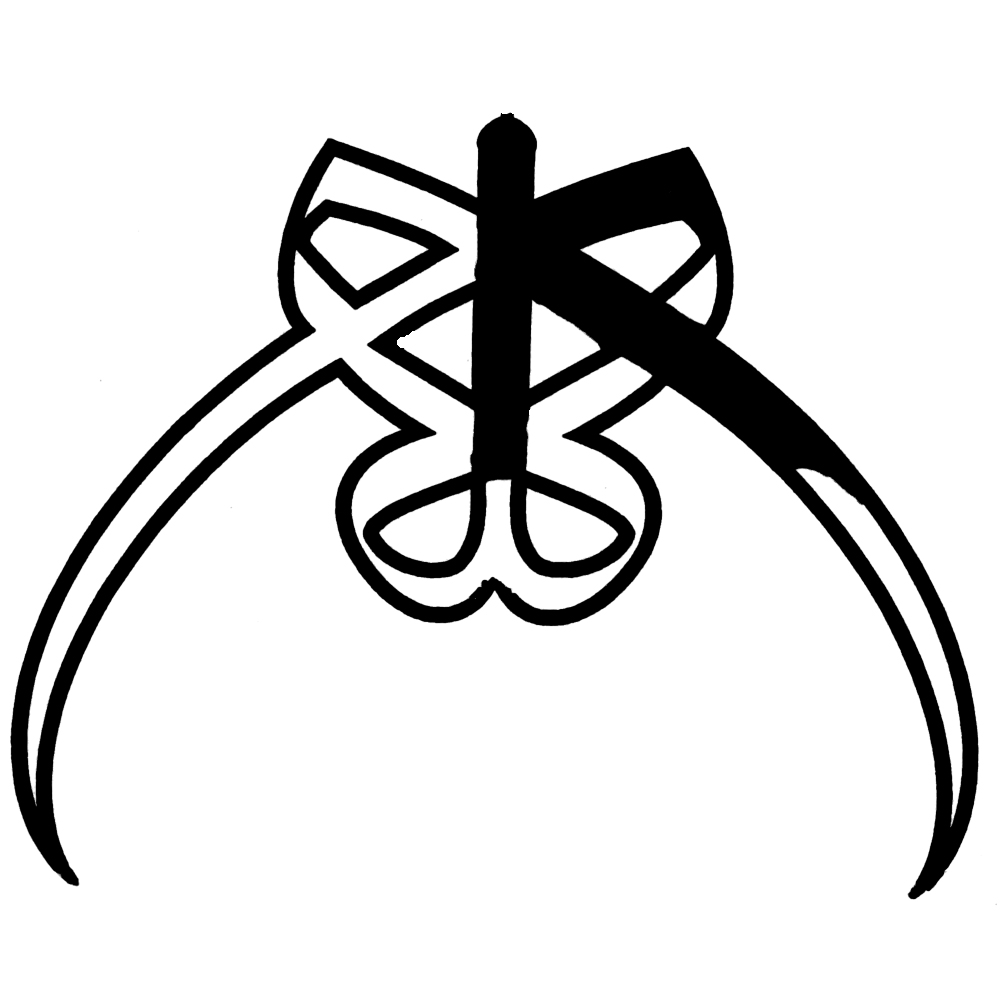
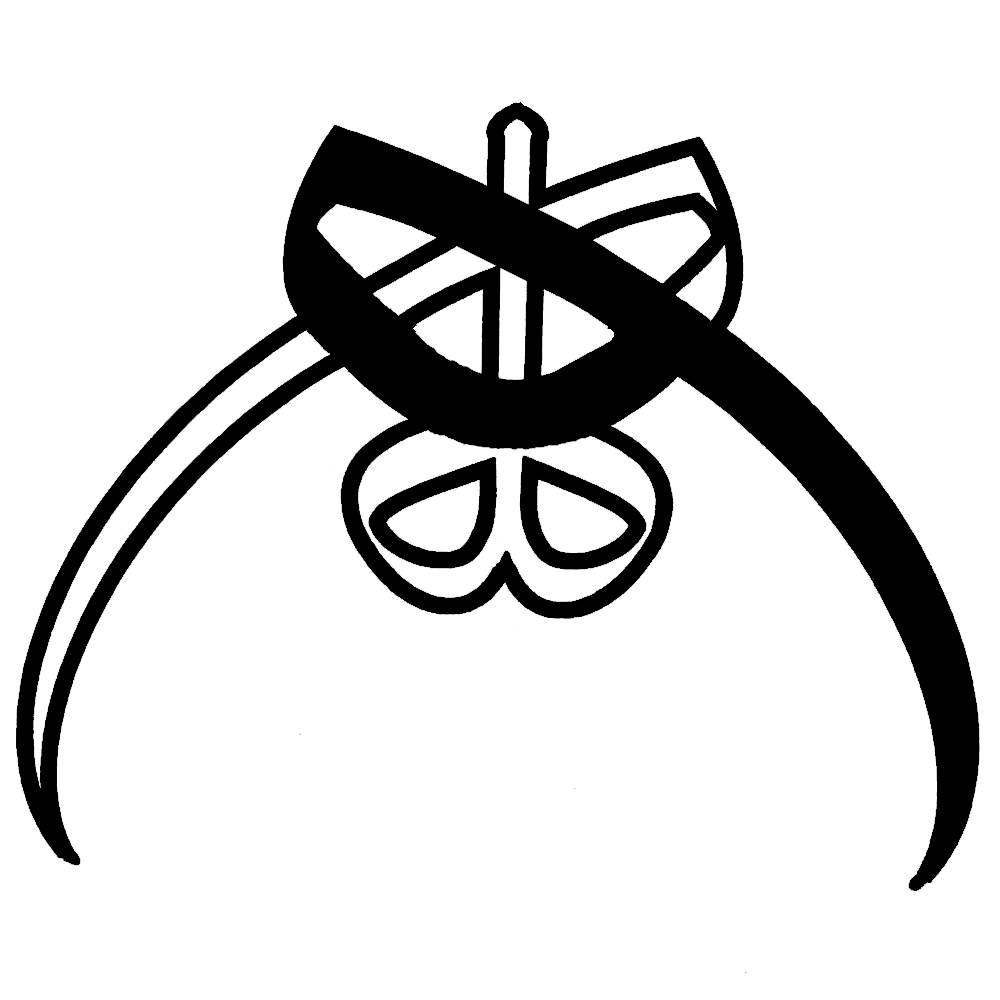
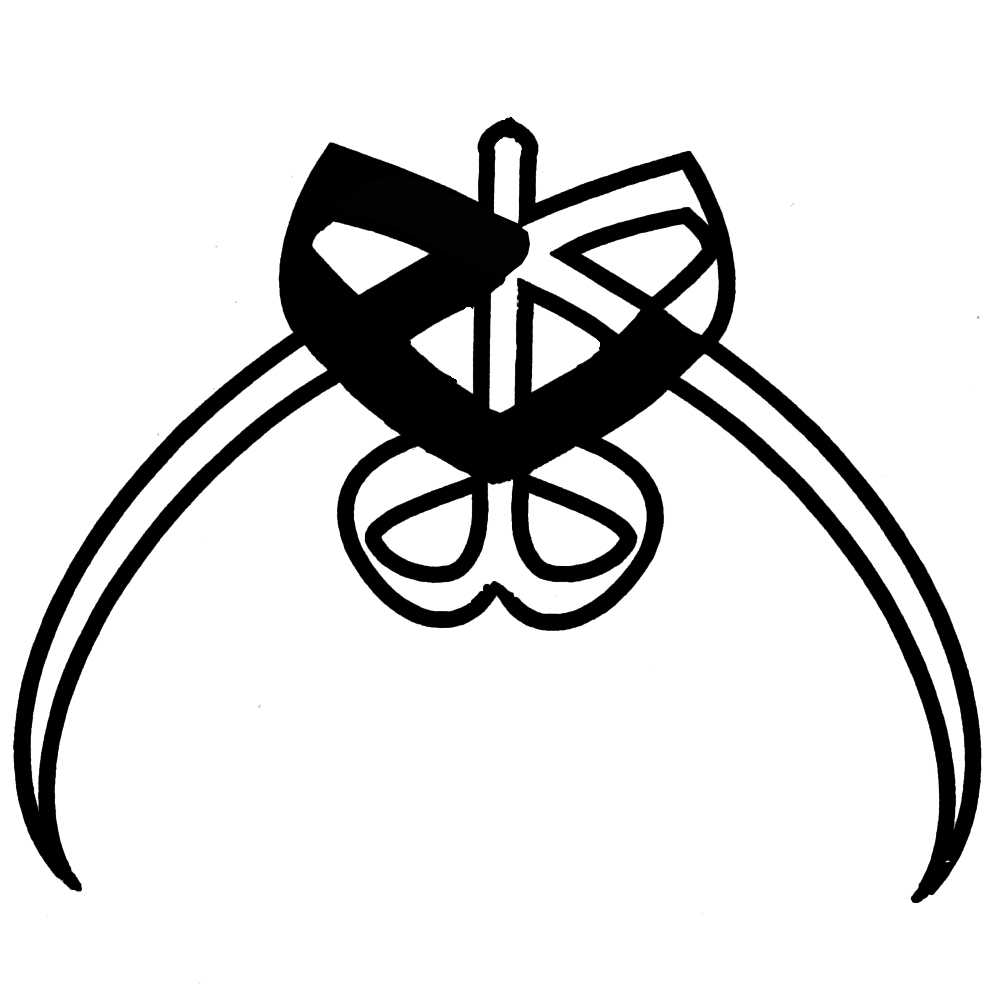
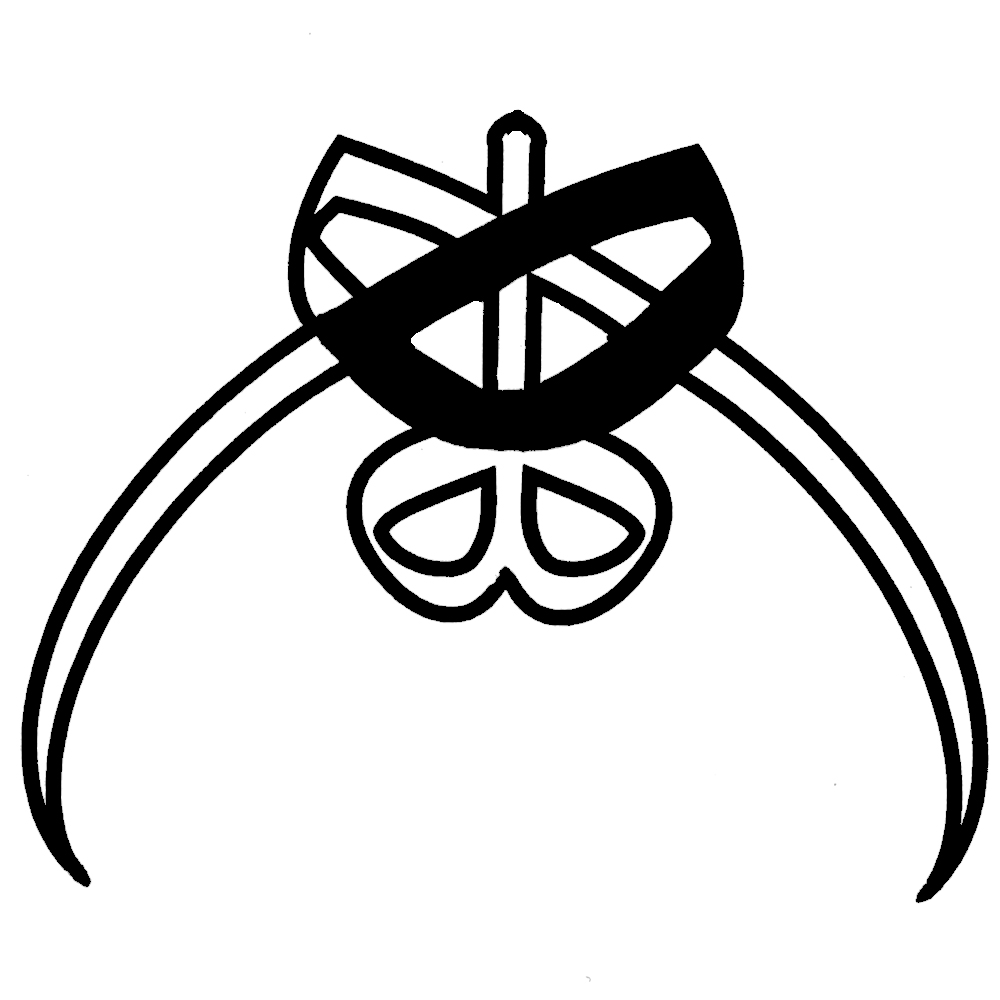
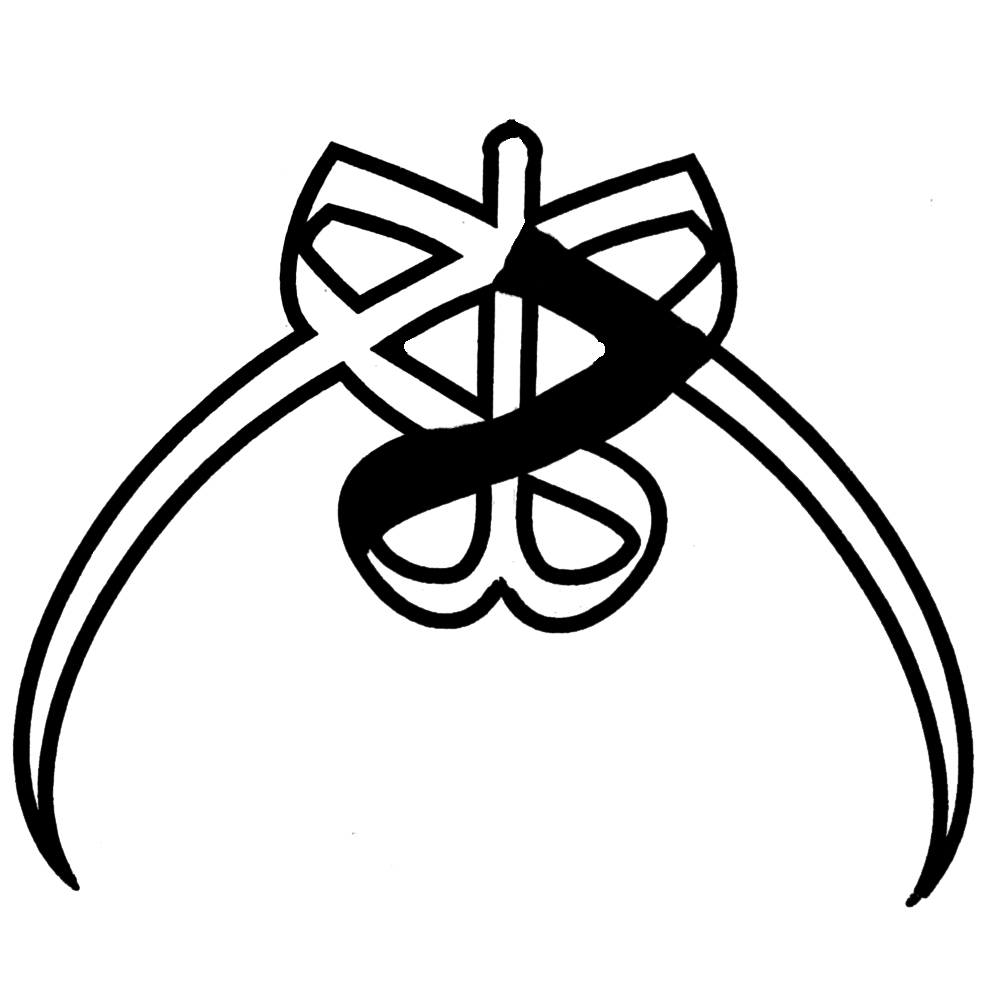
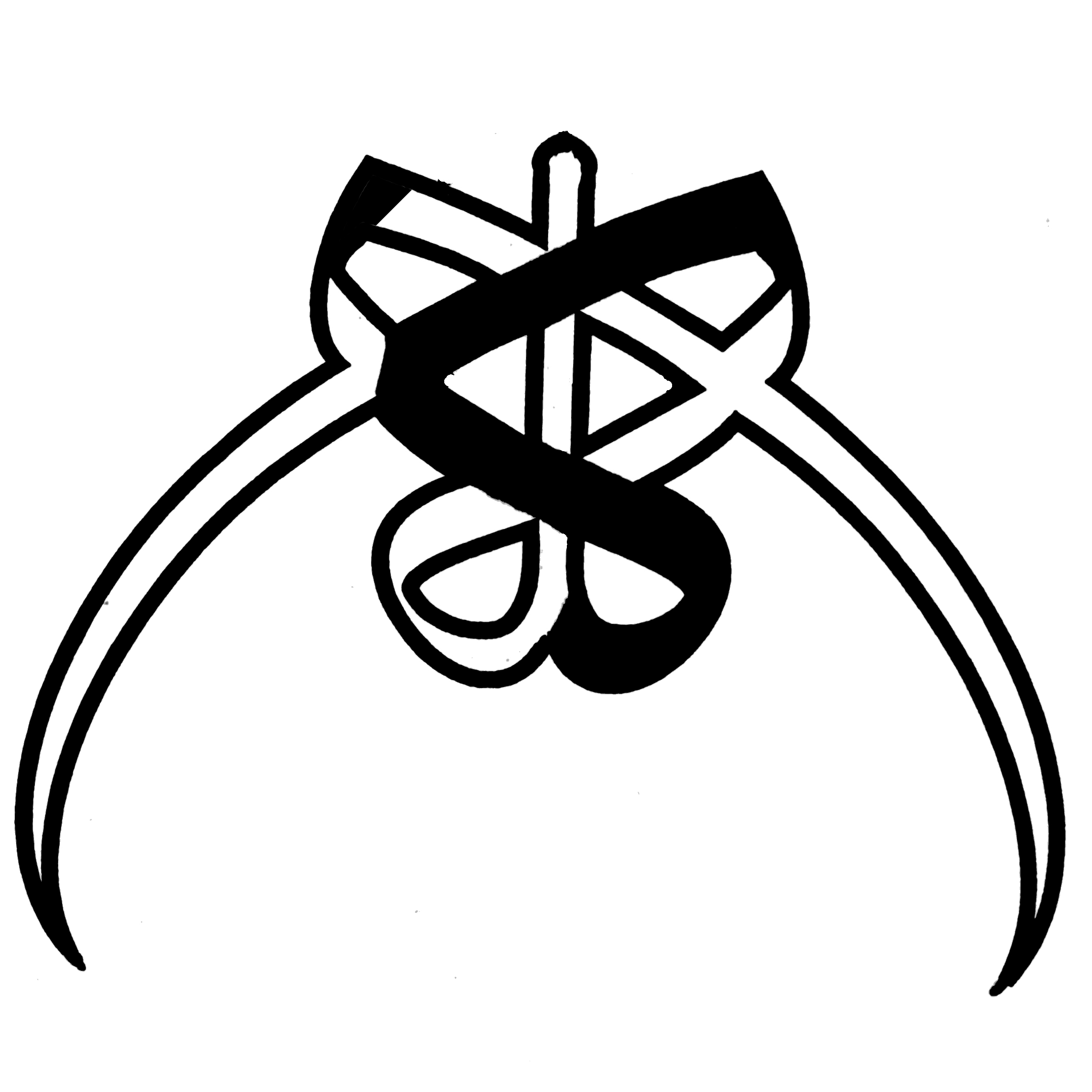
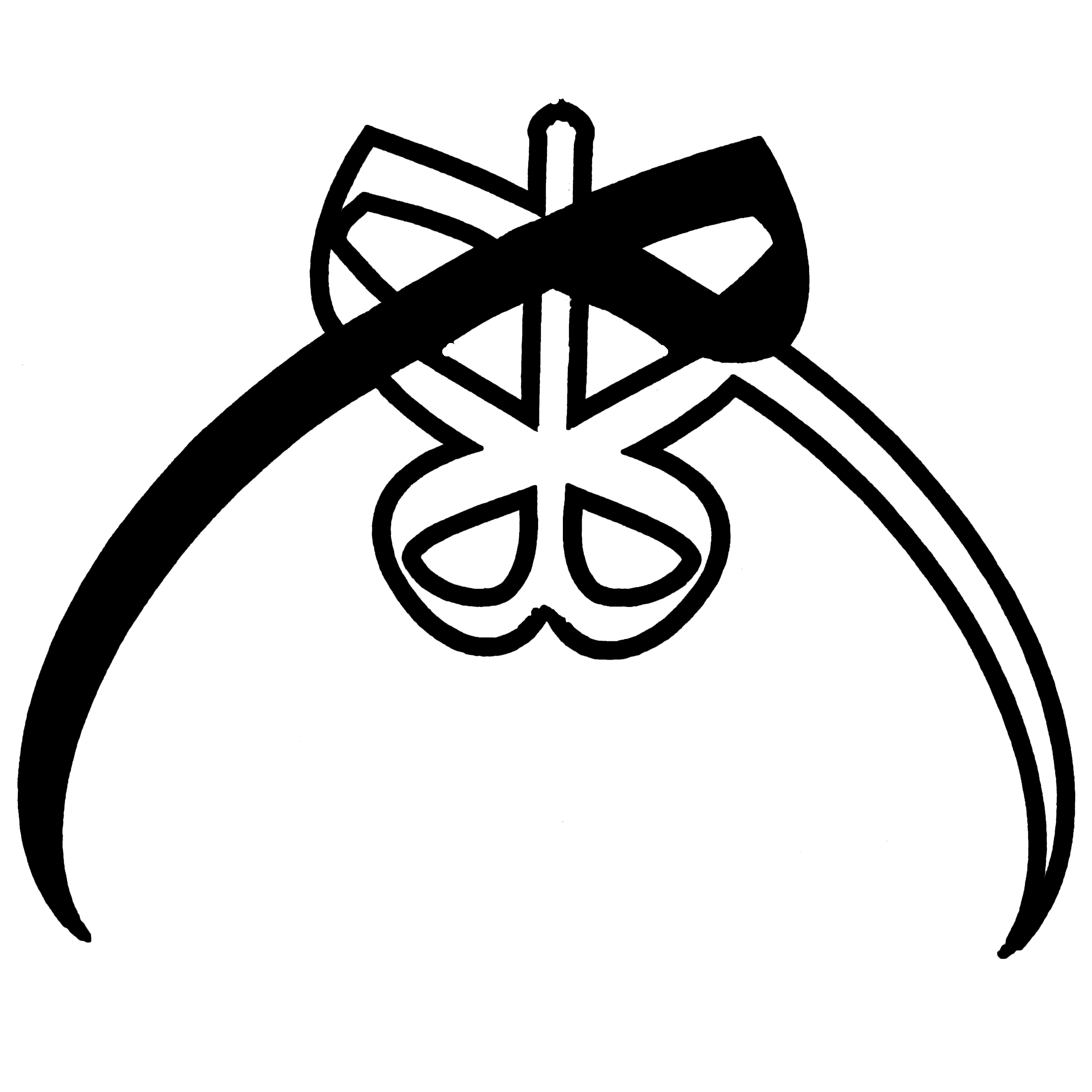
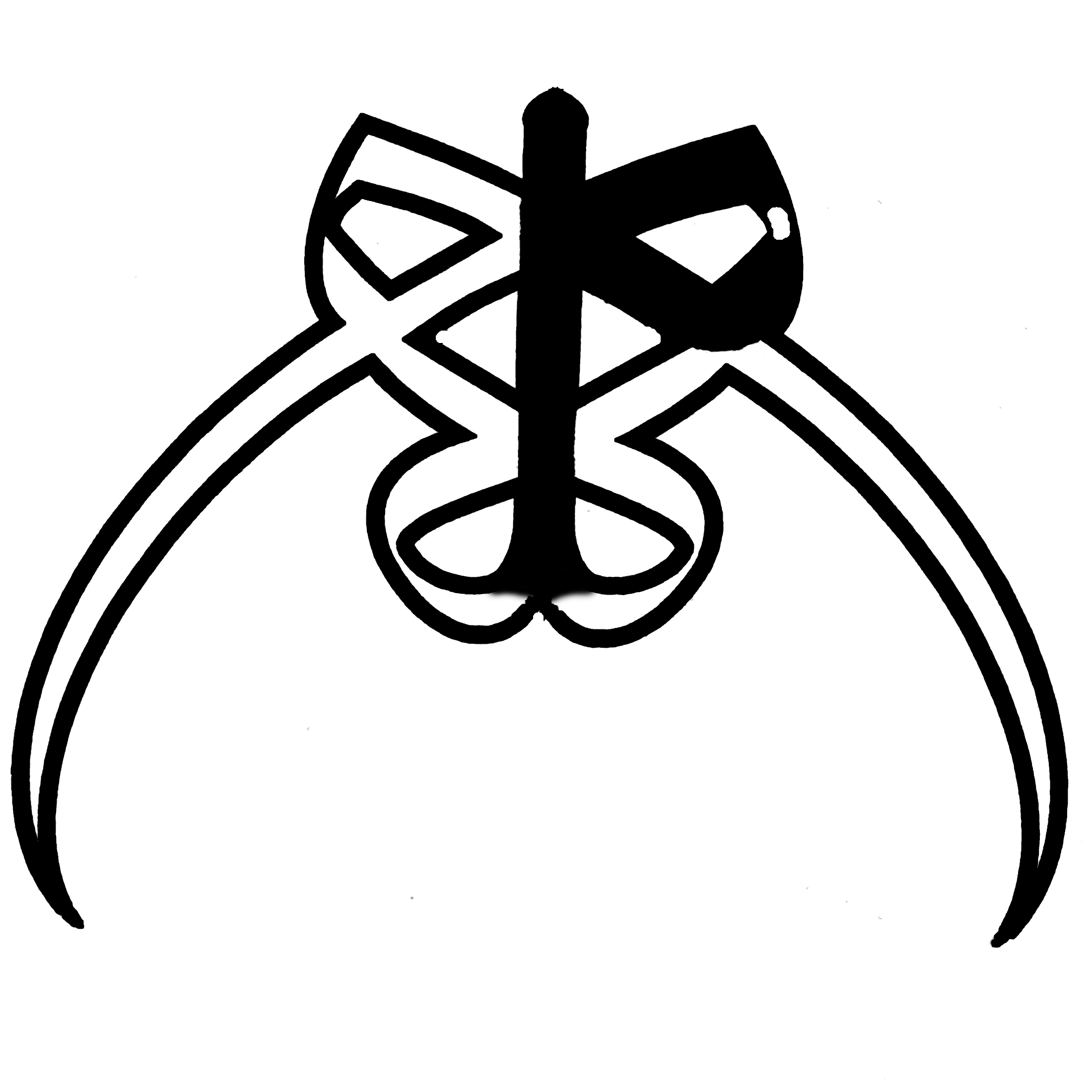
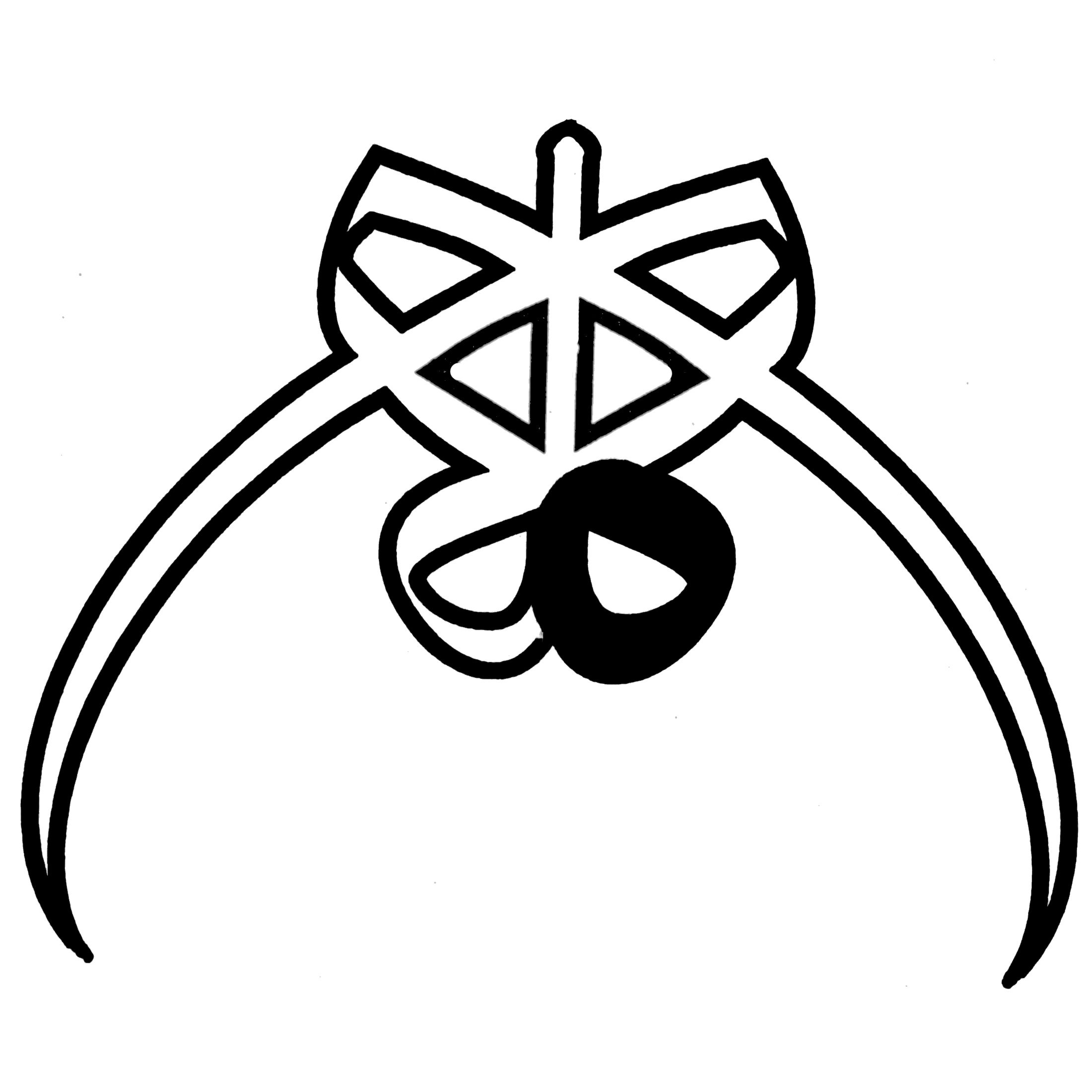
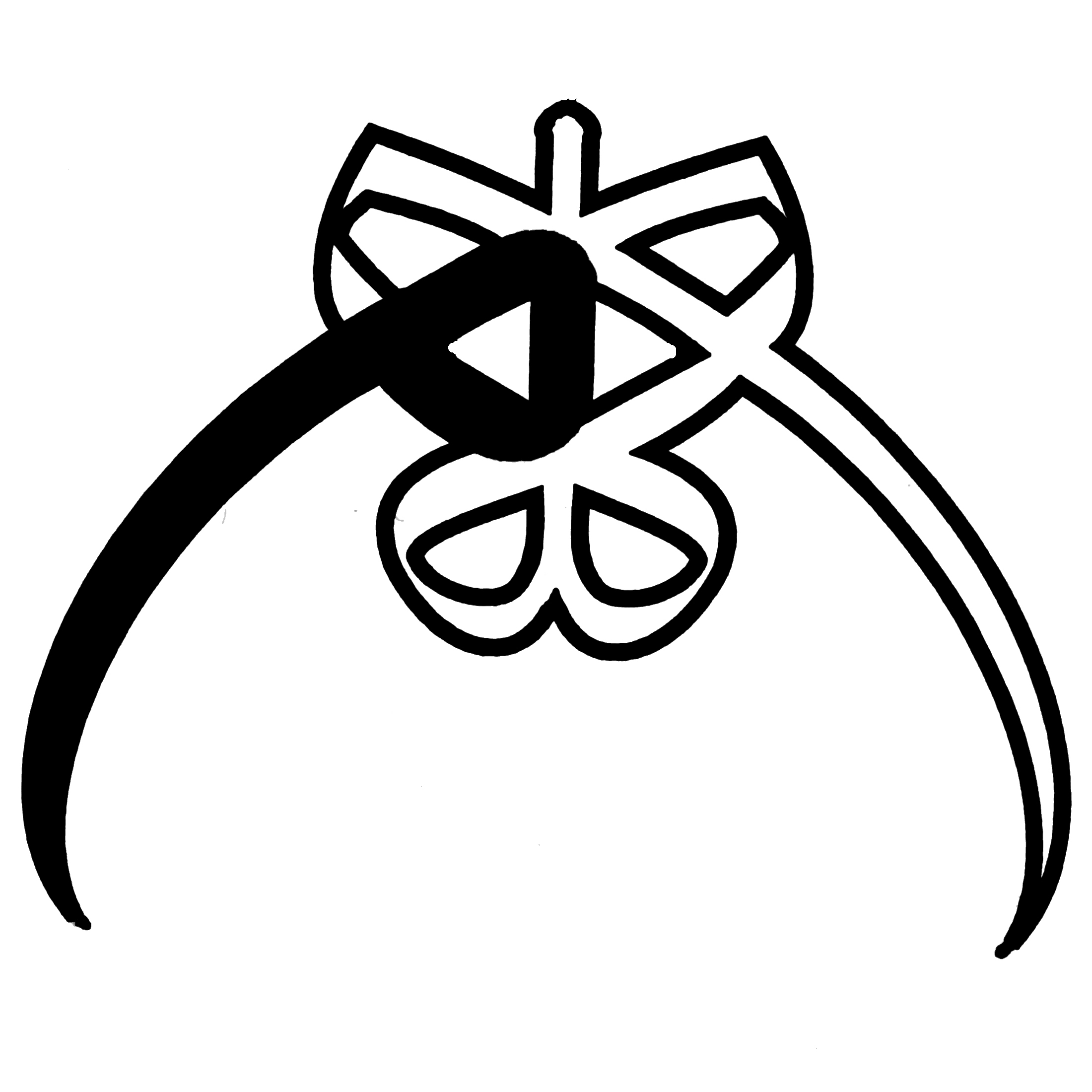
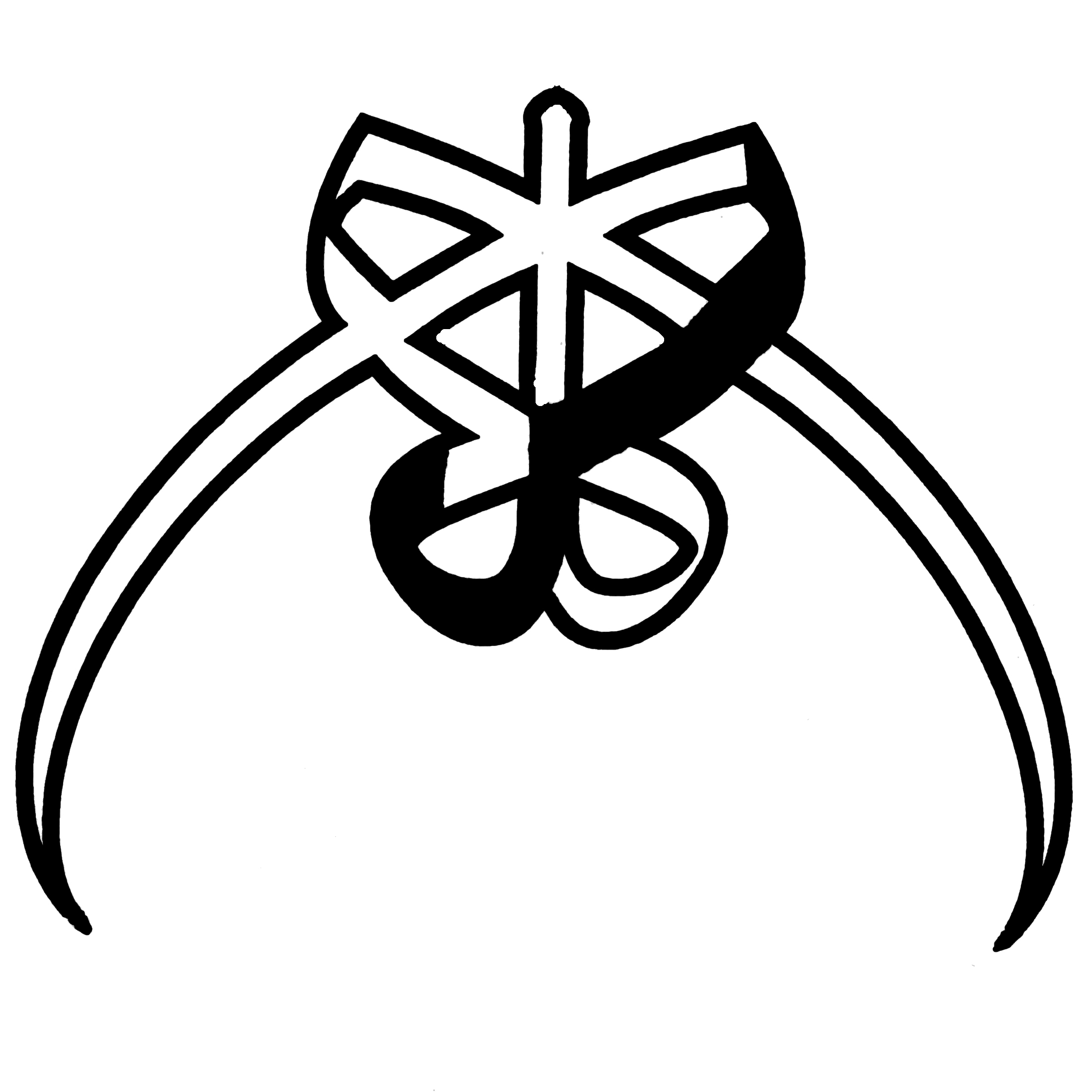
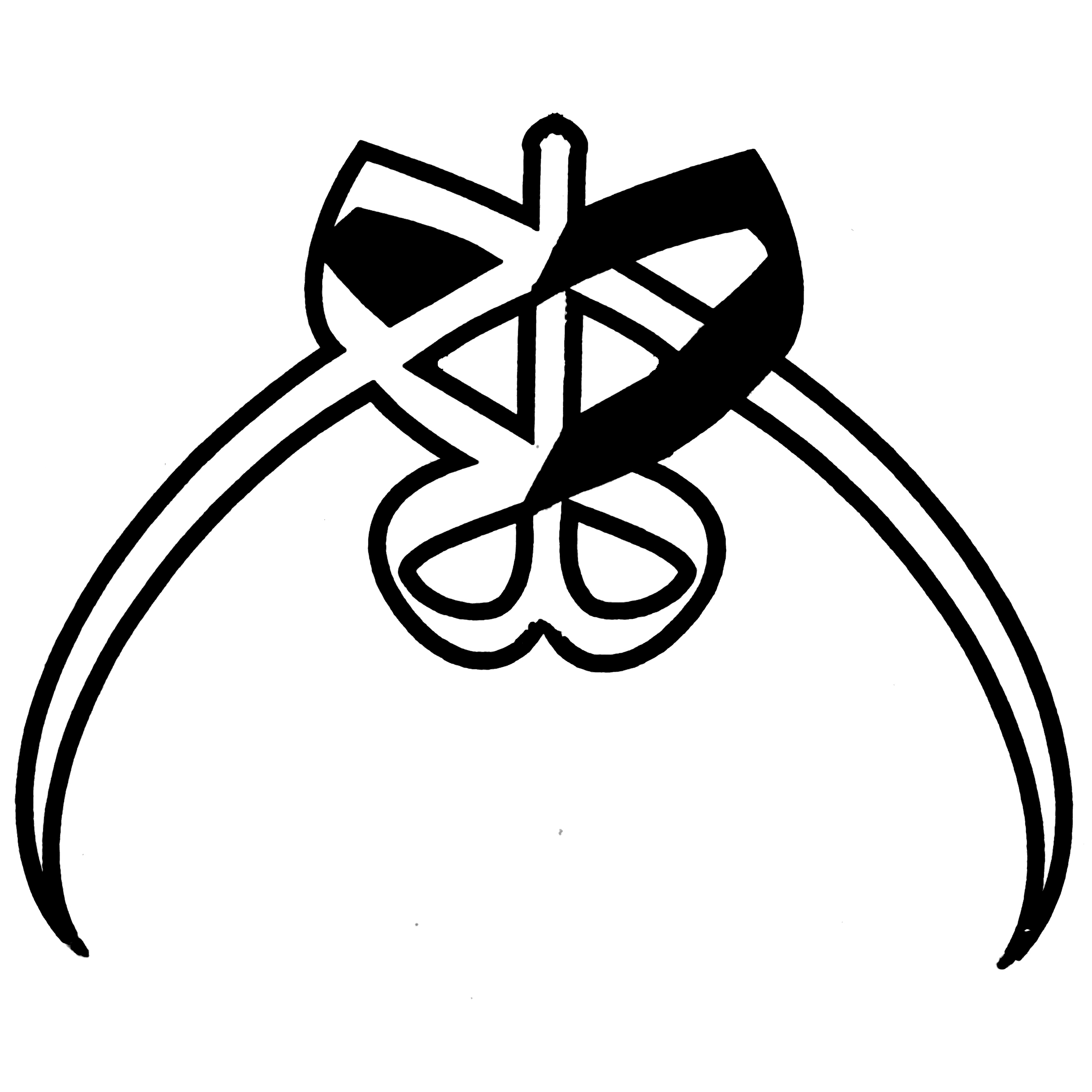
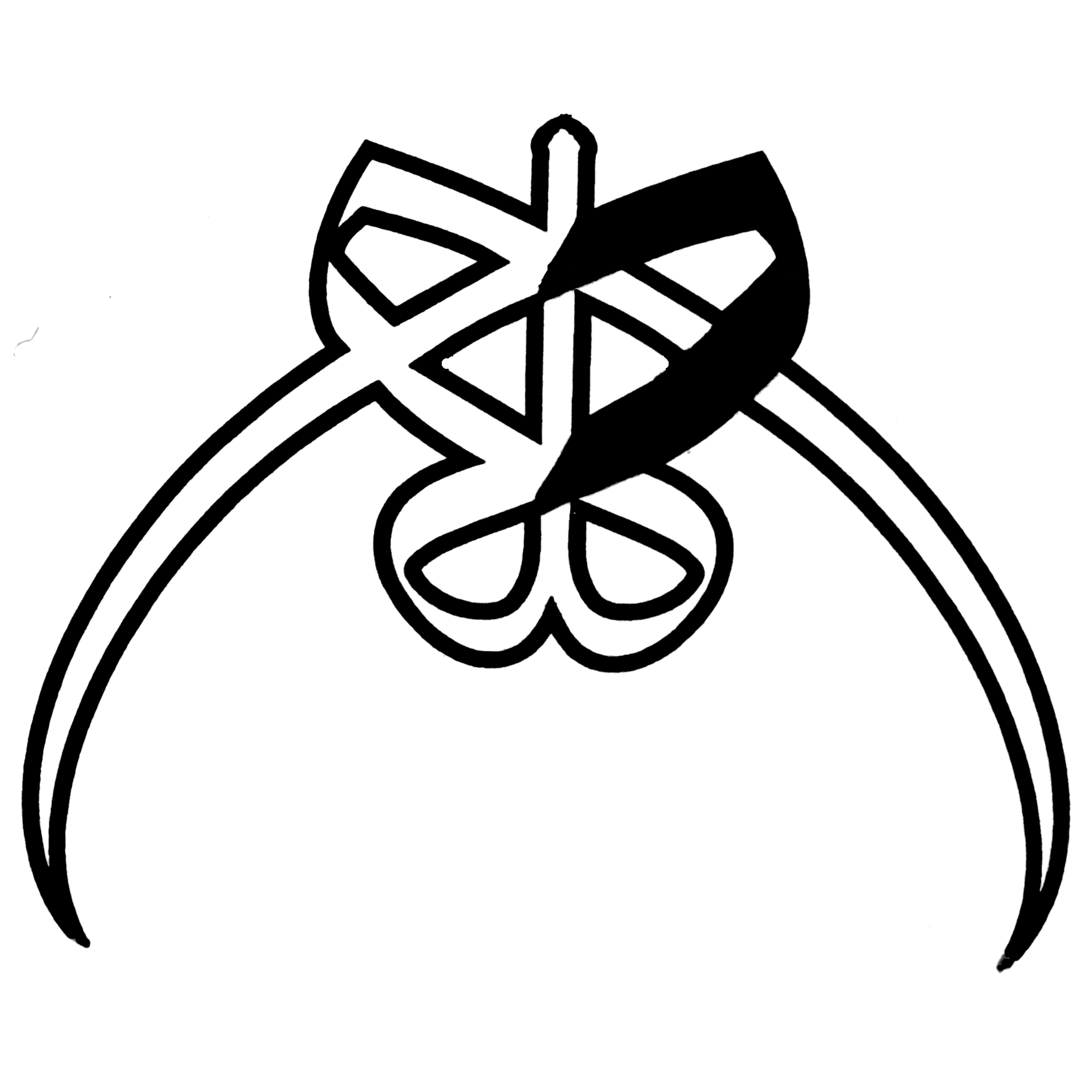
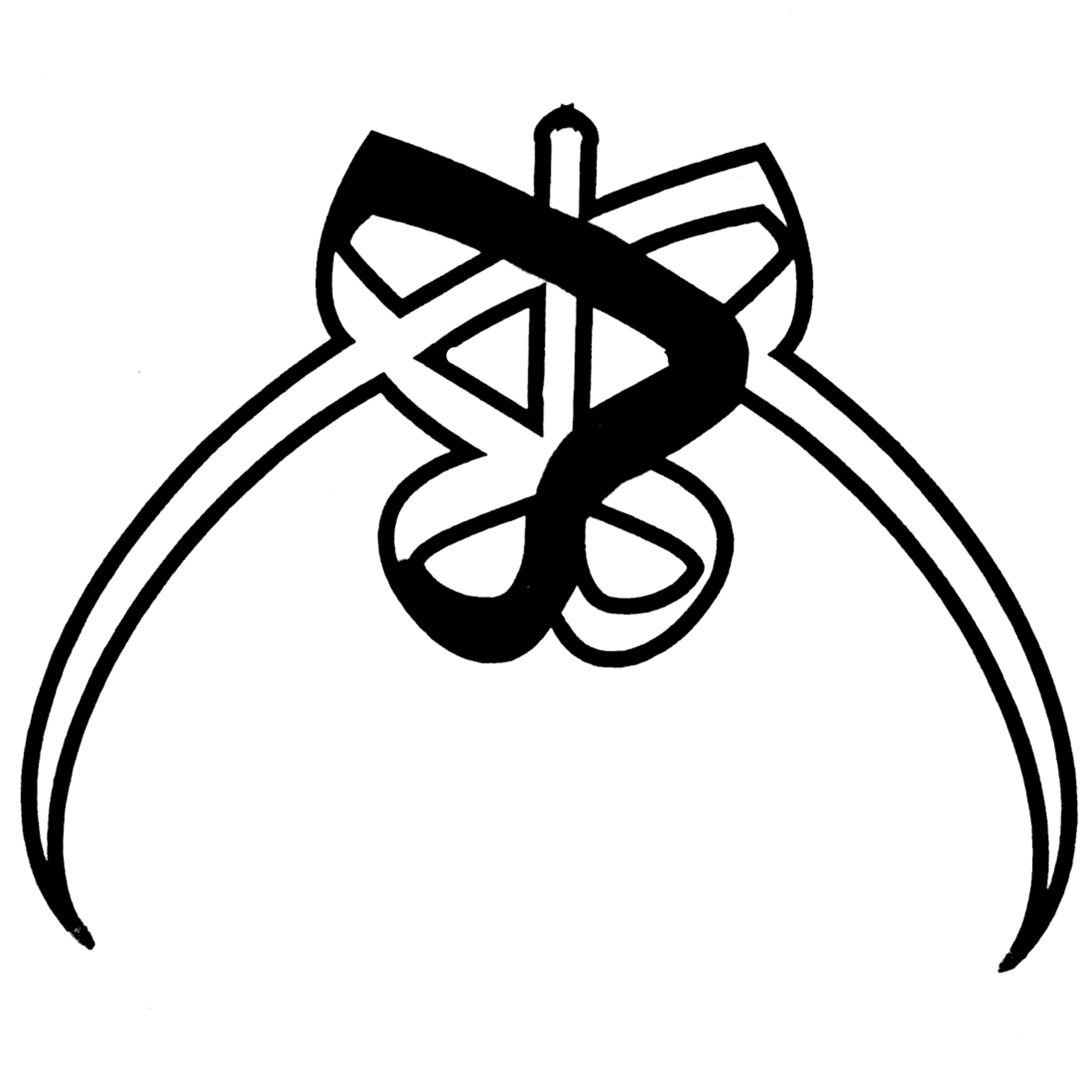
Alif, the first letter of the Divine Name, serves as the starting point of the composition.
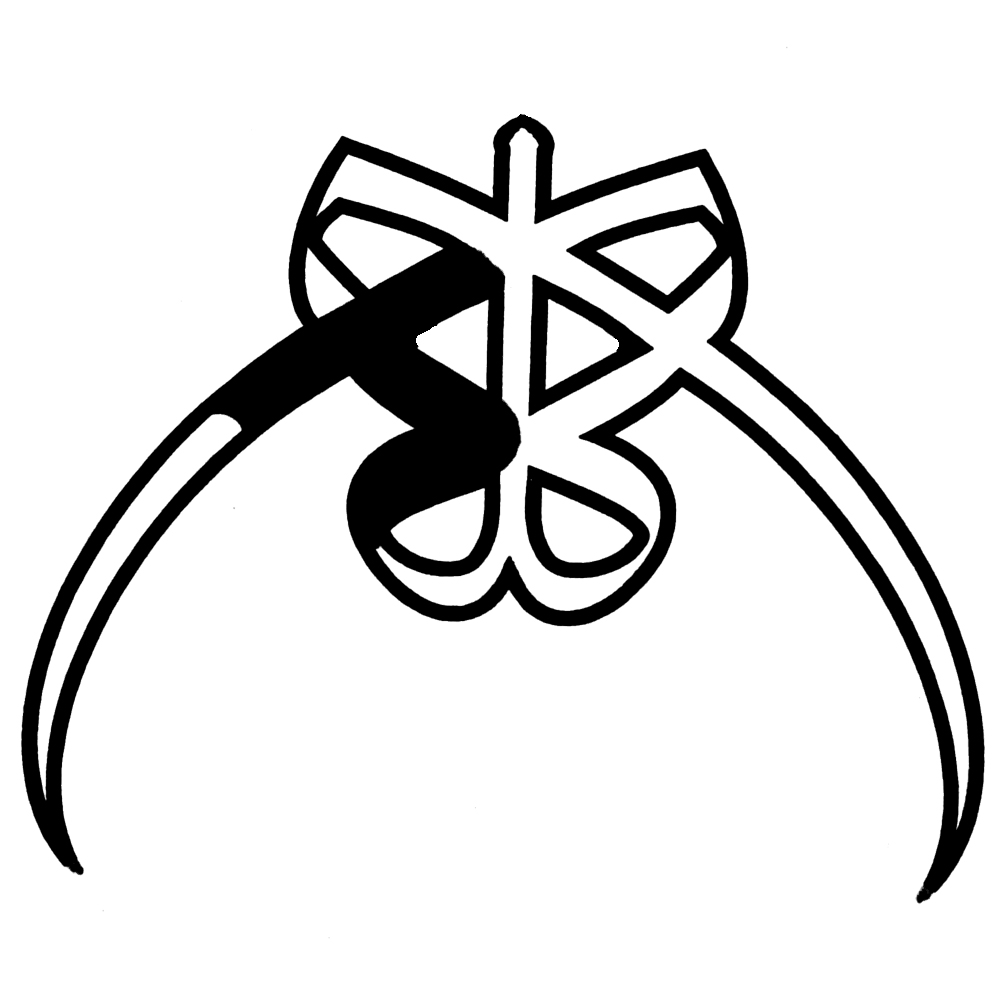
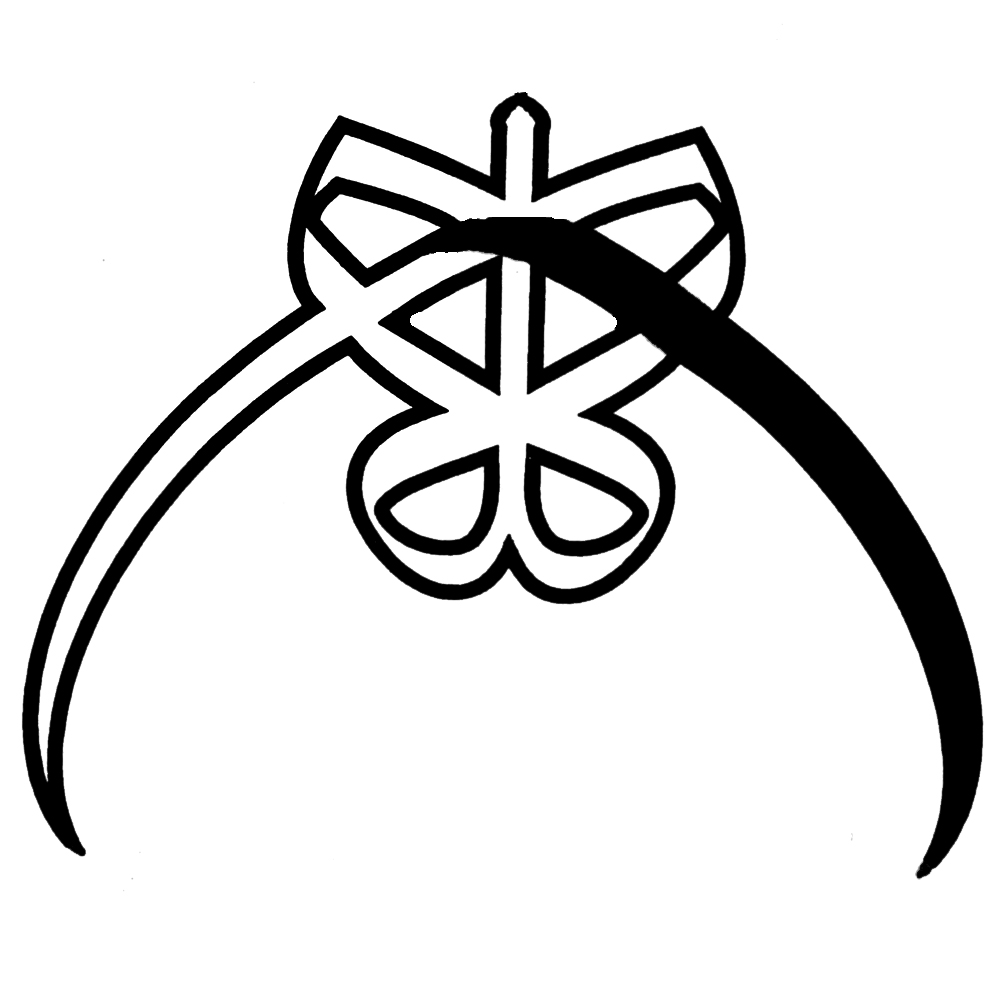
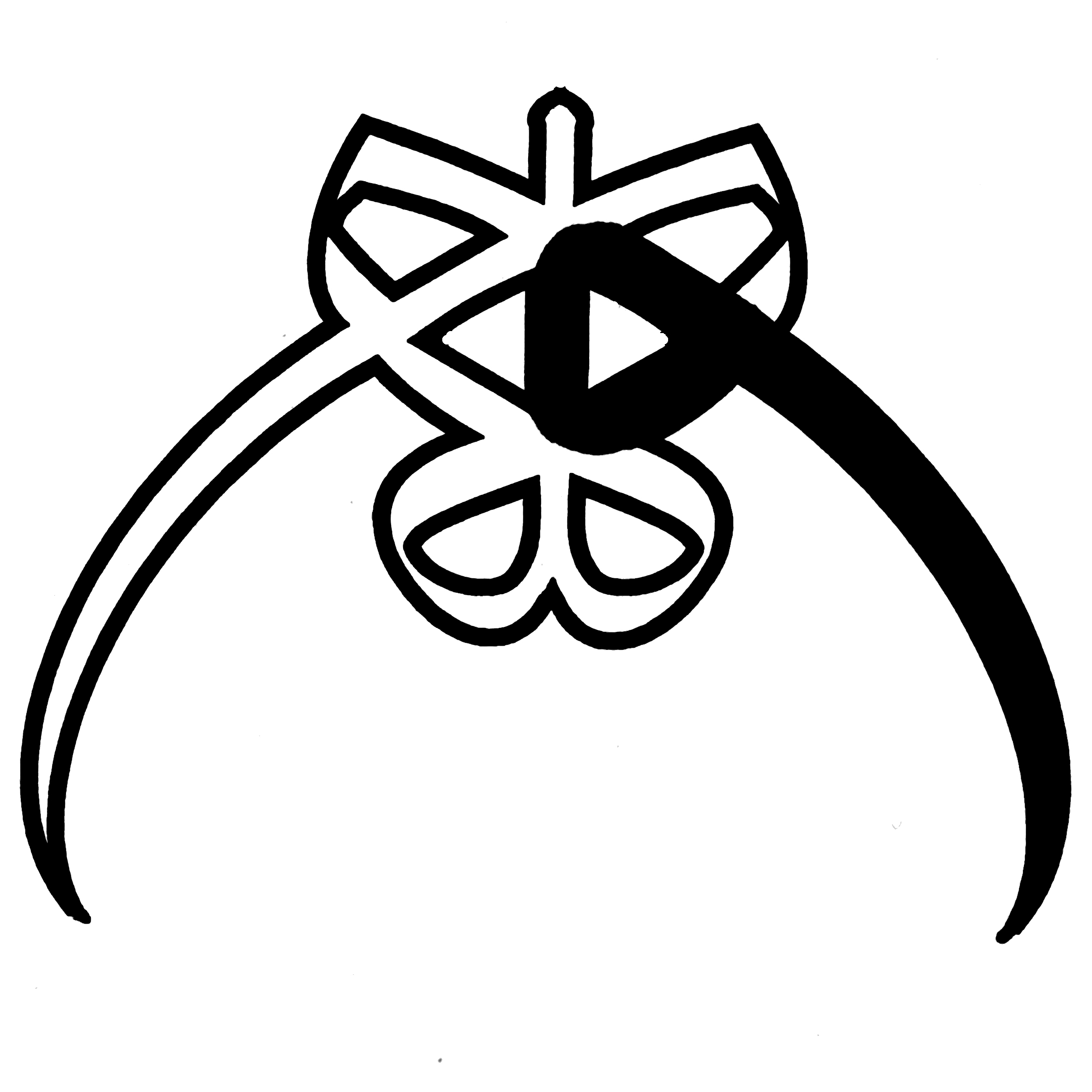
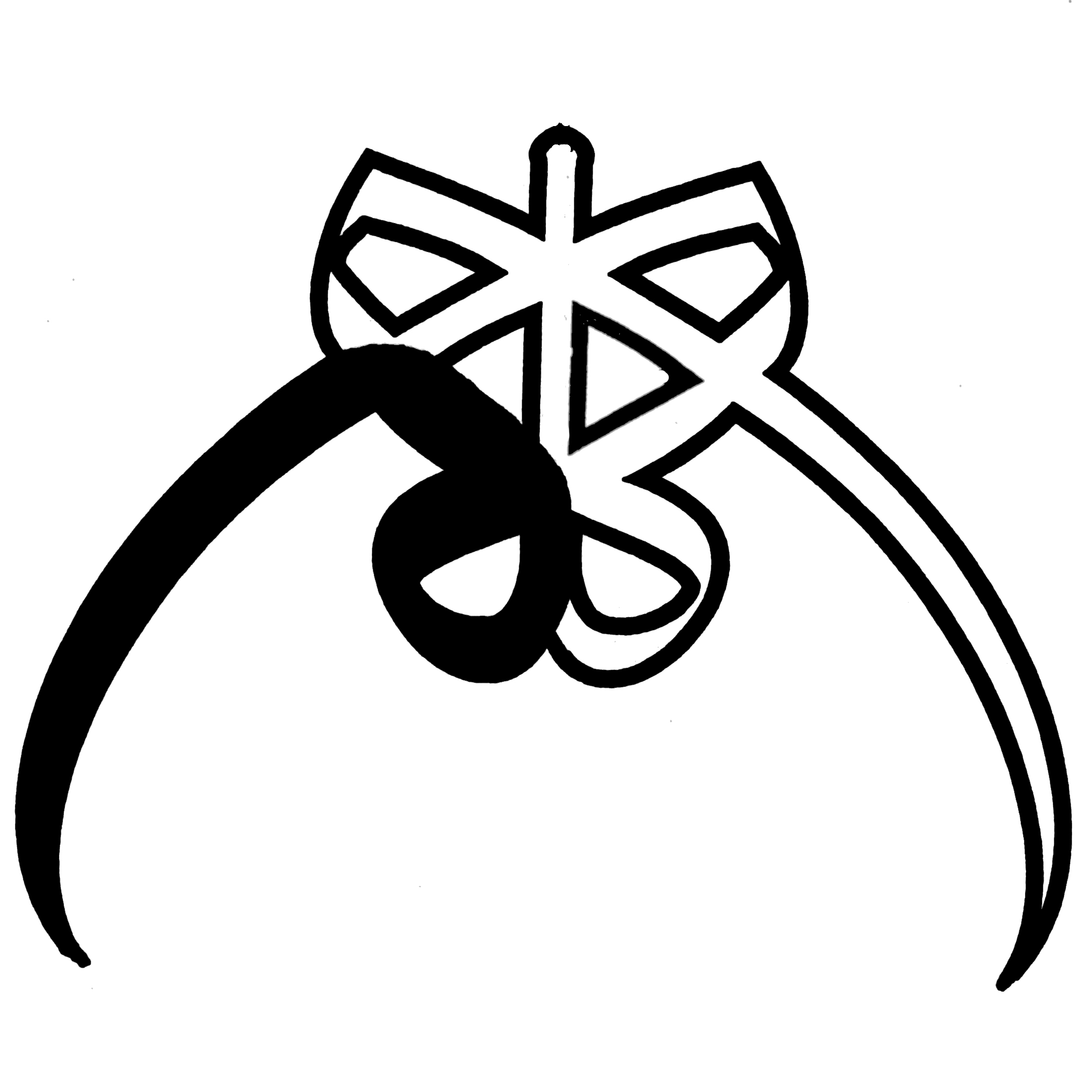
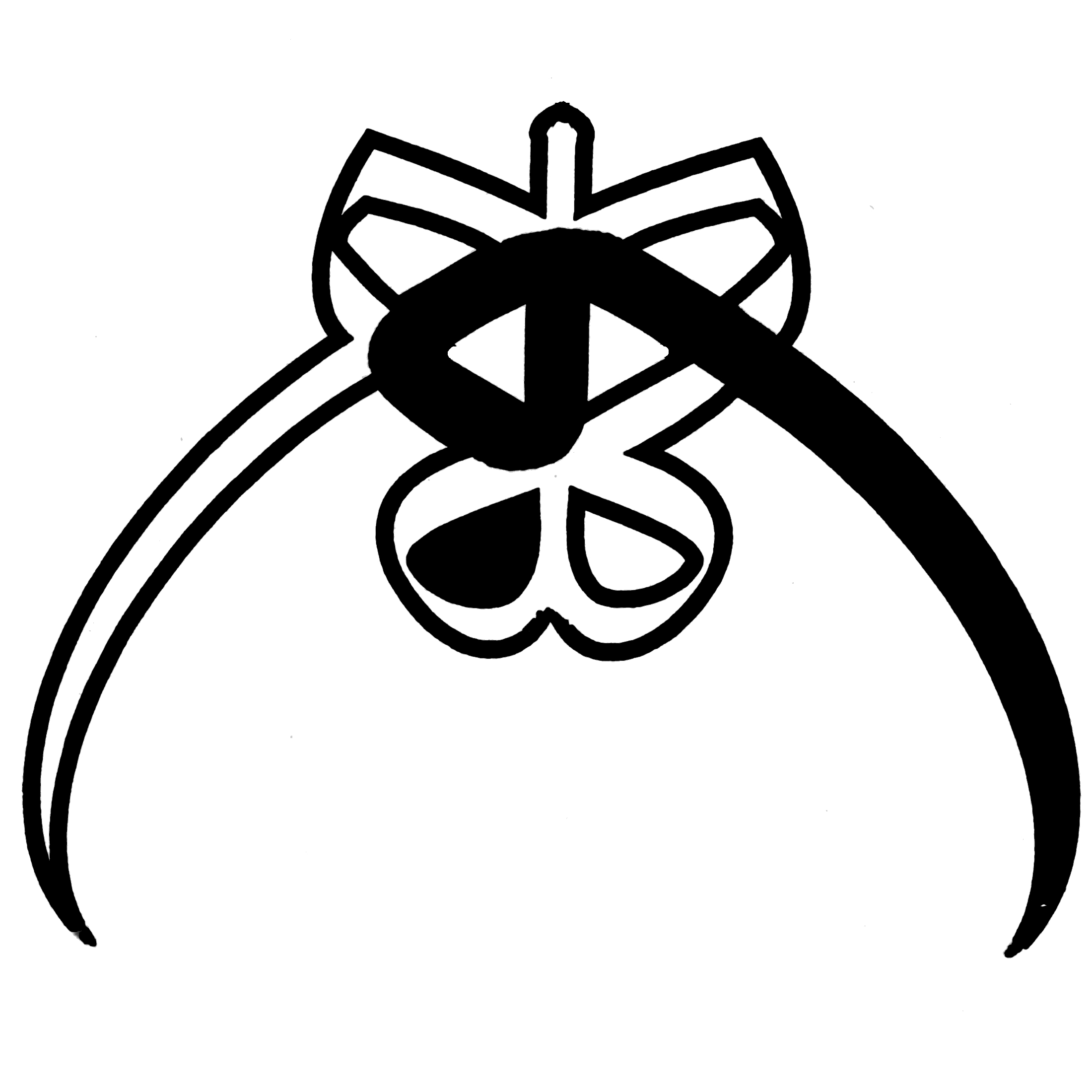
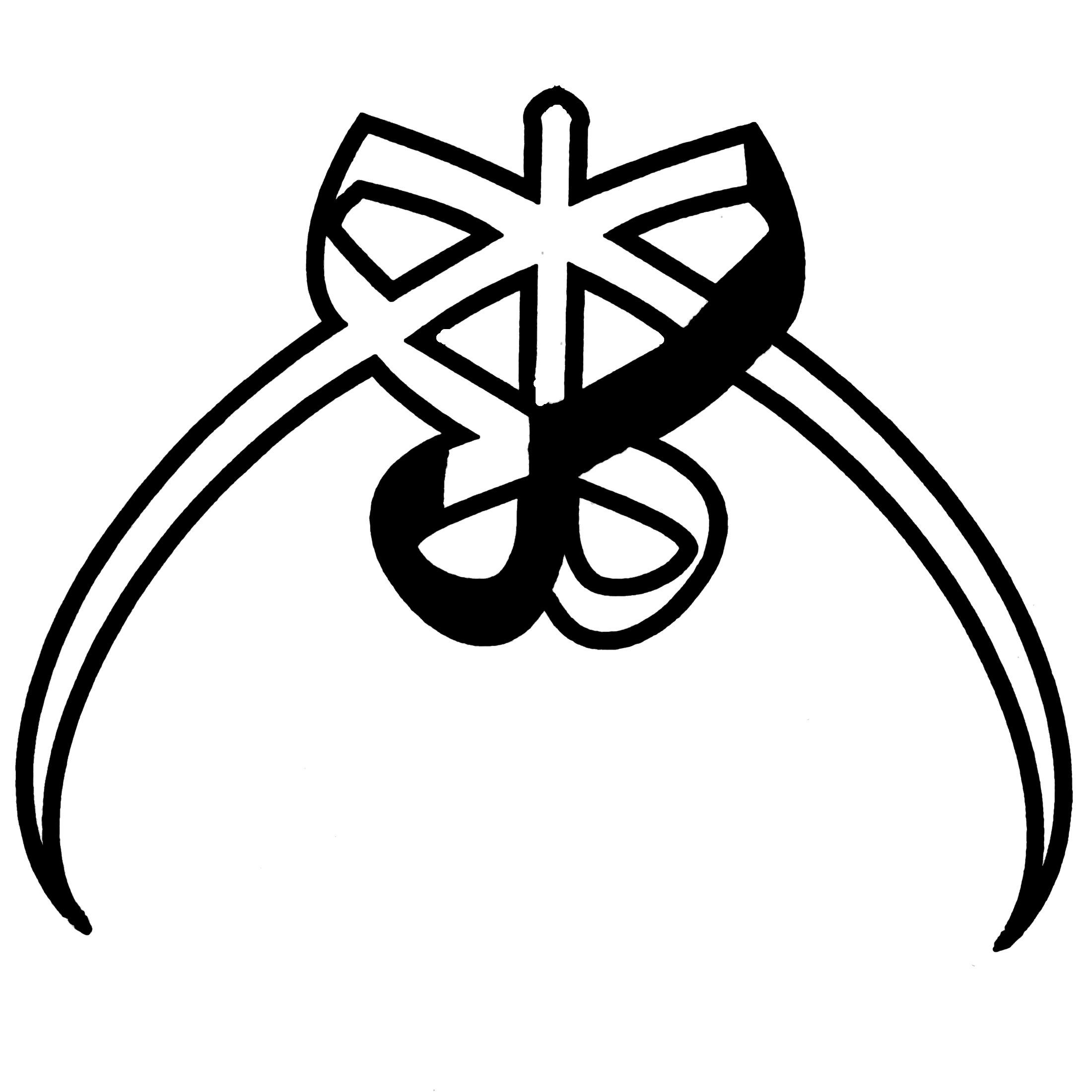
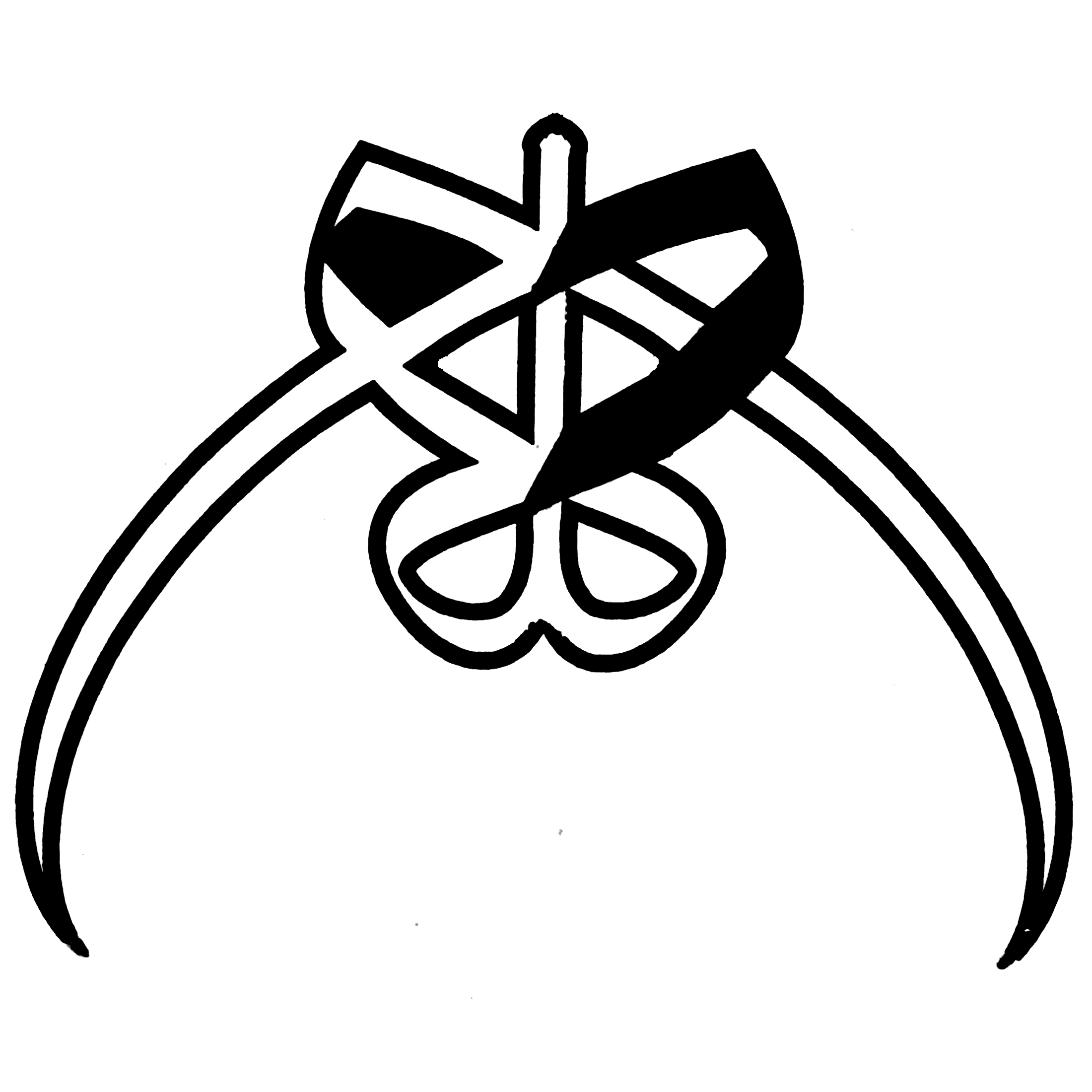
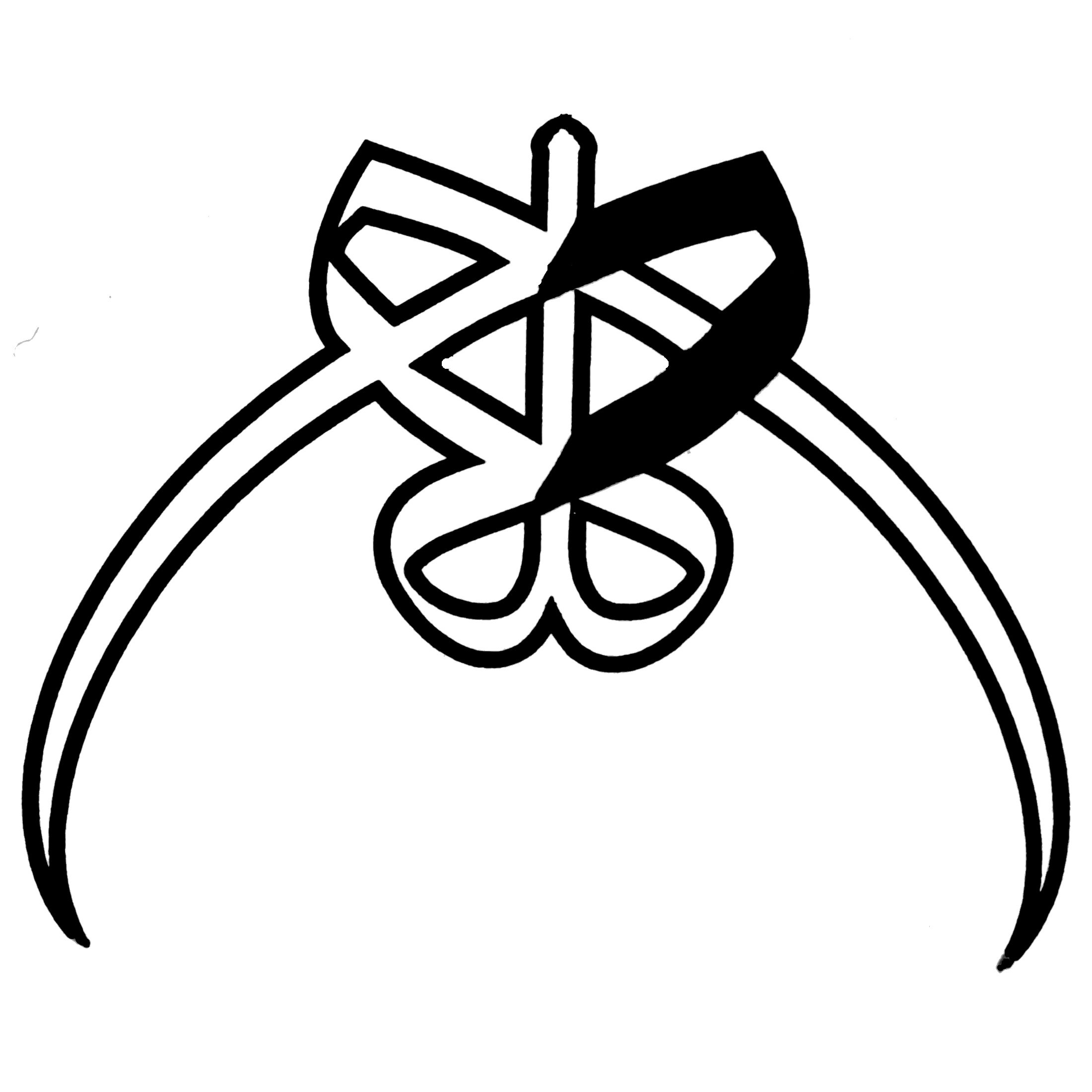
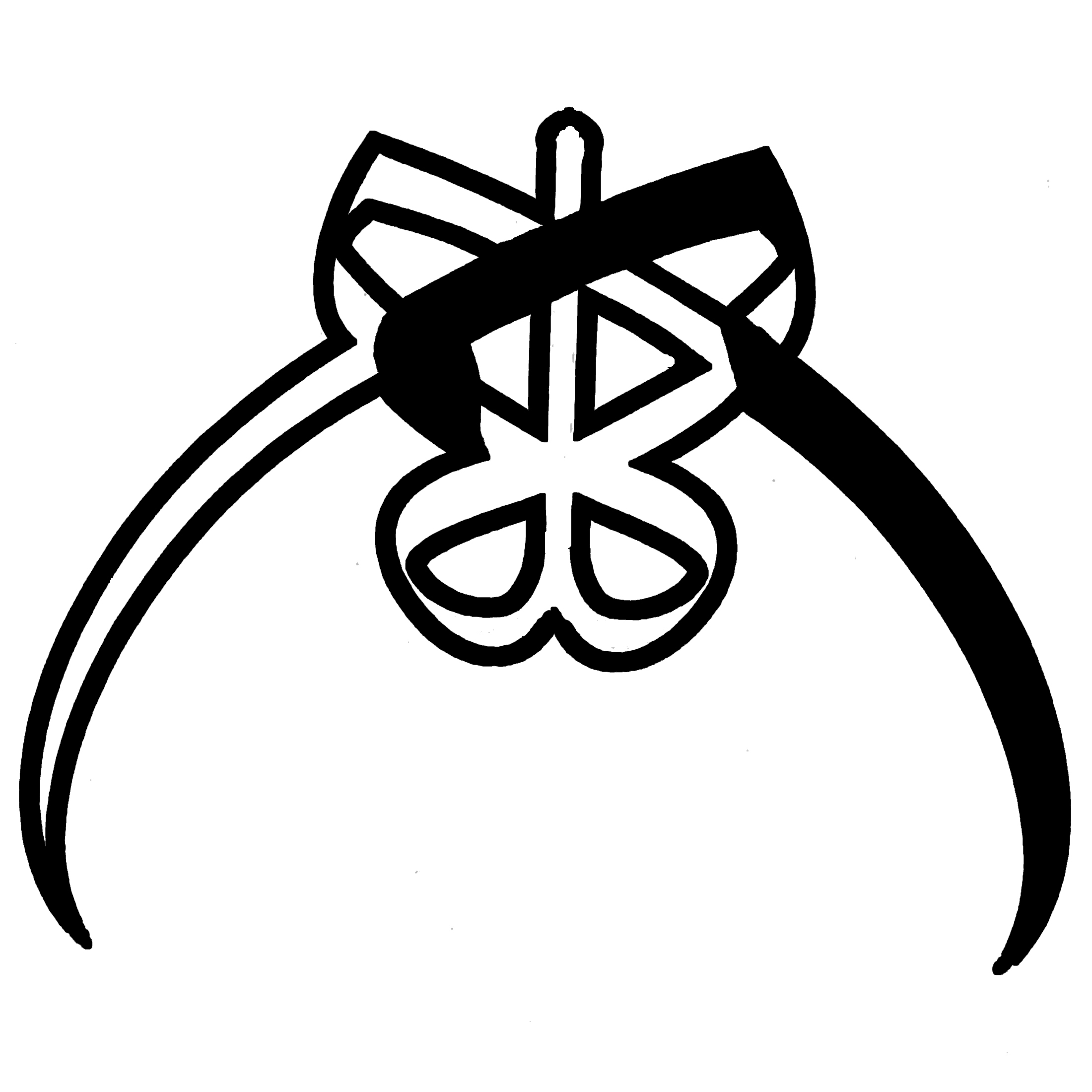
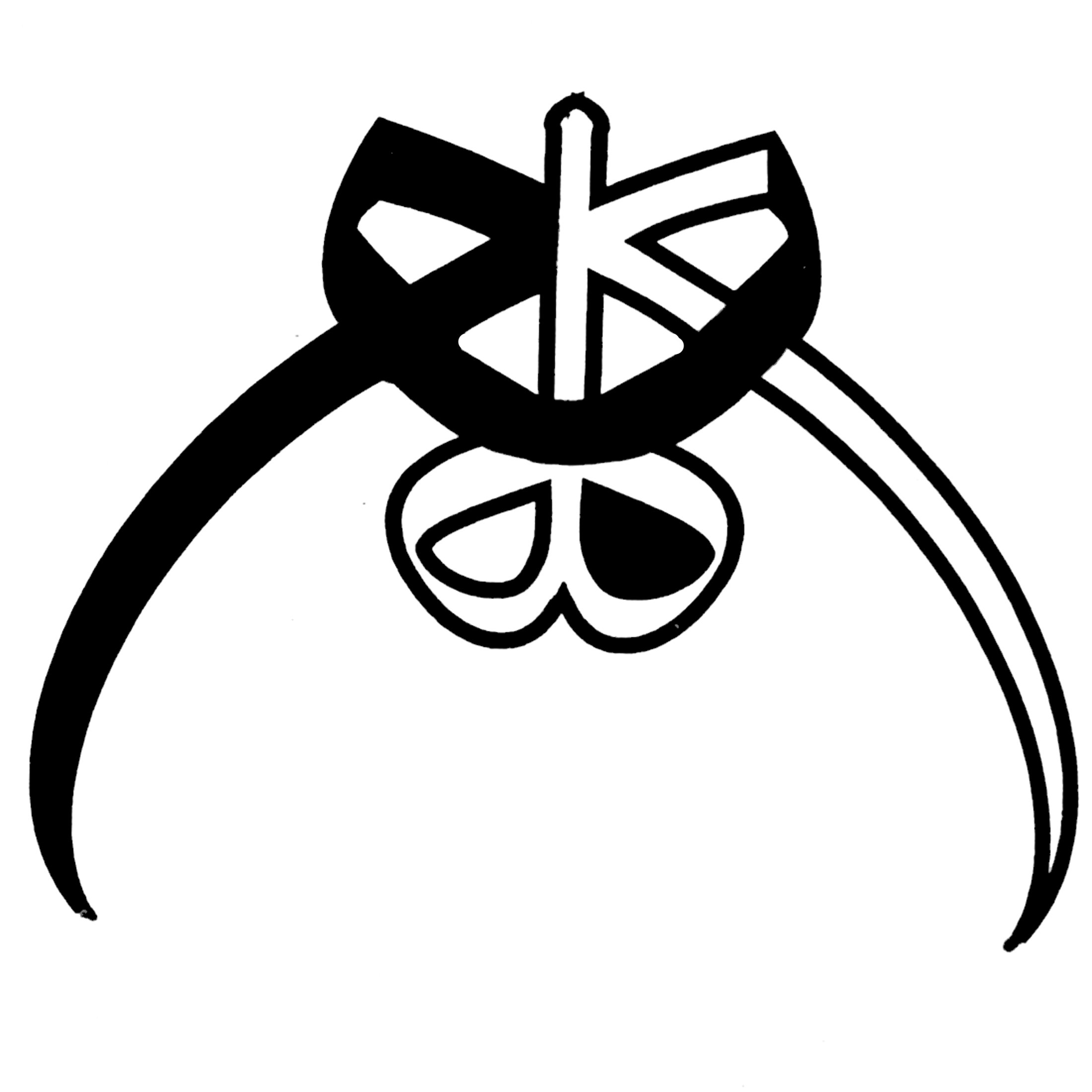
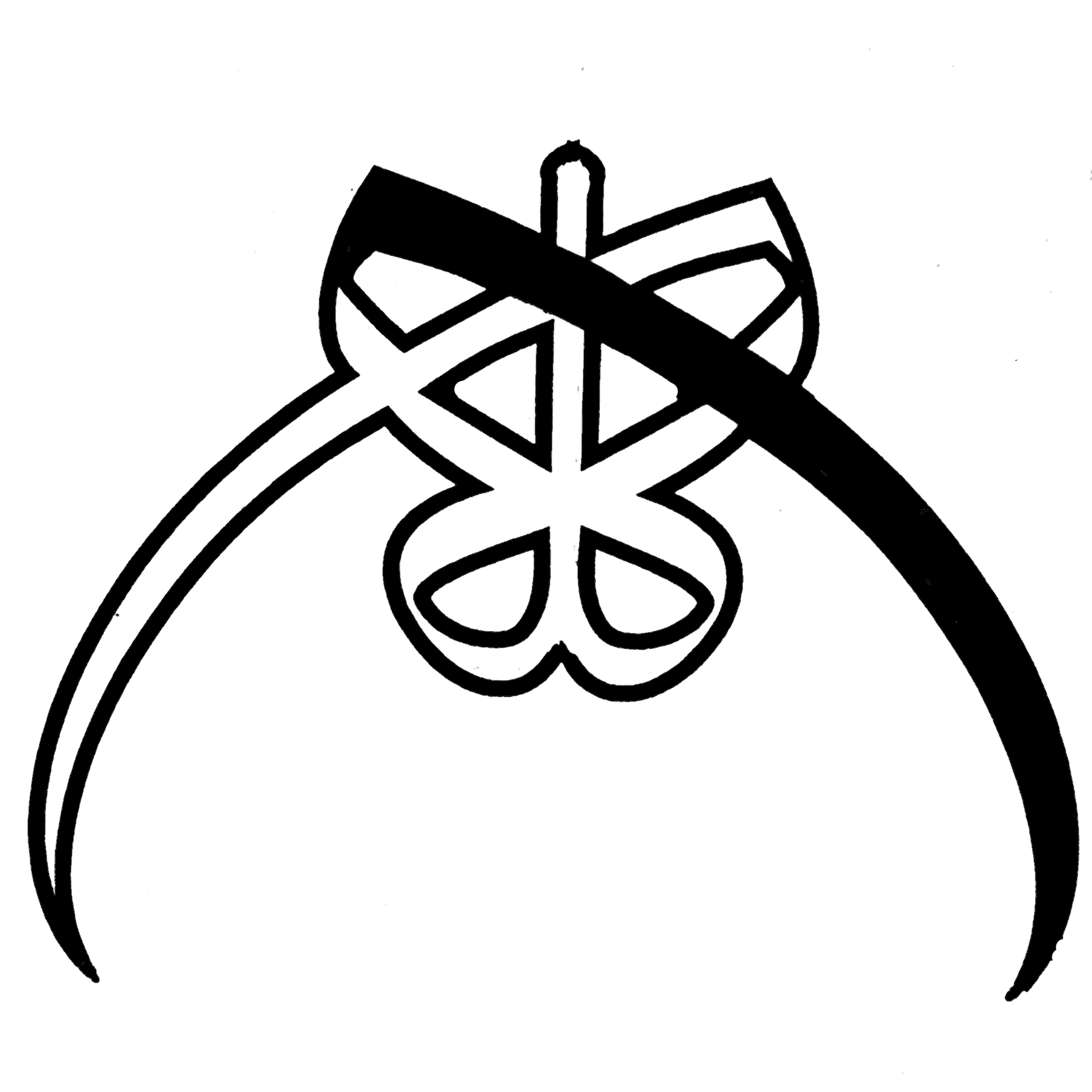
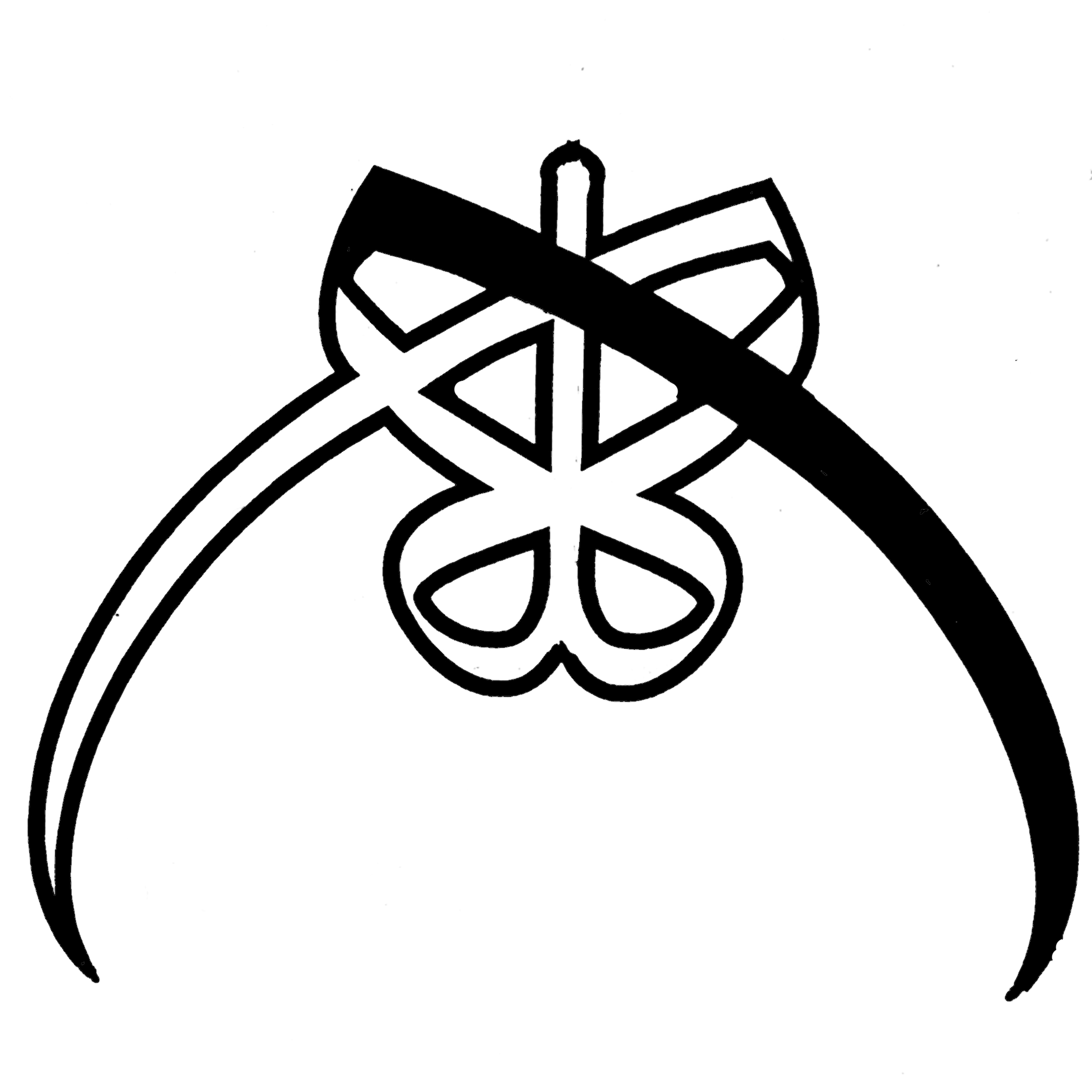
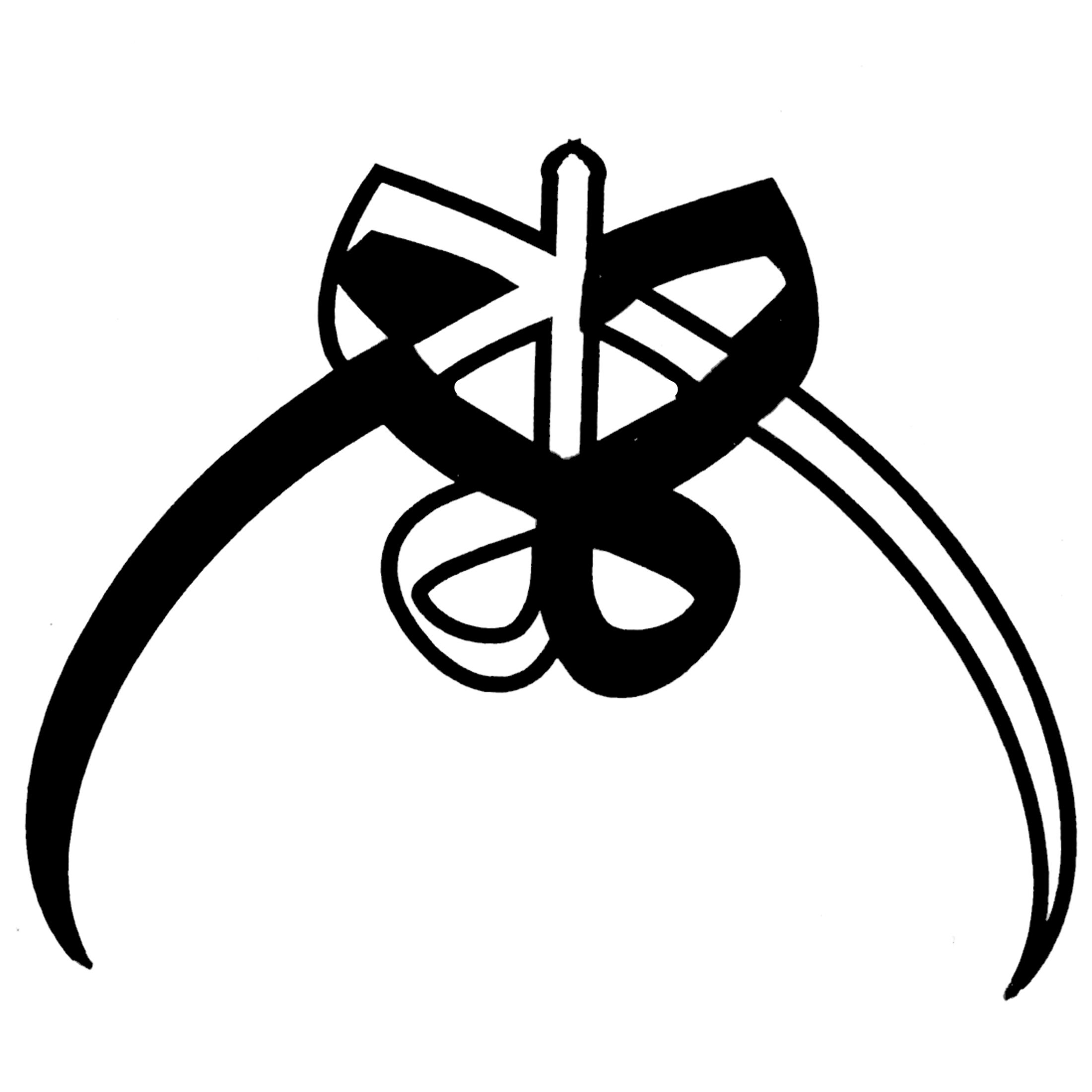
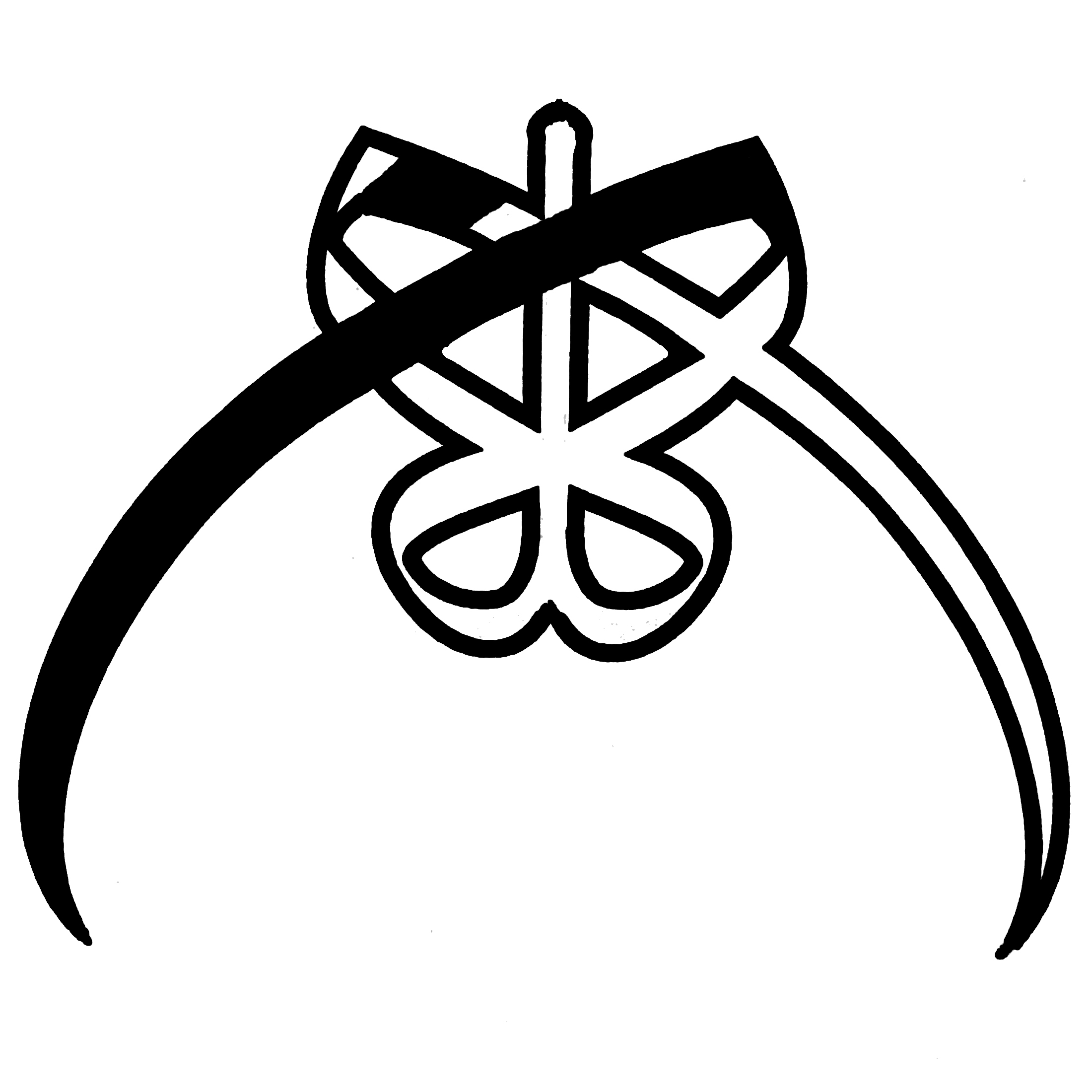
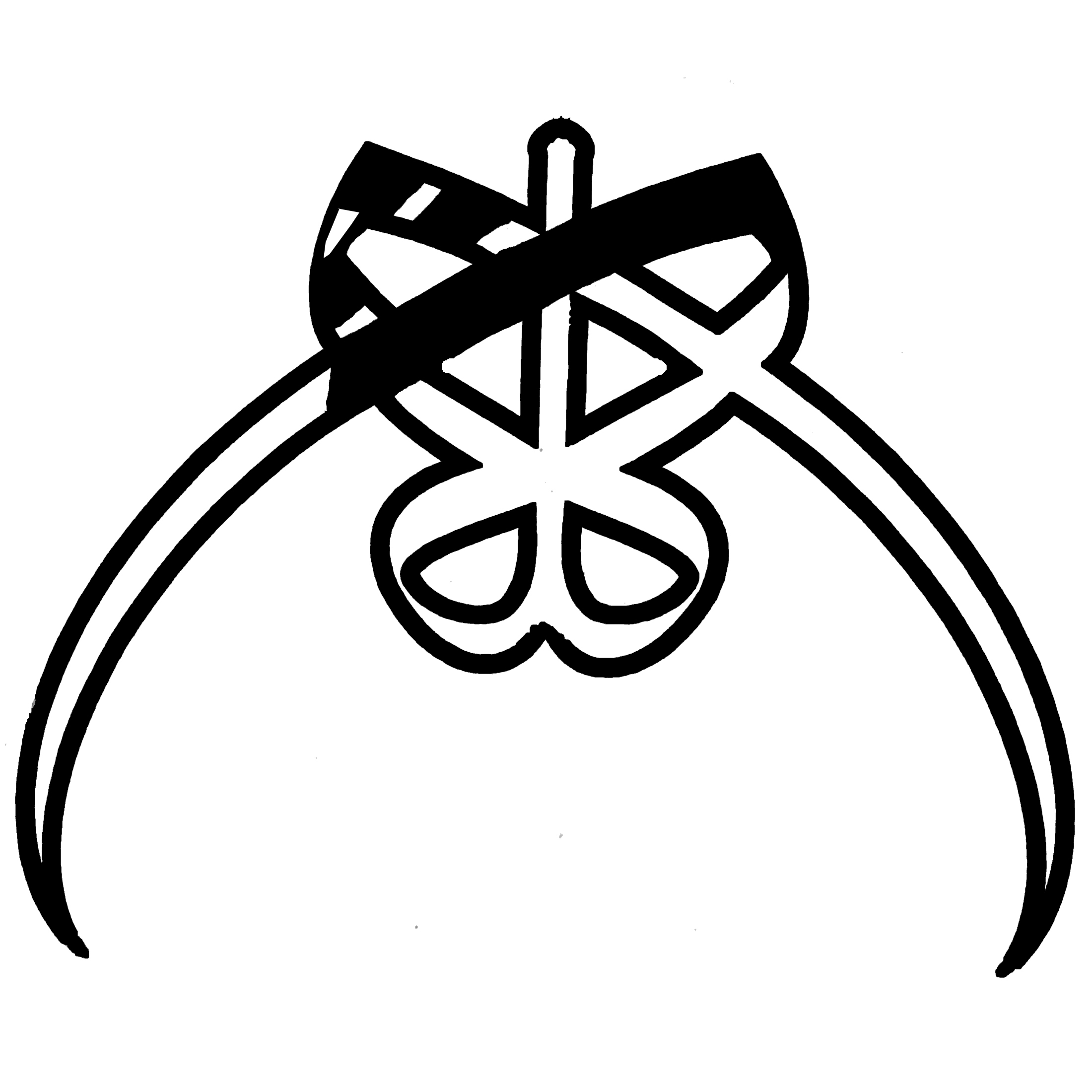
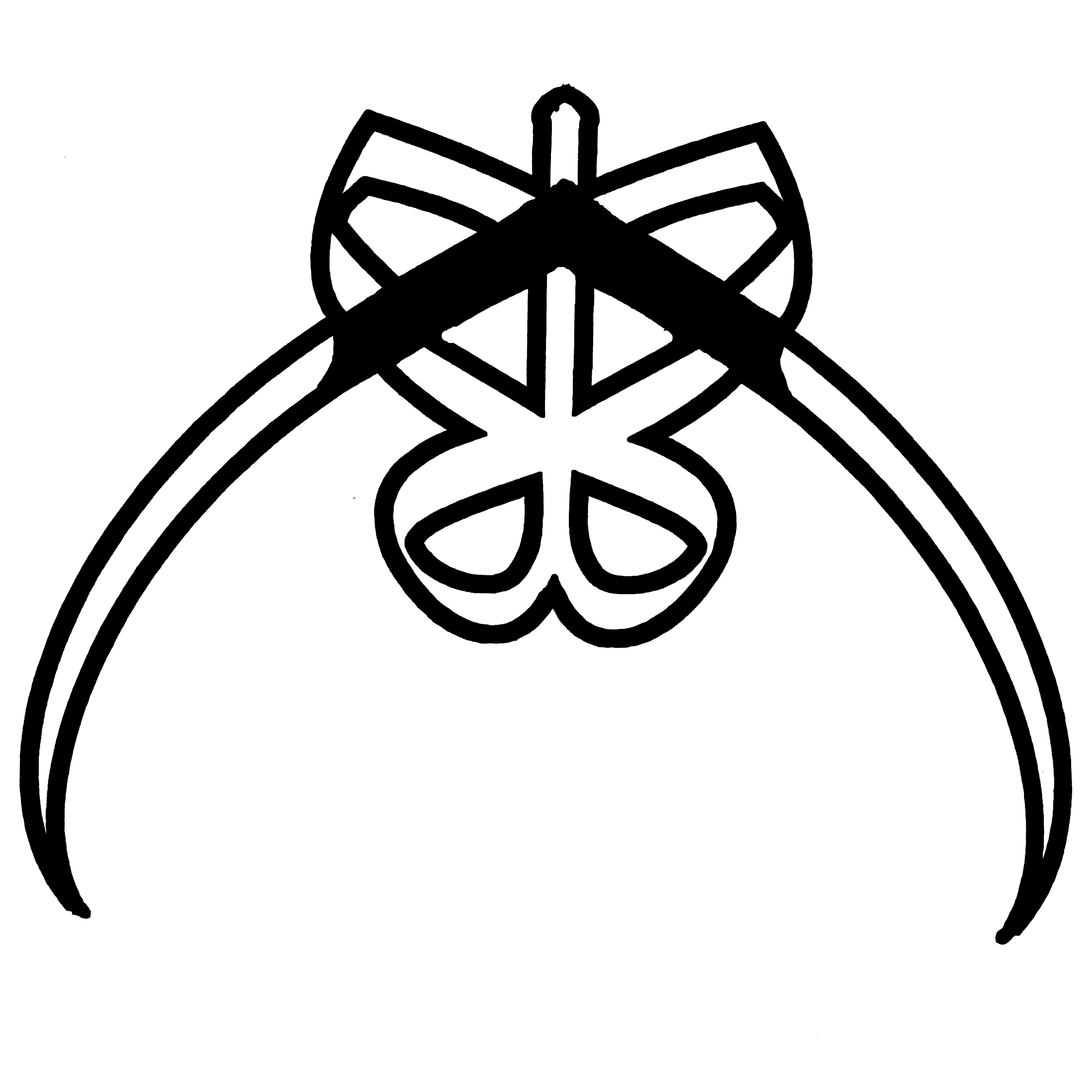
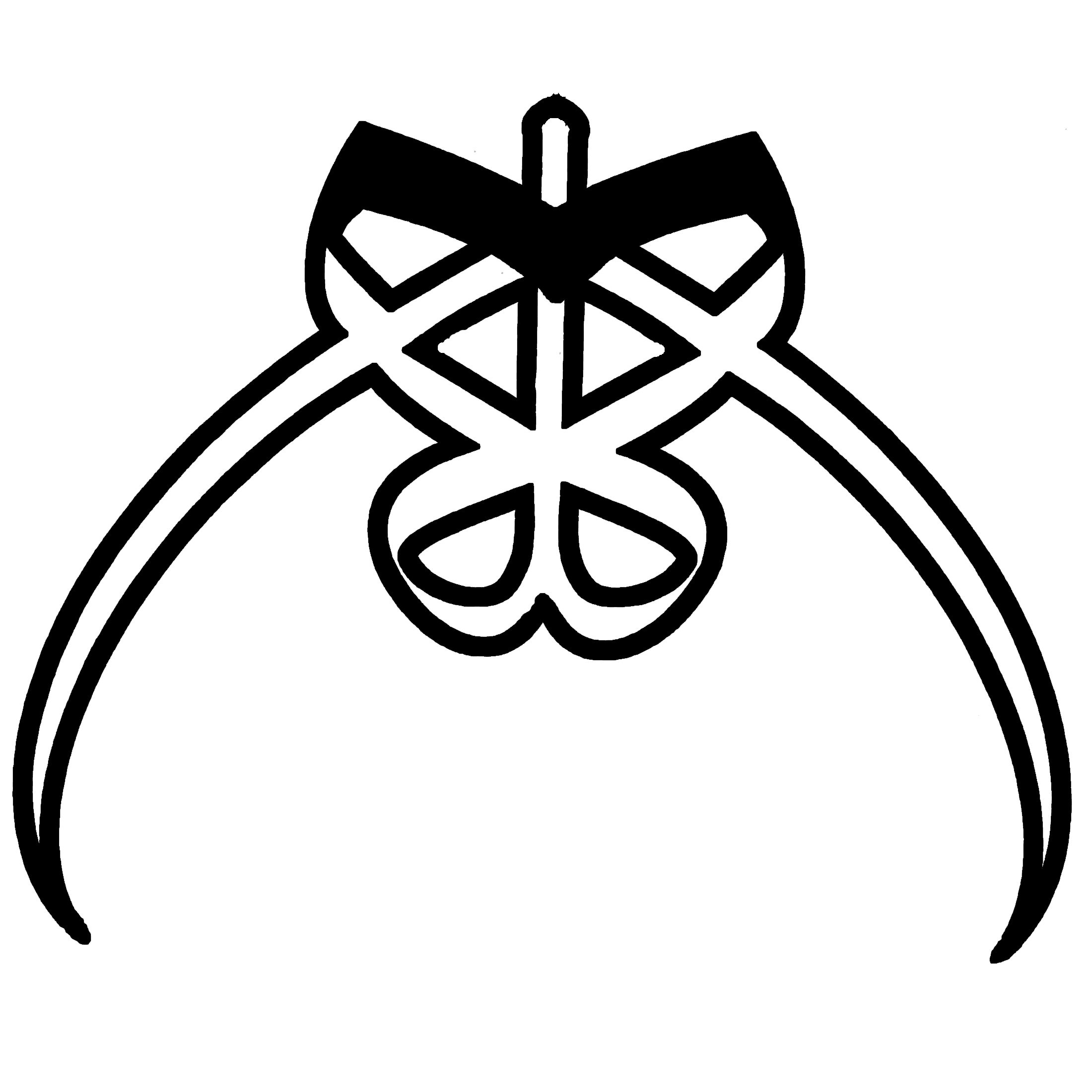
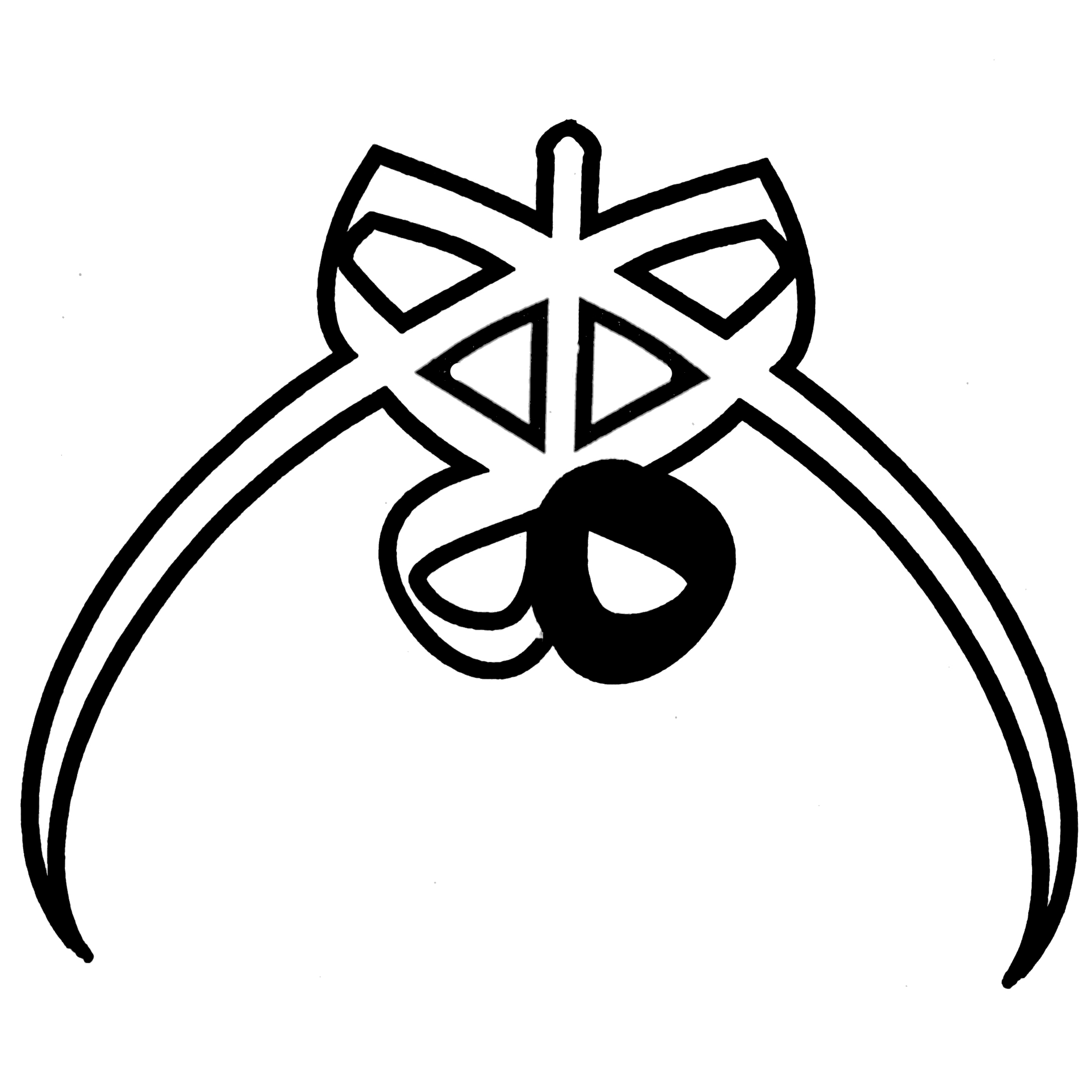
In this design, it departs from its traditional upright form and is reinterpreted as an extended curvilinear path. Beginning at the upper left portion of the structure, it traverses the central core and concludes in the large arc on the right side.
The prominent right-hand curve is therefore understood as the continuation of the Alif.
This reinterpretation enables the letter to preserve its symbolic associations with stability, elevation, and transcendence while integrating harmoniously into the symmetrical geometry of the composition.
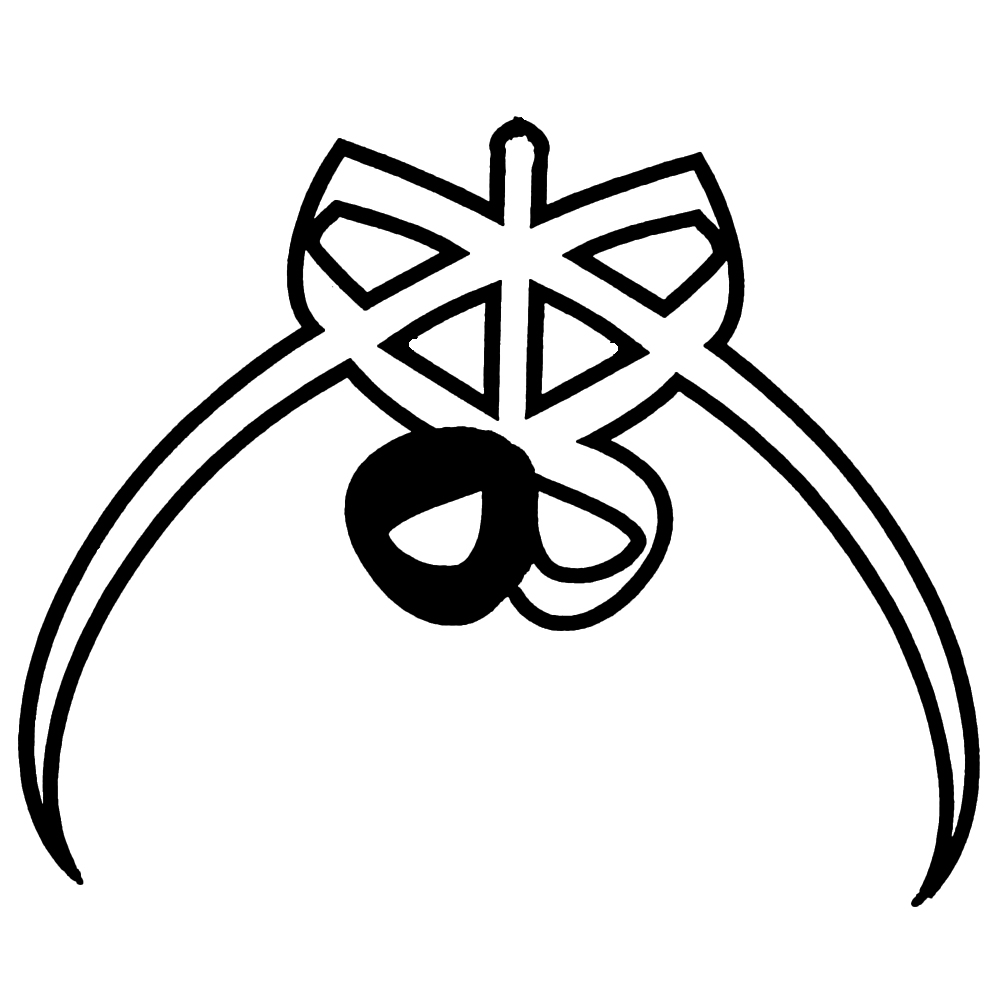
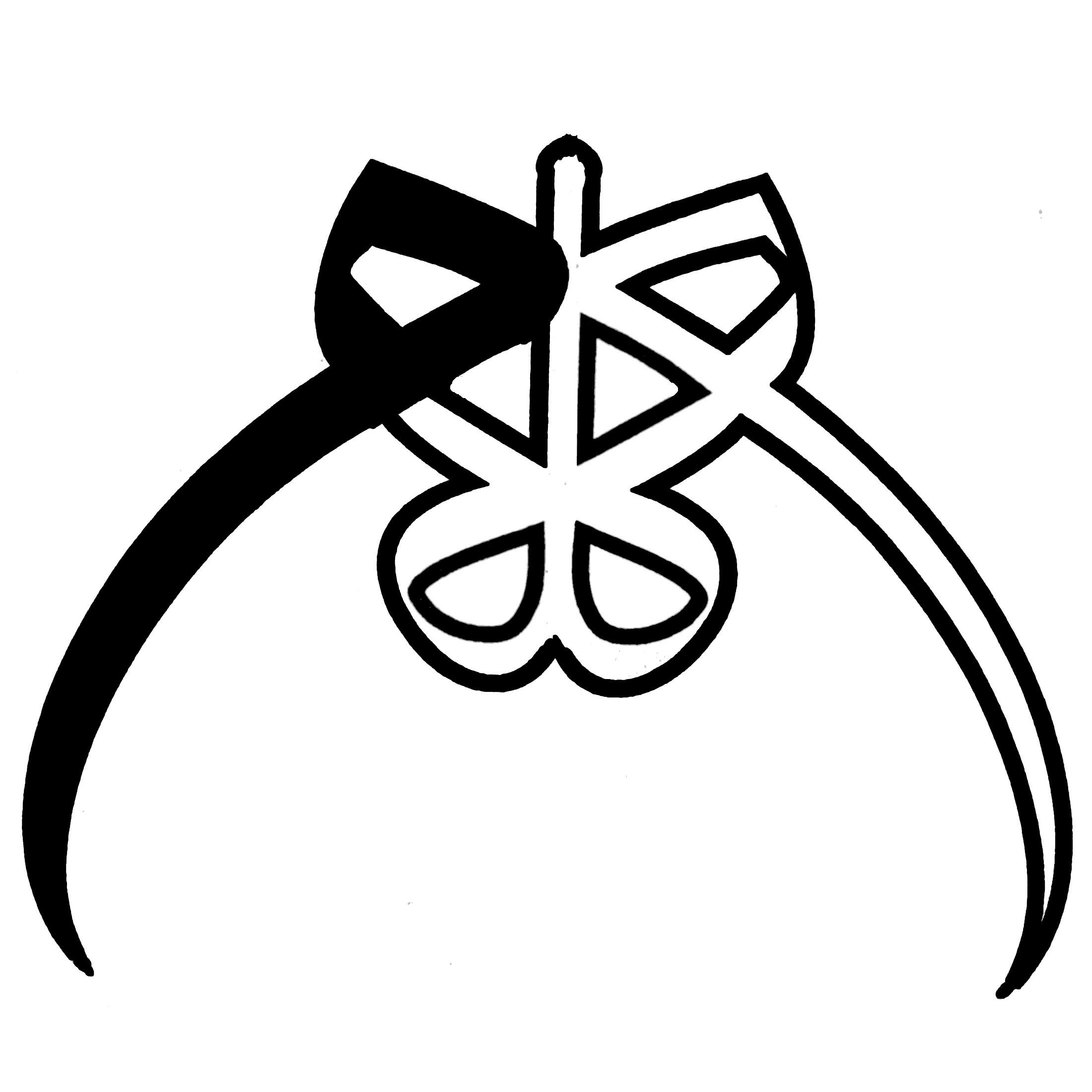
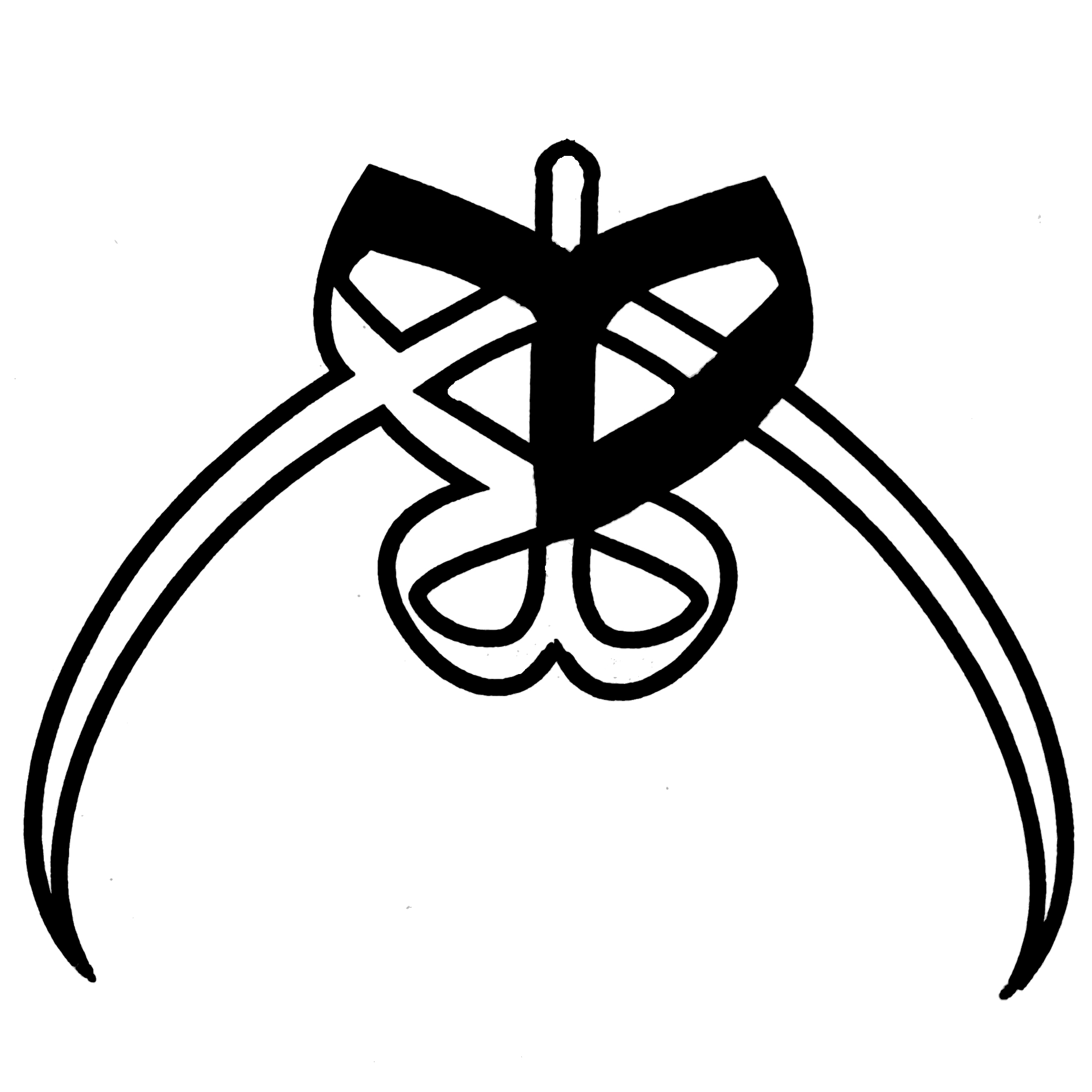
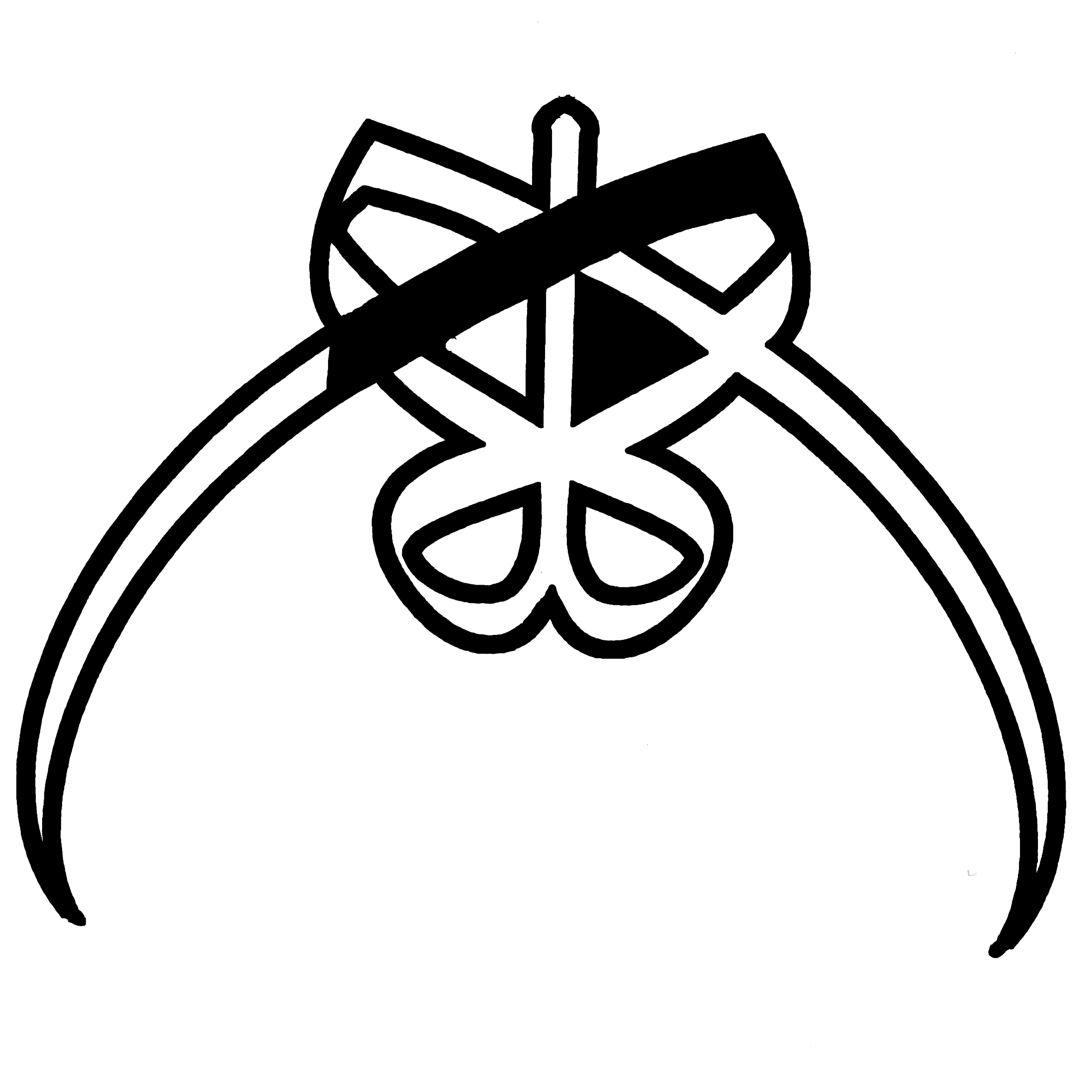
The First Lam: The Element of Connection
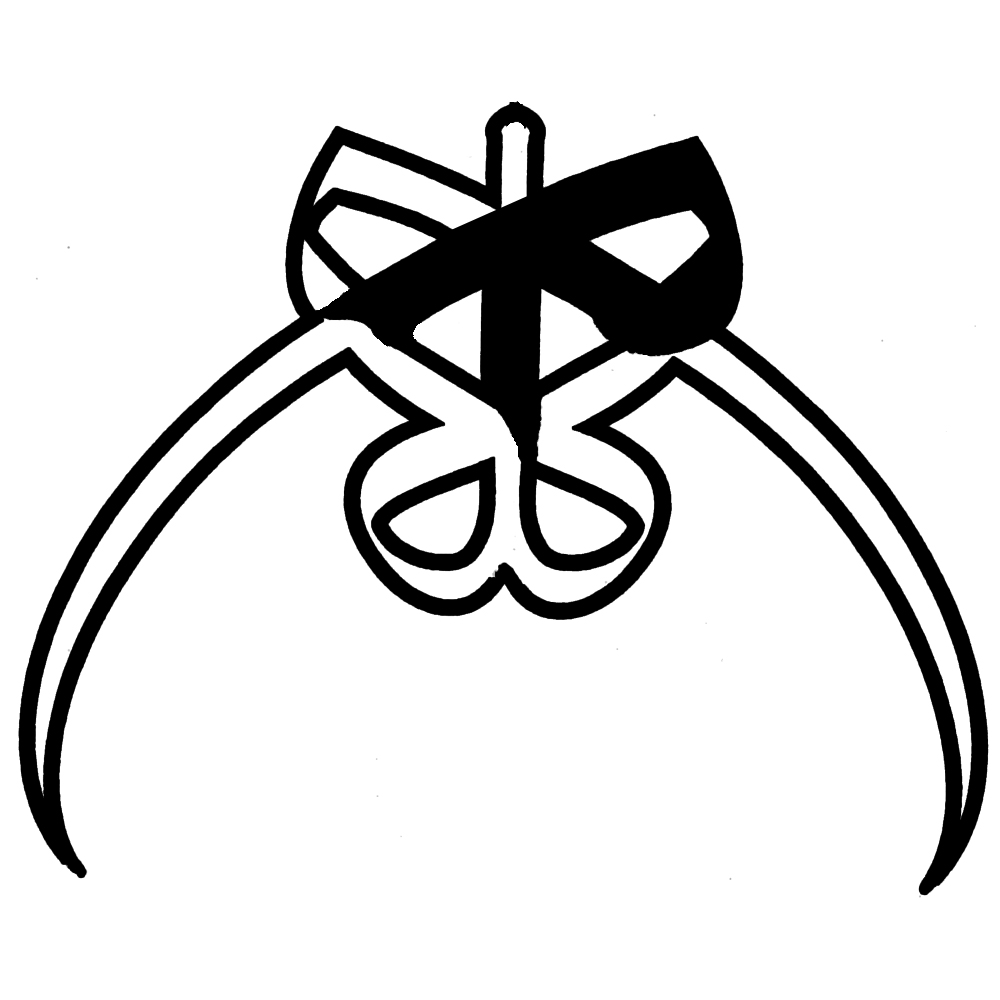
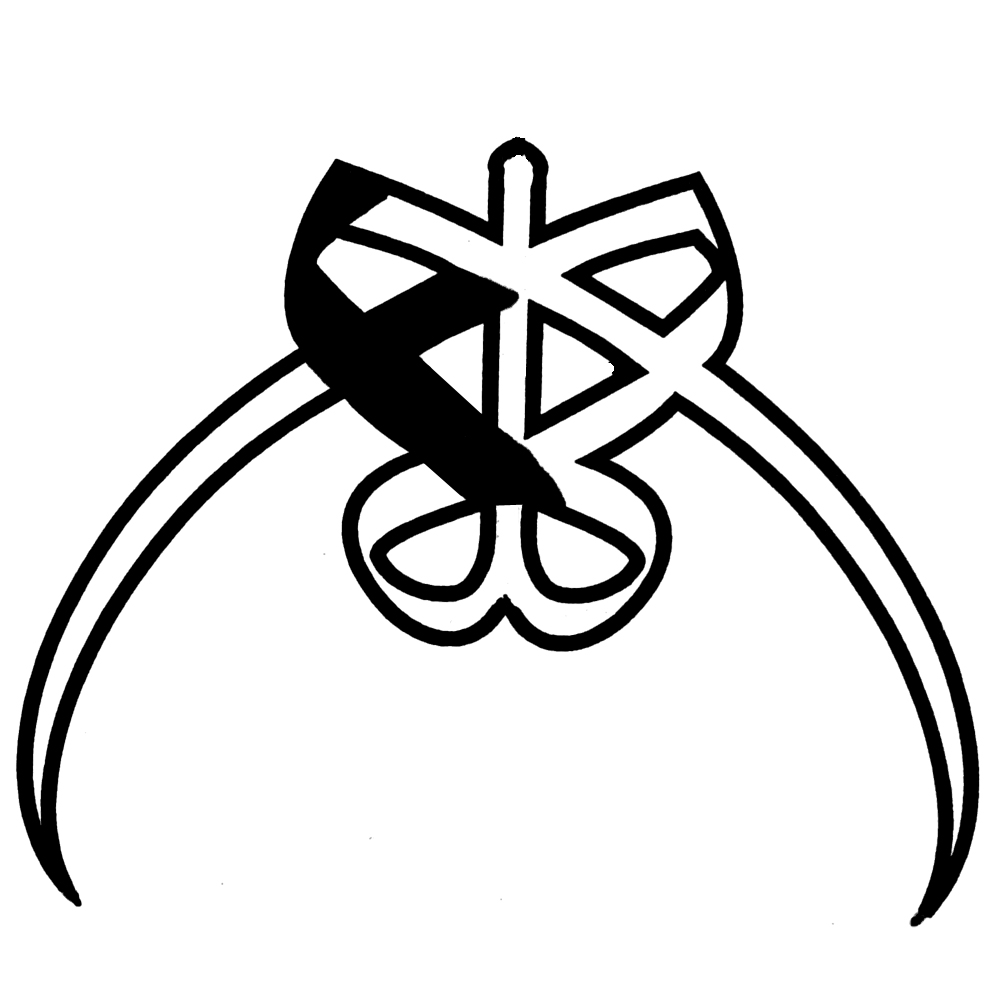
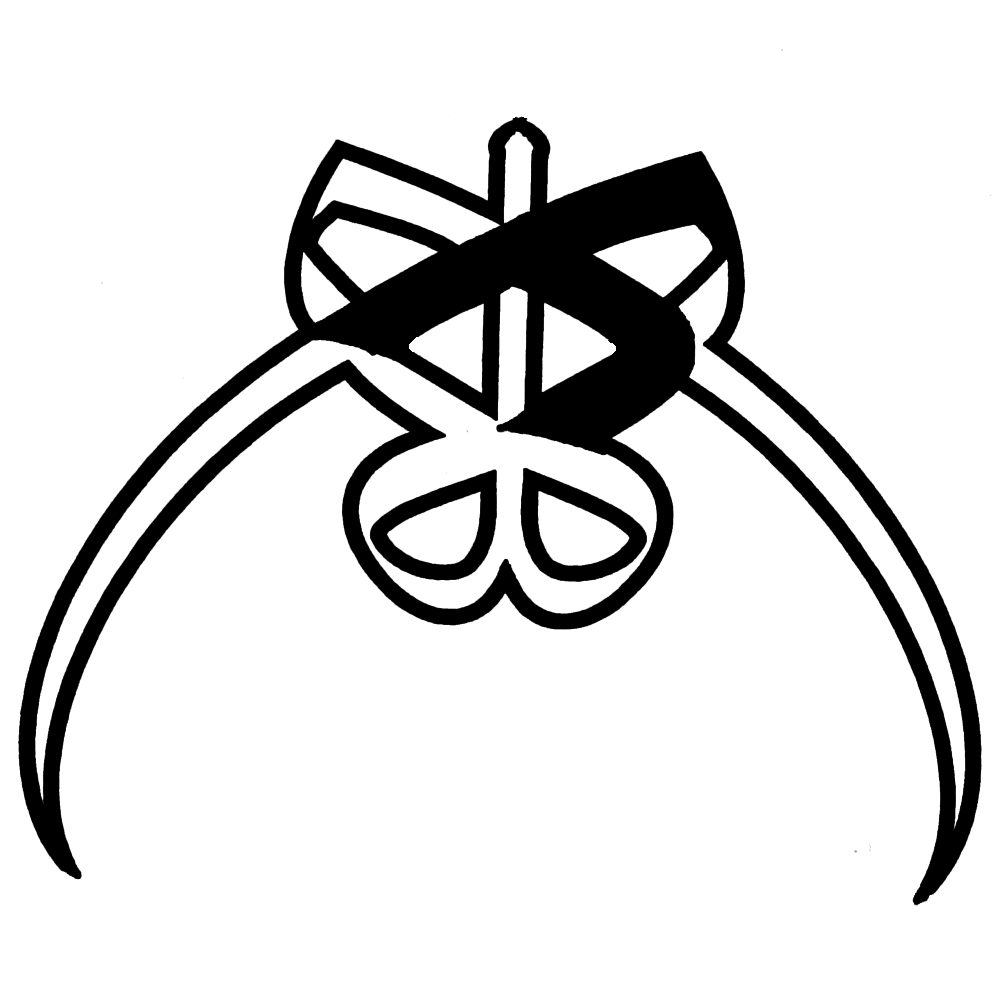
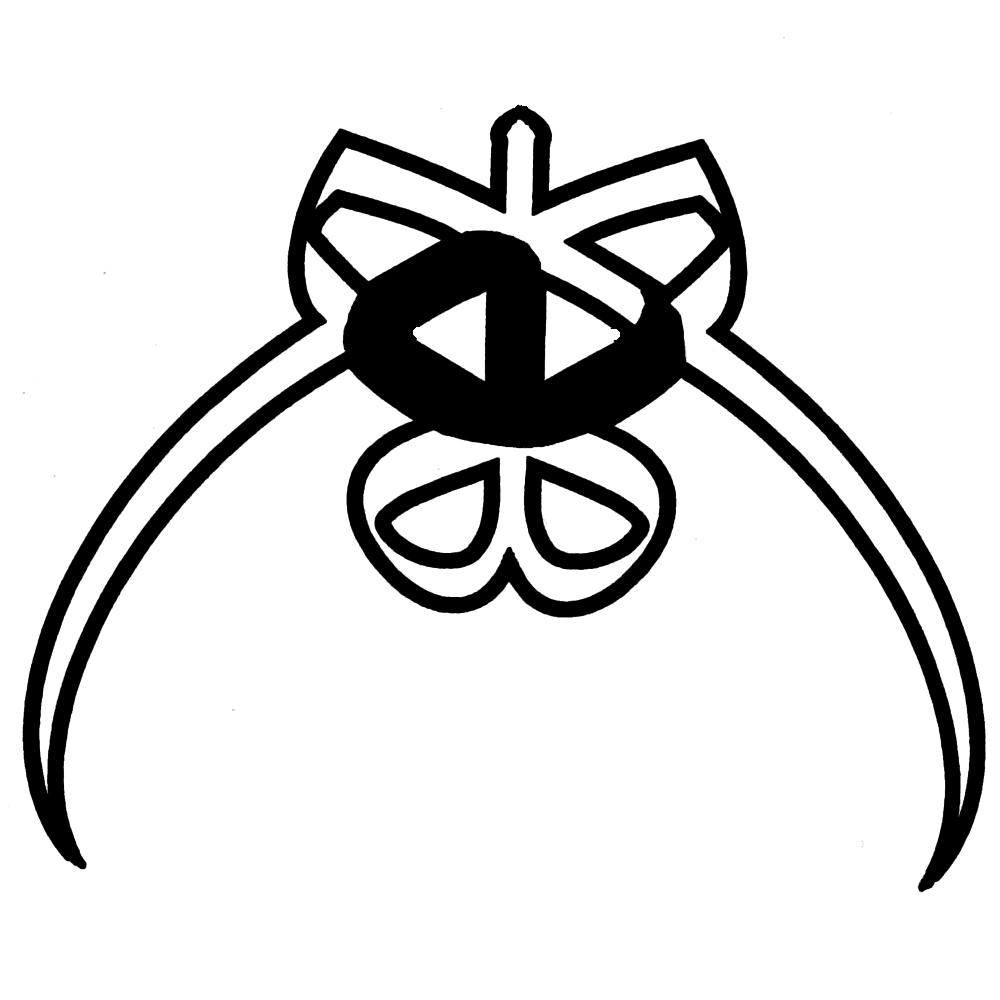
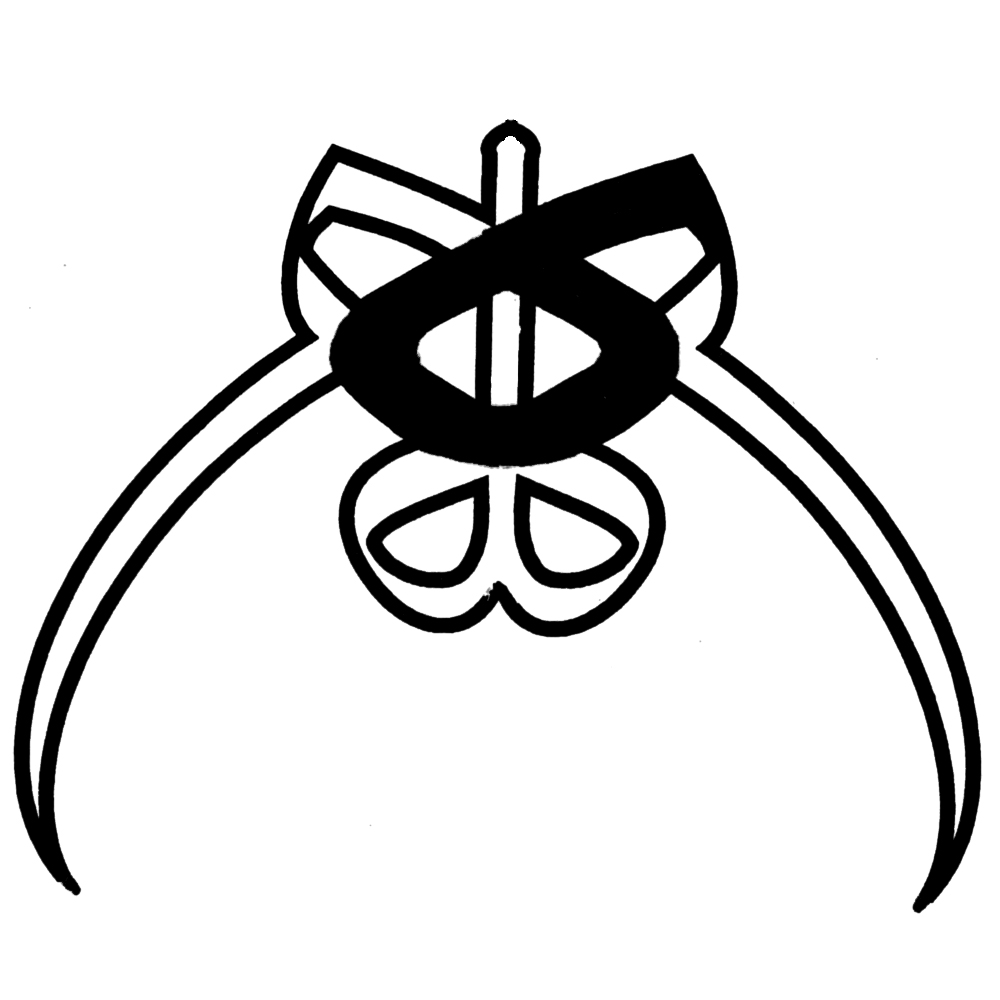
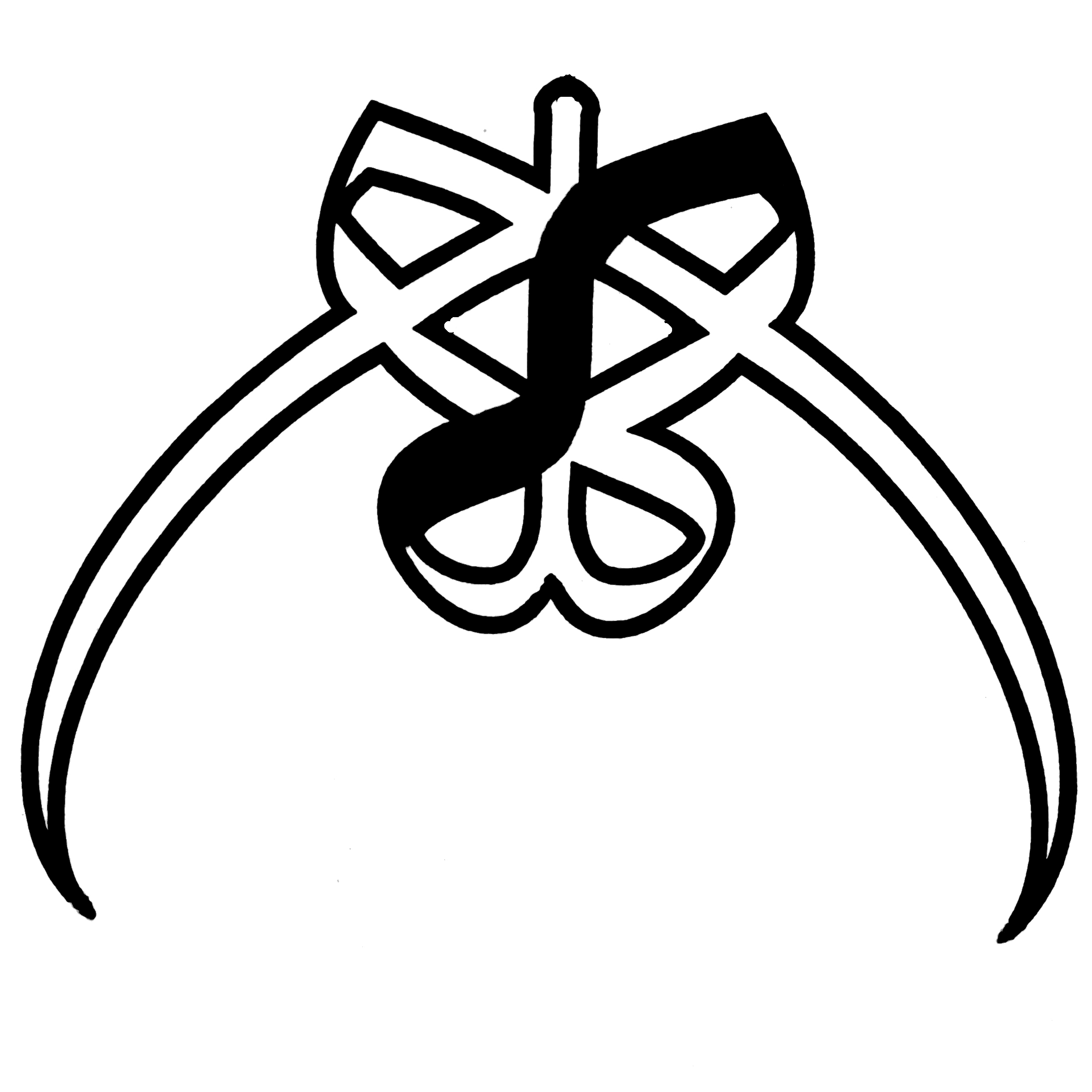
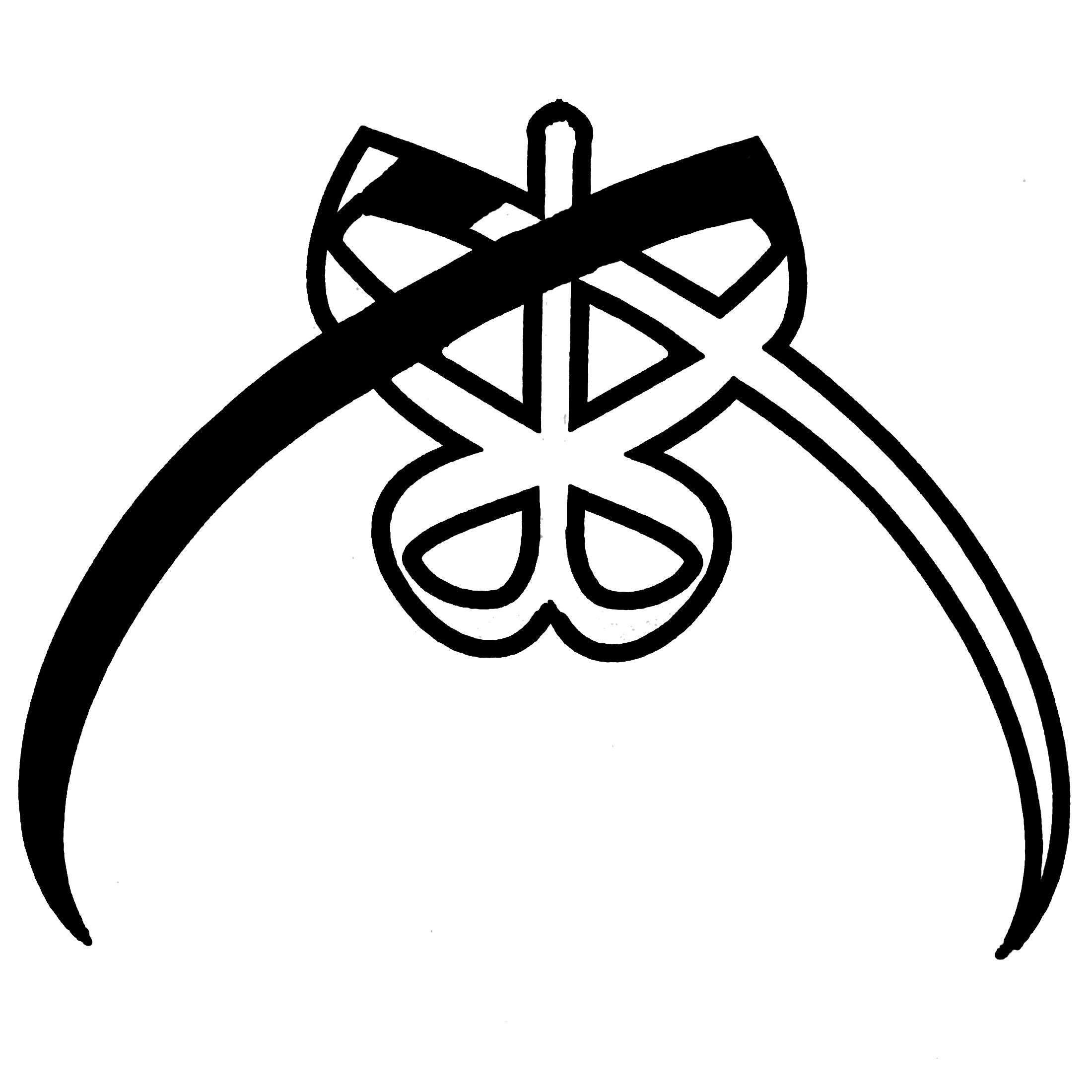
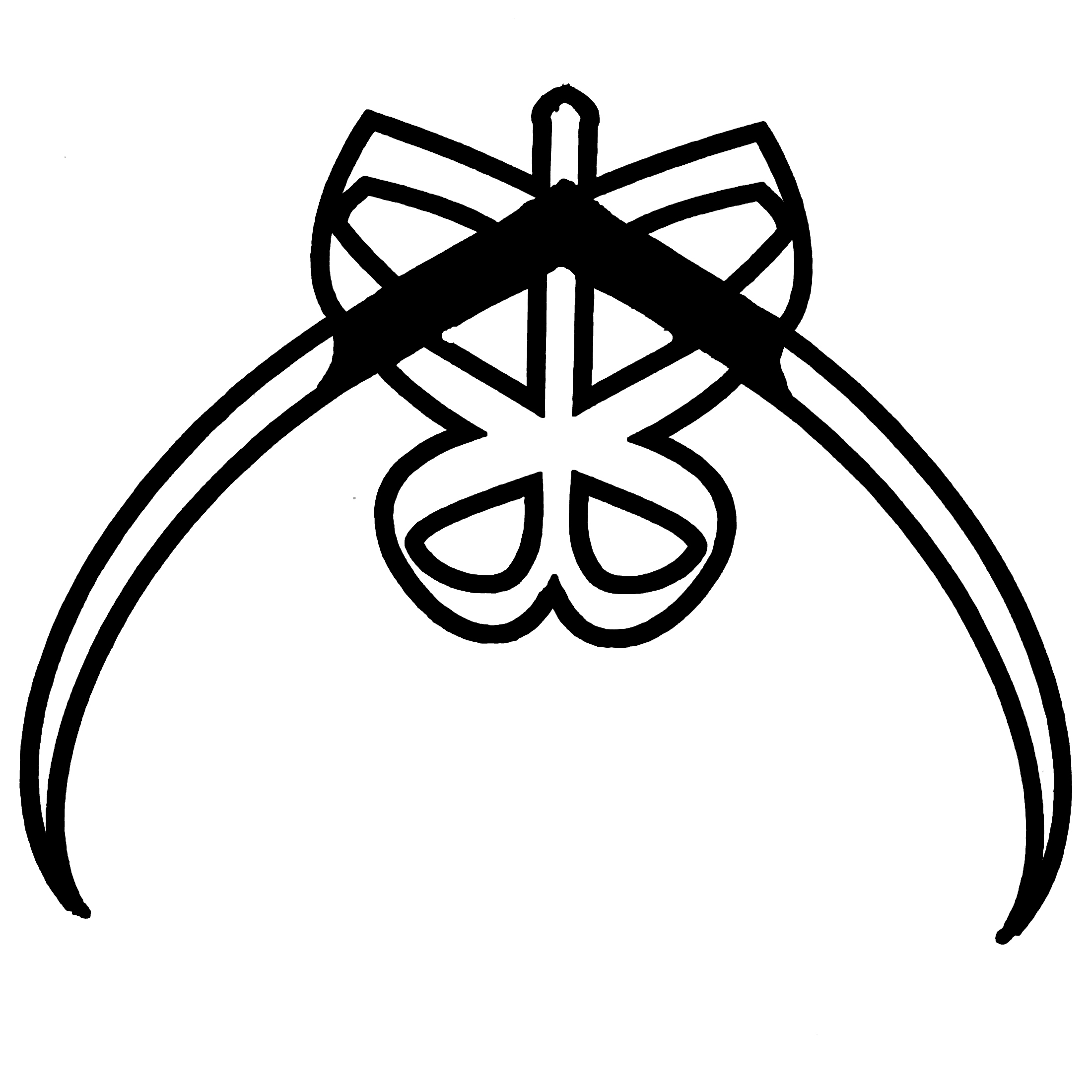
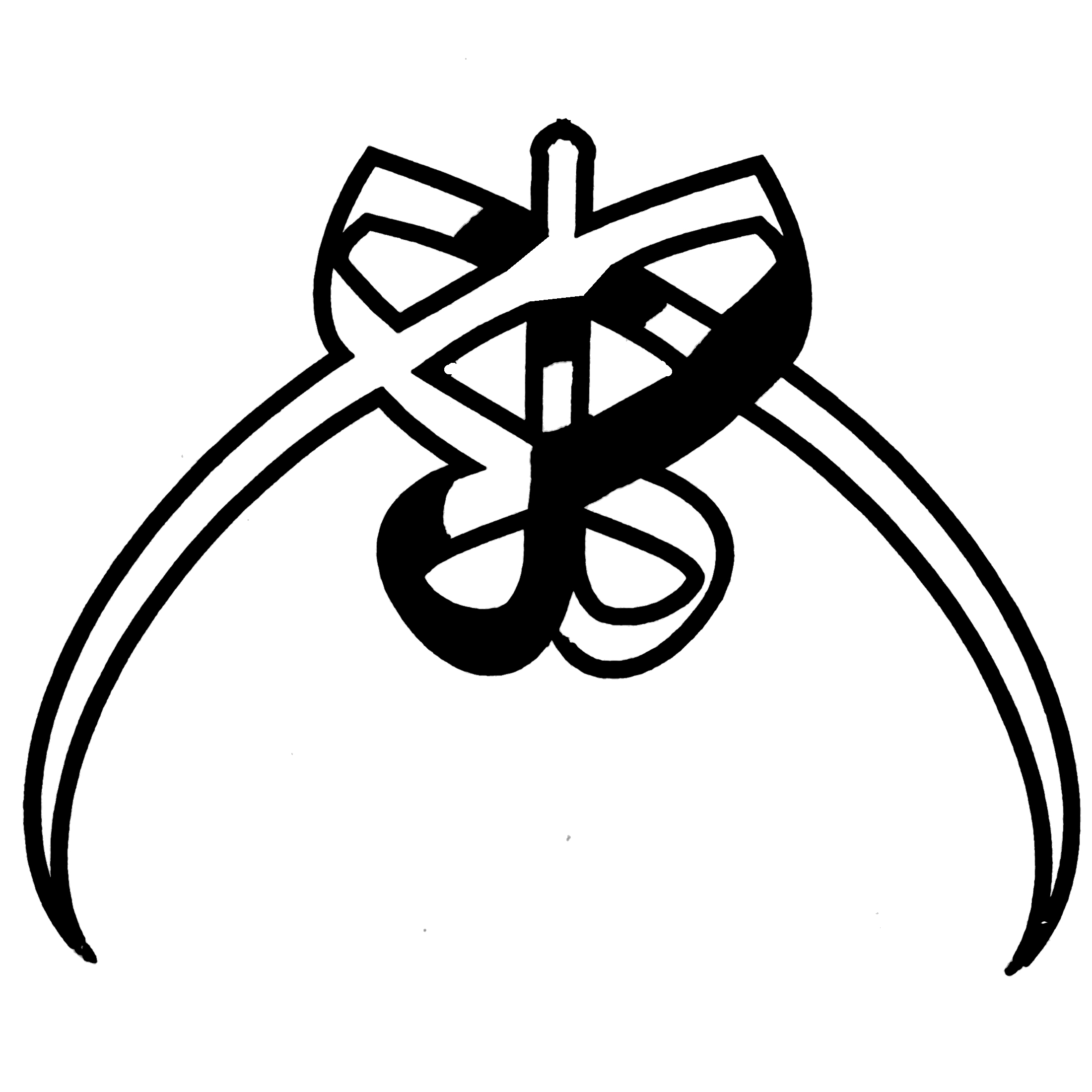
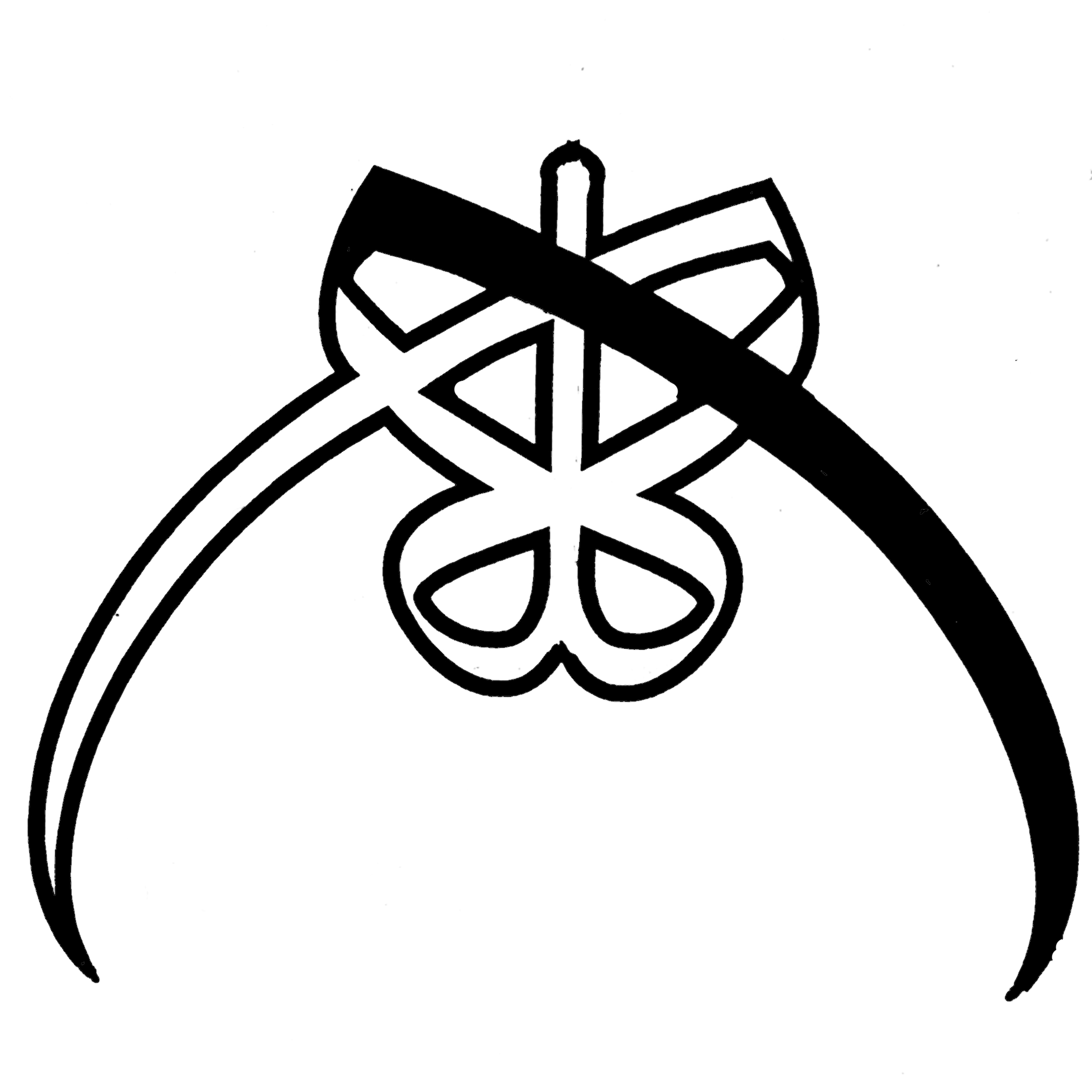
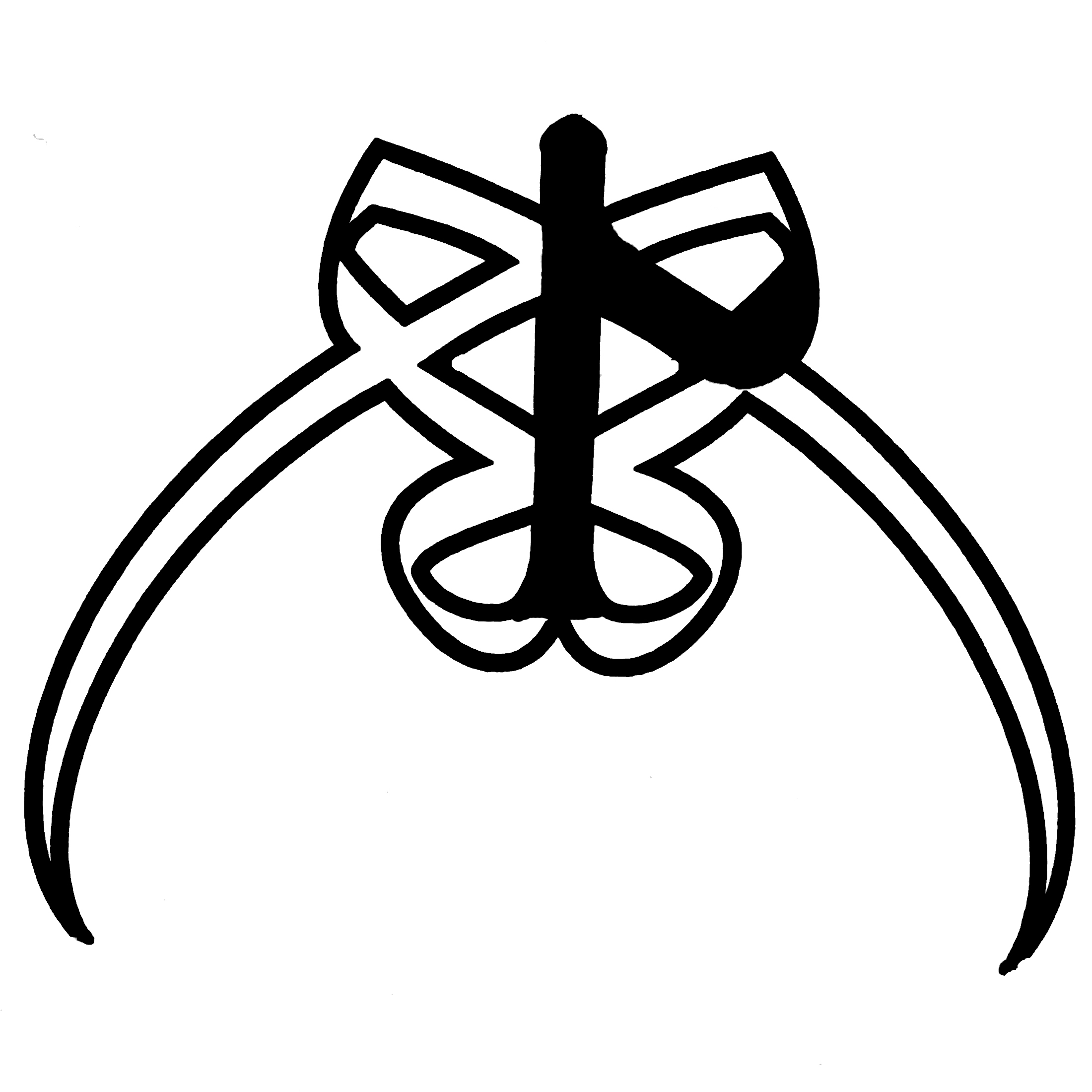
The first Lam enters the composition immediately after the Alif.
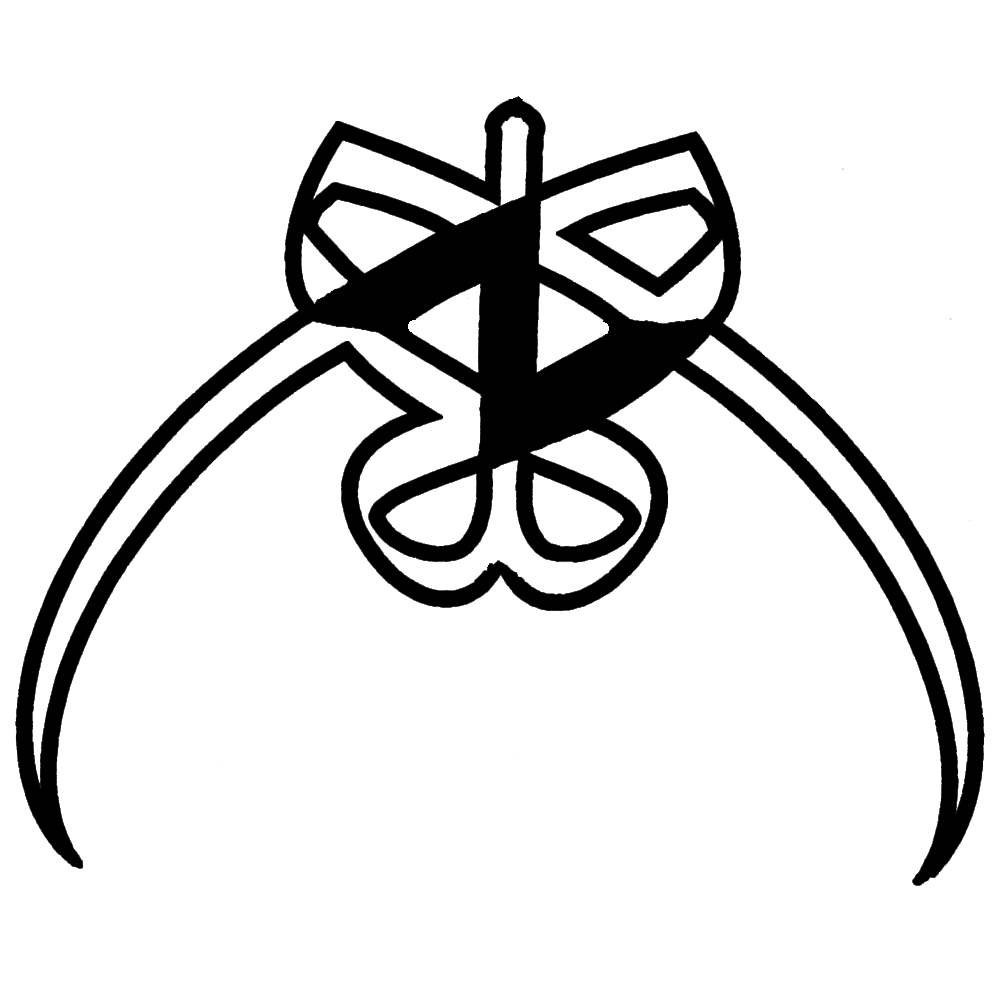
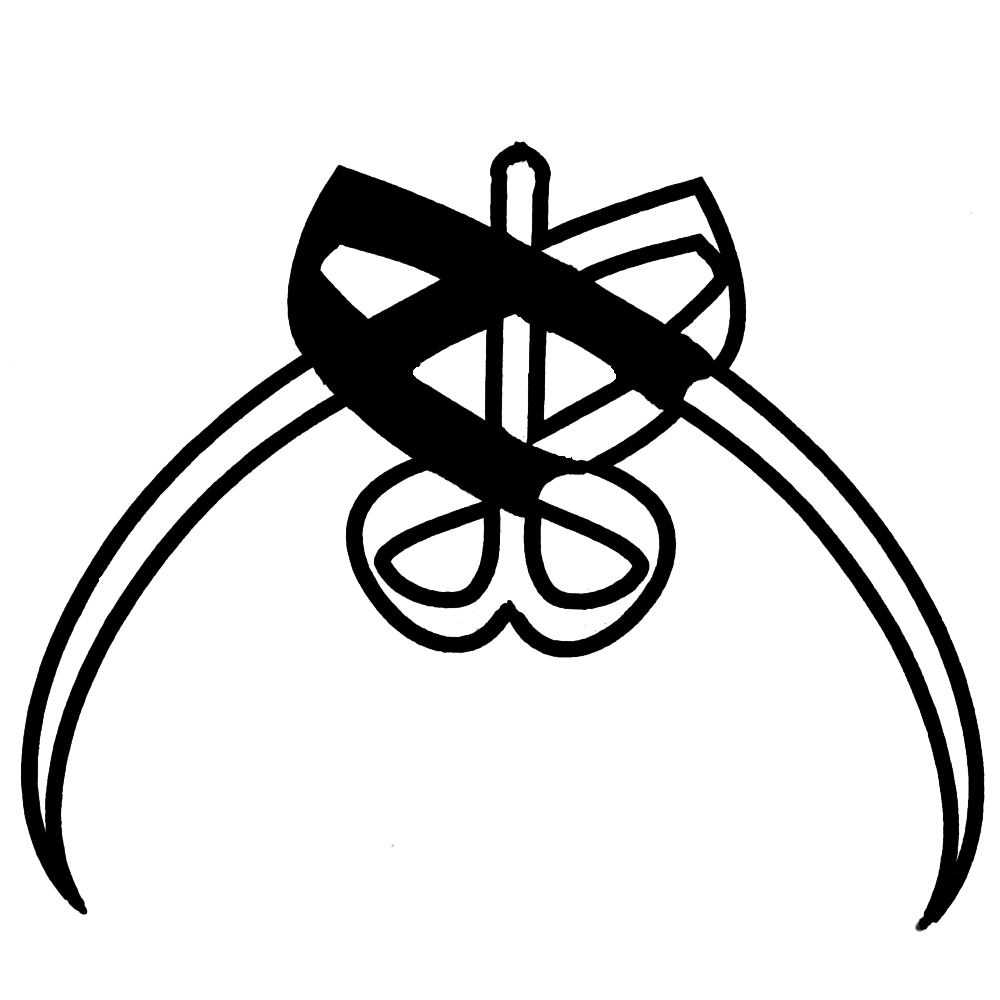
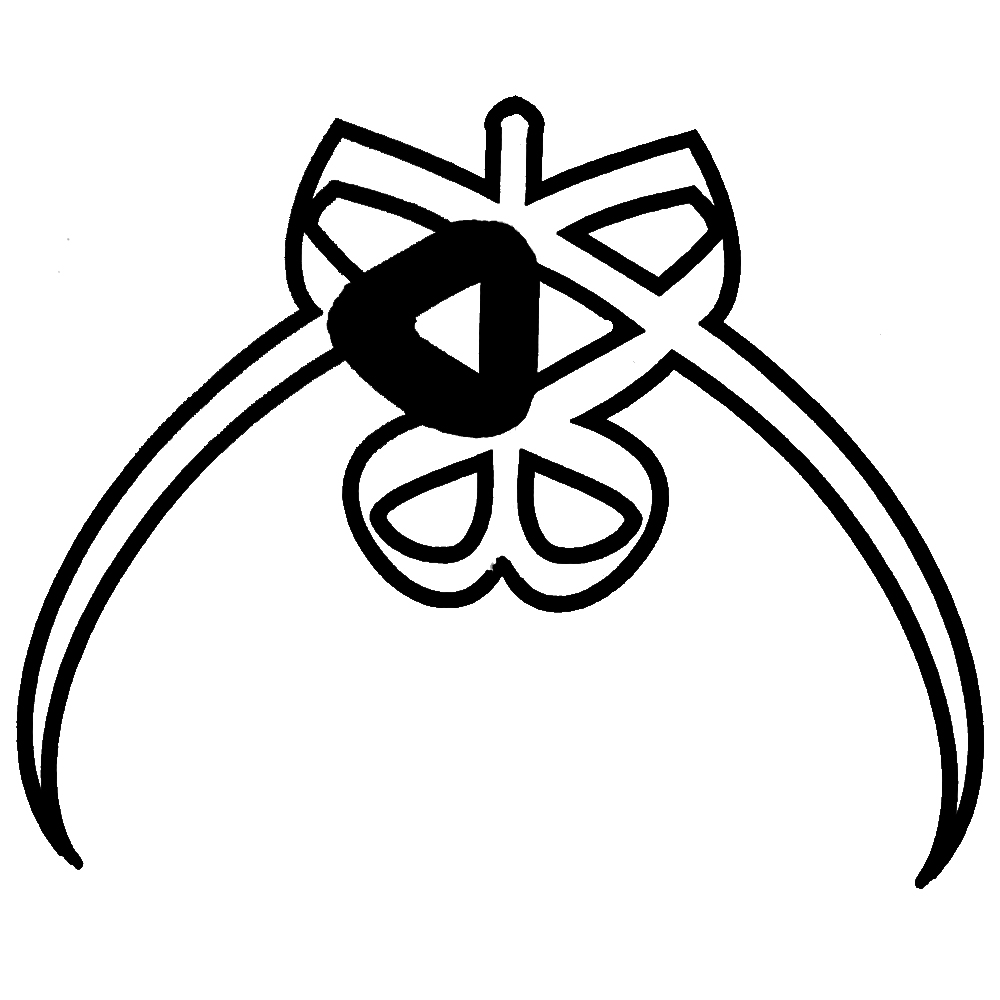
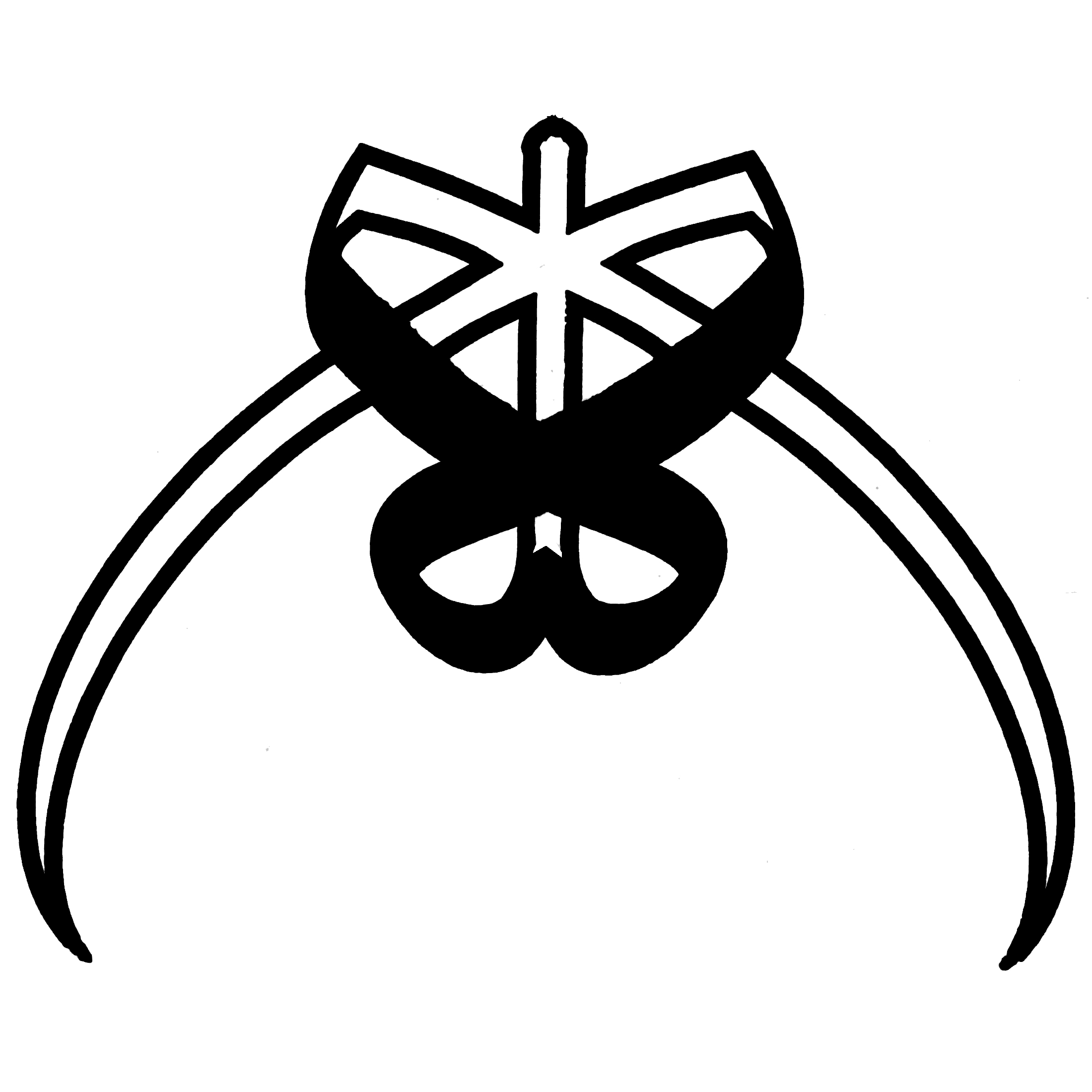
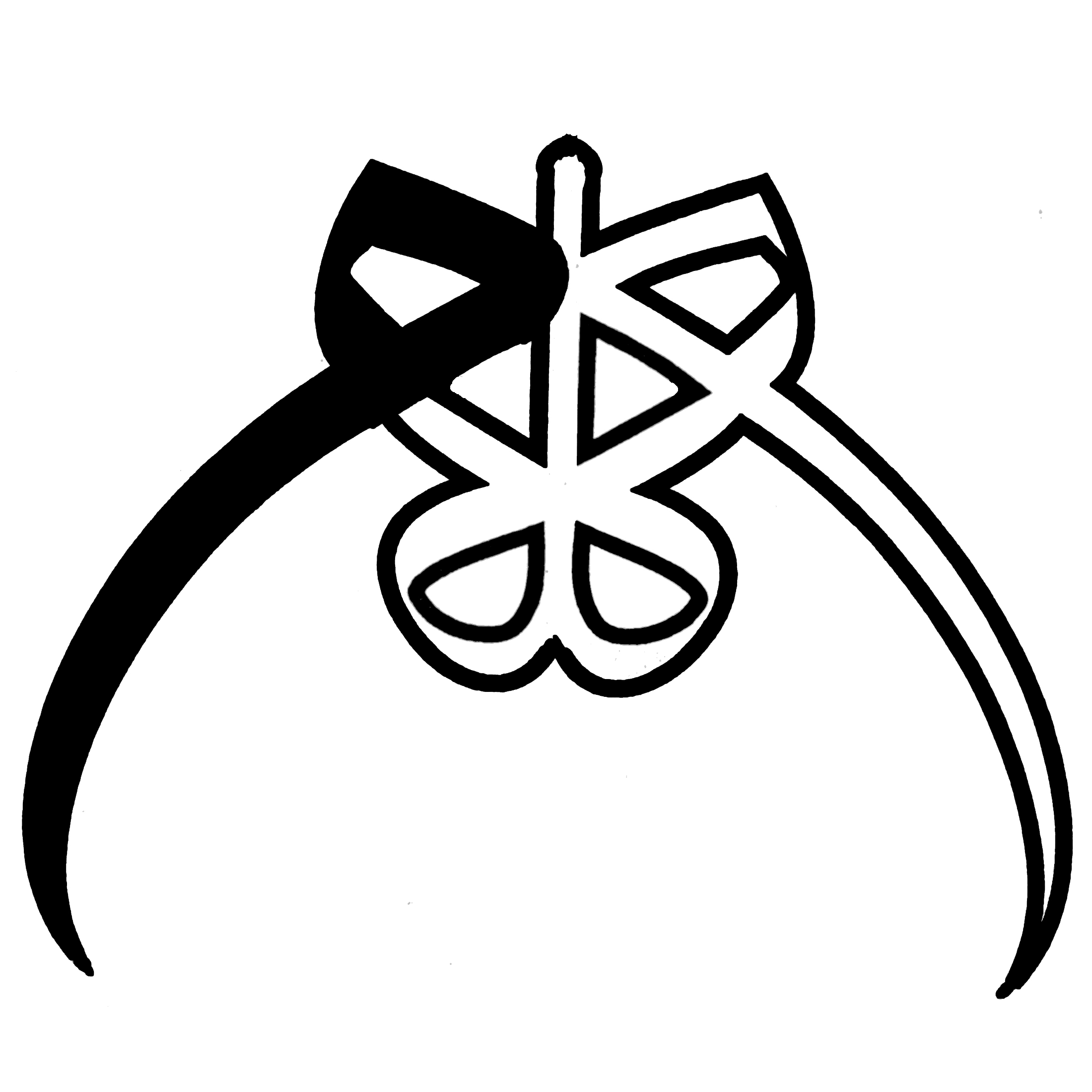
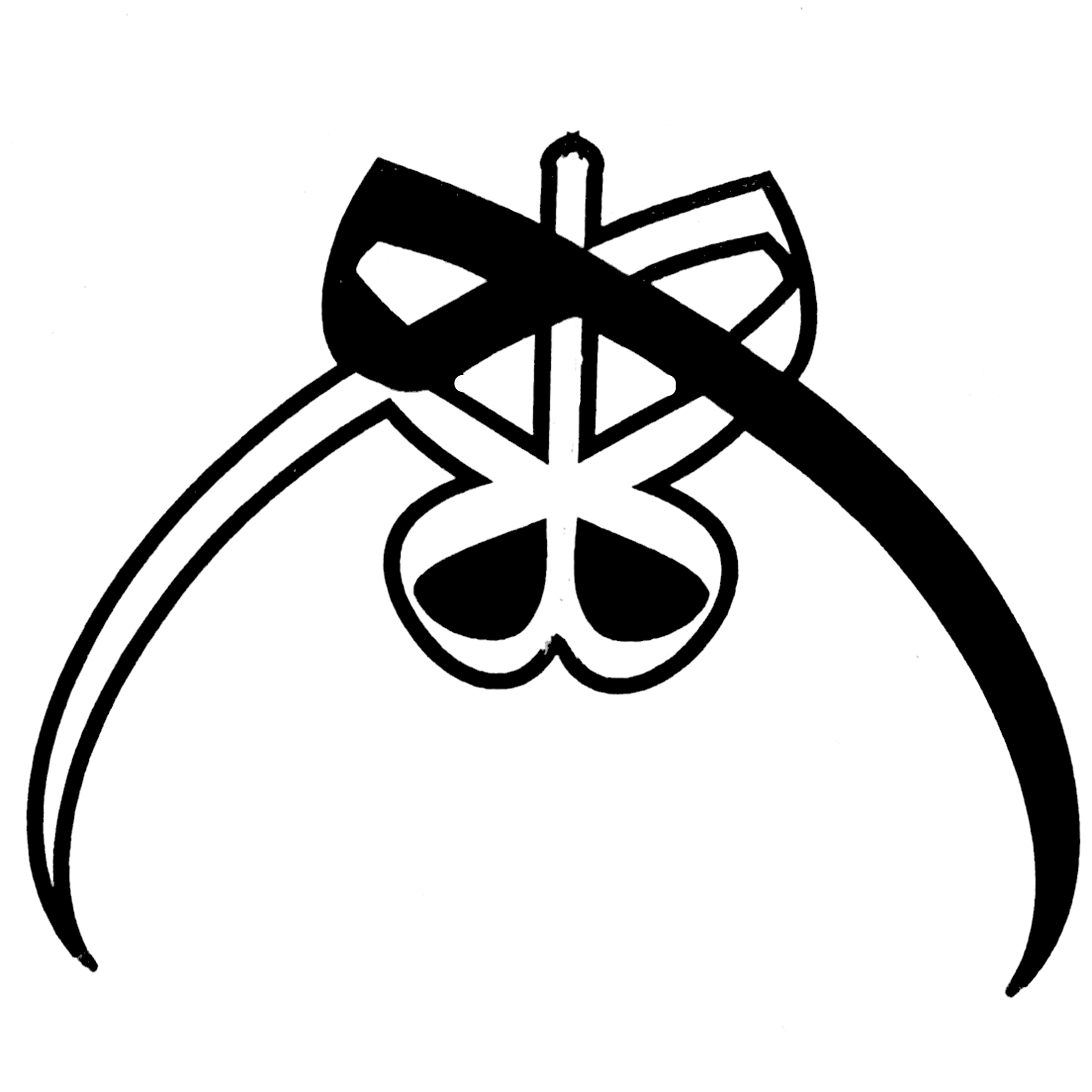
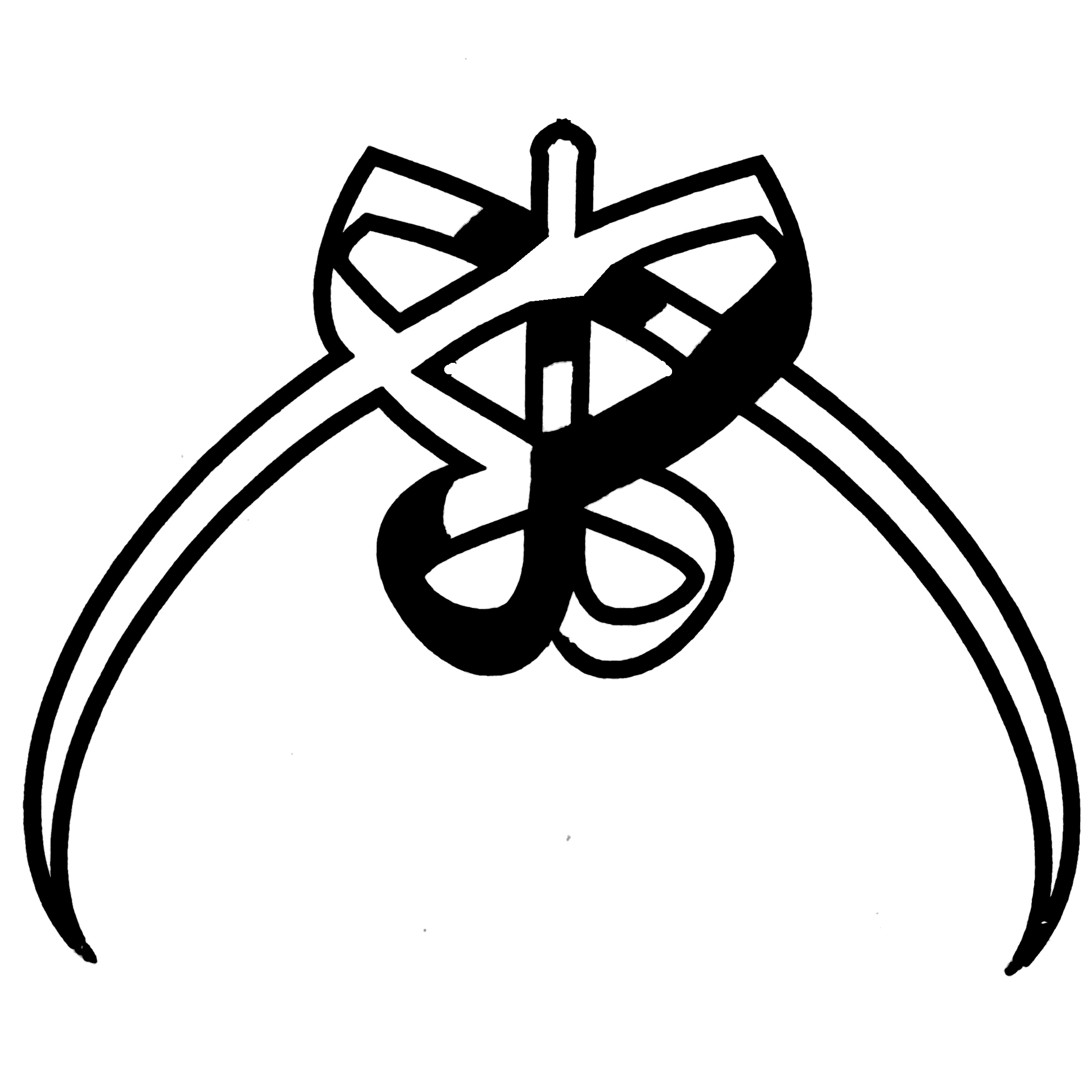
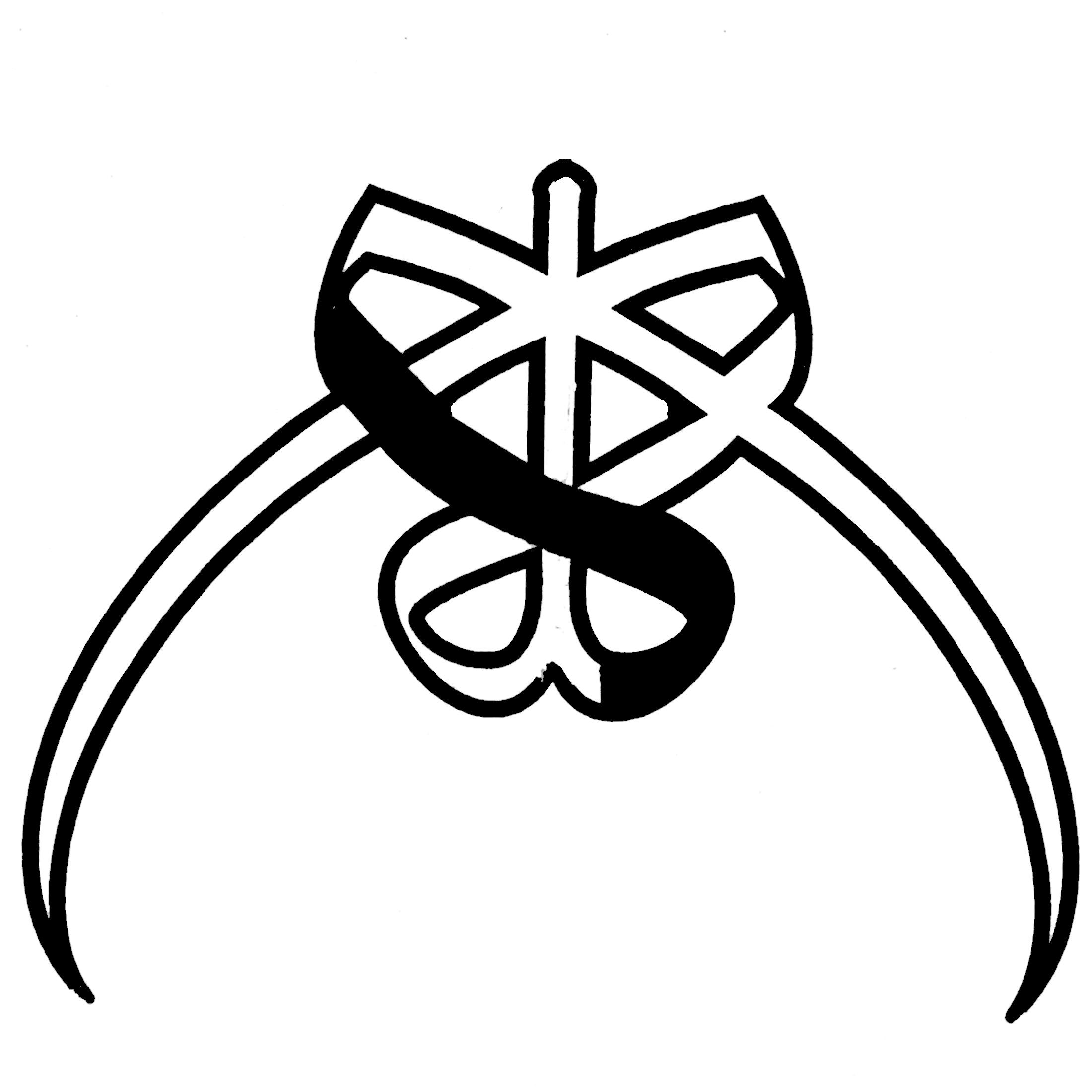
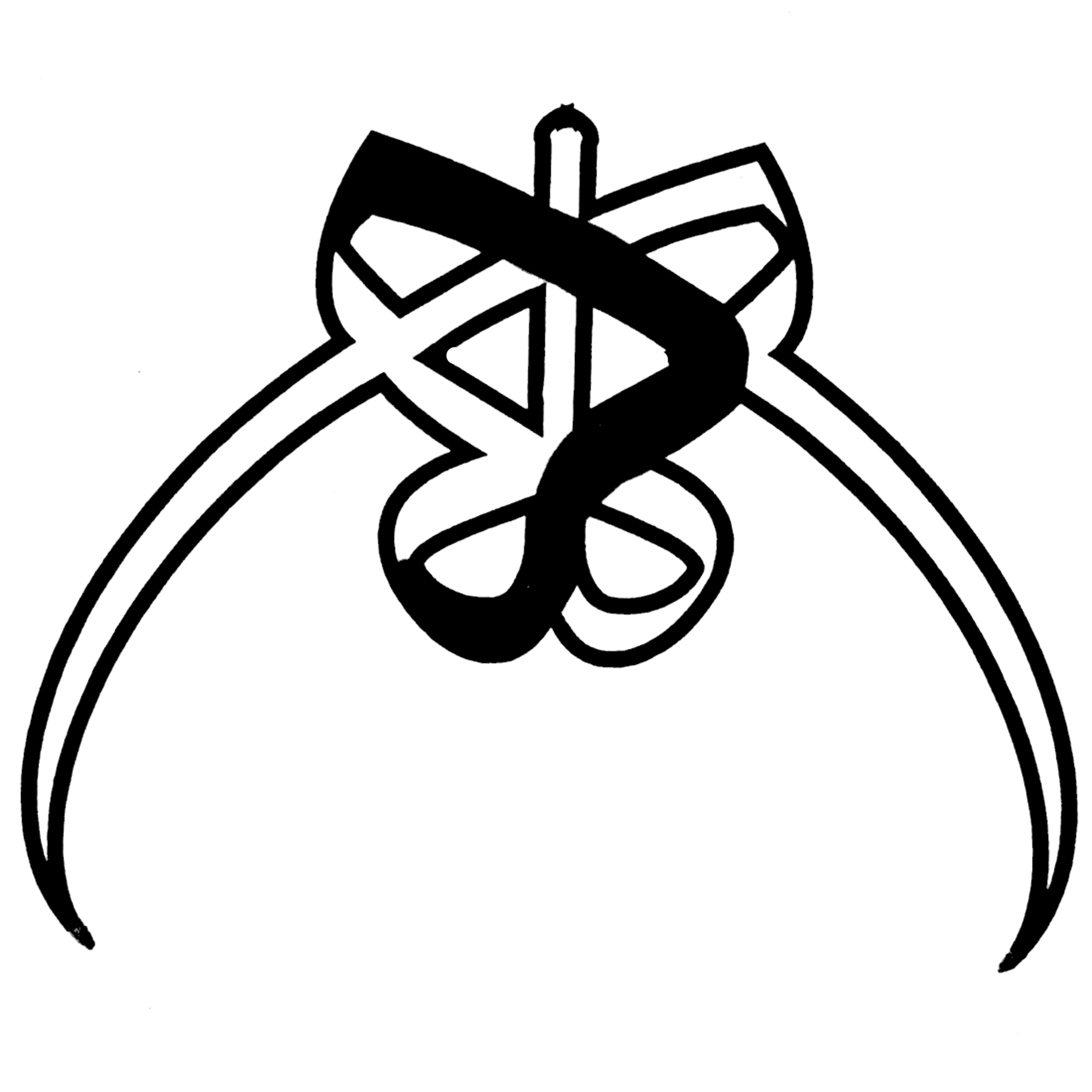
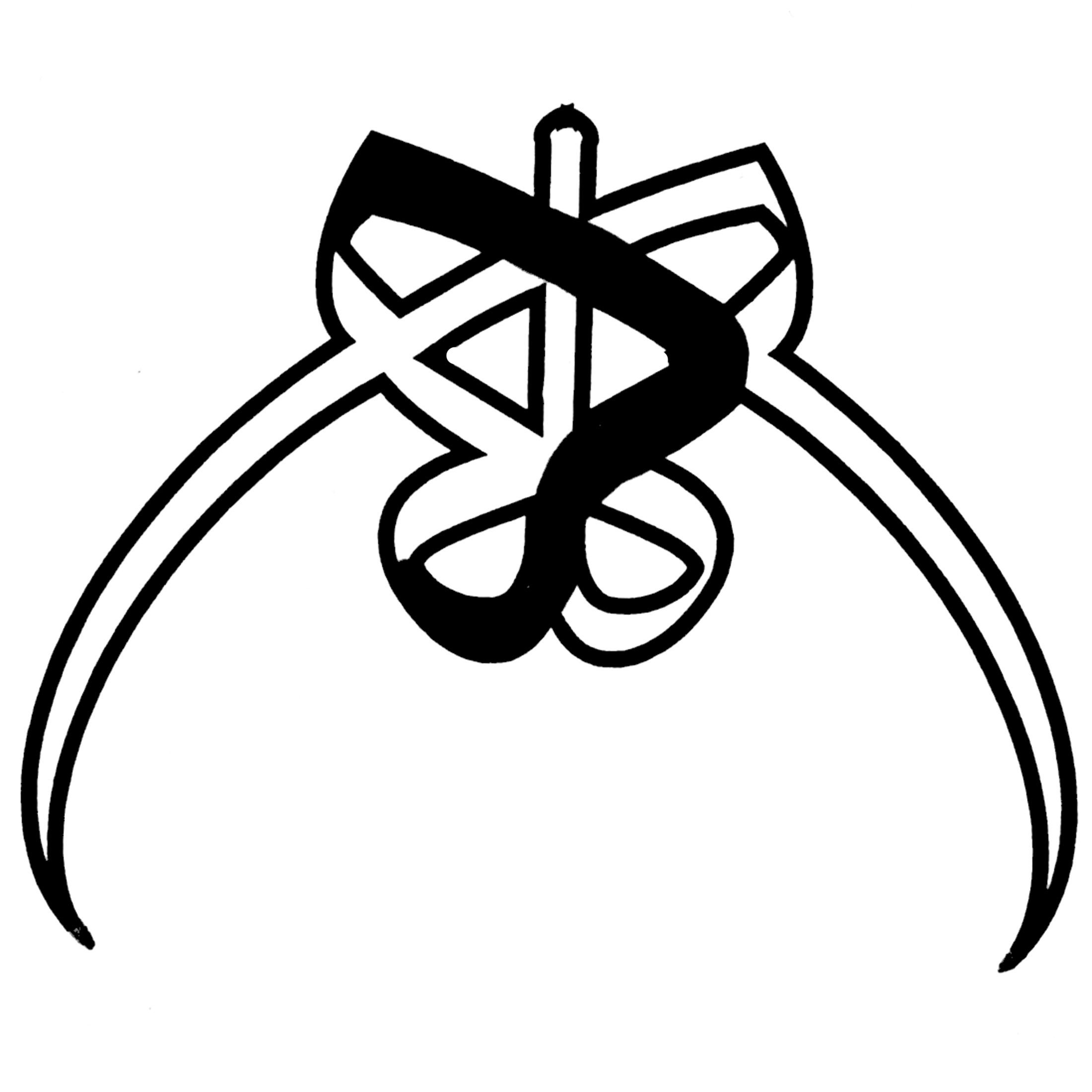
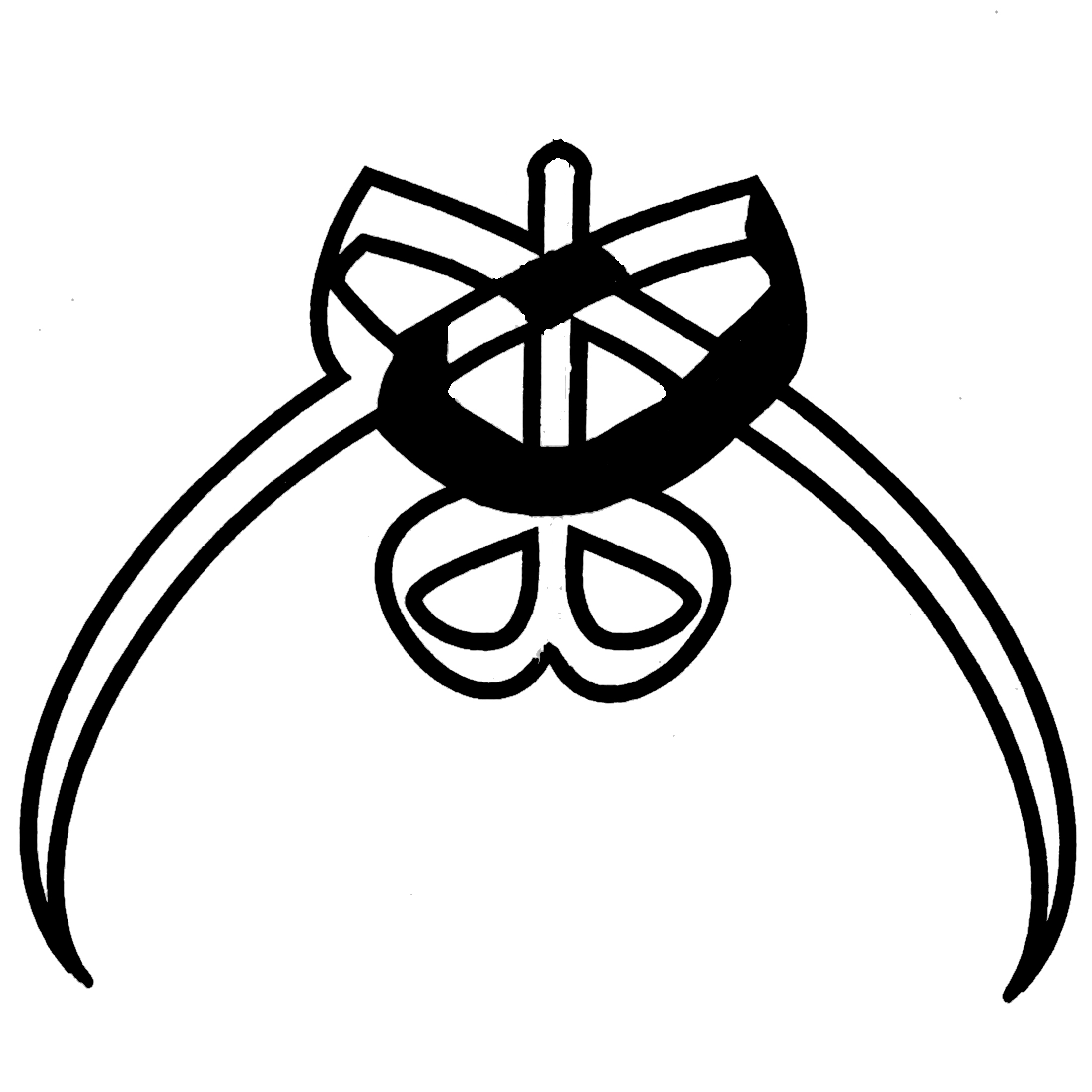
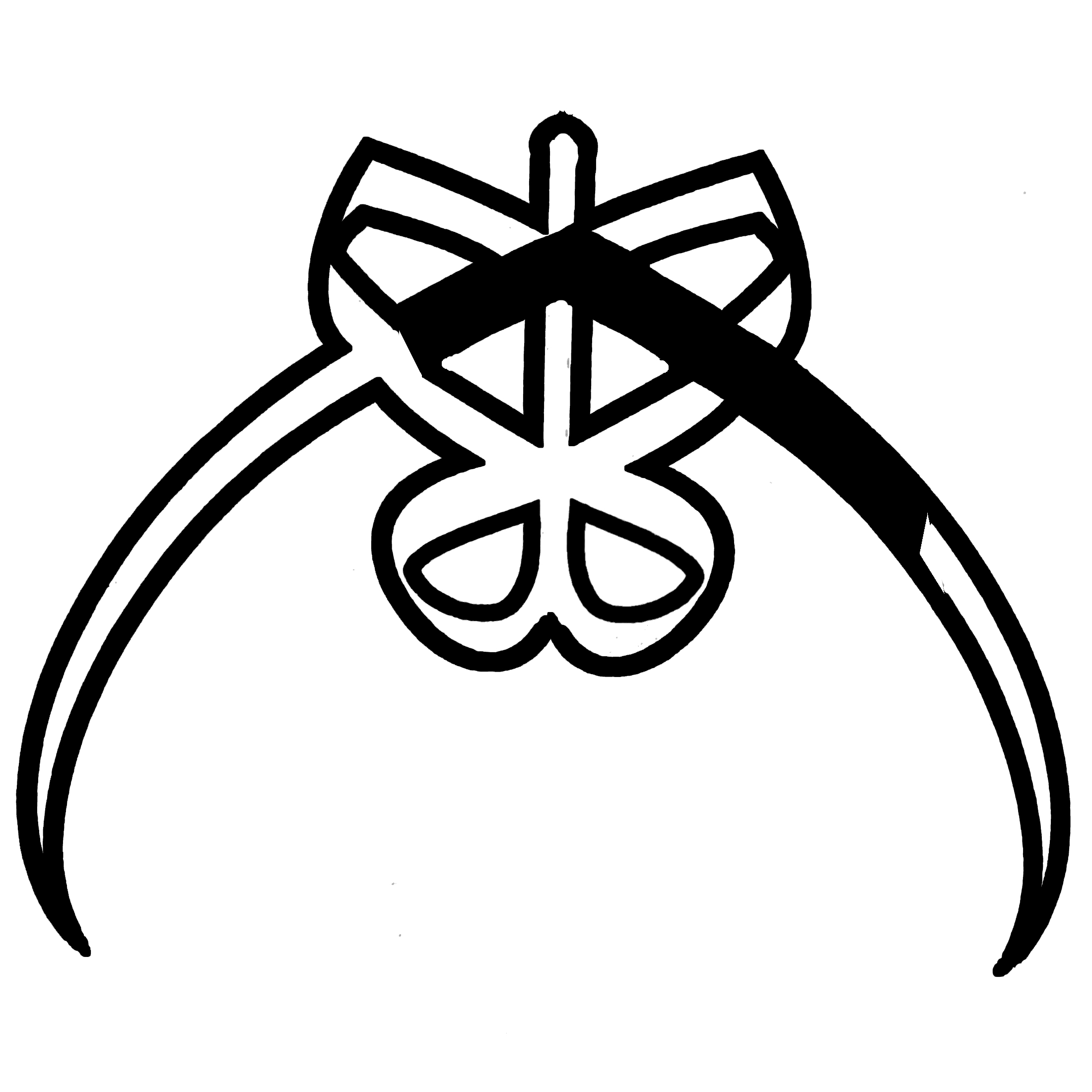
It appears as a continuous diagonal path within the center of the structure and plays a crucial role in linking the various components of the design. Beginning in the upper region, it passes through the central core and extends downward.
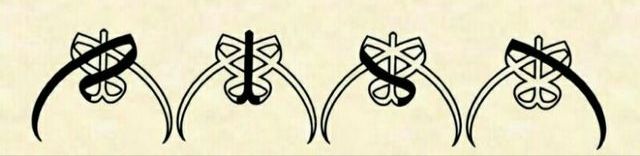
Its primary significance lies in its connective function. Much of the calligraphic knotting and interweaving of the composition is generated through this letter. The first Lam therefore acts not merely as a written character but as a mediator connecting the various elements of the geometric system.
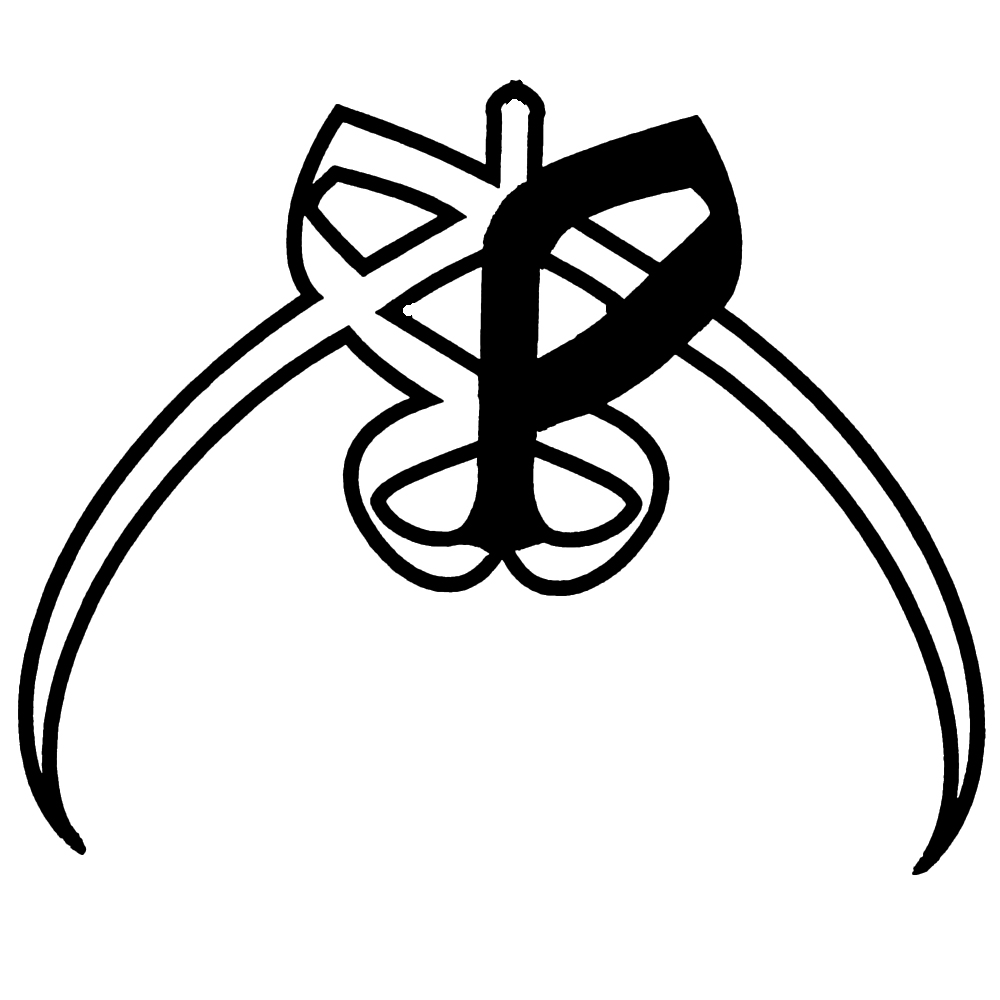
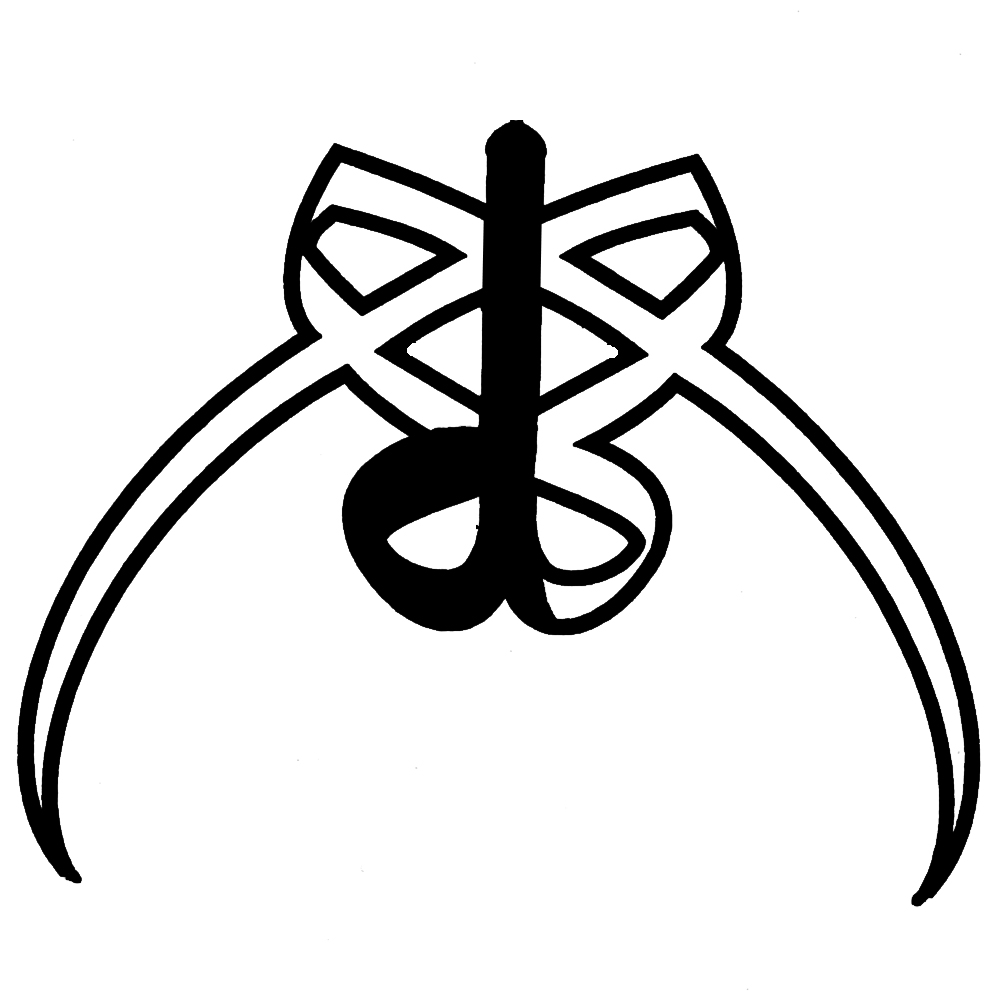
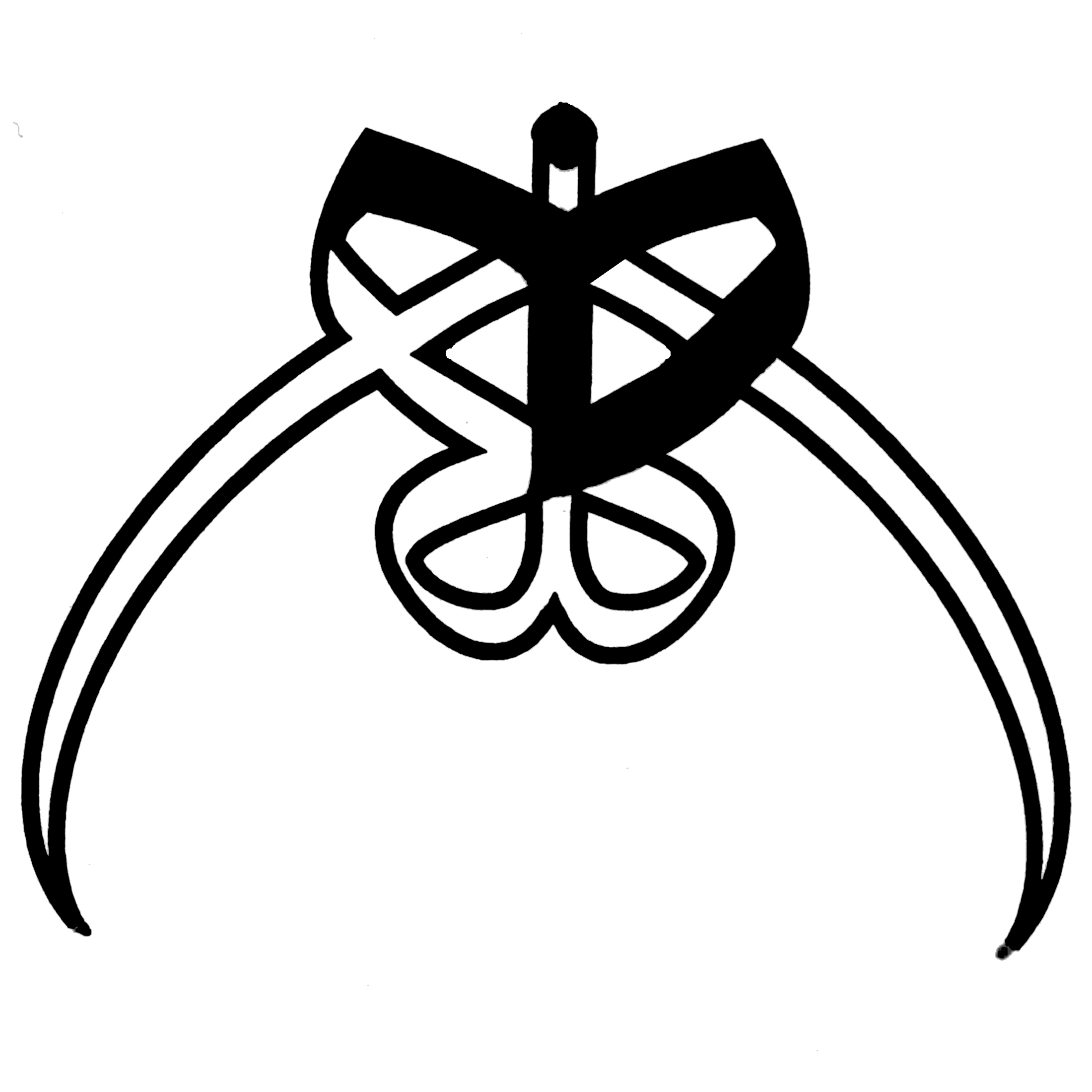
The Second Lam: The Structural Spine
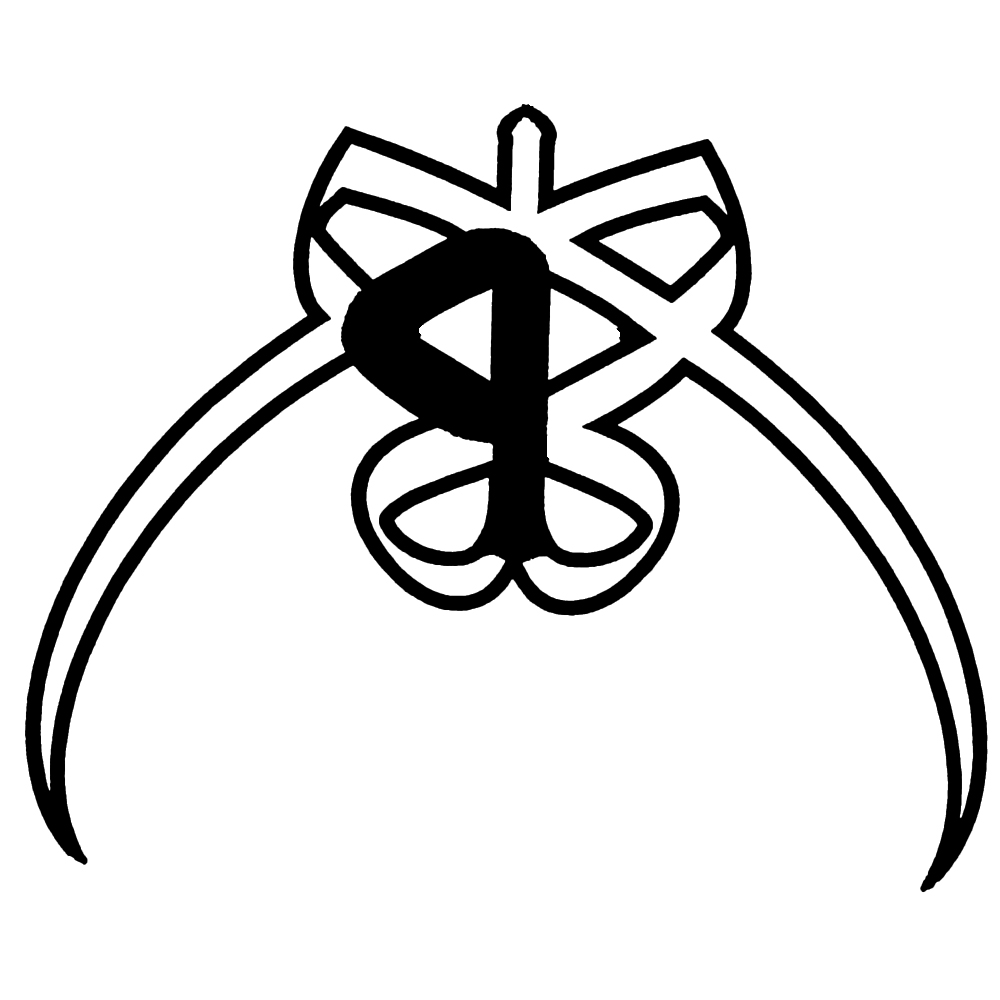
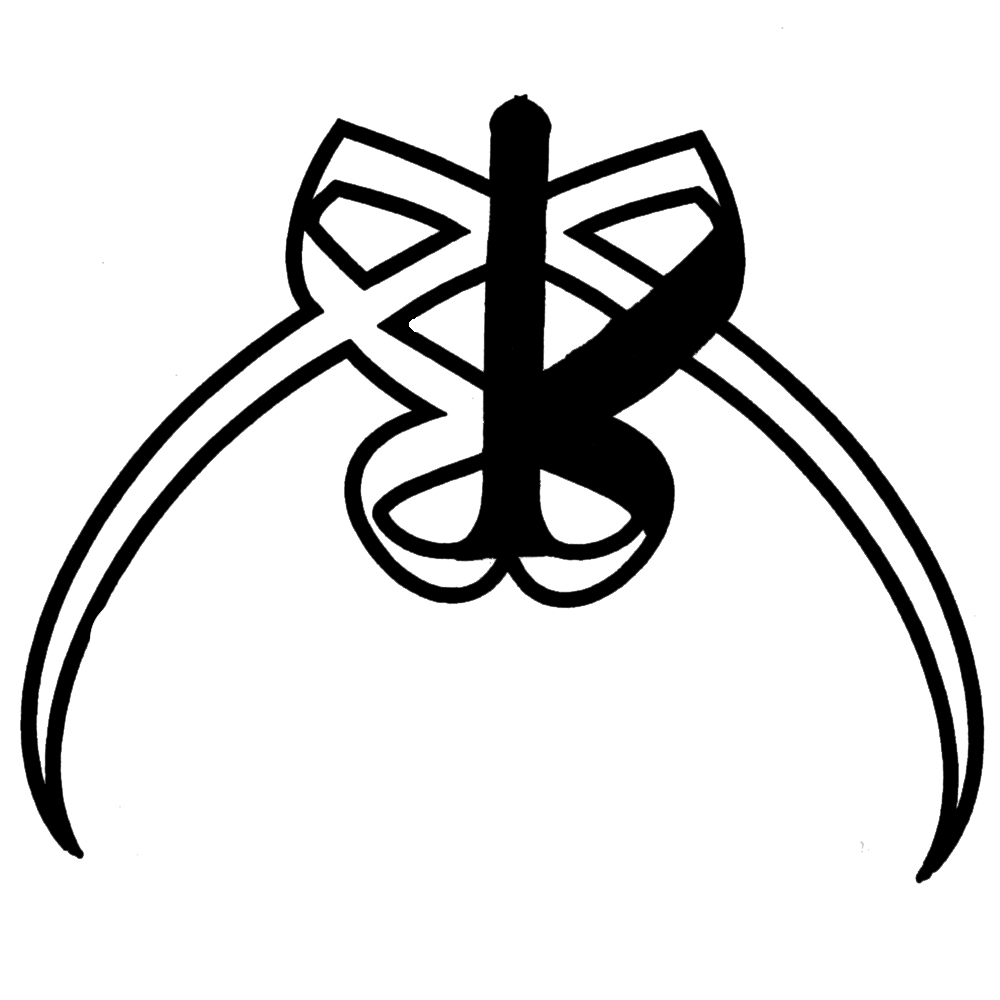
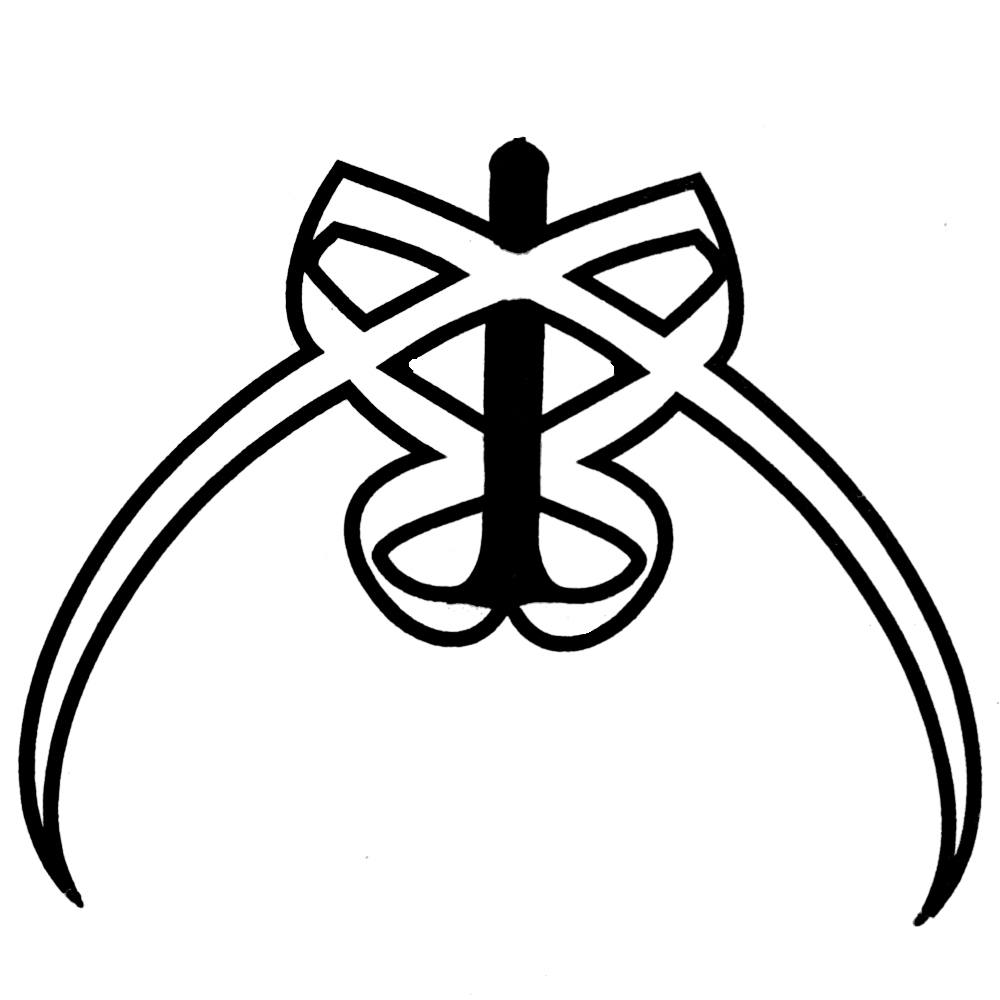
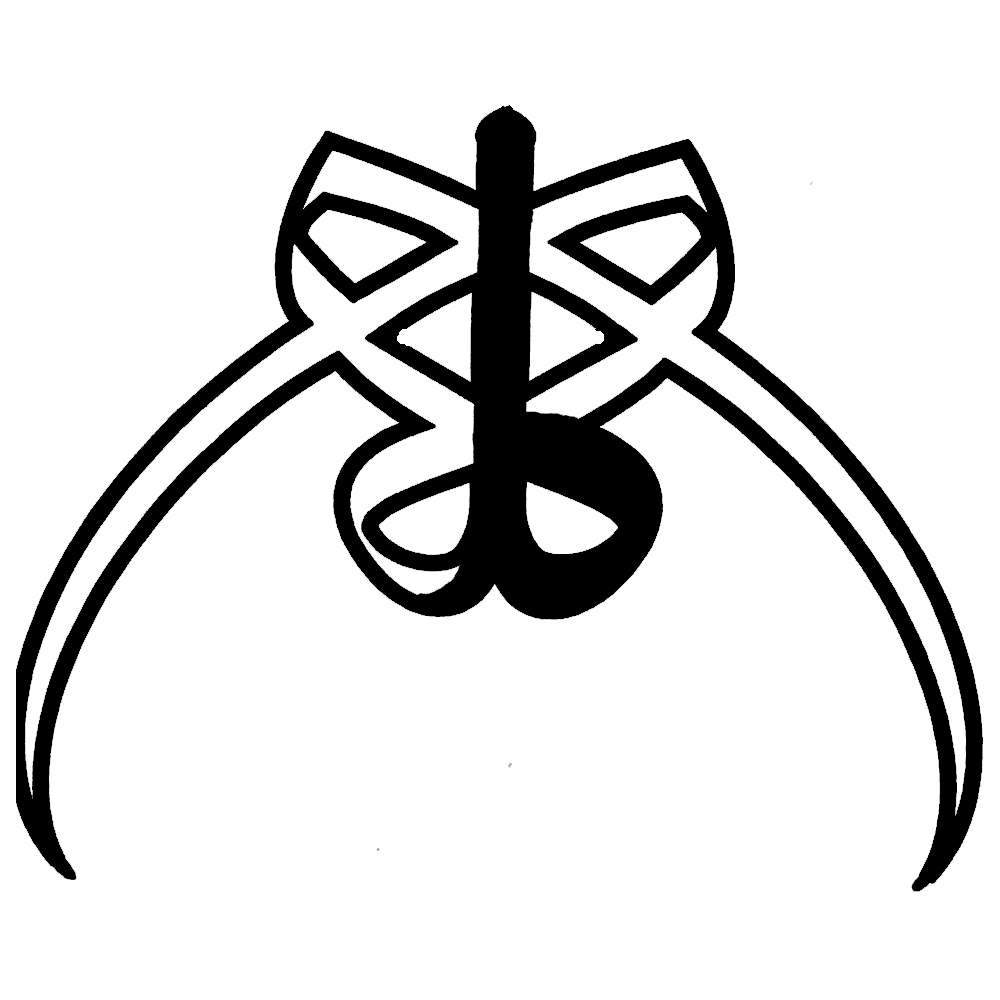
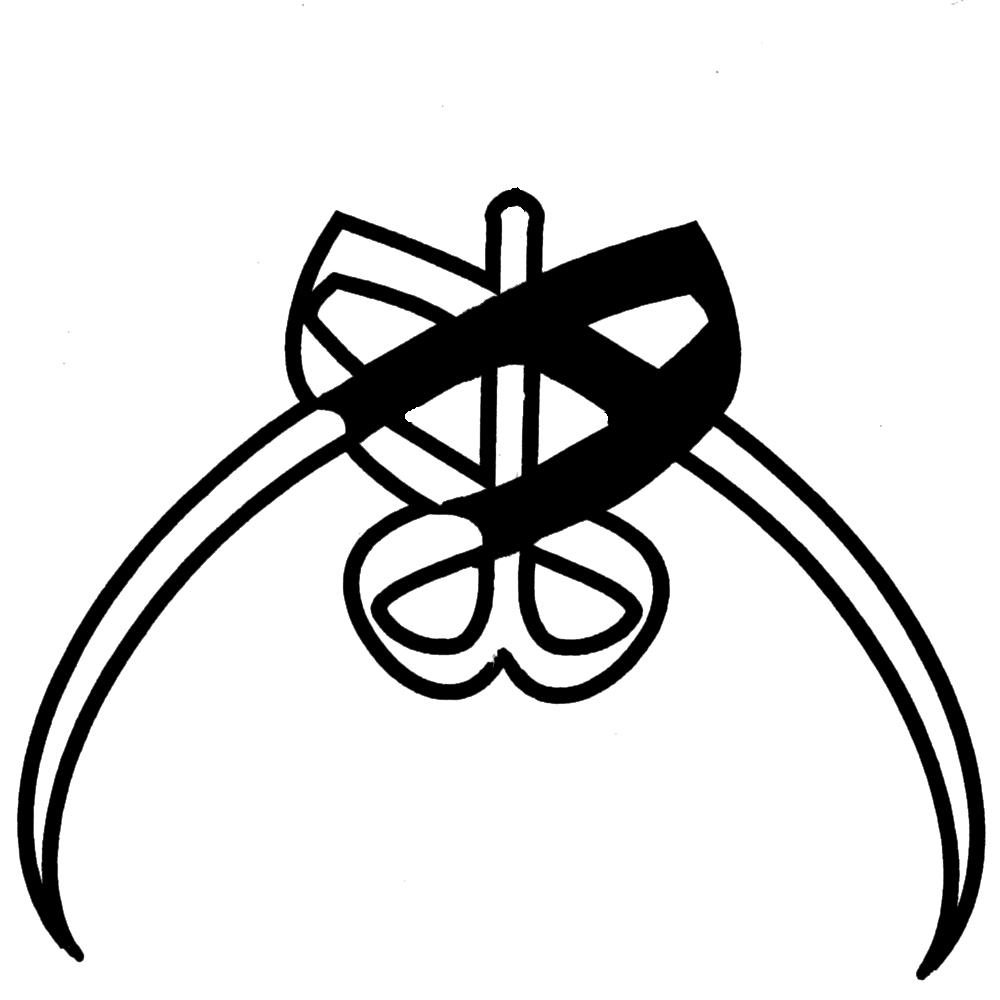
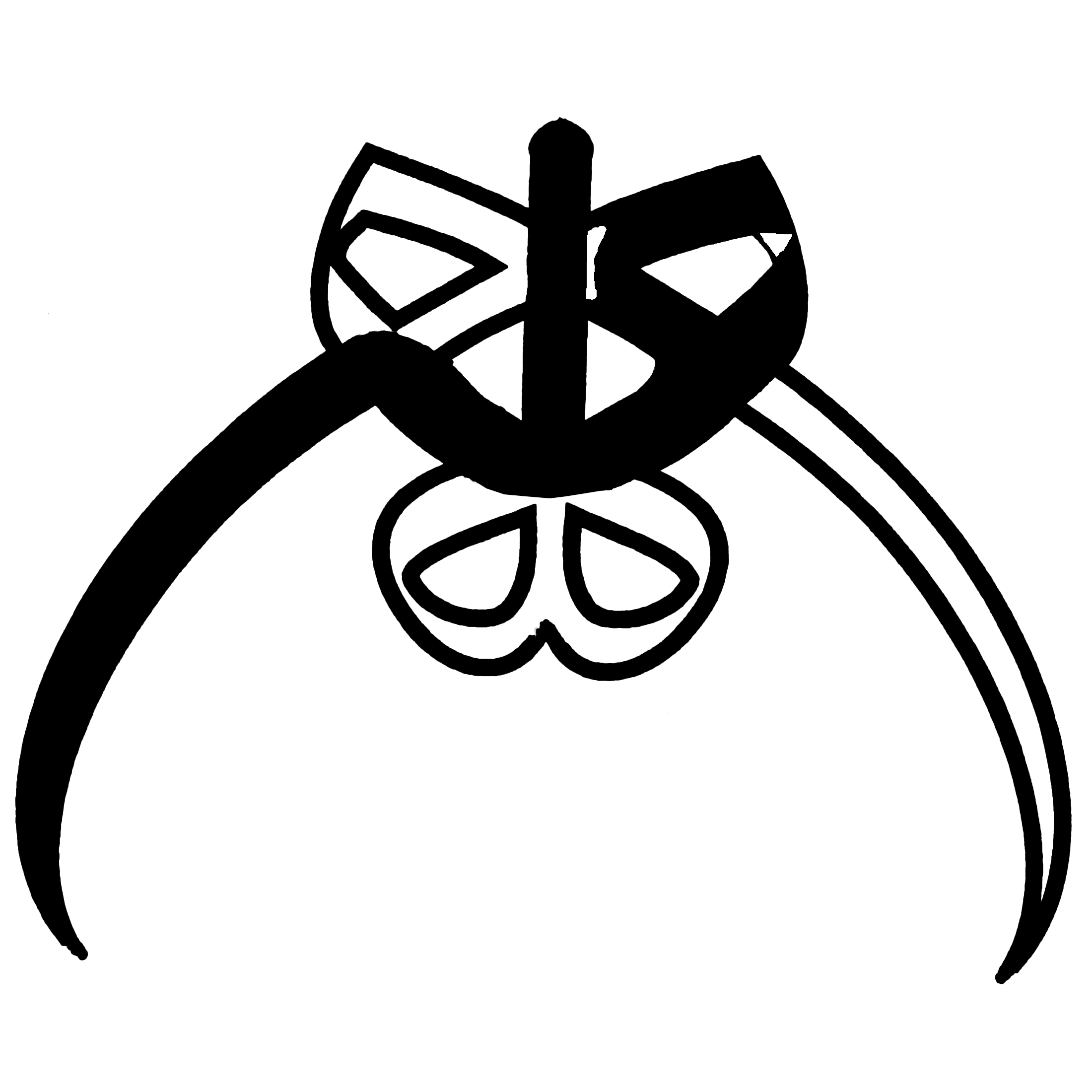
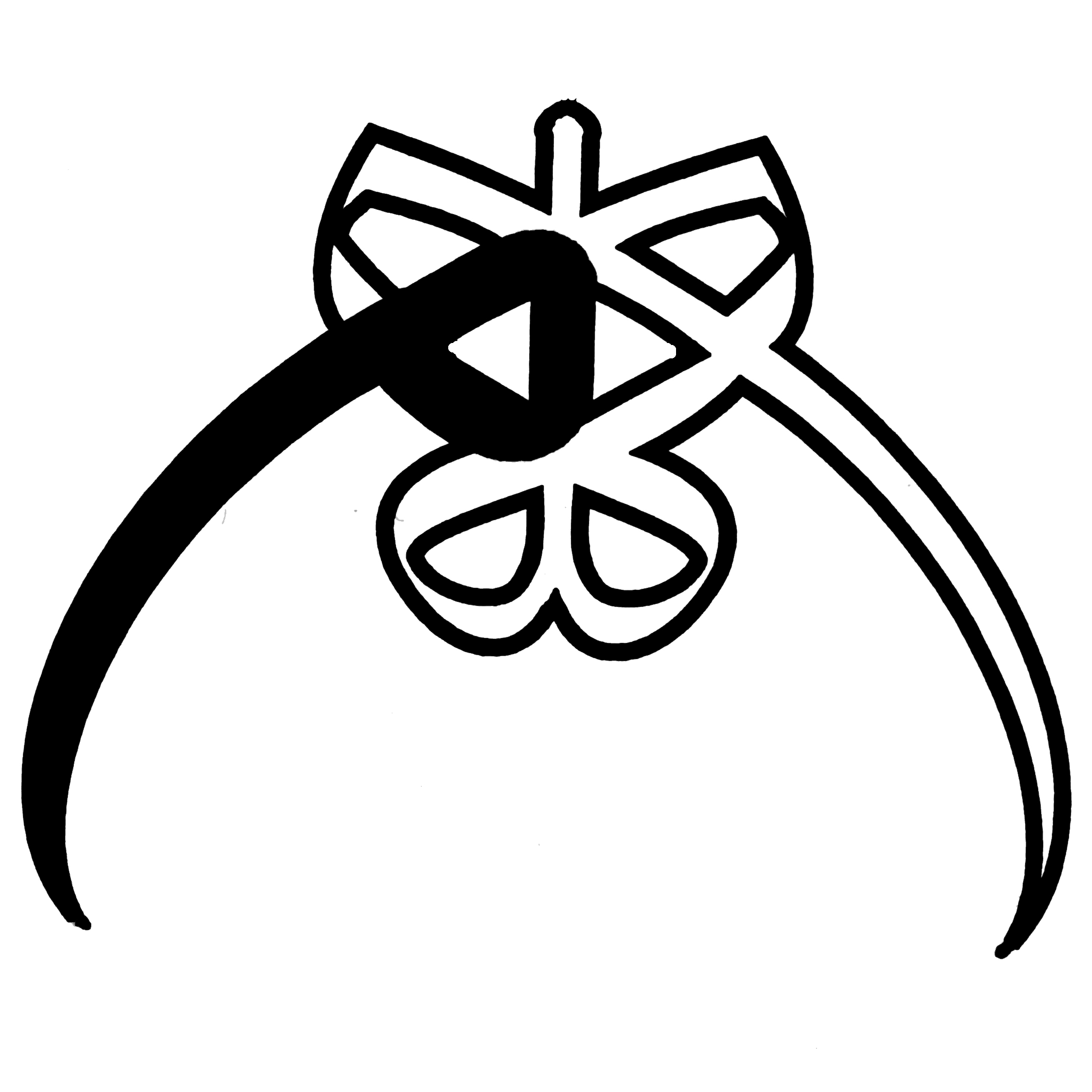
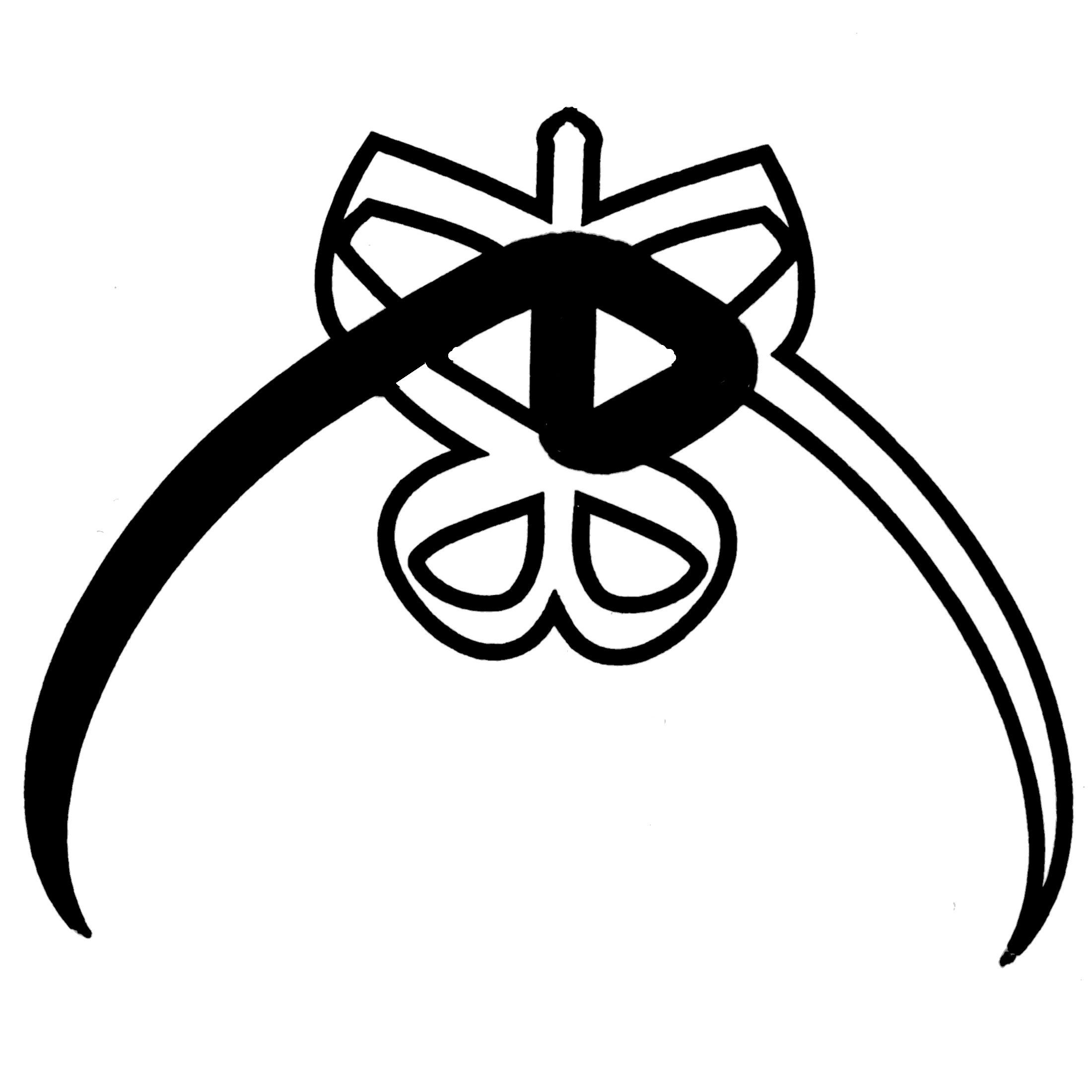
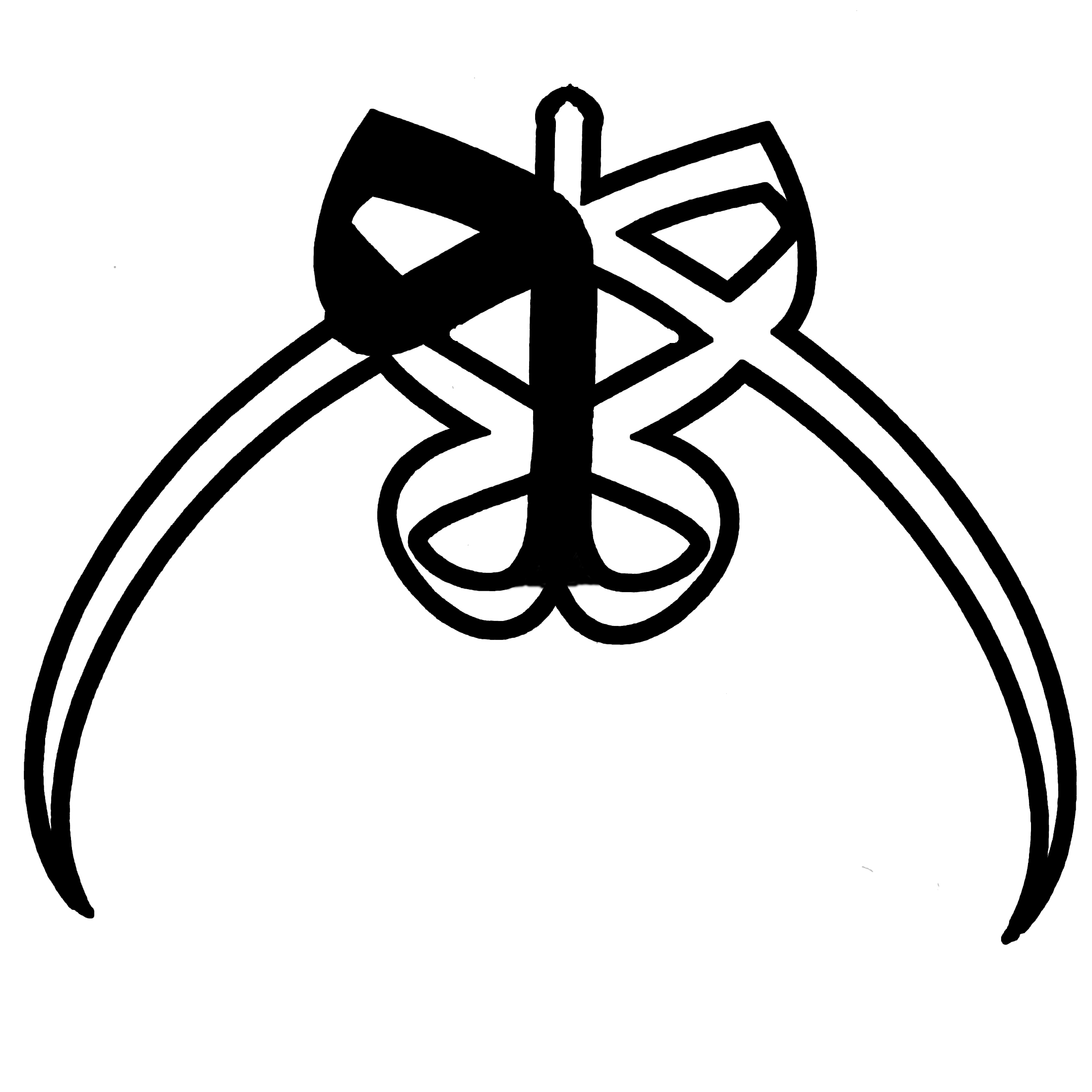
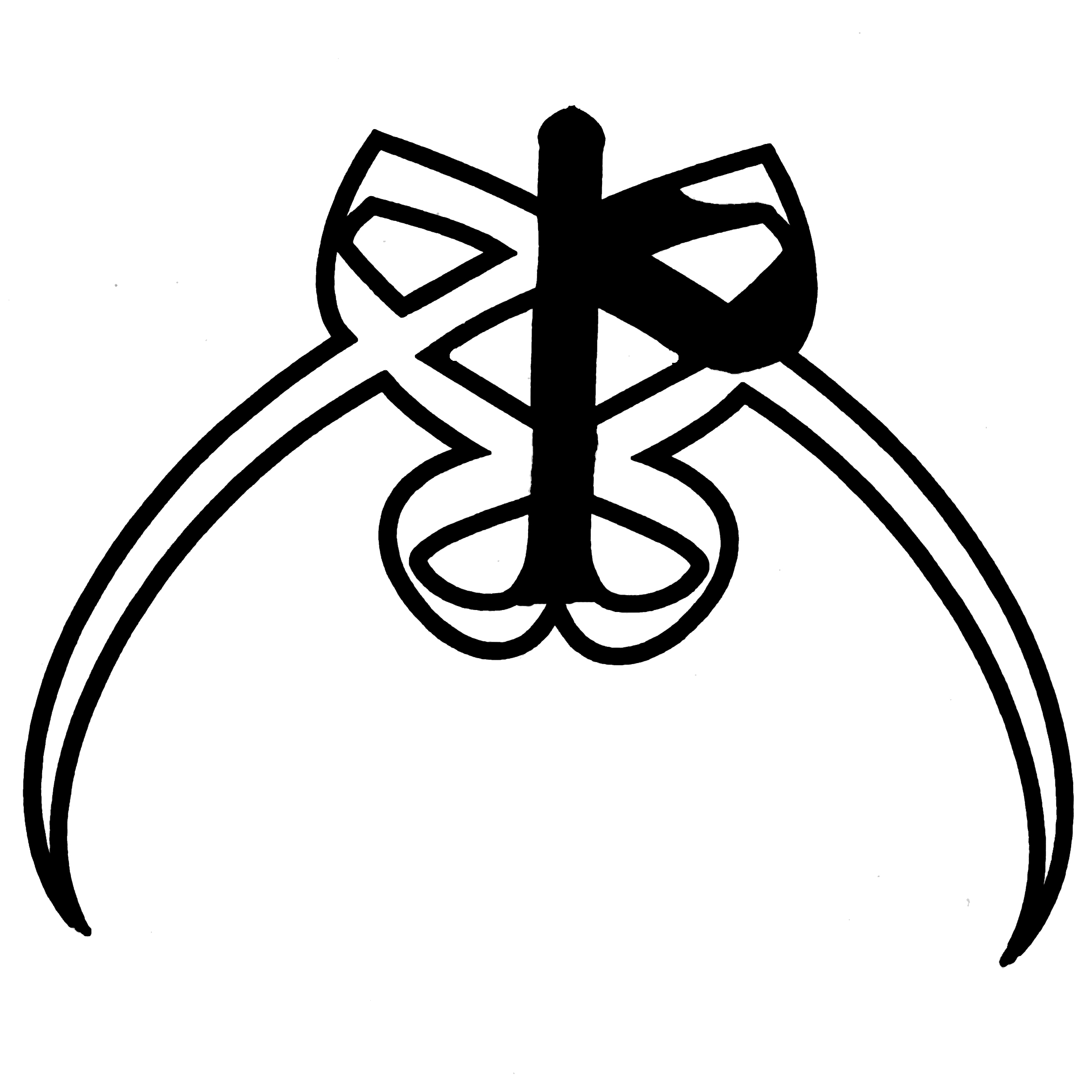
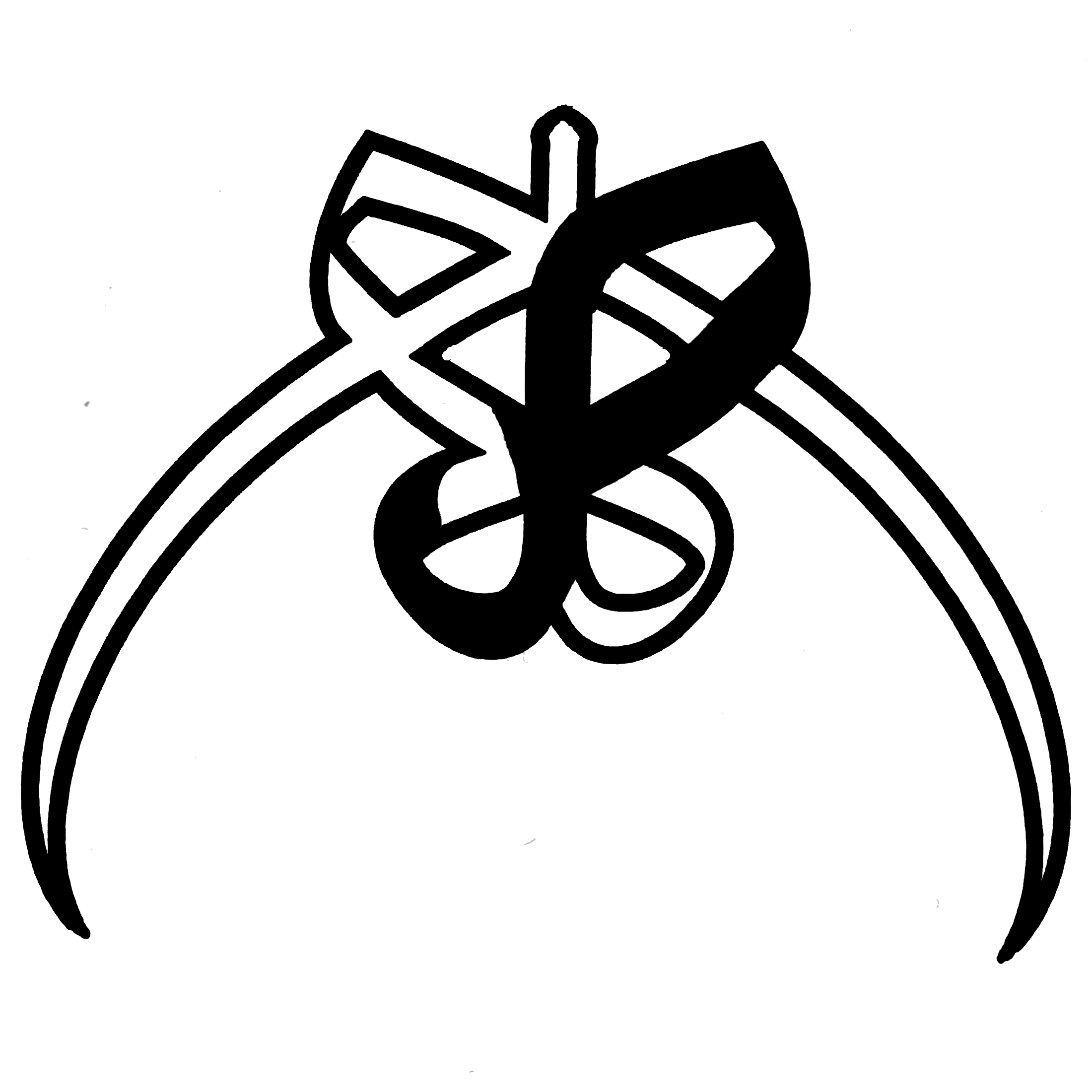
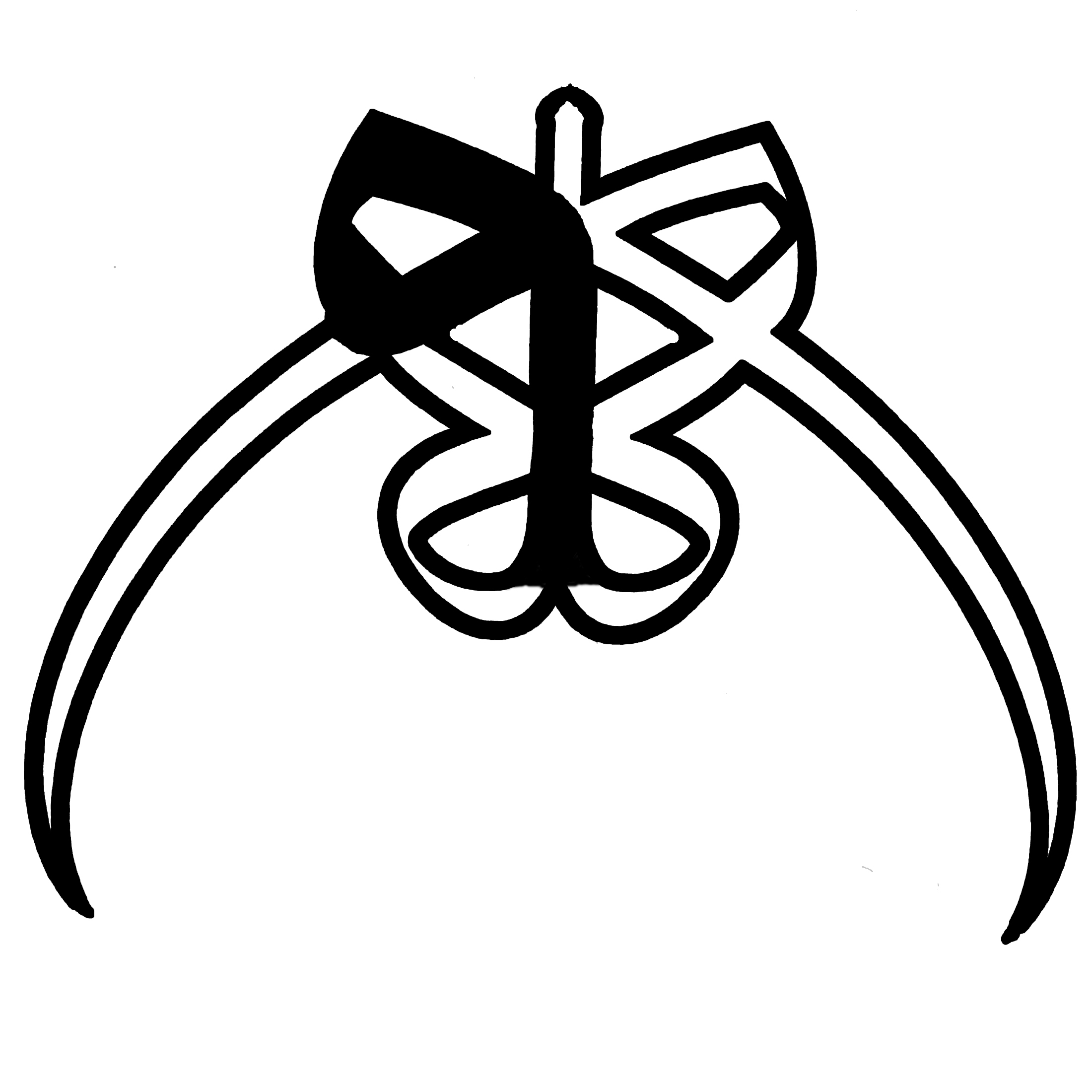
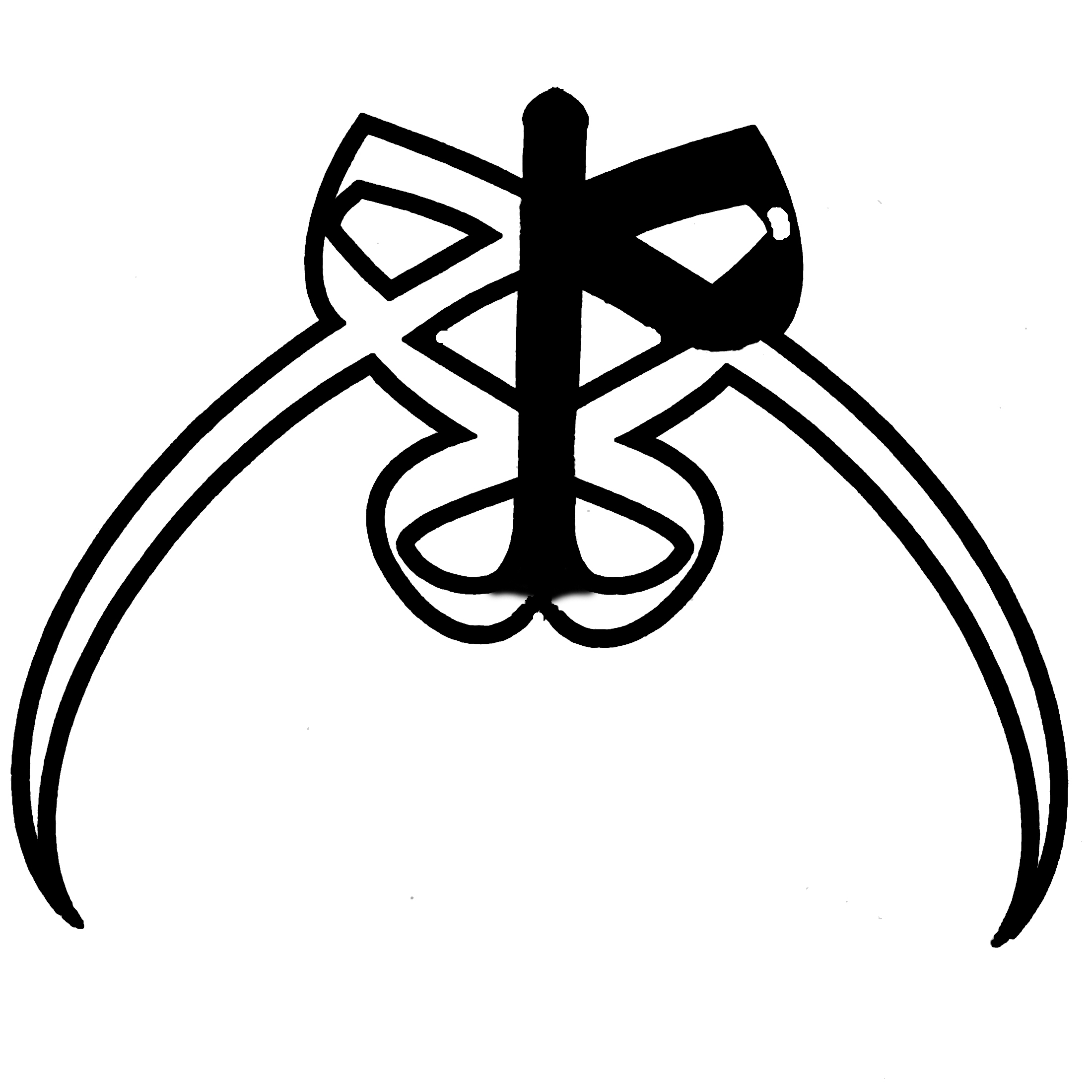
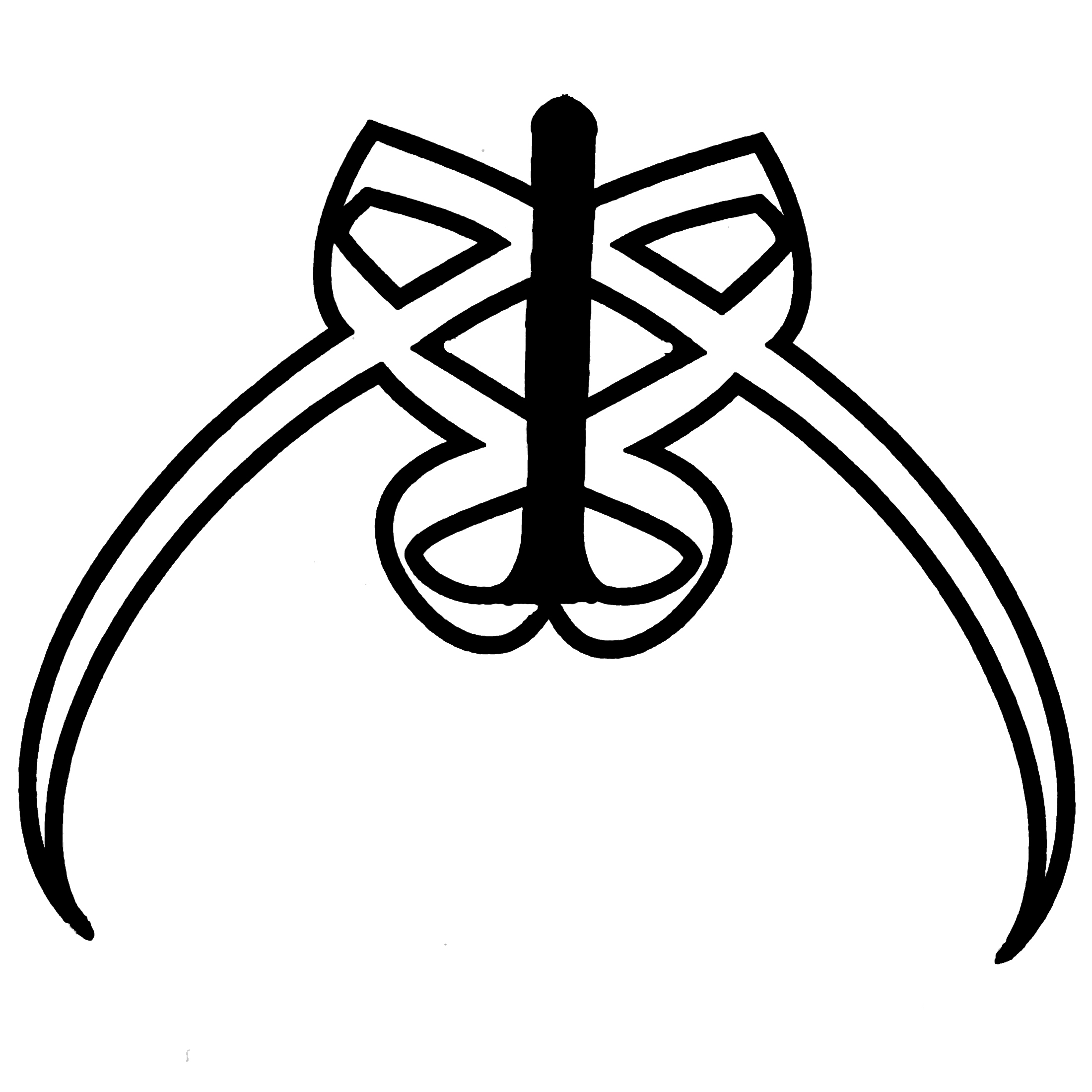
The second Lam constitutes the principal structural element of the design.
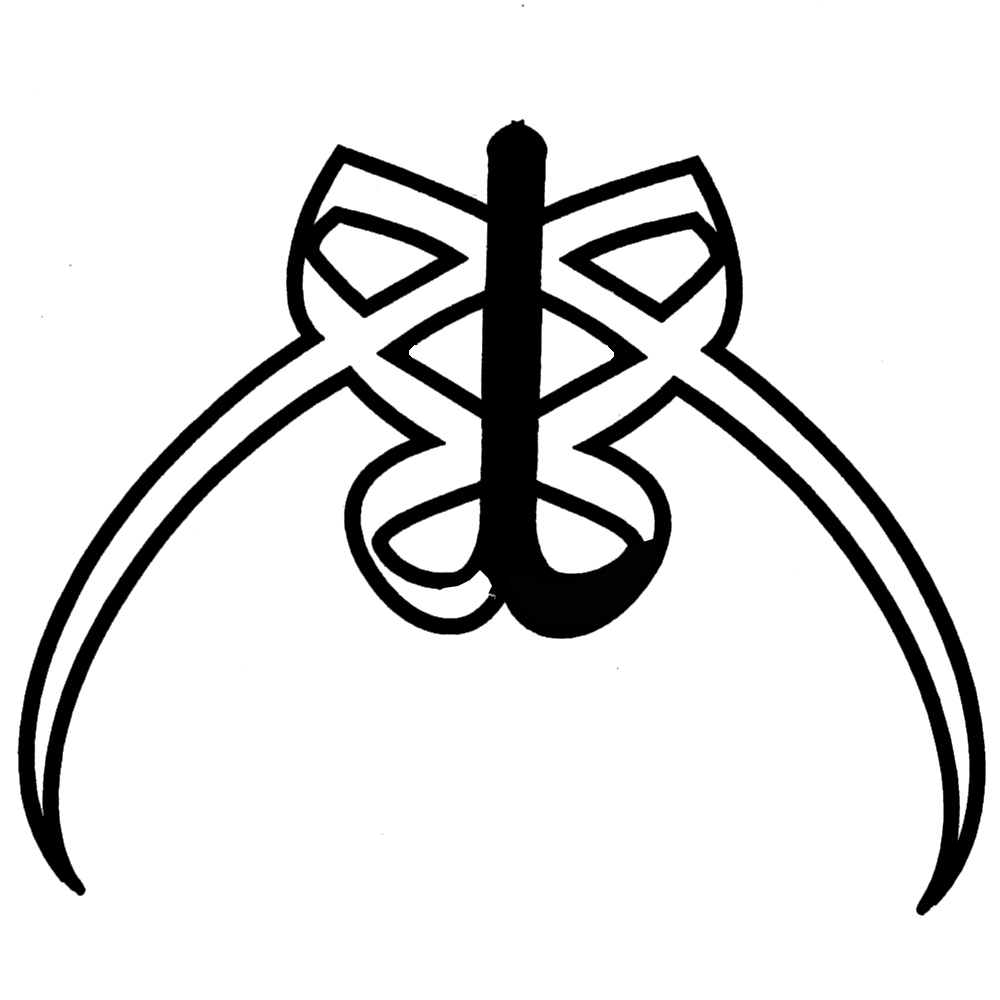
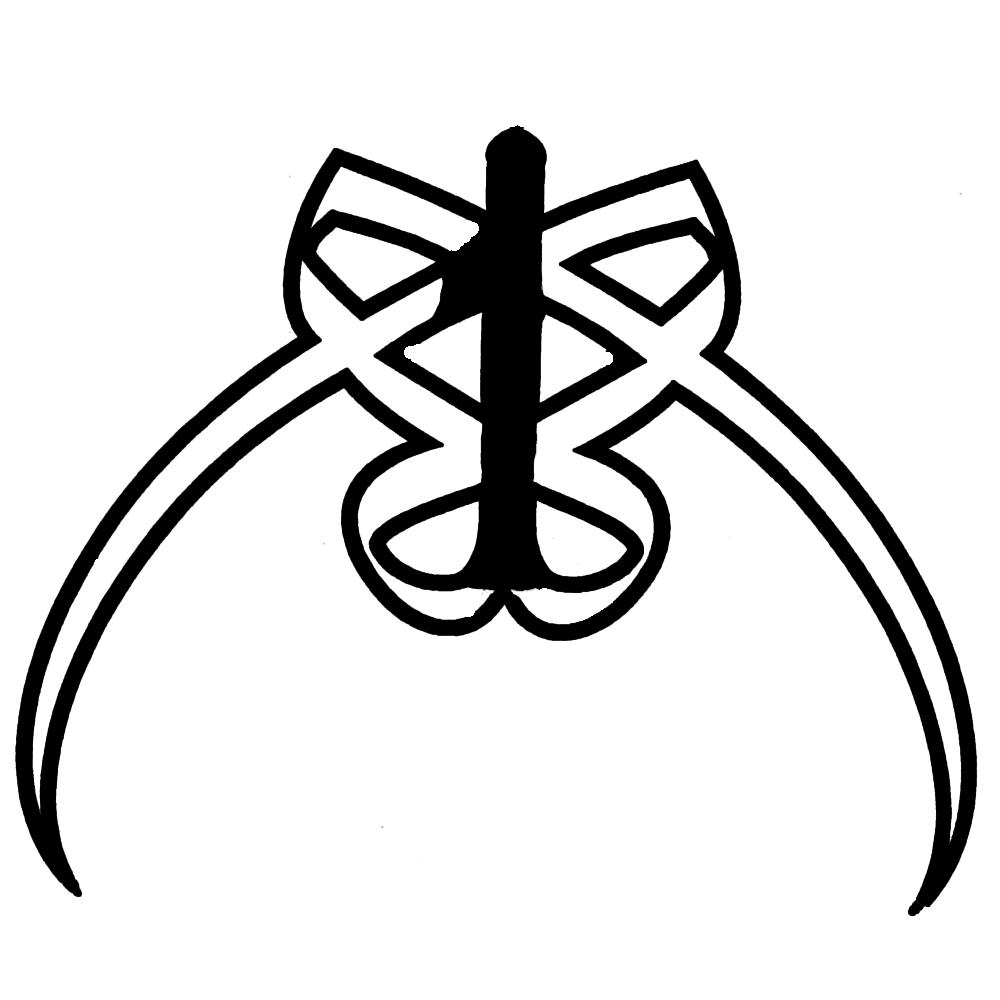
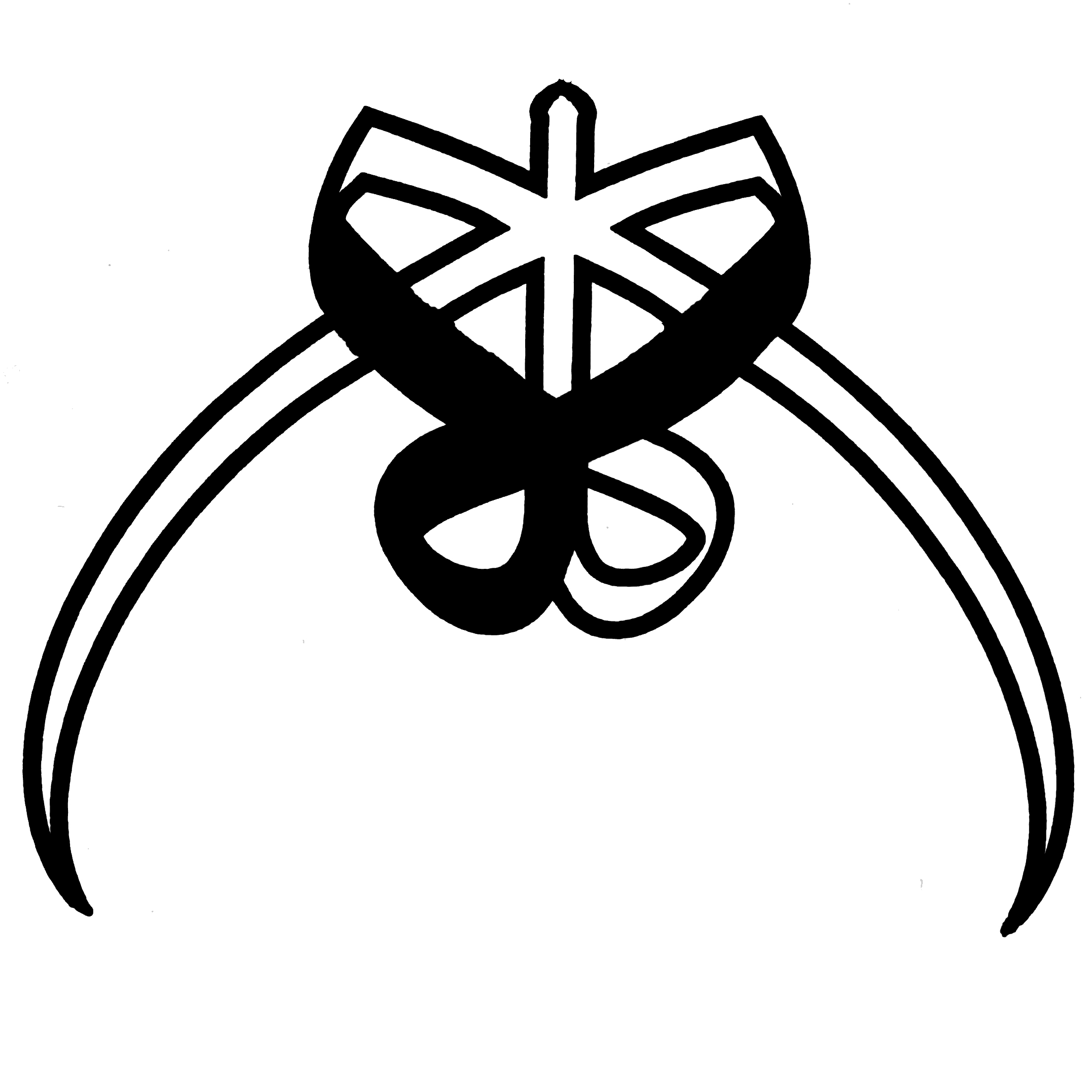
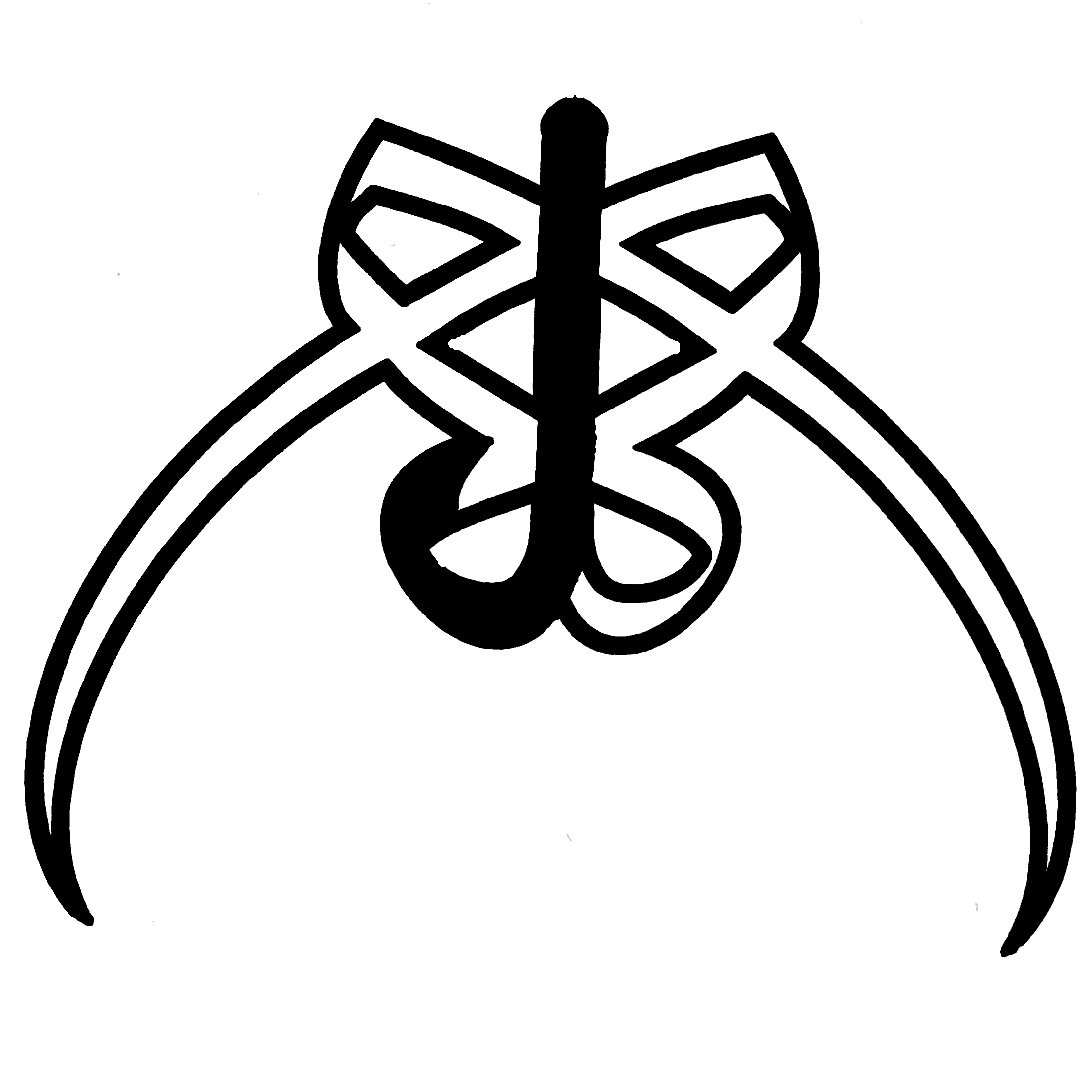
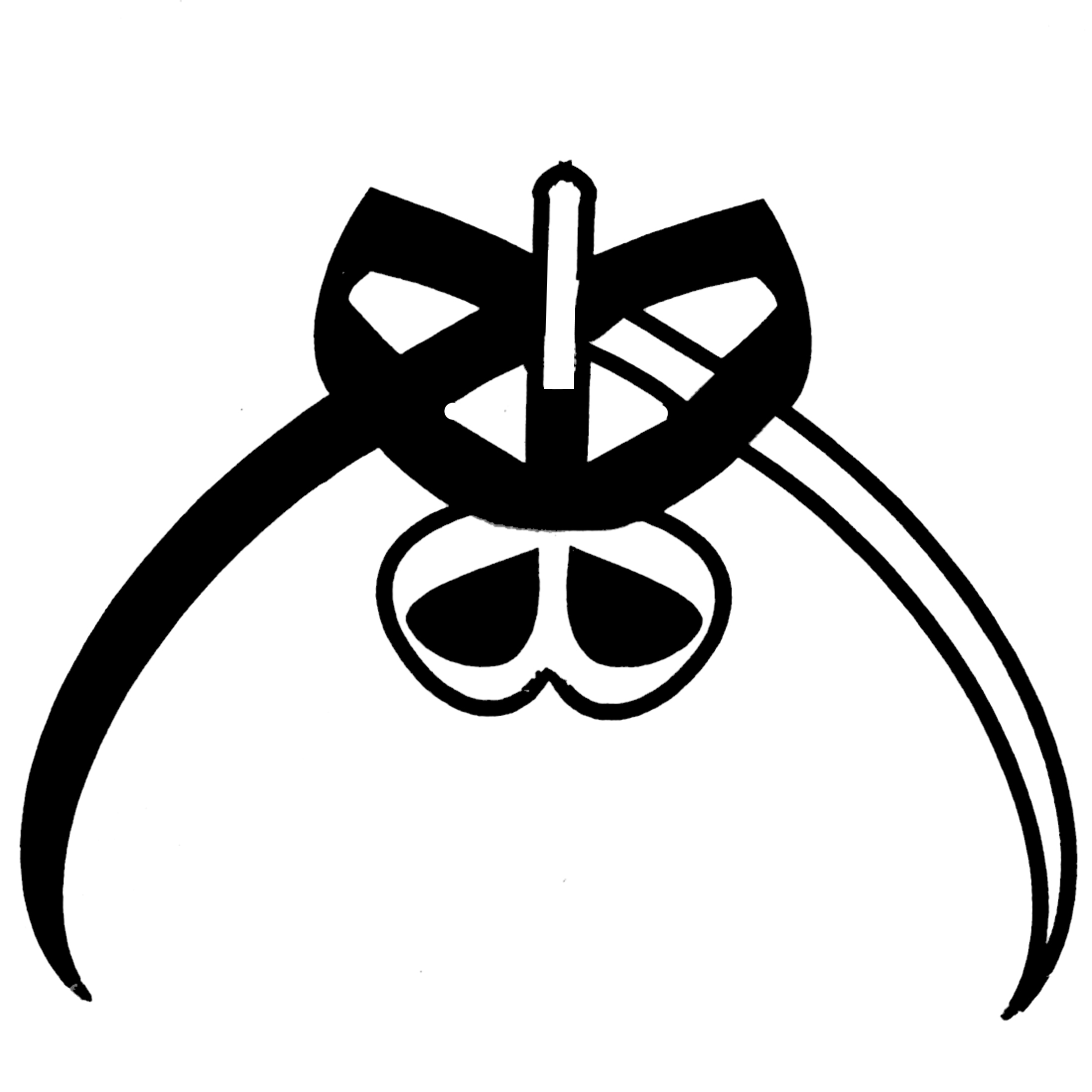
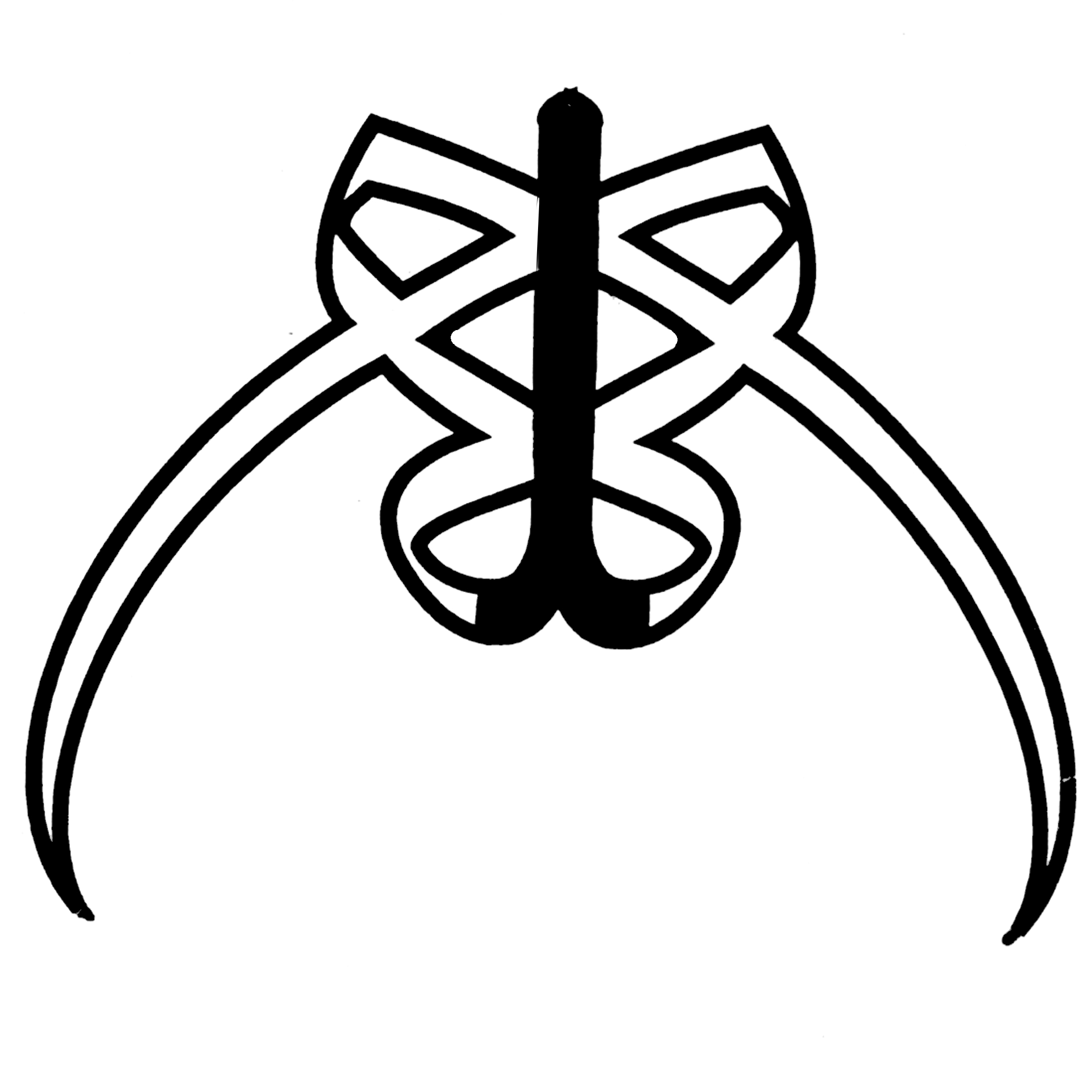
Positioned at the center of the composition as a vertical axis, it extends from the highest point to the lowest portion of the emblem. Its presence establishes balance, stability, and geometric coherence.
Beyond its calligraphic role, the second Lam functions as the organizing spine of the entire composition. All other elements are arranged in relation to it, making it the geometric and conceptual axis of the design.
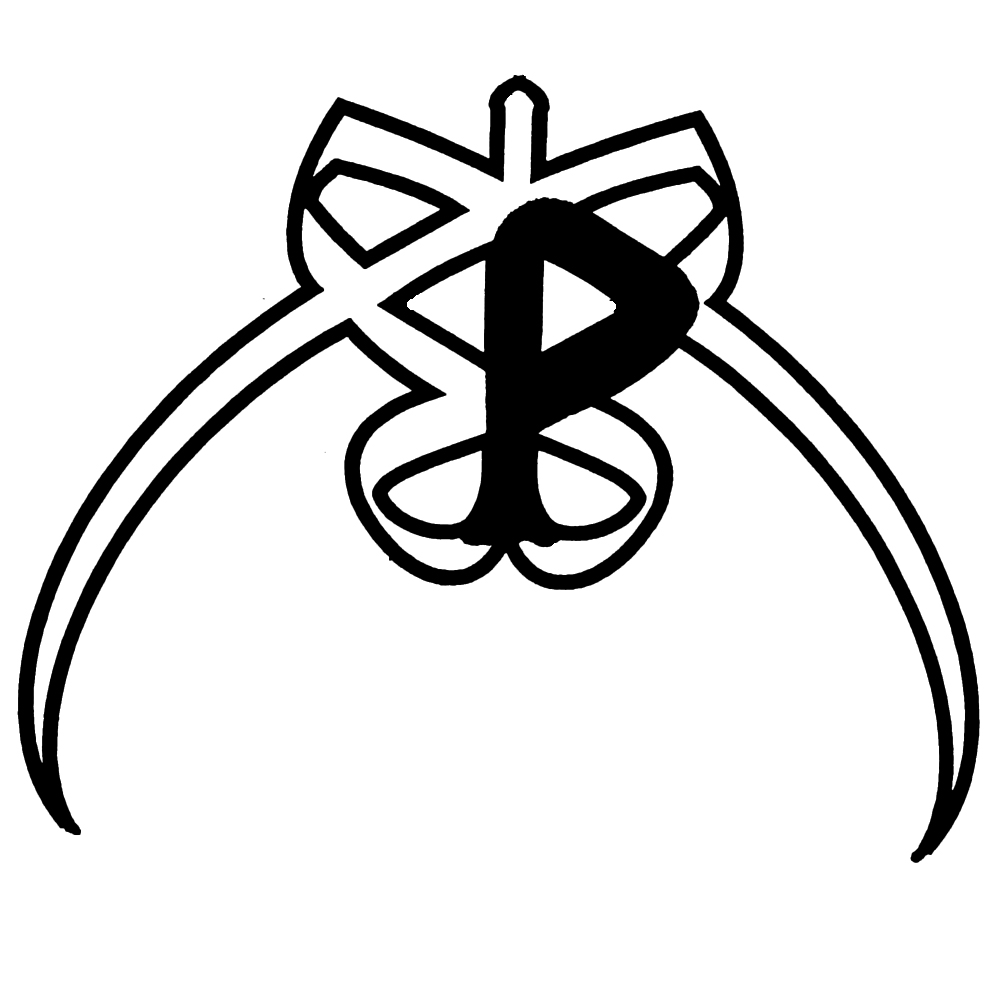
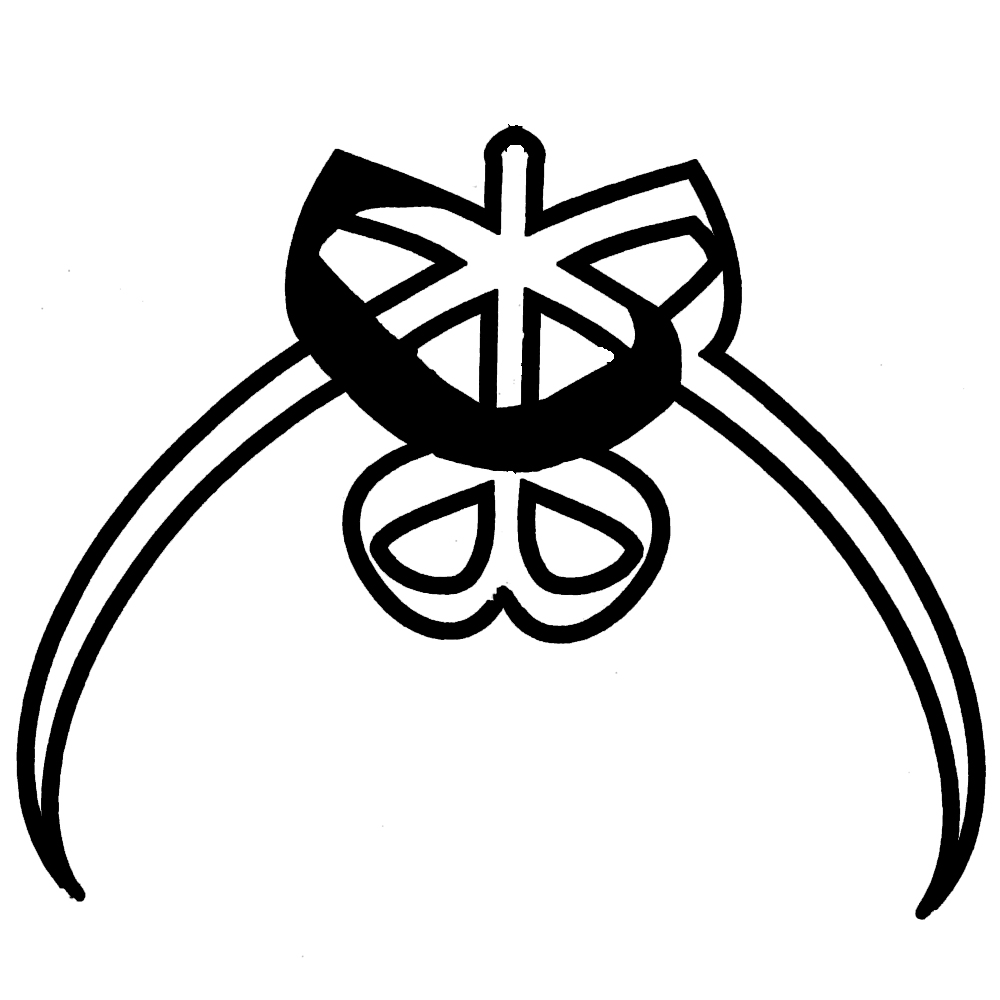
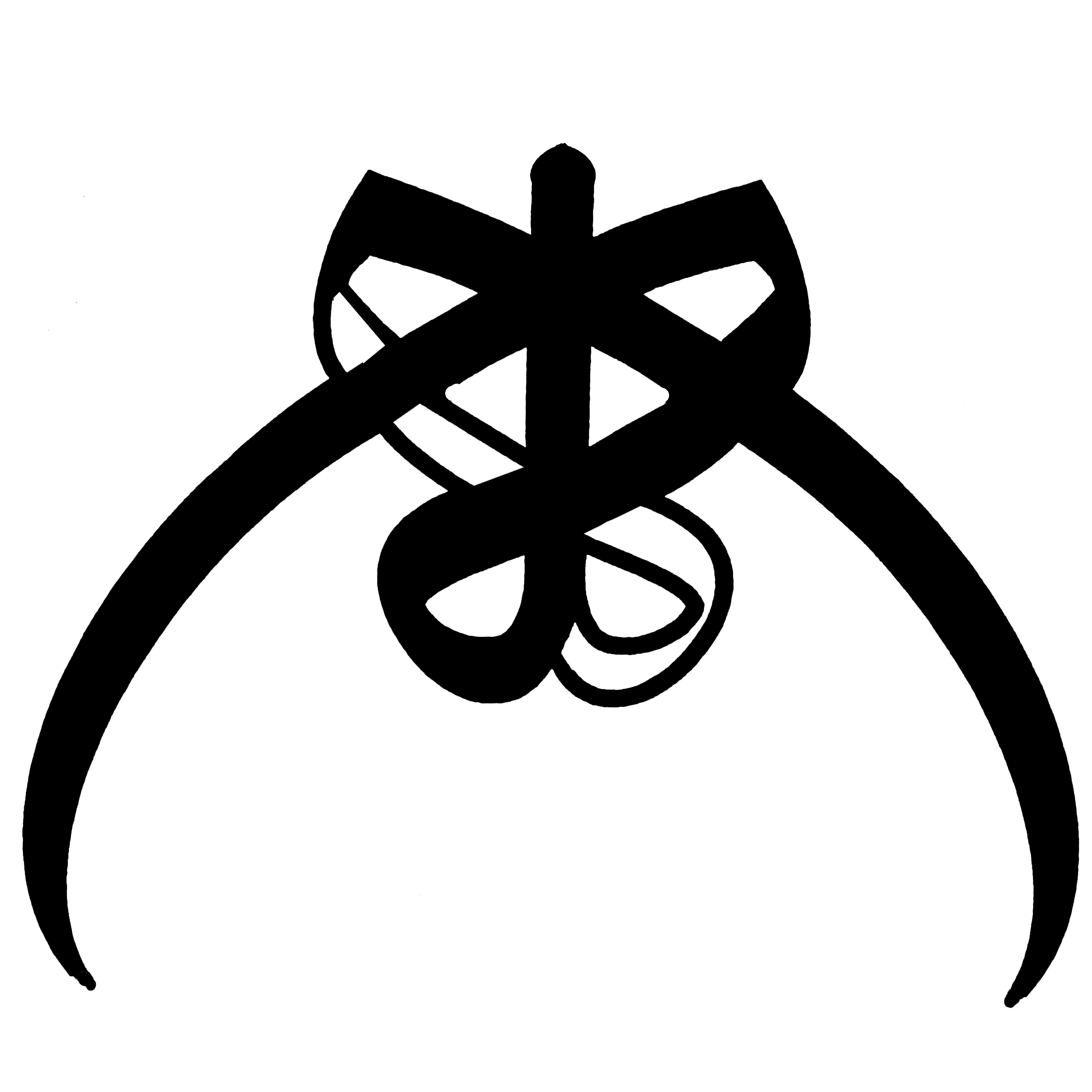
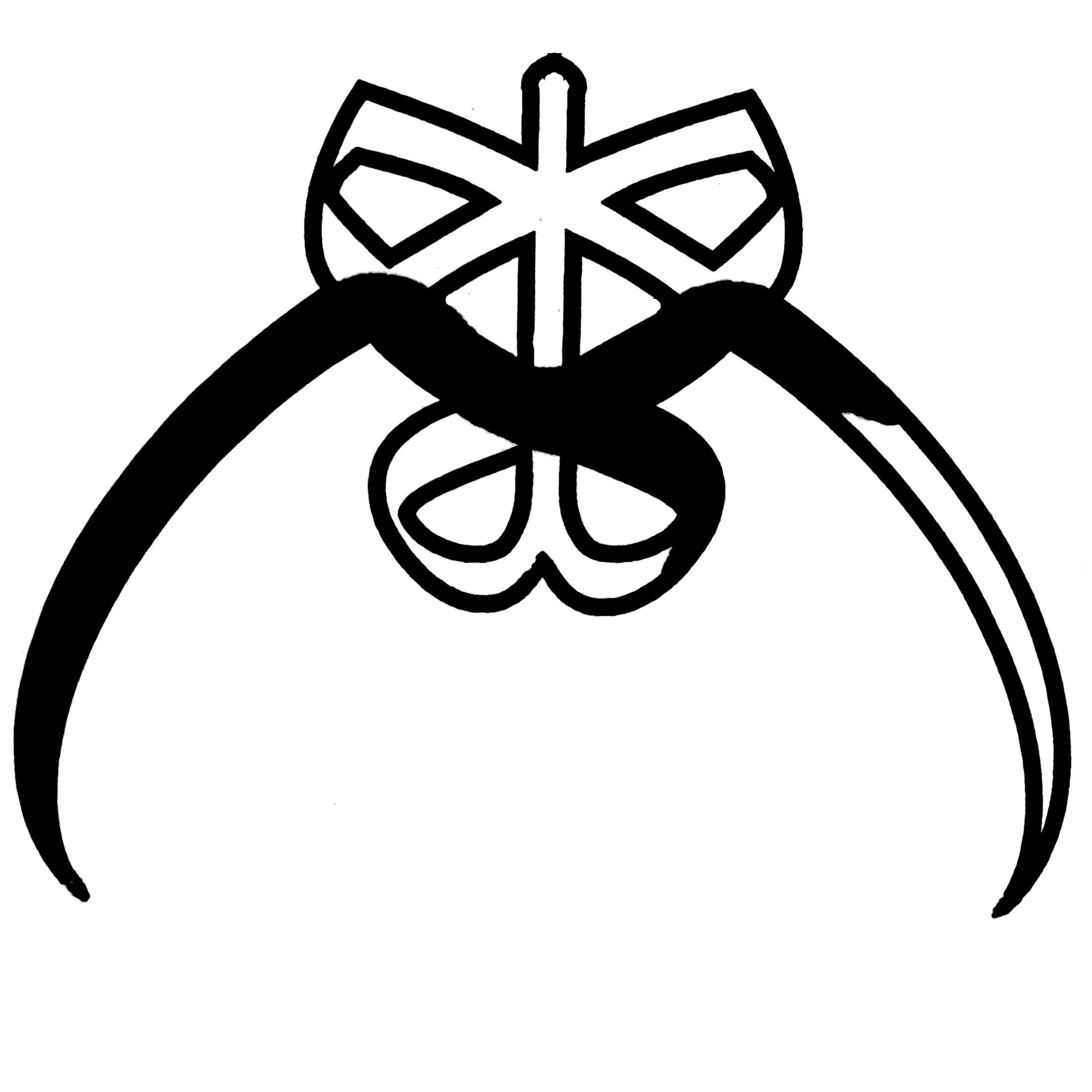
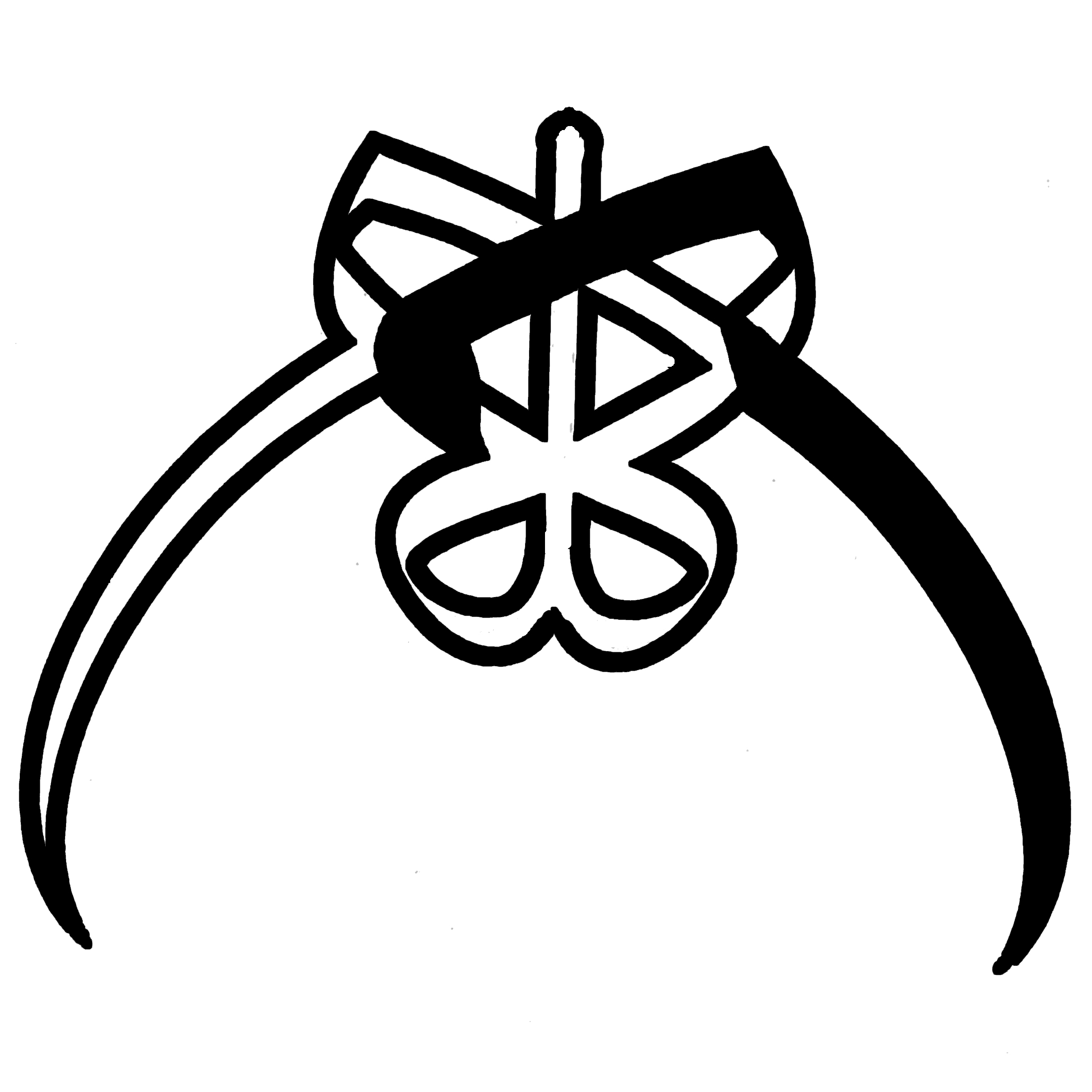
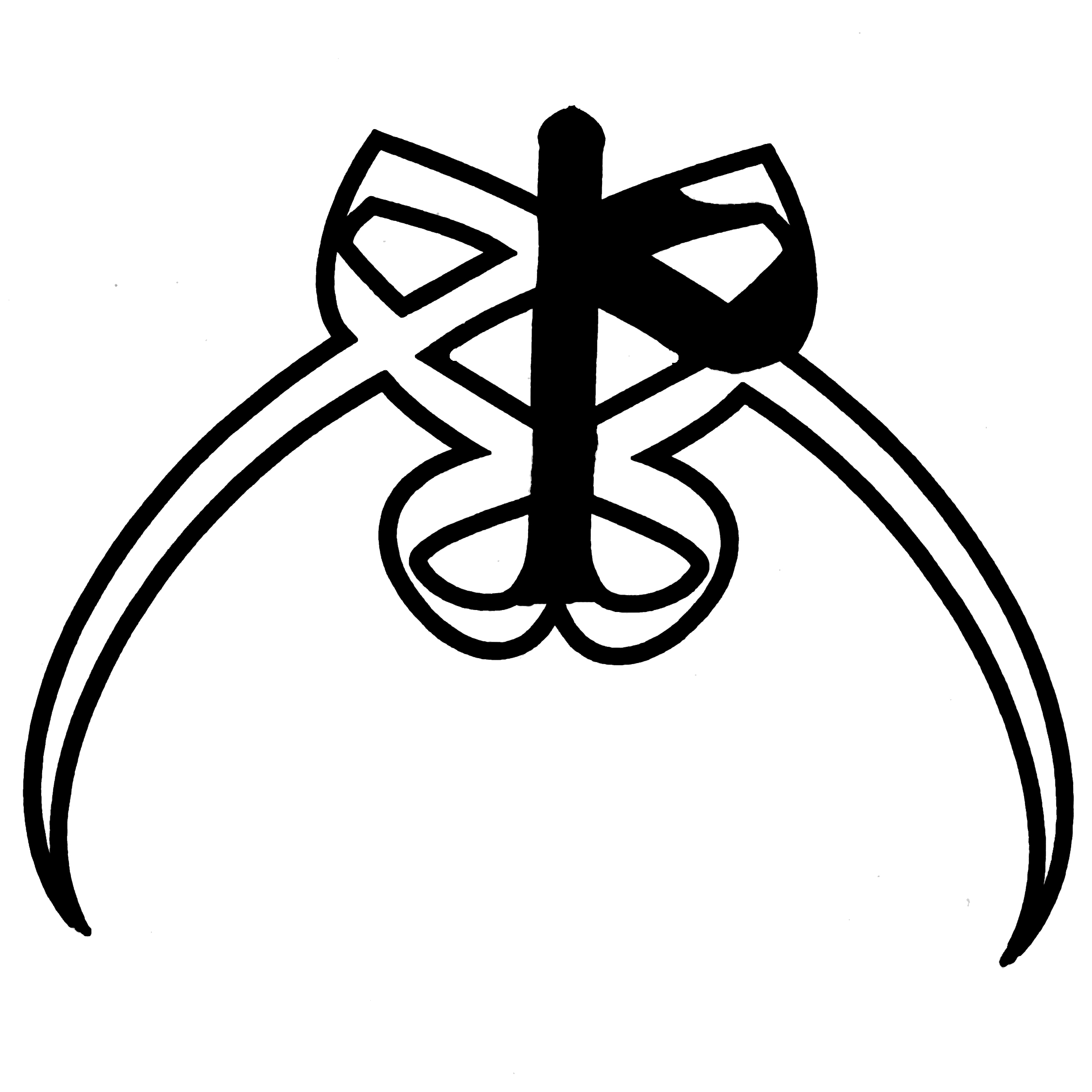
Ha: Movement and Fluidity
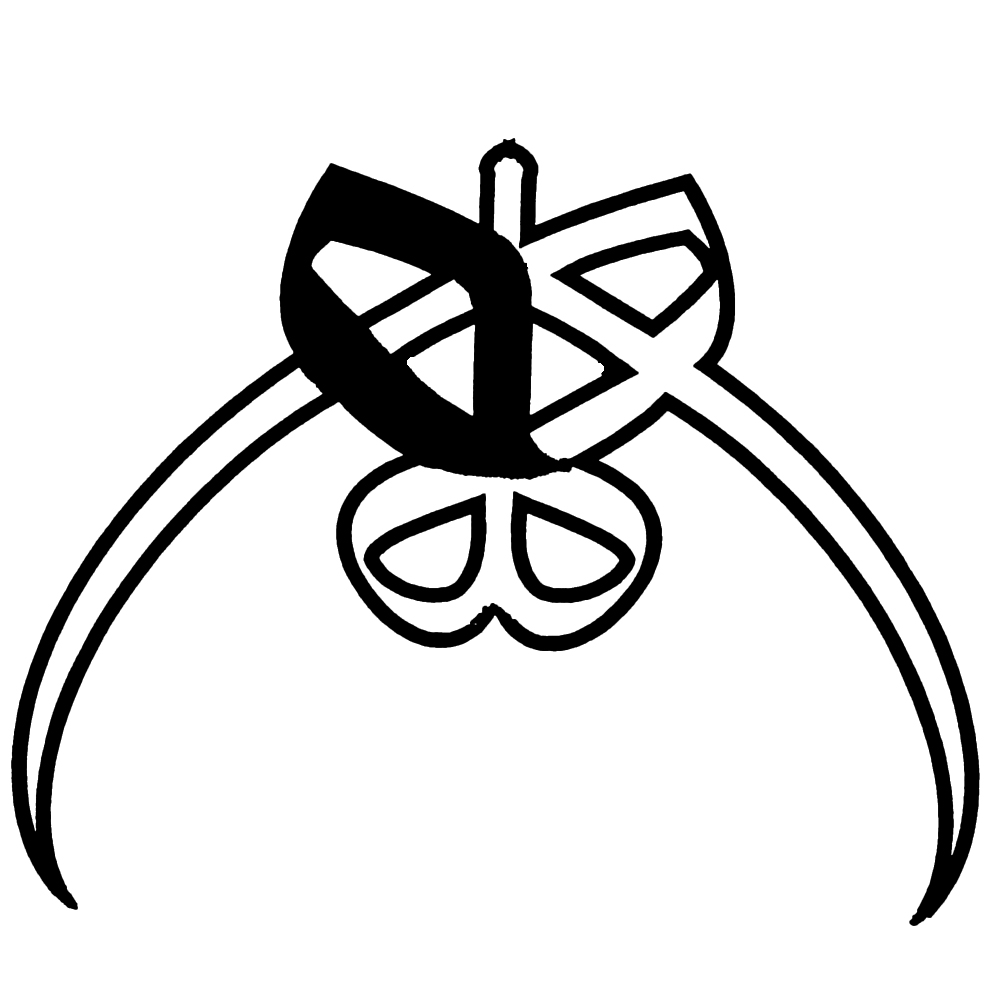
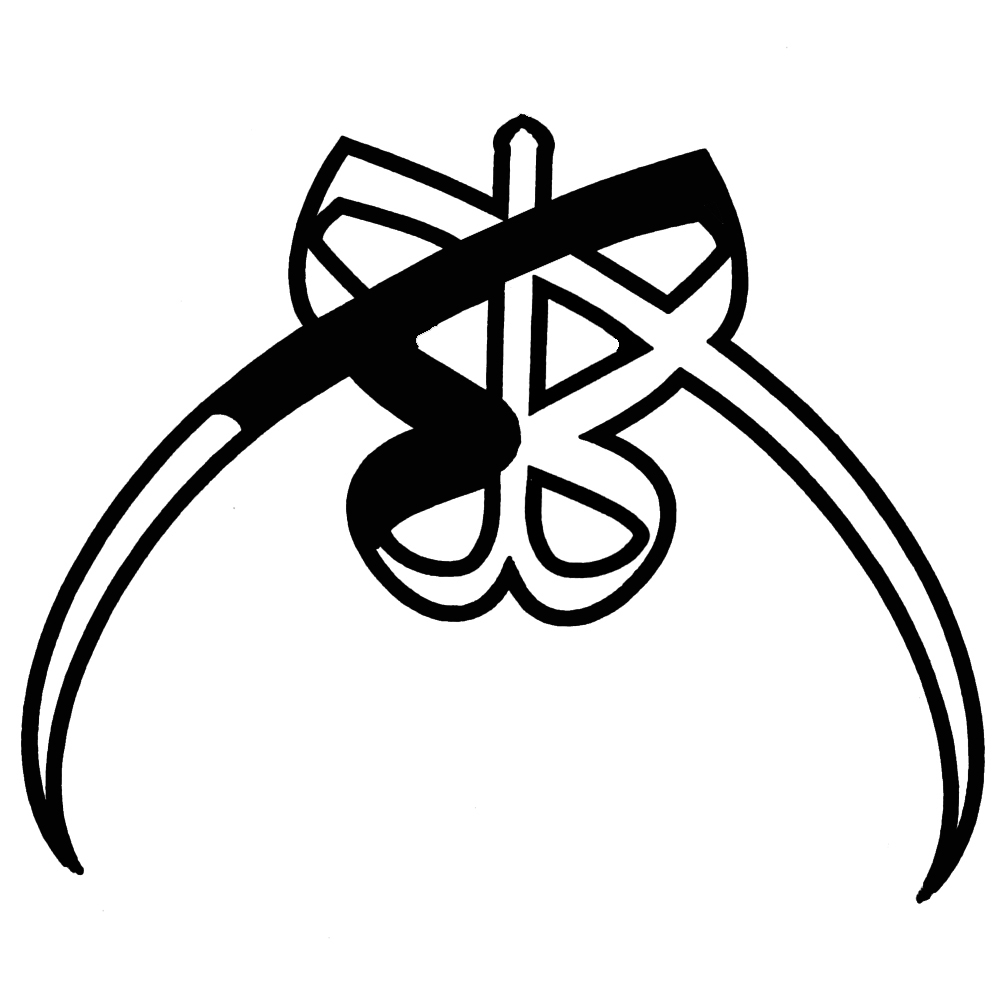
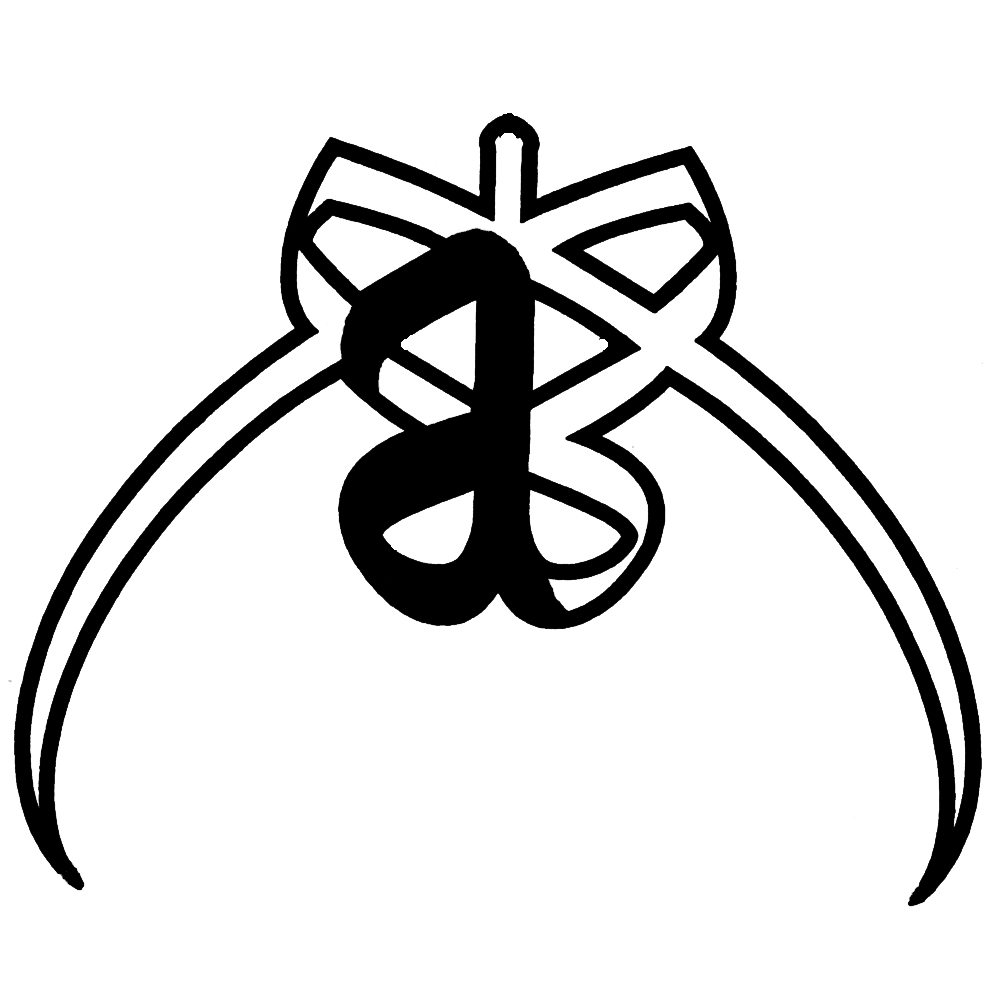
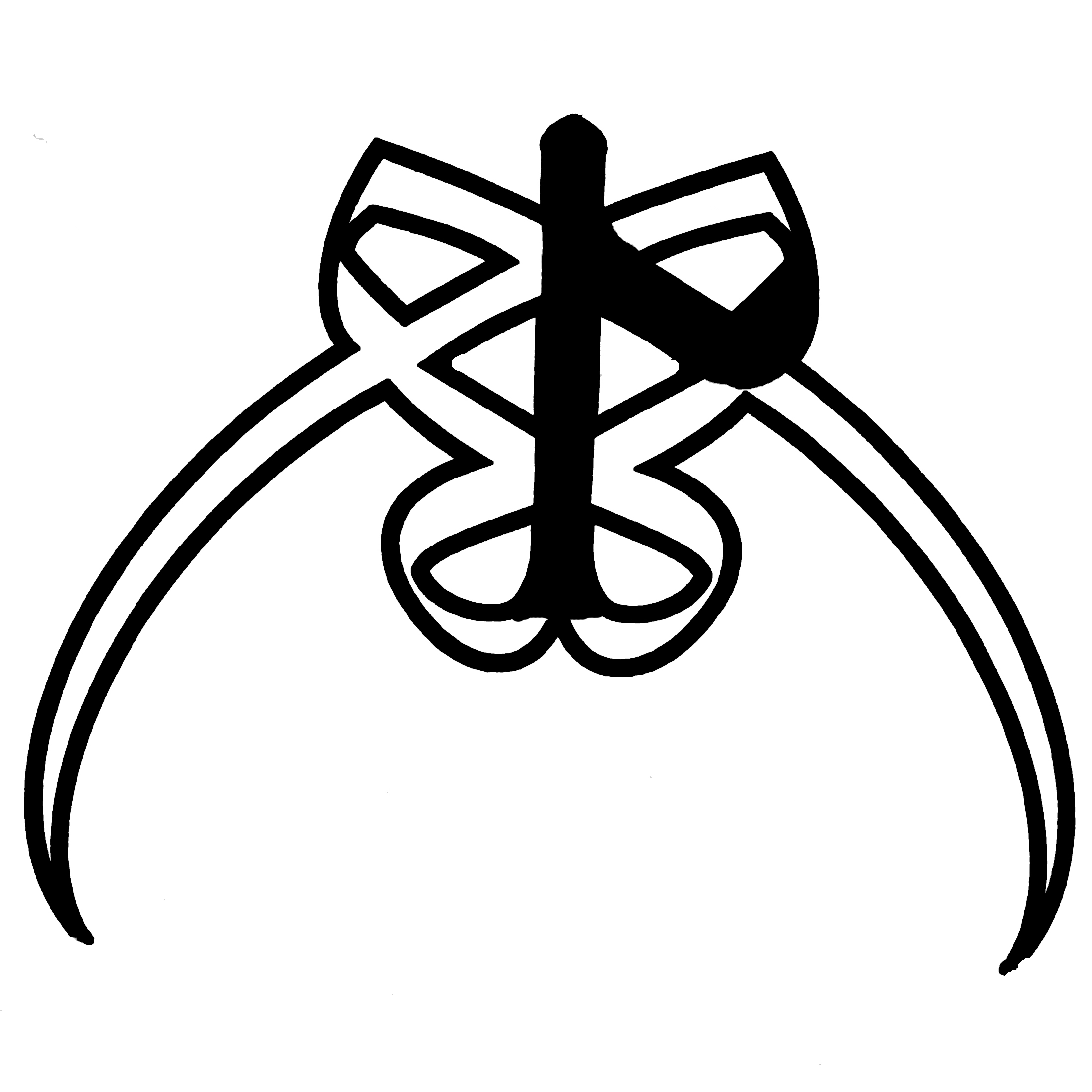
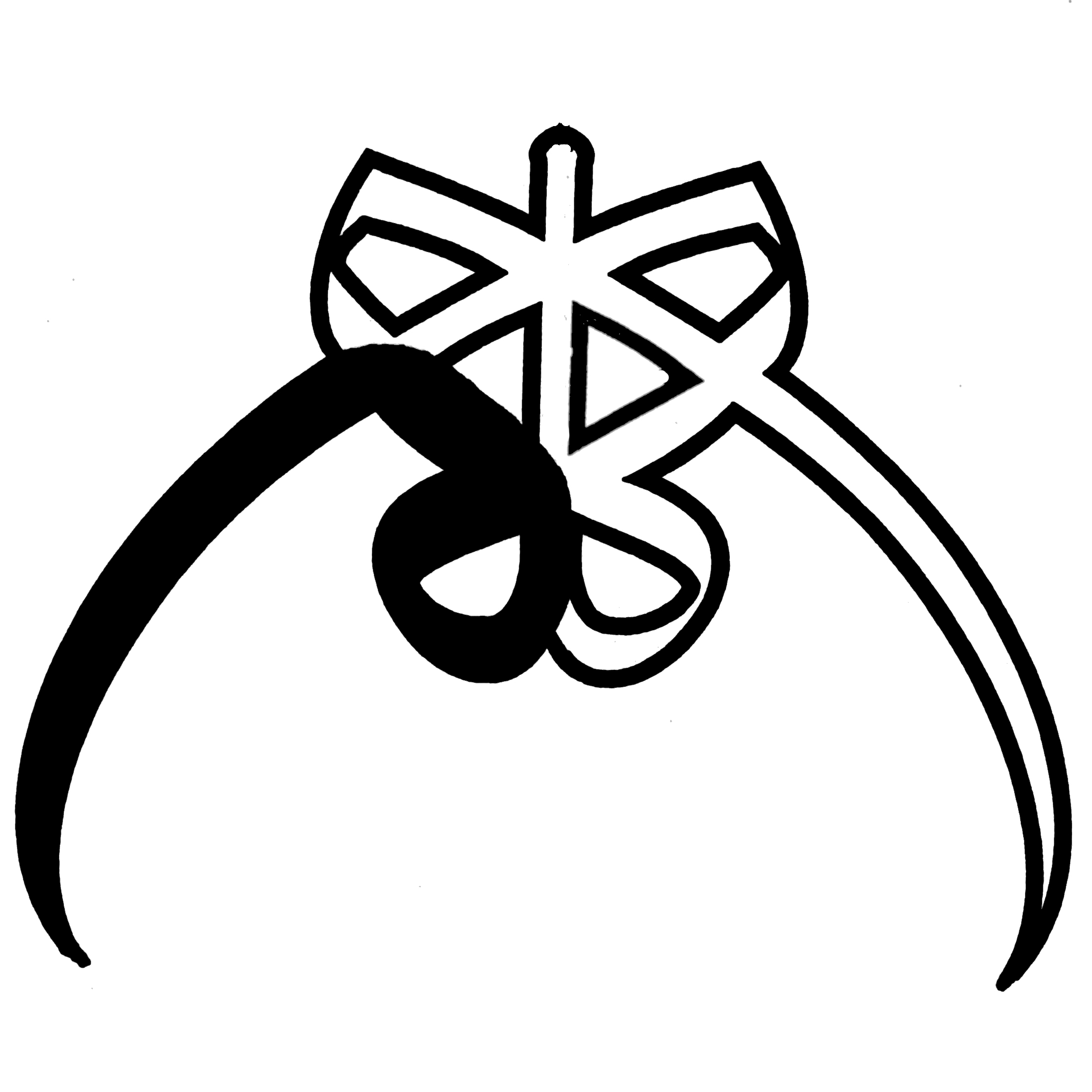
The letter Ha, the final letter of the Divine Name, is simultaneously the most dynamic element within the composition.
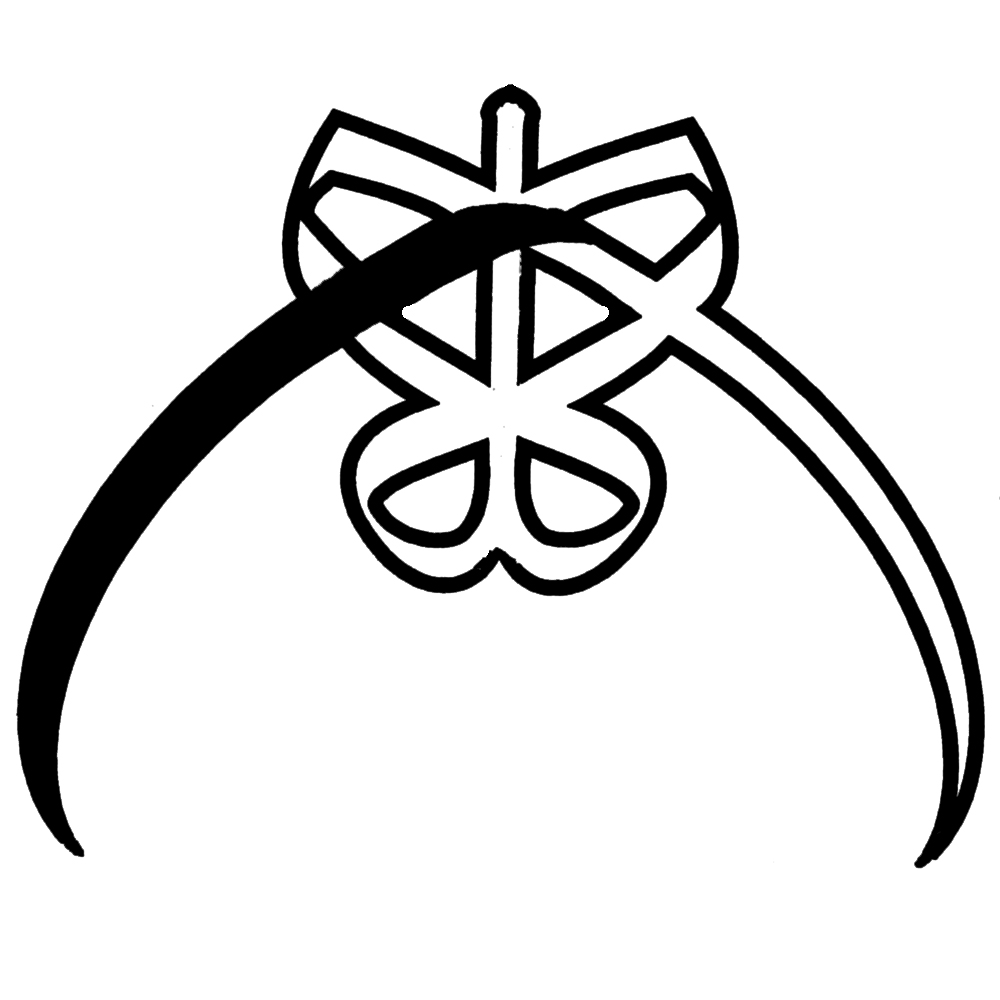
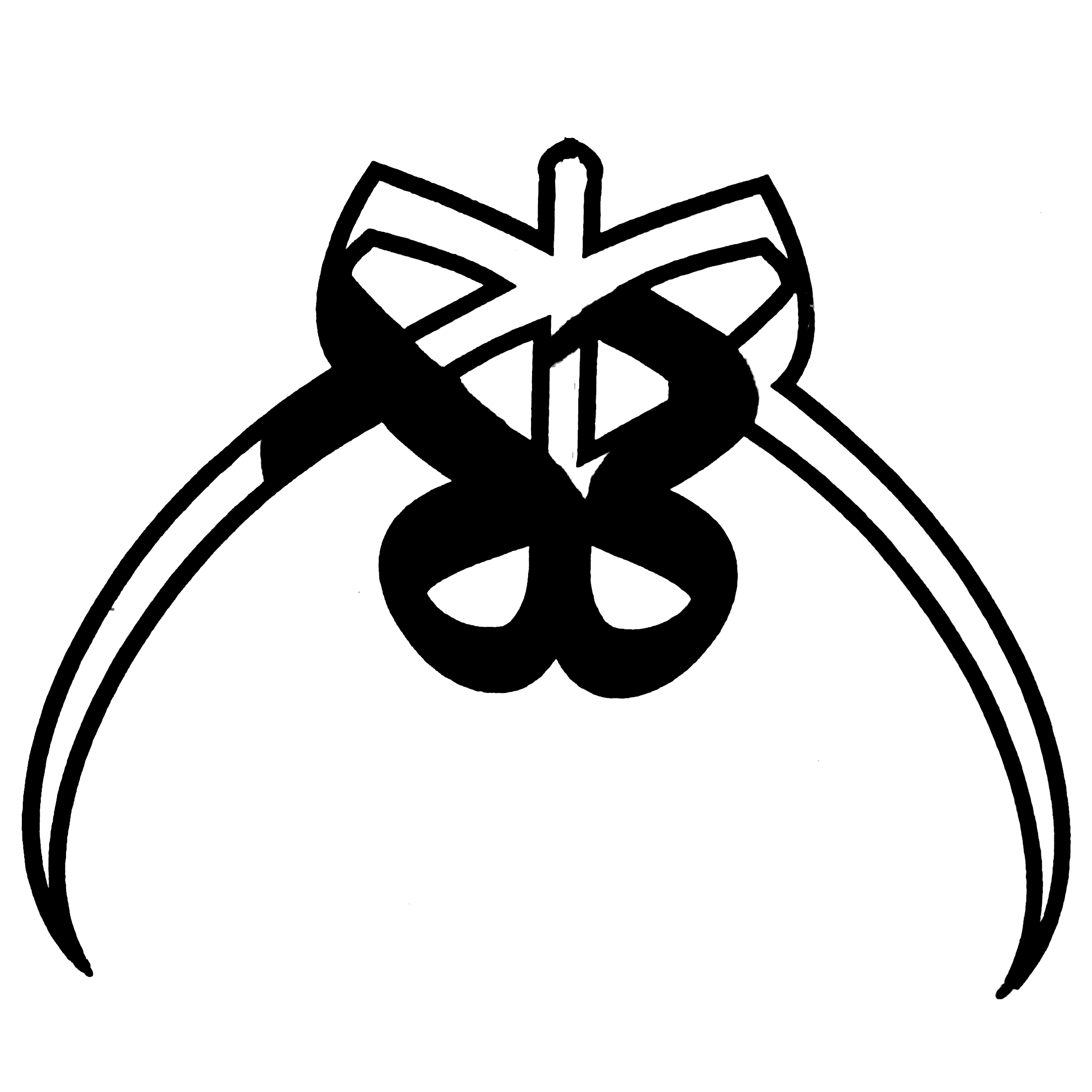
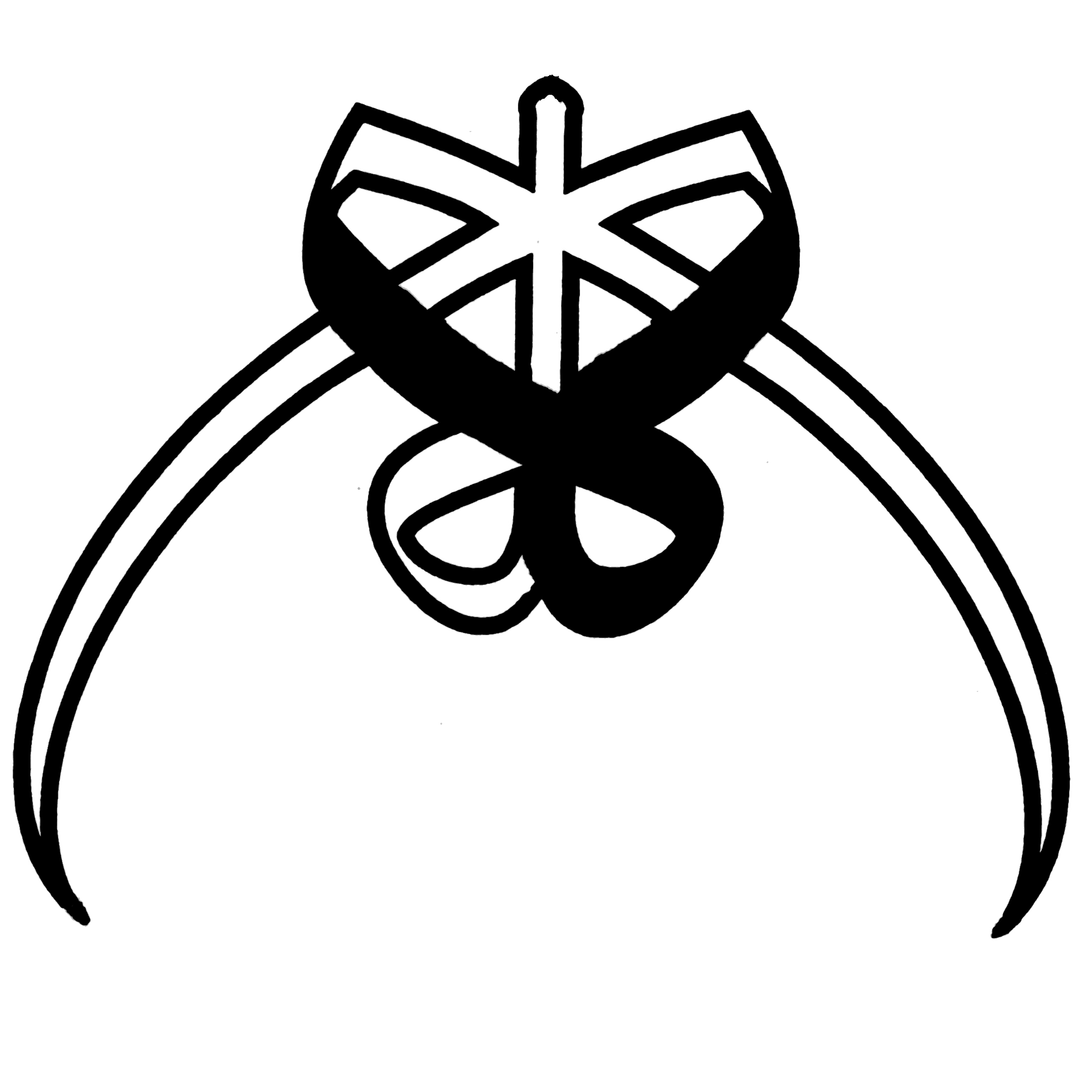
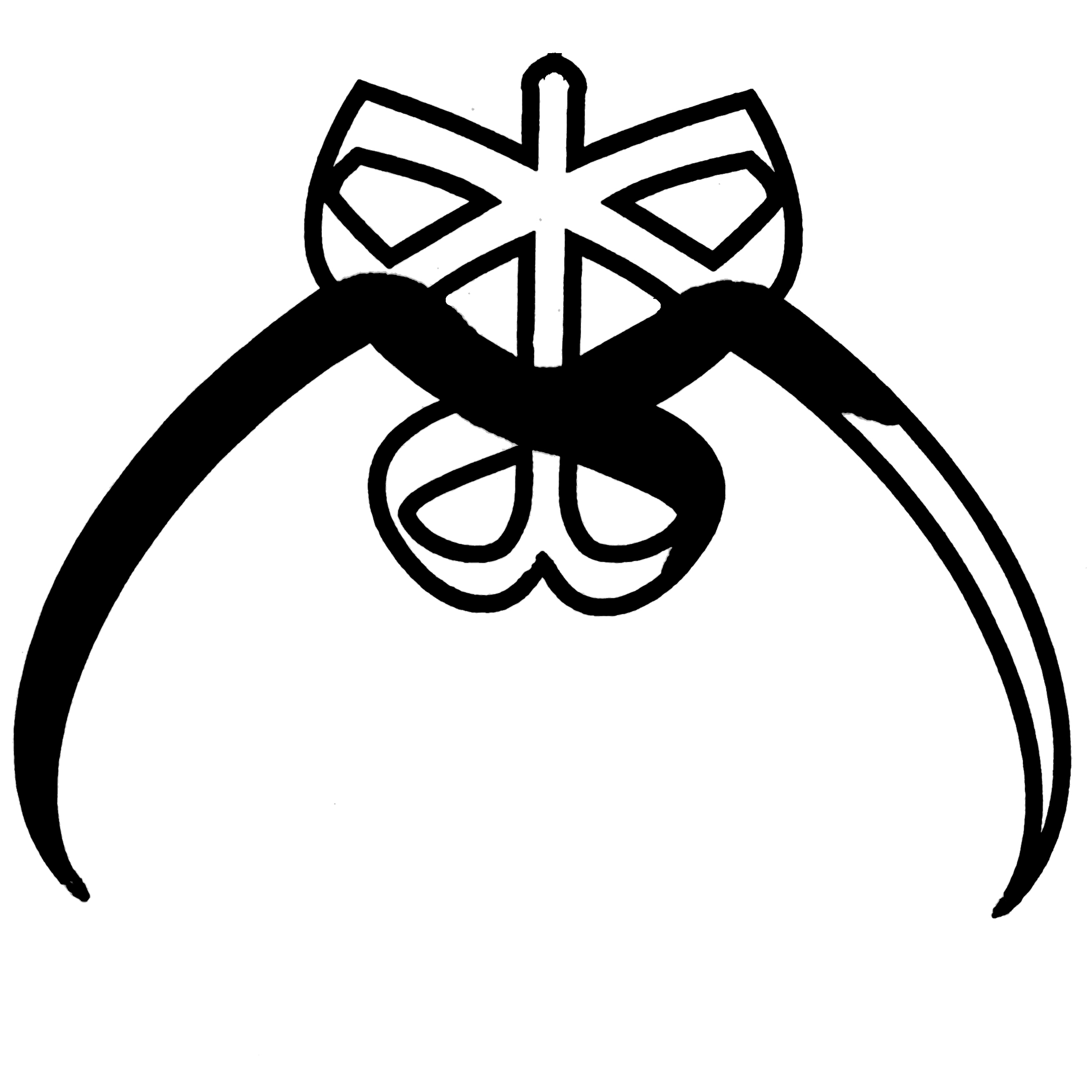
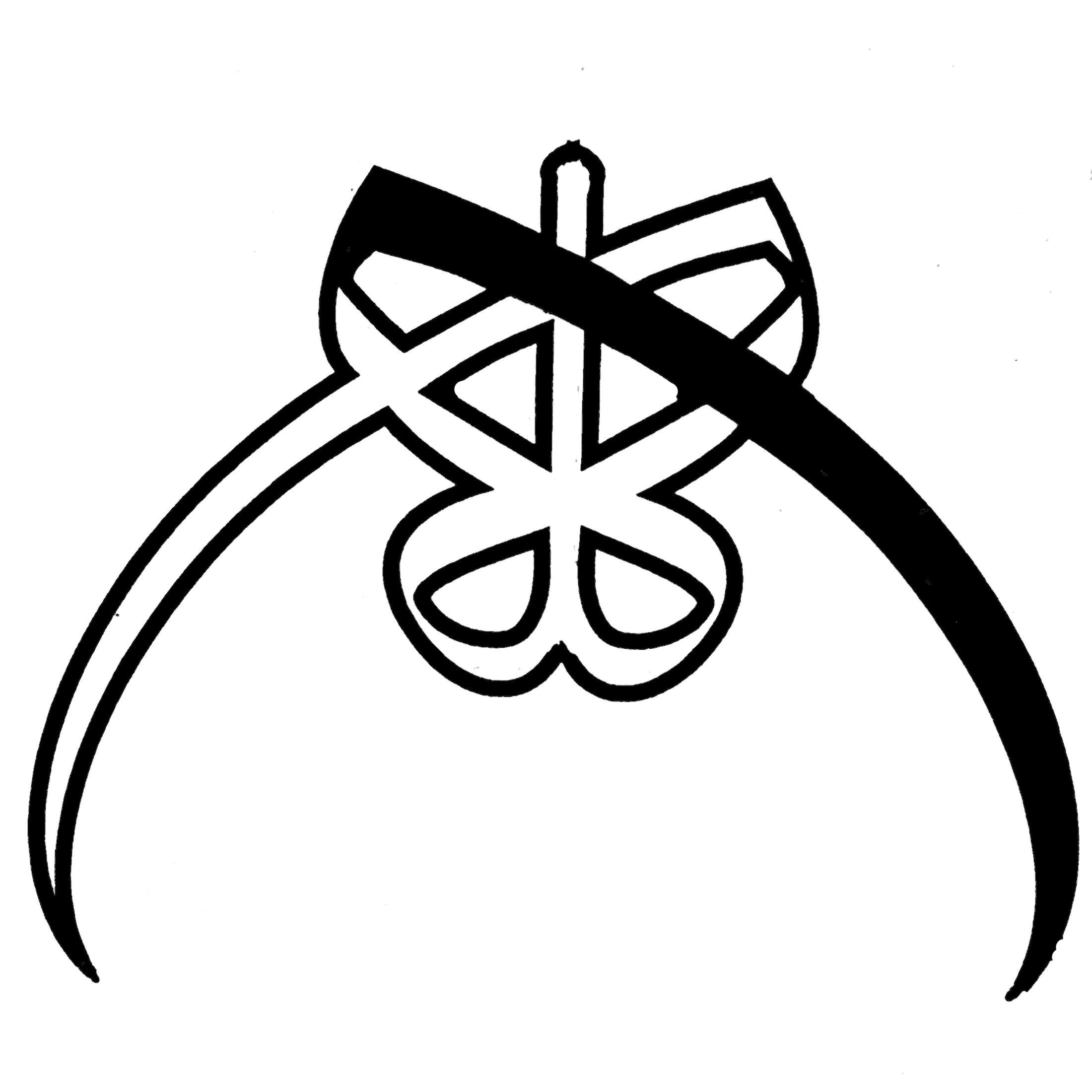
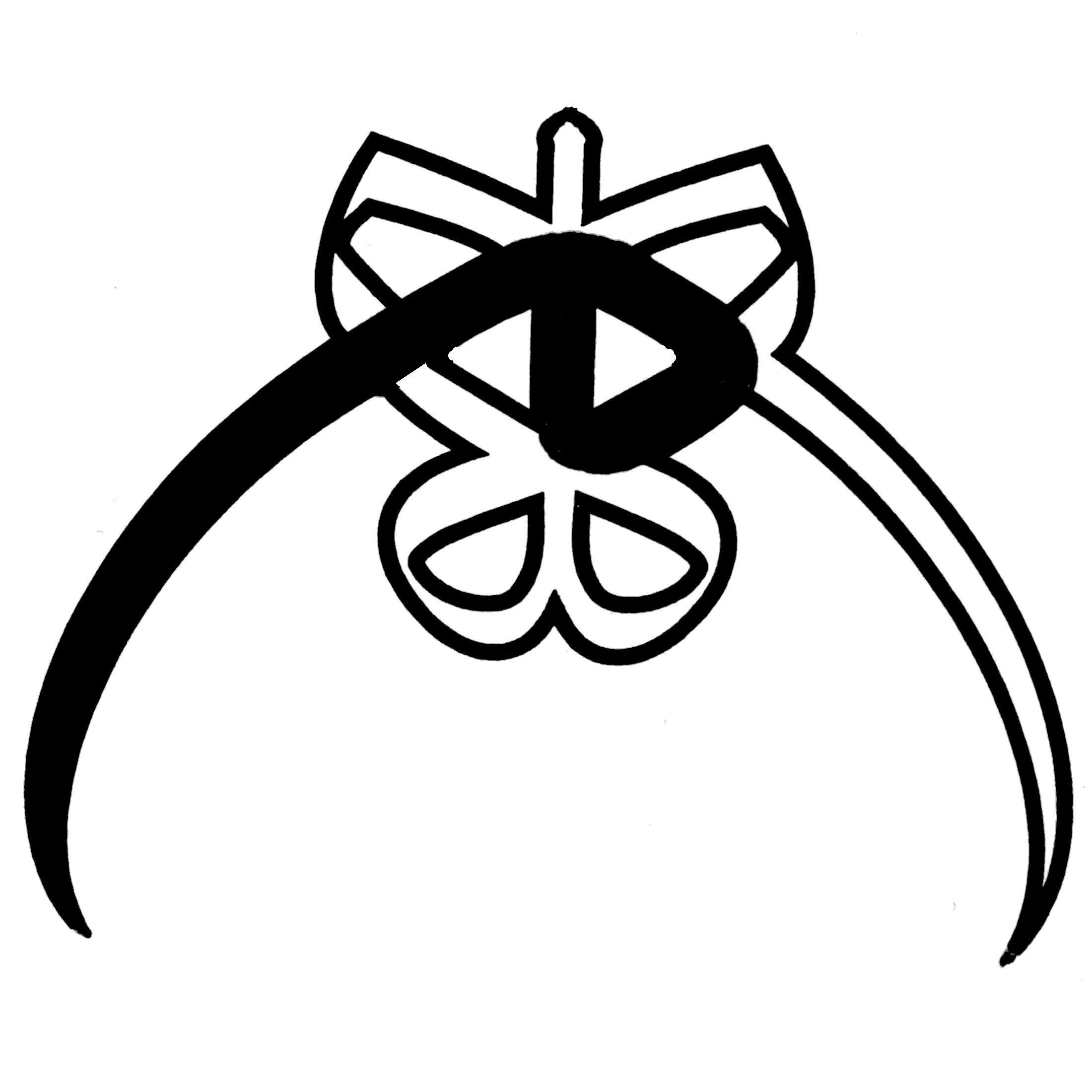
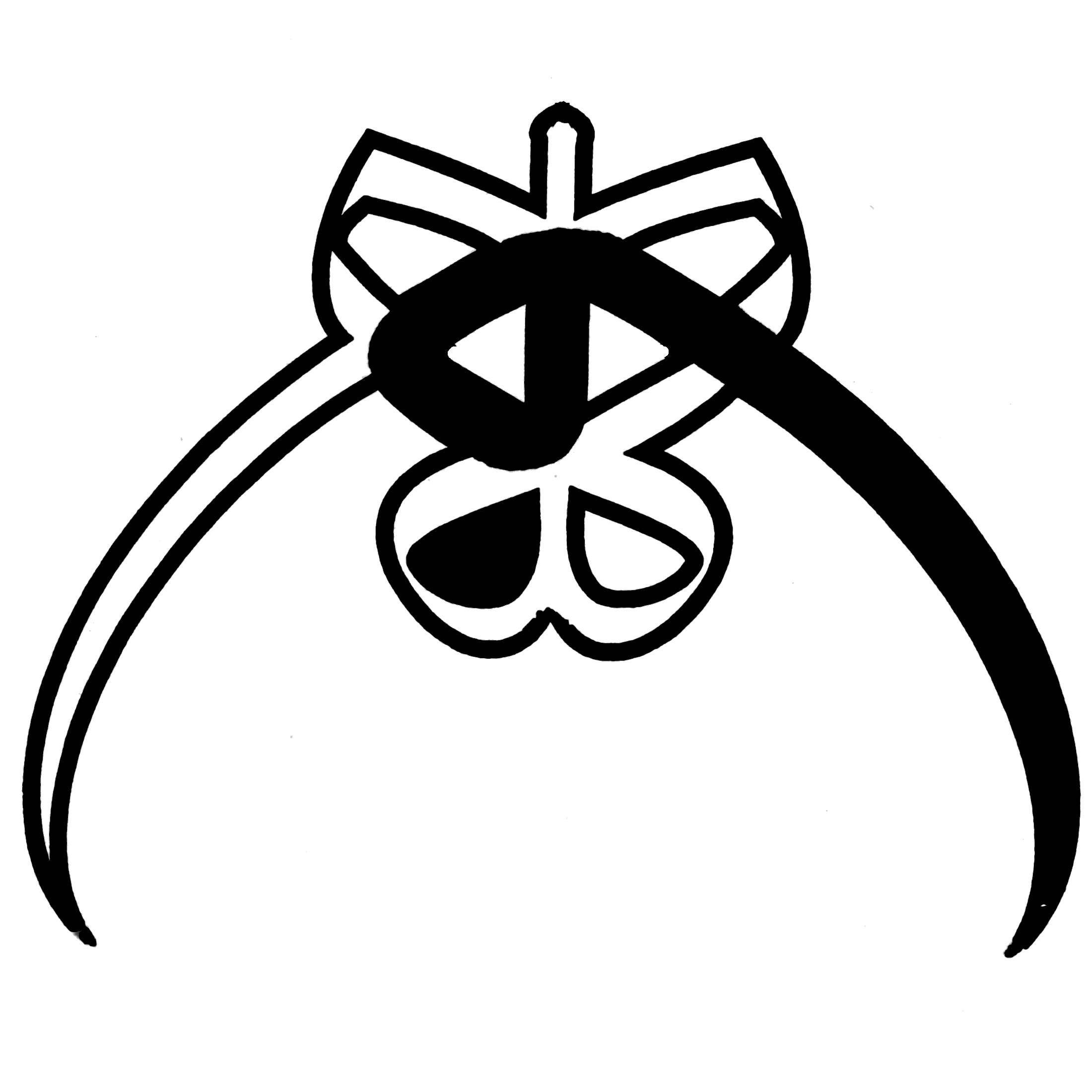
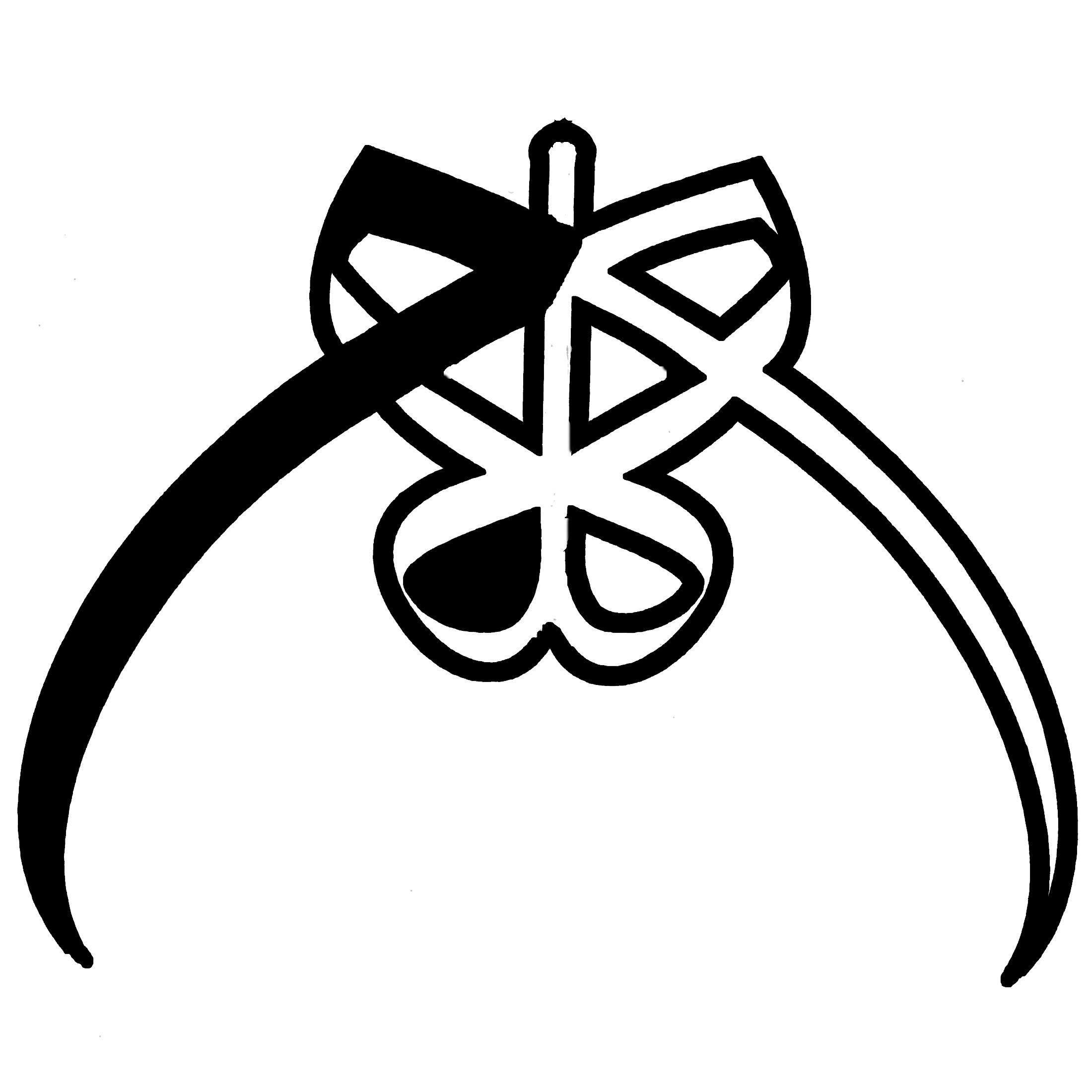
Contrary to initial impressions, the lower loop represents only one portion of the letter. Its complete path begins at the lower section of the emblem, passes through the central structure, and ultimately concludes in the large arc on the left side.
The prominent left-hand curve is therefore the continuation and culmination of the Ha.
This characteristic grants the letter the greatest role in generating movement, dynamism, and visual flow throughout the composition. If the second Lam represents stability, the Ha embodies motion and vitality.
Symmetry and Geometric Unity
One of the most significant achievements of the design is its ability to maintain both legibility and formal unity simultaneously.
In many calligraphic compositions, increased legibility comes at the expense of geometric coherence, while excessive emphasis on geometry may obscure the identity of the letters. This design seeks to preserve both qualities.
The viewer first encounters an autonomous symbol and only gradually discovers the constituent letters of the Divine Name through a process of visual exploration.
The experience is therefore not merely visual but also interpretive, involving the progressive revelation of meaning through geometry.
Dynamic Symmetry and the Progressive Discovery of Meaning
A defining characteristic of this structure is that symmetry emerges from within a linguistic system.
In many geometric works, symmetry results from repetition or mechanical mirroring. Here, however, symmetry arises through the reorganization of letters that are not inherently symmetrical.
The viewer first perceives a balanced geometric form and only later recognizes that this balance has been extracted from a word.
This quality may be described as dynamic symmetry—a symmetry generated through an internal process rather than through simple reflection.
From Calligraphy to Geometry
This work cannot be classified exclusively as either calligraphy or geometry. What occurs here is a transformation from script into structure.
Calligraphy, one of the foundational visual arts of Islamic civilization, becomes a geometric logic capable of generating form rather than merely displaying letters.
In this sense, the Divine Name functions not only as sacred text but also as raw material for a geometric system capable of organizing surfaces, frames, networks, and architectural skins.
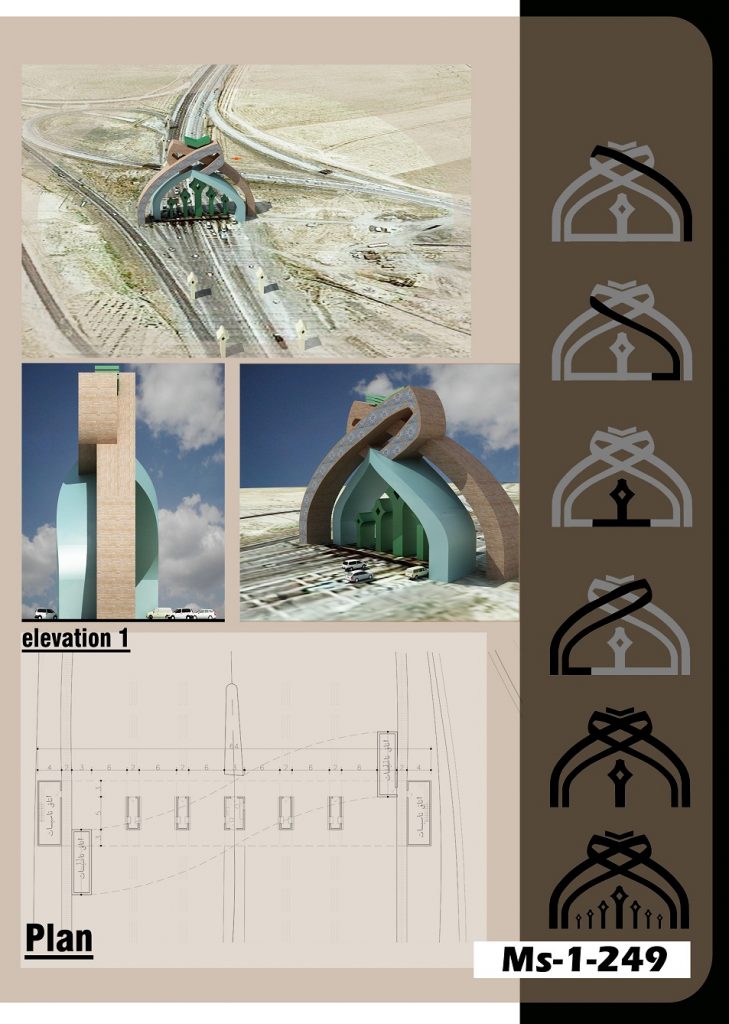
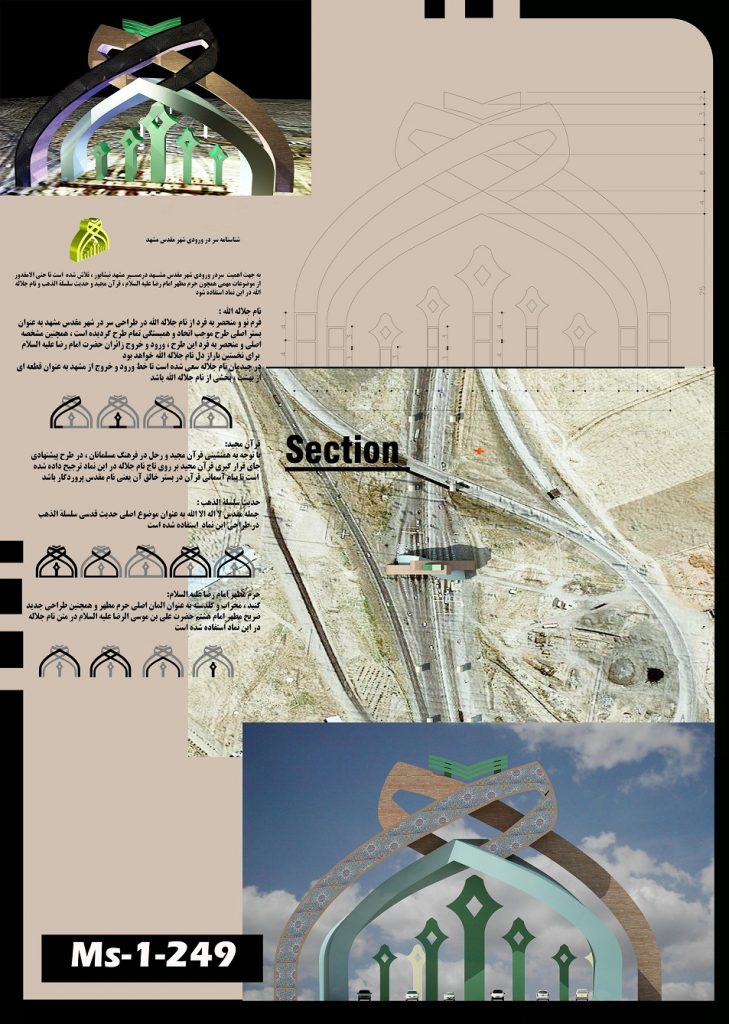
From Logo to Dome
One of the most significant potentials of this structure is its capacity to be transformed directly into three-dimensional architectural form.
In this approach, the logo is not merely a source of inspiration but acts as the genetic blueprint of a building.
By dividing the emblem along its central axis, each half can become an independent spatial component. When eight identical elements are arranged around an octagonal plan and rotated around a central axis, a dome-like structure emerges.
Within such a dome, each component forms part of the shell while converging toward a common center.
The second Lam becomes the central structural core, while the Alif and Ha generate the surrounding arches and shell elements. The first Lam functions as the connective component linking the entire system.
The resulting dome is therefore not simply inspired by the logo; it becomes a three-dimensional manifestation of the Divine Name itself, as though the letters have emerged from the page and assumed architectural form.
The Geometry of Unity in Architectural Elements
The significance of this geometry extends beyond the dome itself.
The same principles capable of generating the dome can organize an entire mosque or urban monument. In this framework, the Divine Name is not merely an ornamental motif but the generative language of the entire structure.
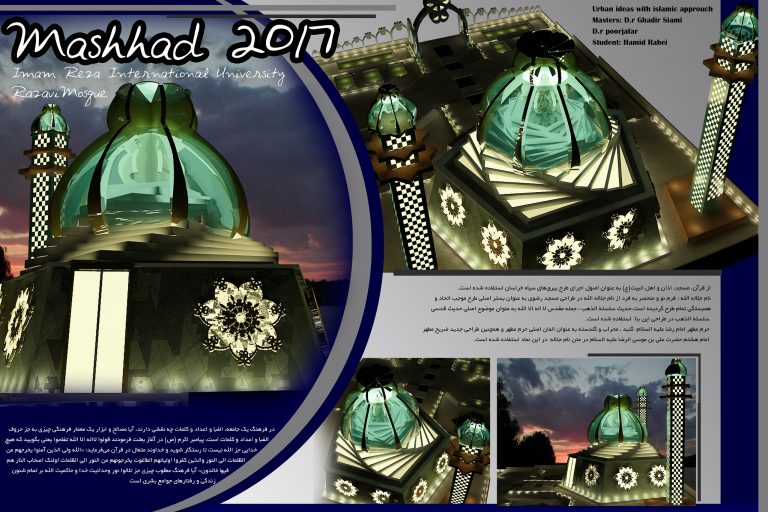
At the largest scale, domes and minarets emerge from the geometry. At intermediate scales, mihrabs, iwans, windows, skylights, arches, and perforated screens can be derived from the same system.
At smaller scales, tilework, mirror mosaics, muqarnas, marquetry, carved doors, inscriptions, railings, geometric tracery, and even patterns of light and shadow may be generated directly from the same geometry.
From the largest structural element to the smallest decorative detail, every component originates from a common source, creating a profound unity between form, meaning, and structure.
In such an architecture, the Divine Name is not merely written upon the walls; the entire building becomes its spatial embodiment.
Conclusion
This project may be understood as an attempt to establish a dialogue between calligraphy, geometry, design, and architecture.
Within this system, the Divine Name “Allah” transcends its conventional written form and becomes an autonomous formal language. The four constituent letters preserve their individual identities while simultaneously merging into a unified, symmetrical structure with graphic, spatial, and architectural potential.
The most distinctive characteristic of the work is that all of its possibilities emerge from a single source. The logo, dome, mihrab, minaret, ornamental systems, geometric networks, type design, and even potential writing systems may all be understood as different manifestations of a single generative geometry.
Viewed in this way, the project is not merely a reinterpretation of the Divine Name “Allah,” but the foundation of a broader formal, visual, and architectural system whose diverse expressions ultimately return to the same origin.
In this perspective, the Divine Name ceases to be merely a word to be read; it becomes a living, generative, and expandable structure capable of manifesting itself through graphic design, ornament, architecture, and urban space, while revealing the unity of meaning, form, and environment.